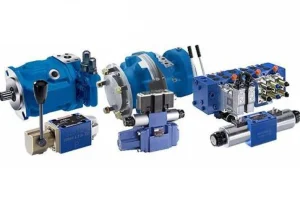
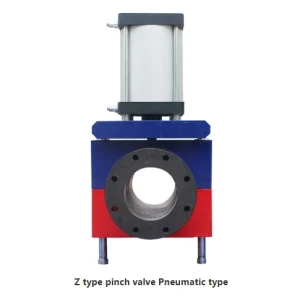
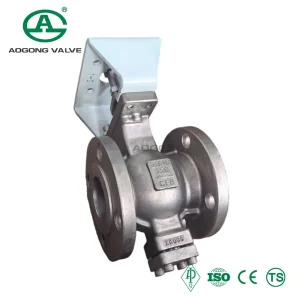
Explore our top-tier precision-engineered regulating, control, and pressure containment valves designed for heavy-duty industrial configurations.
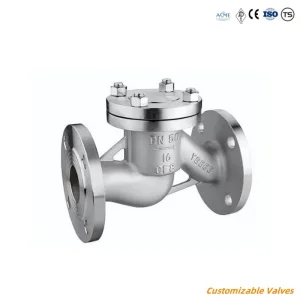
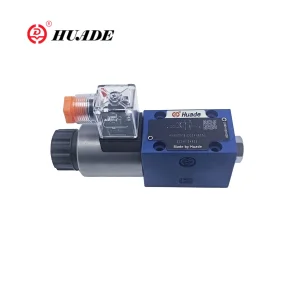
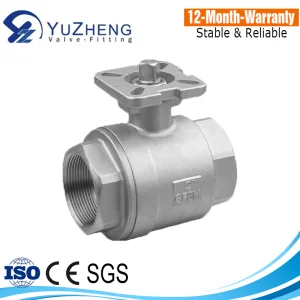
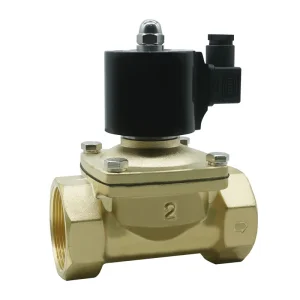
In the modern industrial processing ecosystem, the regulation of fluid dynamics constitutes the fundamental core of operations. Regulating valves—including control valves, globe setups, and advanced ball variations—manage physical parameters such as pressure, temperature, volumetric flow rate, and process levels. Globally, the demand for high-end regulating valves is pivoting toward precision, resilience, and digitized actuation.
Driven by the strict demands of petrochemical plants, modern smart thermal power generation, deep-sea exploration, and critical pharmaceutical processing, manufacturers must develop systems capable of mitigating cavitation, localized flashing, high-velocity gas erosion, and massive pressure drops. Today's commercial requirements mandate zero-leakage profiles and adherence to strict fugitive emissions guidelines (such as ISO 15848 and API 622), forcing suppliers to invest heavily in advanced seal configurations, bellows seals, and specialized metallurgy.
Established with a core mission to transform flow control solutions, Zhejiang Maria Valve Co., Ltd. has evolved into a premier design-and-manufacturing hub for industrial valves. Over the decades, we have engineered tailored control setups for a highly diversified customer base encompassing petroleum refineries, major steel manufacturing complexes, power generation utilities, high-scale chemical process operations, and municipal municipal water treatment centers.
Since 2003, our focus has been the deep R&D, structural design, and precision manufacturing of high-performance valves engineered specifically for pipeline instrumentation control. We have pioneered several localized solutions in China's valve fabrication belt, improving the capabilities of traditional pneumatic actuator and motorized flange ball valve assemblies. Our engineering division excels at analyzing mechanical flow characteristics (equal percentage, linear, and quick-opening) to configure the optimal system trim for our partners.
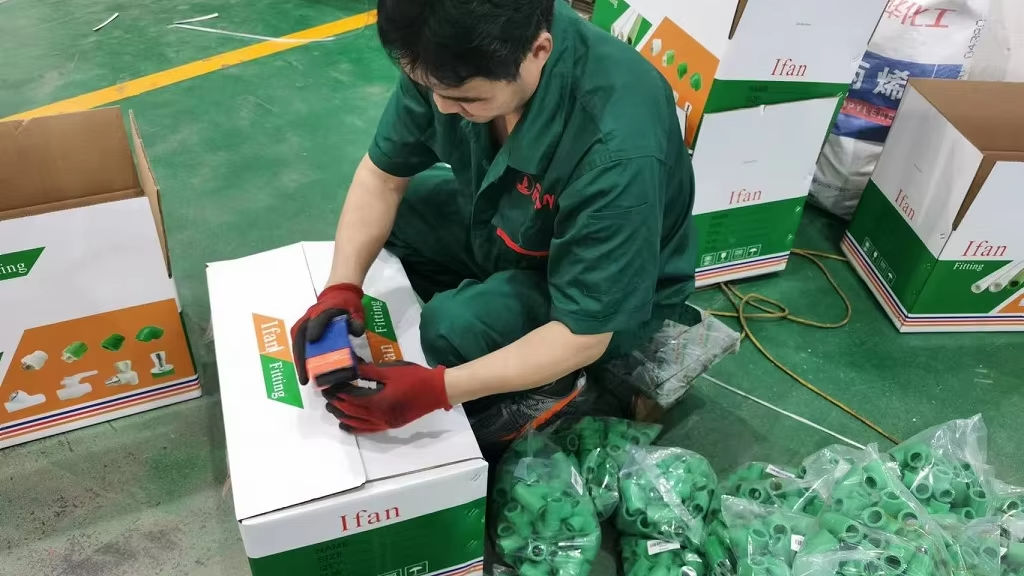
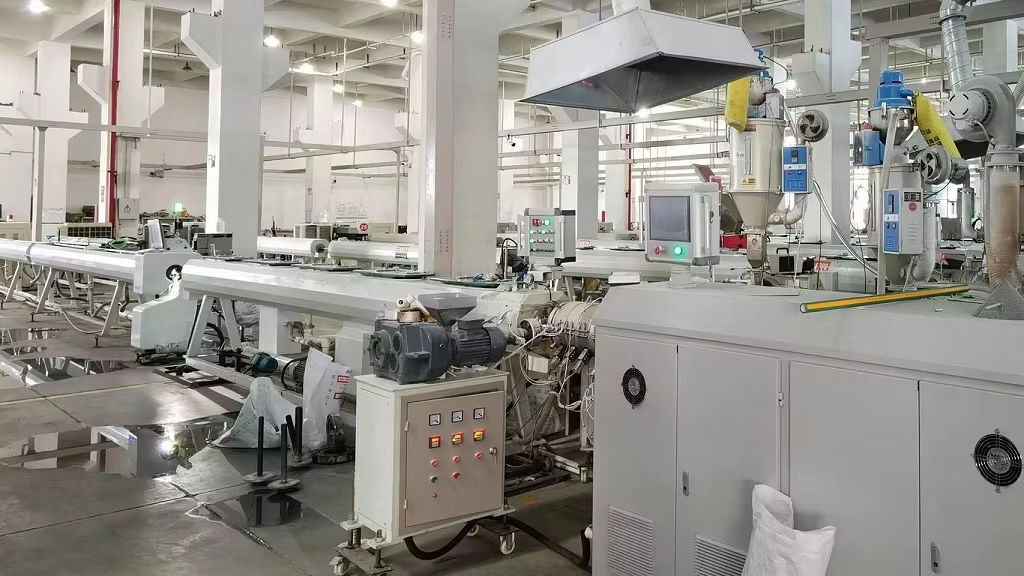
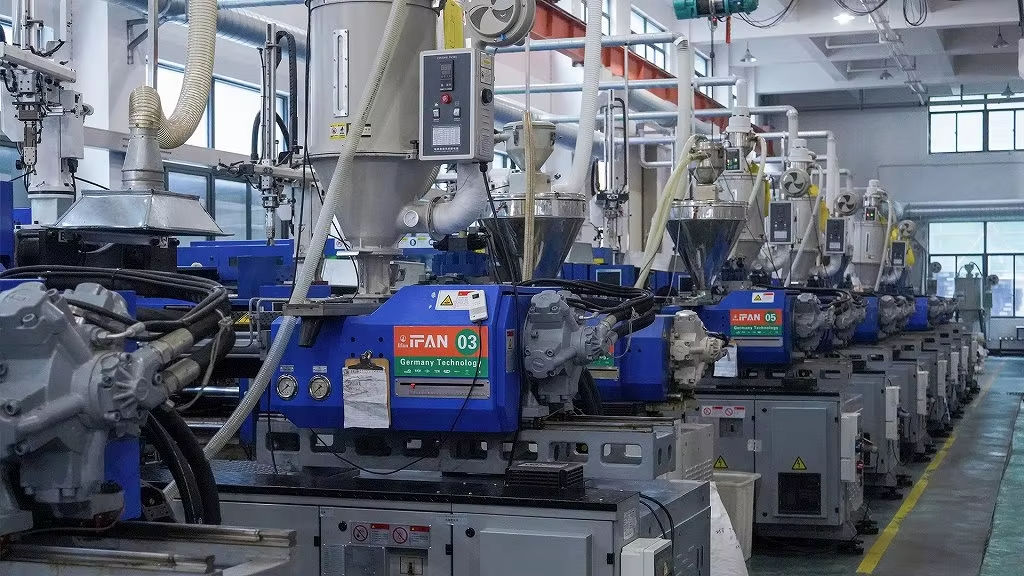
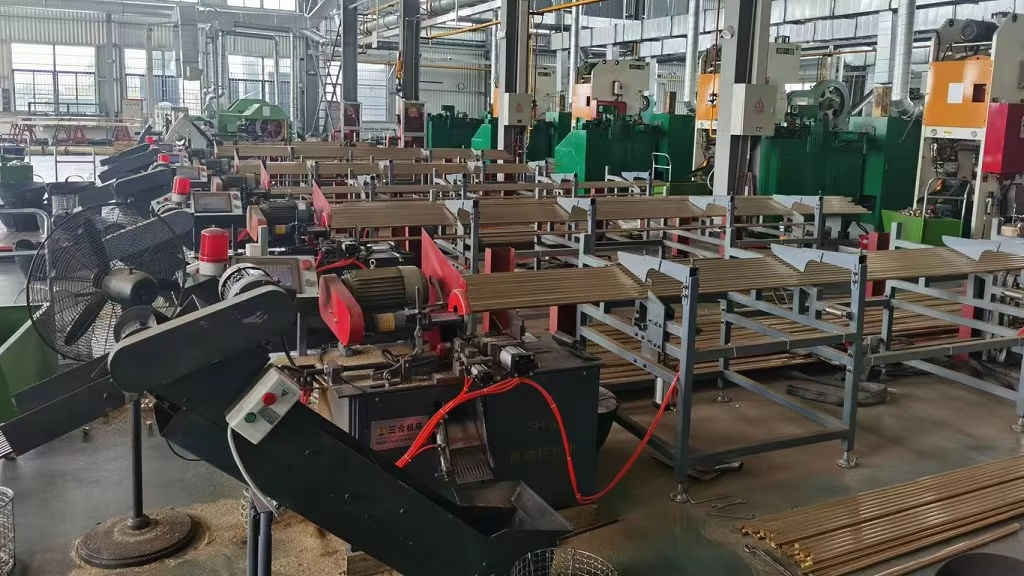
Uncompromising compliance at every stage of production. From raw material sourcing to precise CNC machining, we ensure zero defects.
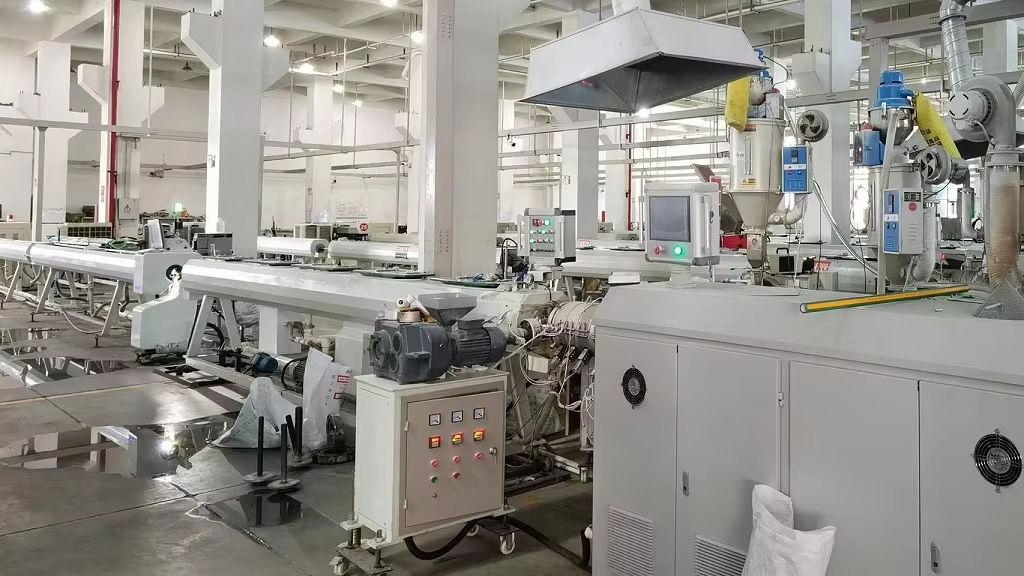
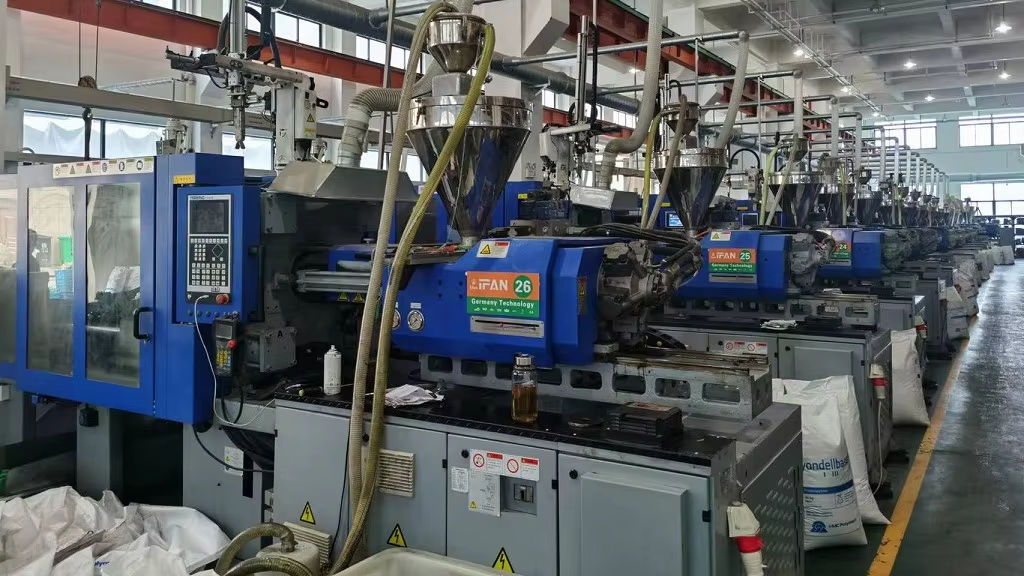
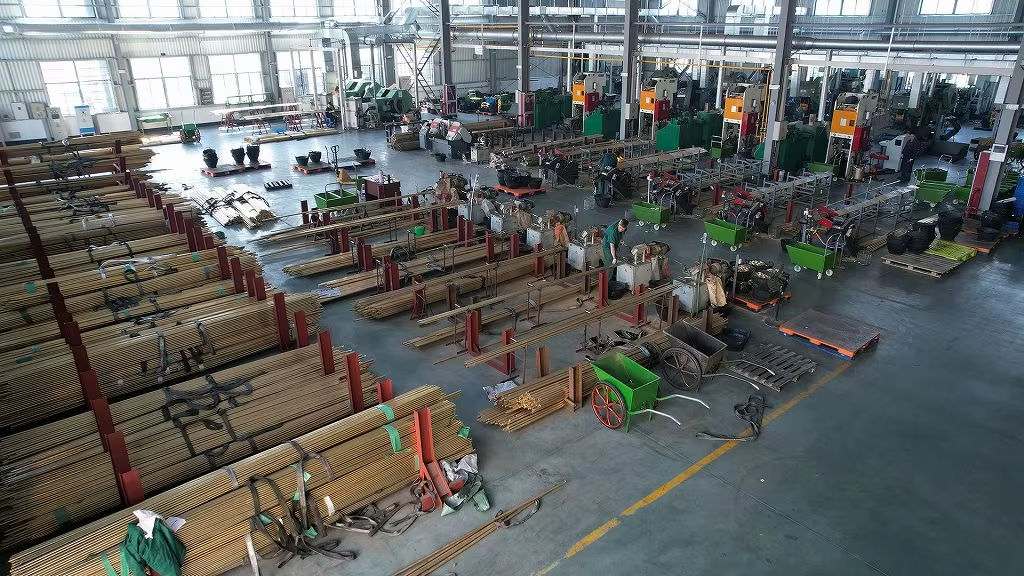
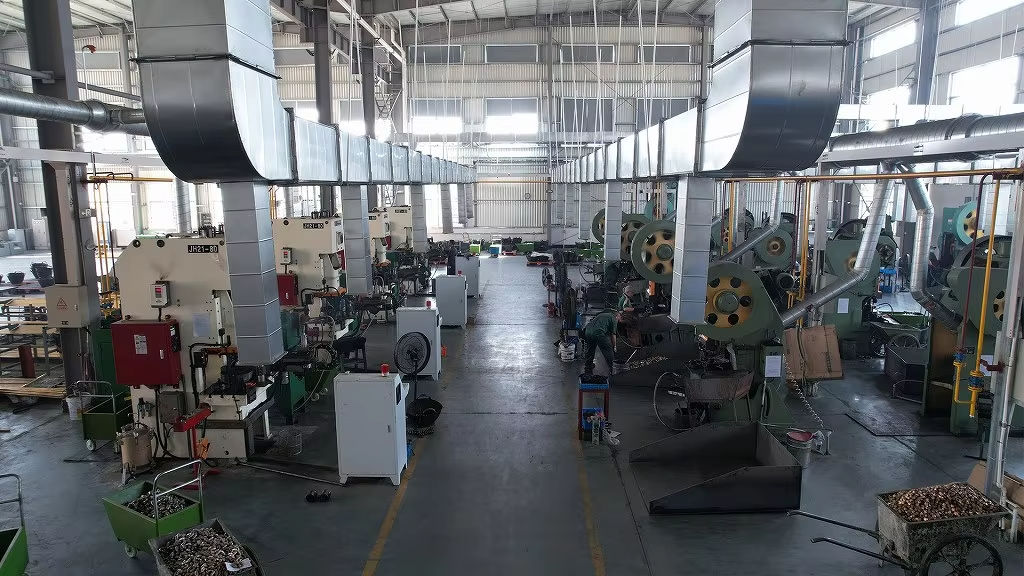
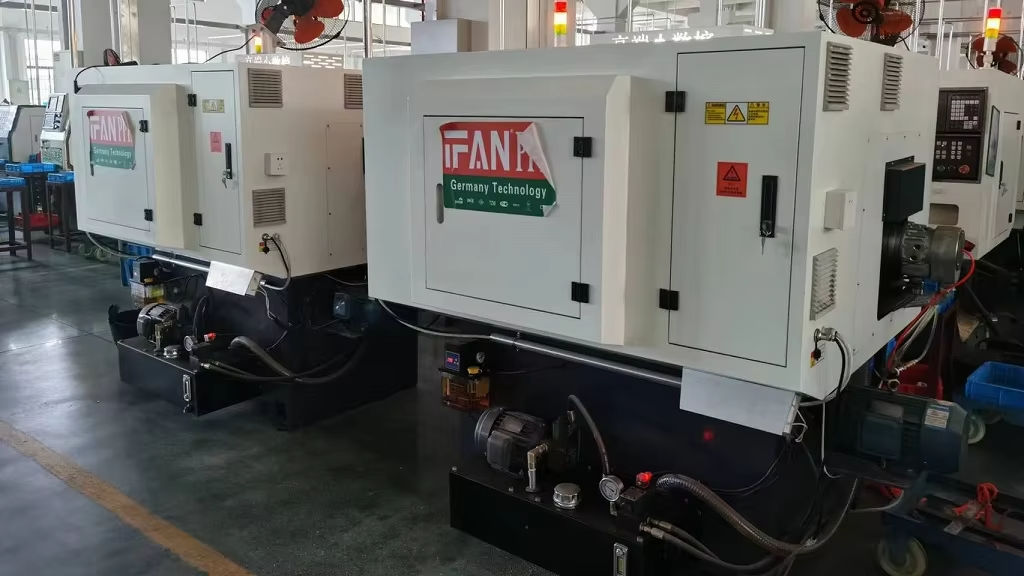
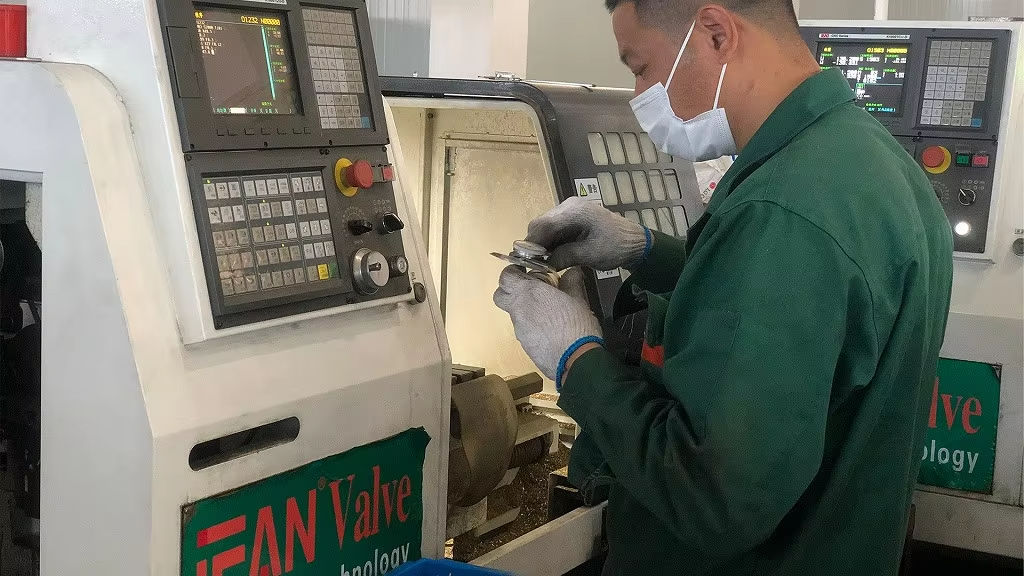
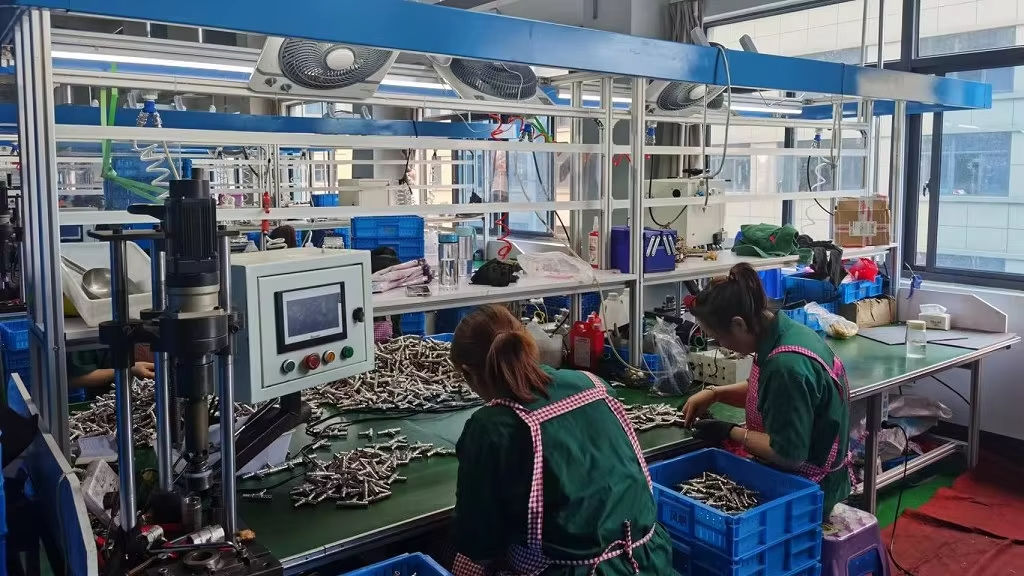
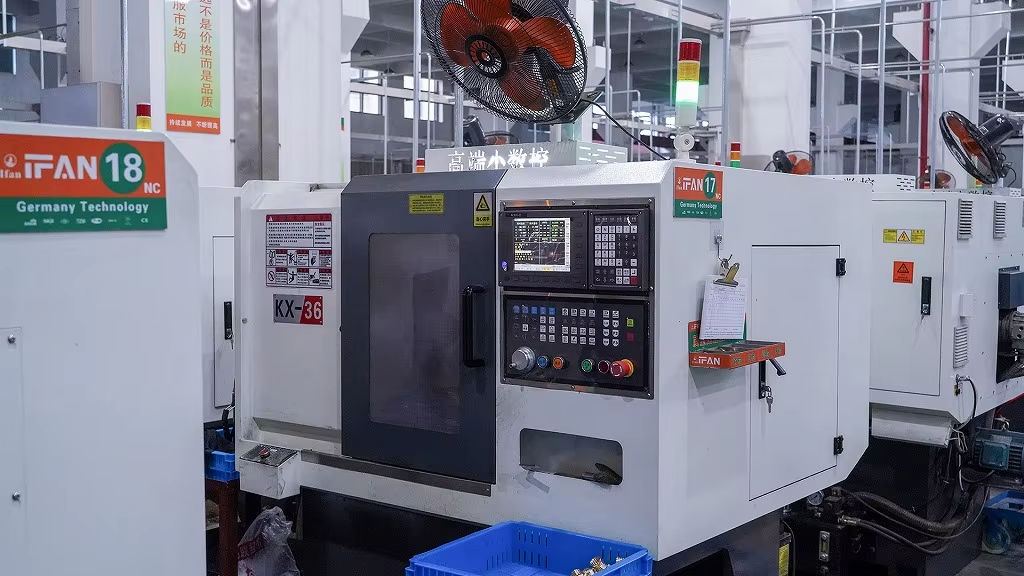
Bridging custom engineering with robust global safety standards to deliver high efficiency in demanding environments.
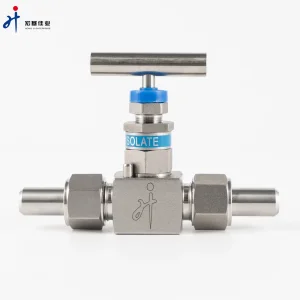
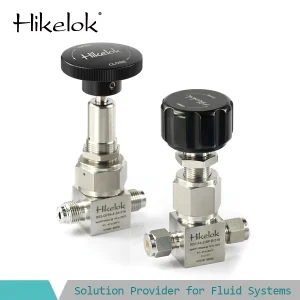
In petrochemical processing, pressure and media volatility require high-performance materials. Our stainless steel needle valves and API 6D control ball valves are engineered to withstand extreme differential pressures and resist corrosive hydrogen sulfide corrosion.
Liquefied Natural Gas (LNG) and industrial gas separation require cryogenic valves designed for performance under deep sub-zero conditions. Our WCB / SS316 cryogenic swing, check, and control valves prevent thermal contraction binding and ensure stable sealing down to -196°C.
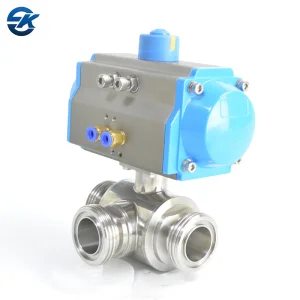
Maintaining absolute hygiene is crucial in food, beverage, and medical packaging industries. Our 3A standard sanitary stainless steel three-way ball valves utilize mirror-polished internals (Ra < 0.4μm) and cavity-filled PTFE seats to eliminate product contamination risks.
Operating in a global marketplace requires more than just high-quality manufacturing; it demands engineering expertise, international regulatory compliance, and a resilient supply chain. Zhejiang Maria Valve provides localized technical support and engineering services to translate operational challenges into durable solutions.
The next generation of regulating valves focuses on digital control integration. Zhejiang Maria Valve is investing in digital valve positioners and condition monitoring systems. By tracking diagnostic parameters such as friction, pneumatic pressure drops, and packing wear in real time, our smart valves enable predictive maintenance, minimizing unplanned downtime in critical process pipelines.
In-depth technical answers addressing common inquiries from process plant operators, procurement teams, and engineers.
Complete your instrumentation setup with our certified industrial safety, hydraulic, and process valves.
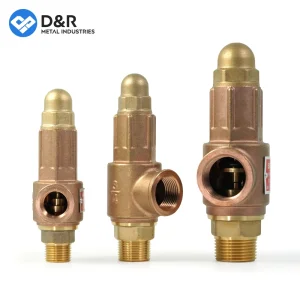
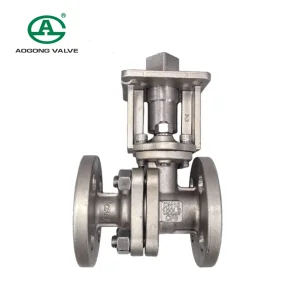
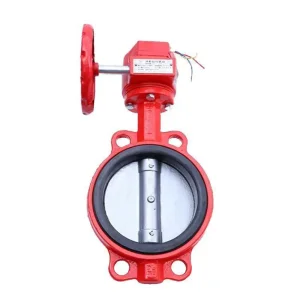
 Maria Valve