Maria Valve
1 / 5
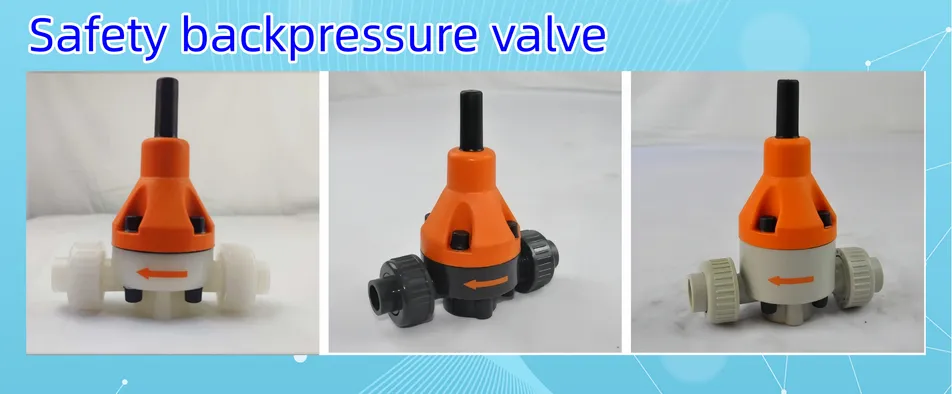
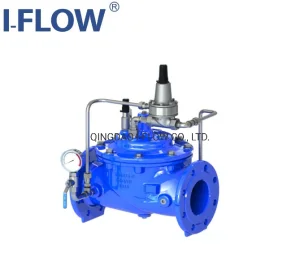
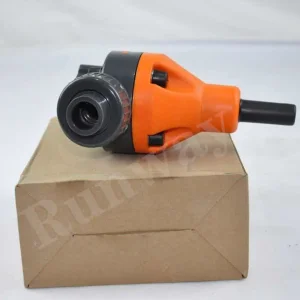
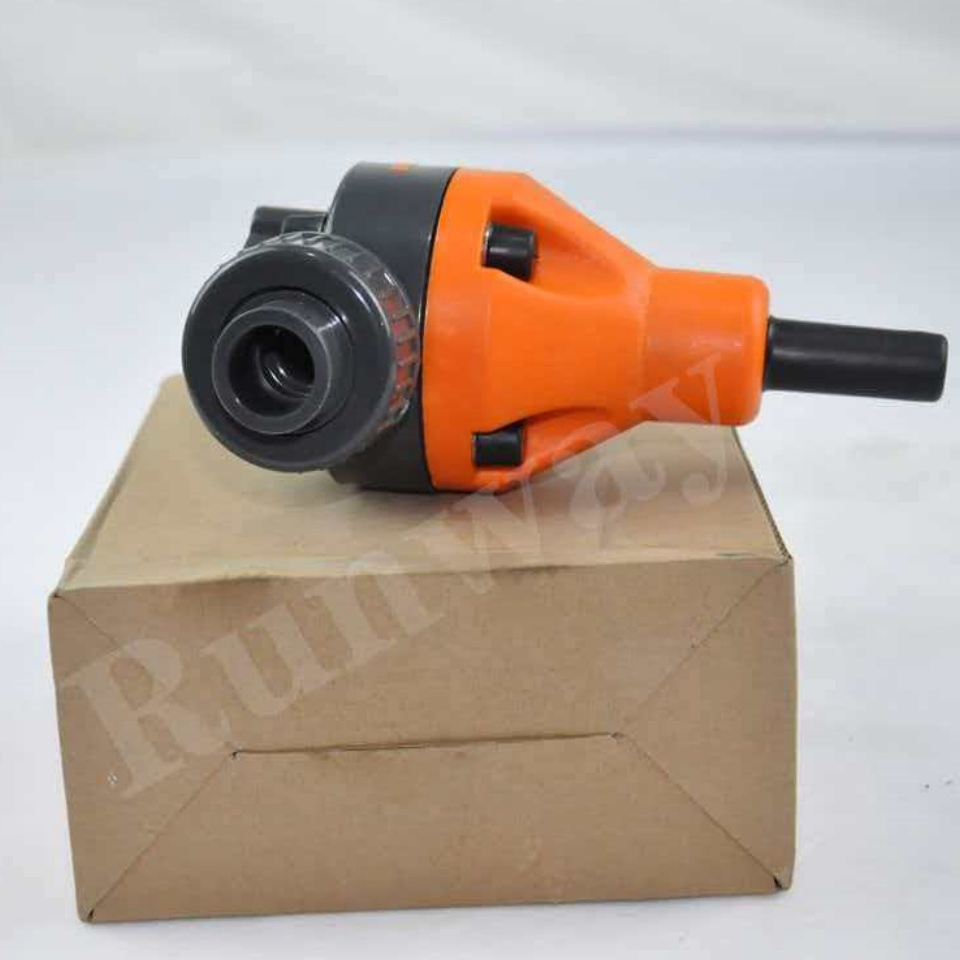
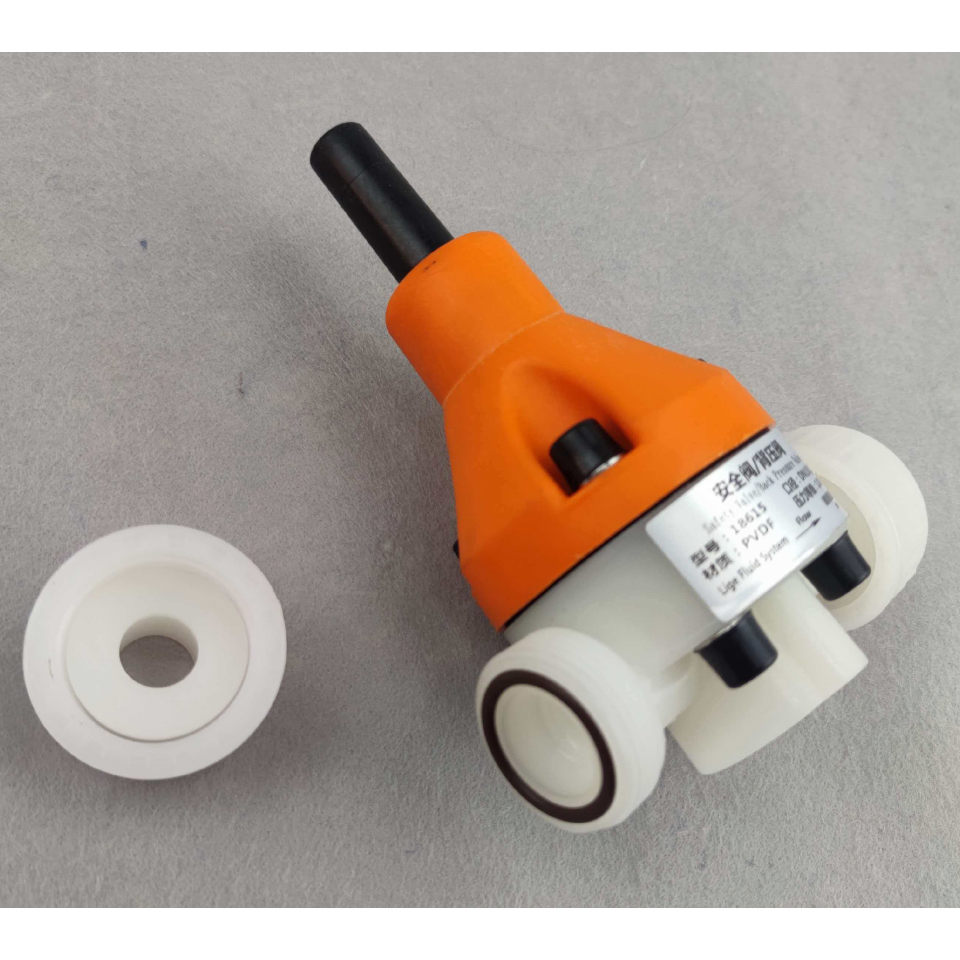
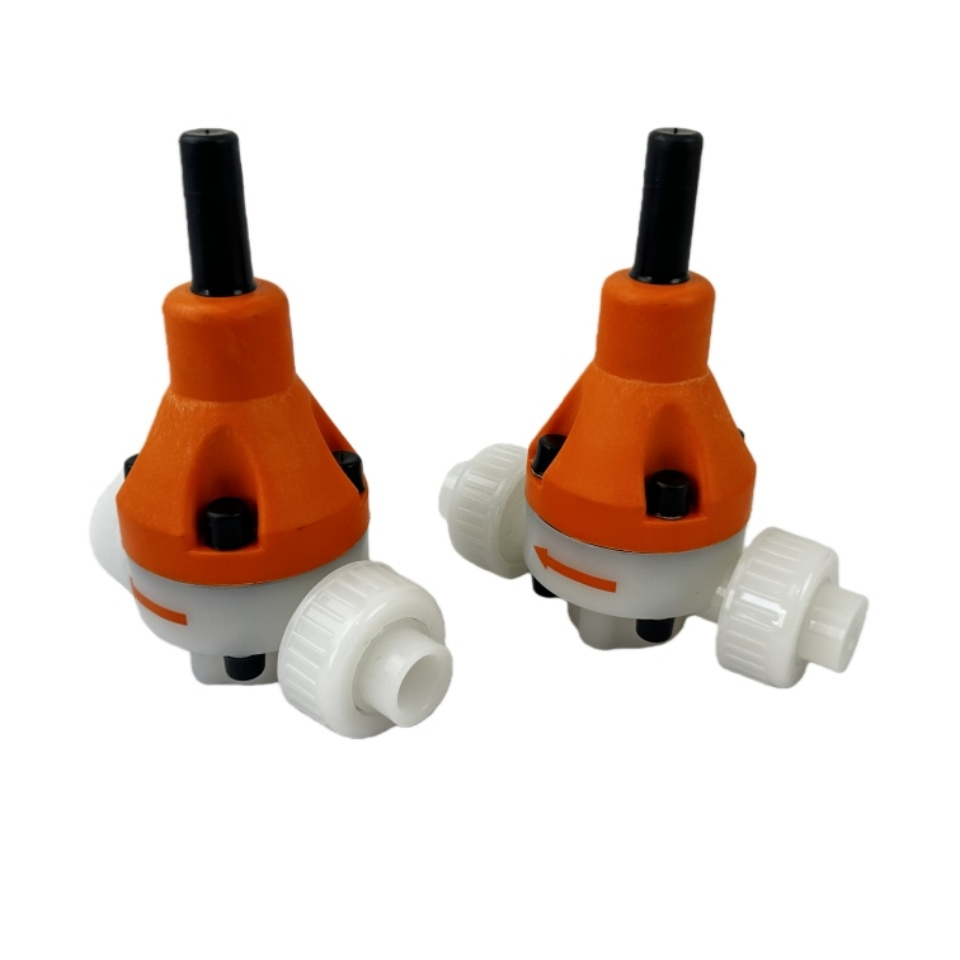
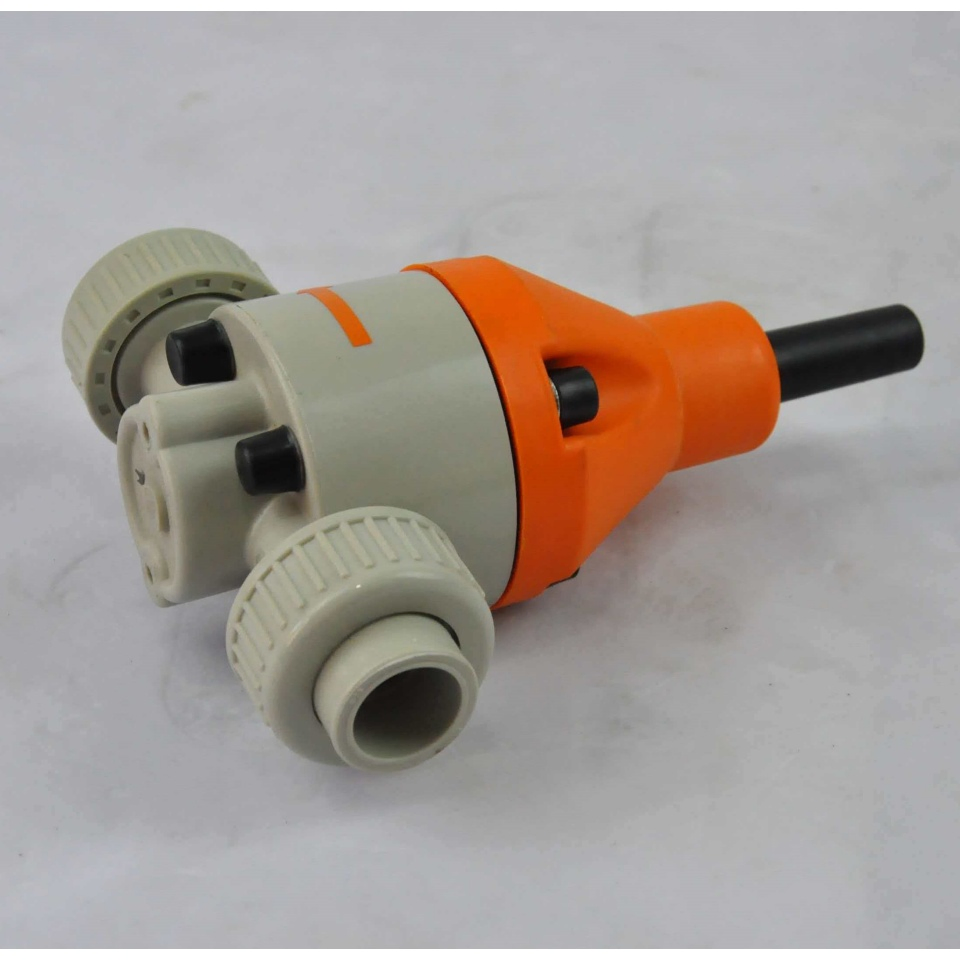
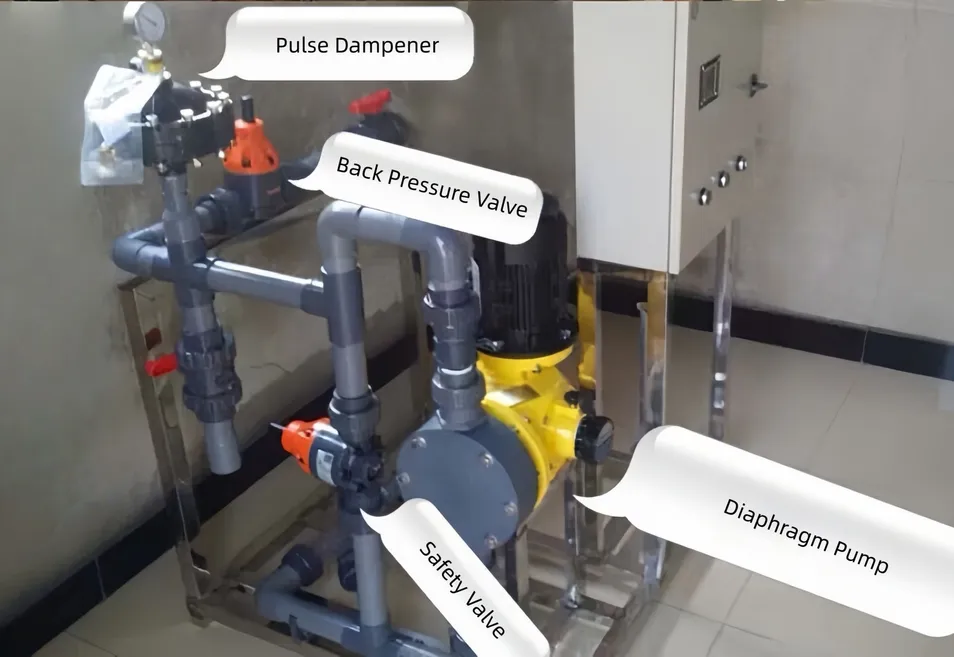
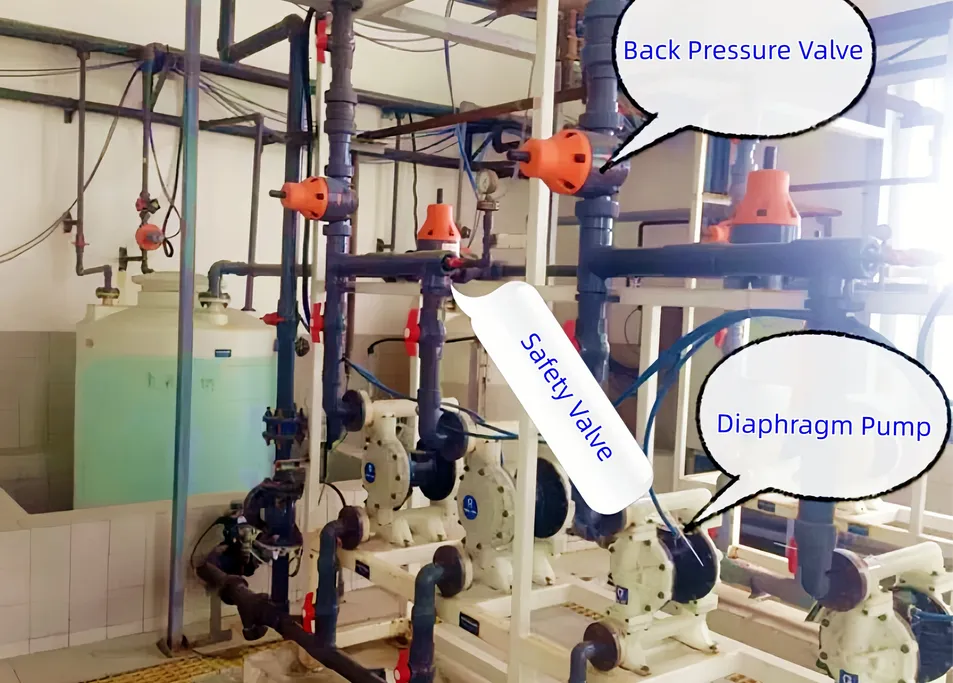
The diaphragm and valve core are compressed by an internal spring. When pressure exceeds the preset value, they lift, allowing discharge into the return pipe. Adjust pressure on-site within 0-1.0 MPa using the screw and pressure gauge. Relief pressure is set 0.1-0.2 MPa above system pressure.
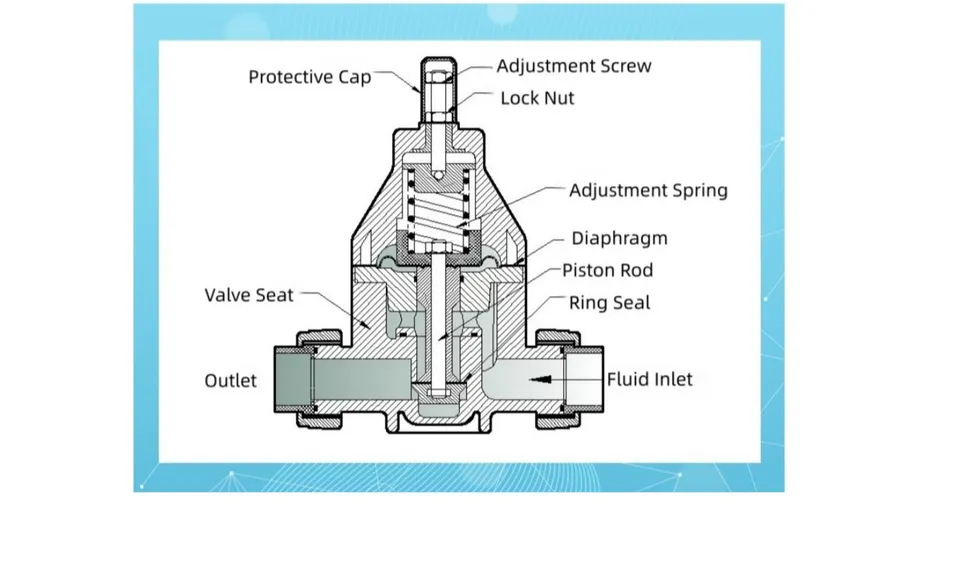
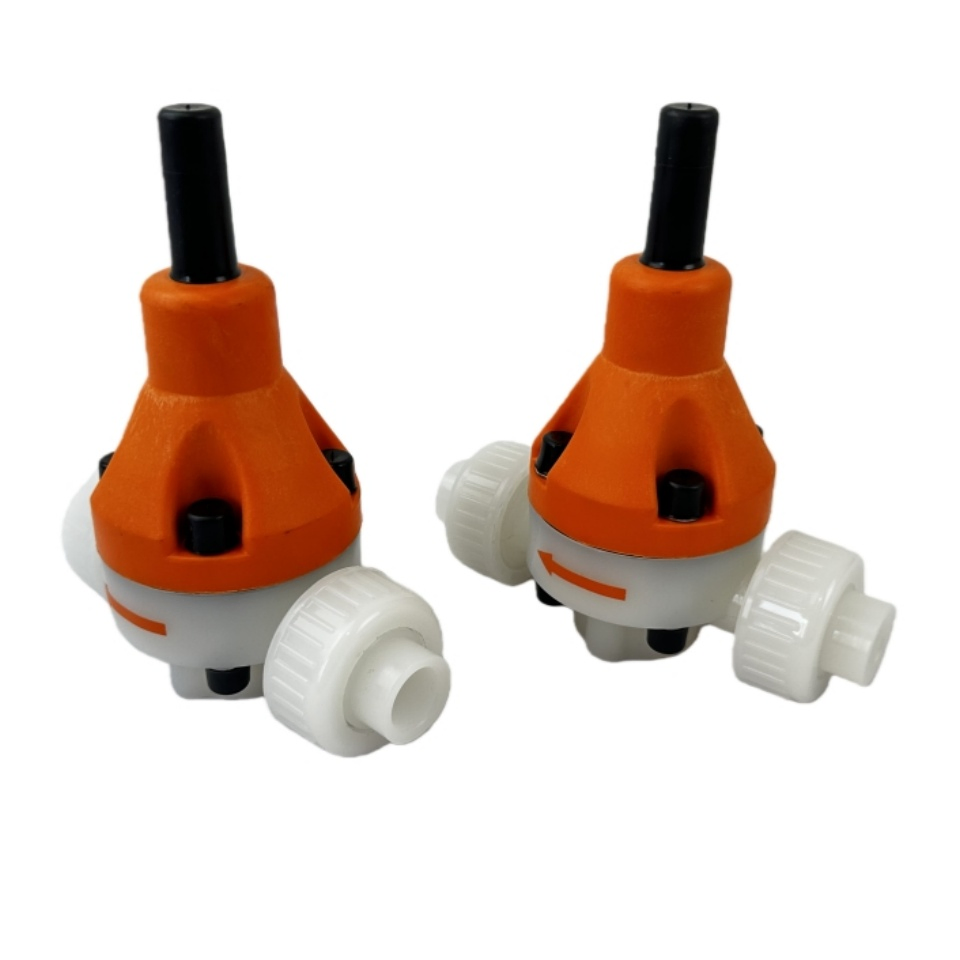
Installed on positive discharge lines to prevent siphoning and ensure dosing accuracy. Adjust backpressure on-site within 0-0.6 MPa. Benefits include:
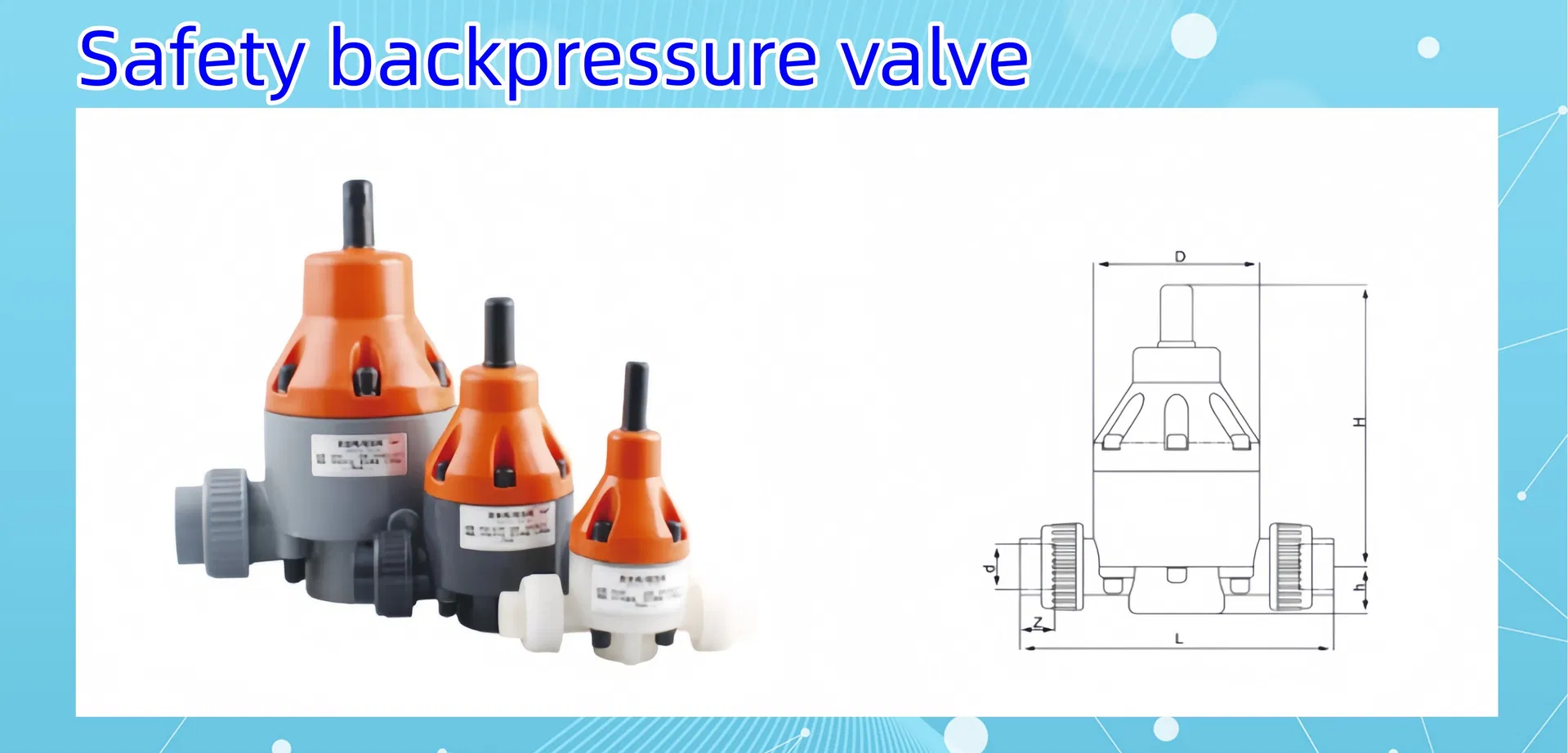
| Model | Size | L (mm) | H (mm) | D (mm) | d (mm) | z | h (mm) |
|---|---|---|---|---|---|---|---|
| 18615 | DN15 | 166 | 165 | 82 | 20 | 18 | 25 |
| 18620 | DN20 | 170 | 165 | 82 | 25 | 21 | 25 |
| 18625 | DN25 | 212 | 173 | 107 | 32 | 26 | 35 |
| 18632 | DN32 | 226 | 173 | 107 | 40 | 28 | 35 |
| 18640 | DN40 | 292 | 225 | 148 | 50 | 37 | 58 |
| 18650 | DN50 | 305 | 225 | 148 | 63 | 37 | 58 |
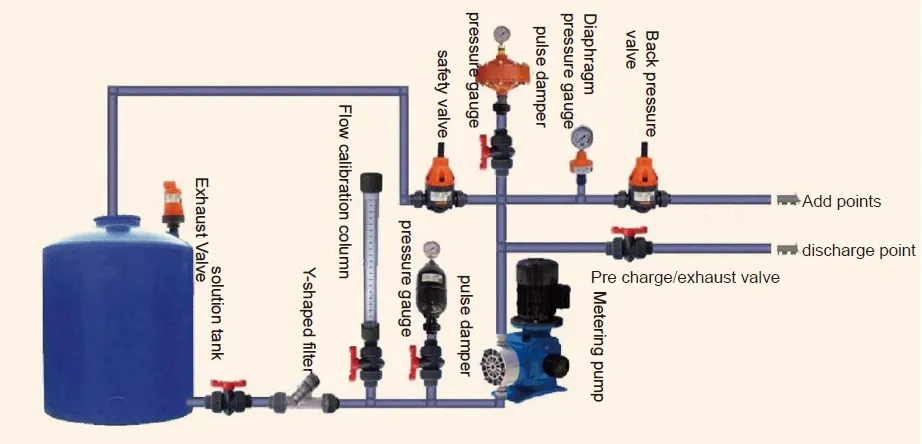
1. Never exceed the maximum working pressure of the metering pump.
2. Discharge end pressure should be at least 1 bar higher than suction end pressure when suction pressure exists.
Adjust within the rated range. Generally, set 1-2 bar higher than the back pressure valve to prevent overpressure operation.
Standard Warranty: 12 months or 2,000 operating hours.
Global Support: 24/7 technical assistance and spare parts supply.
Training: On-site or remote operation/maintenance training available.