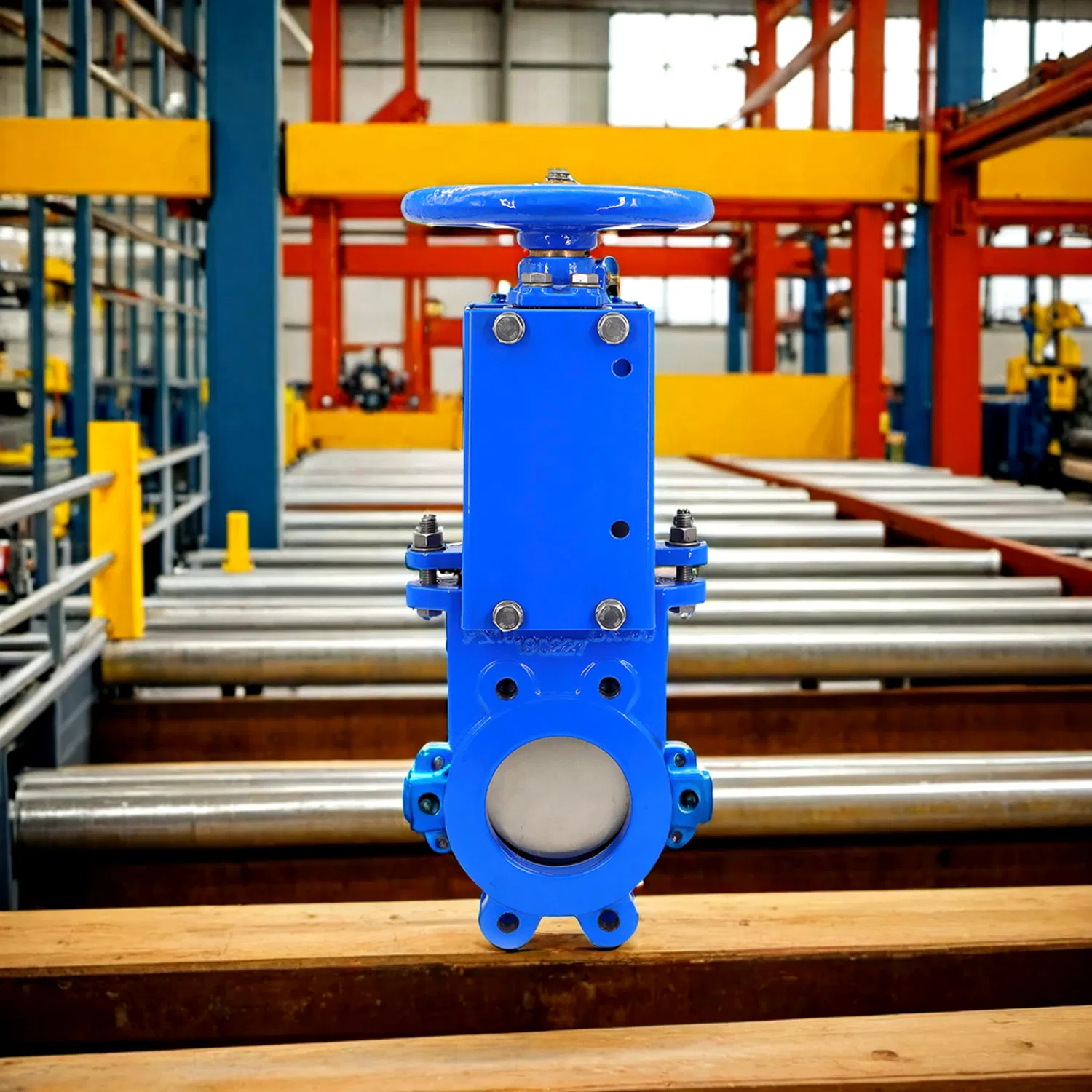
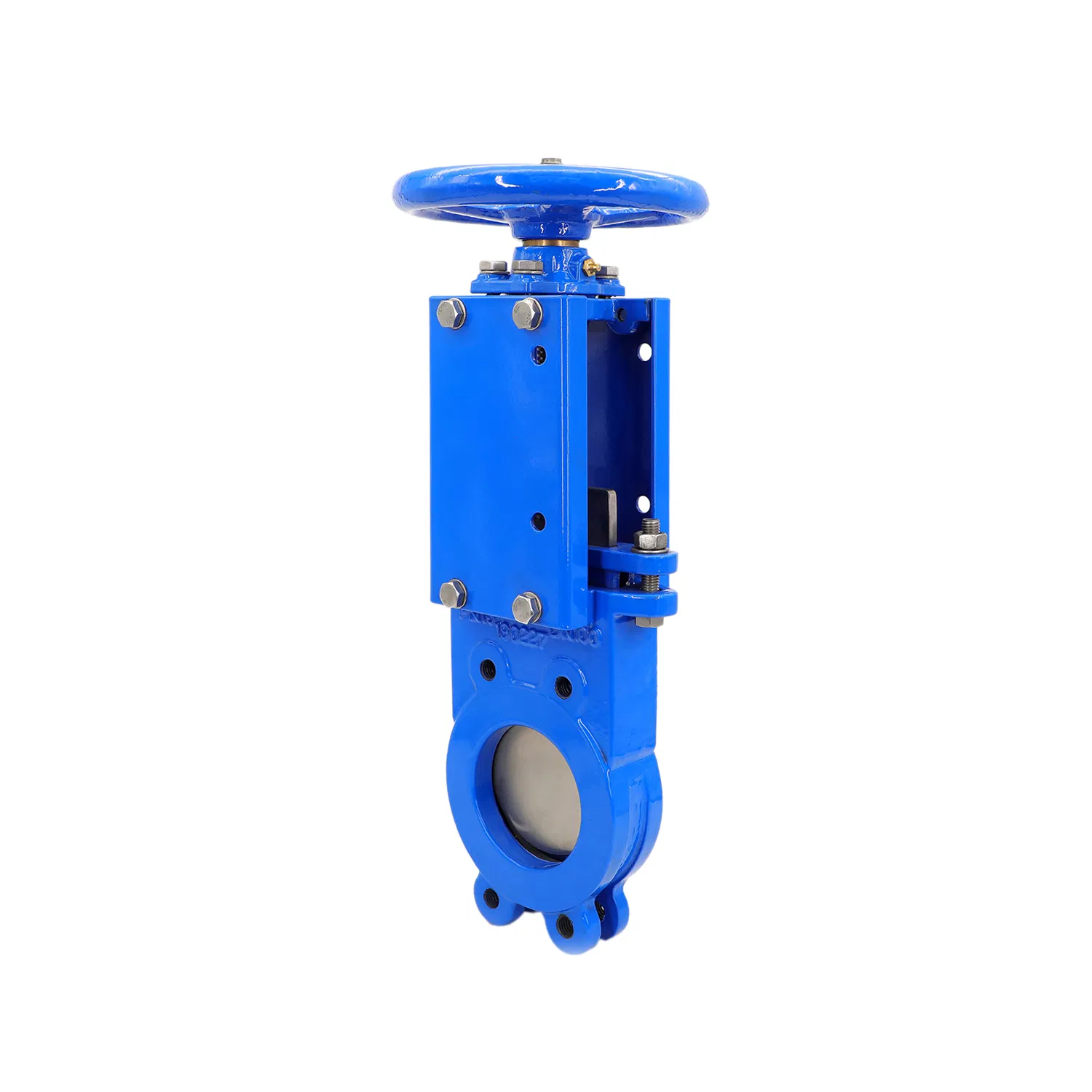
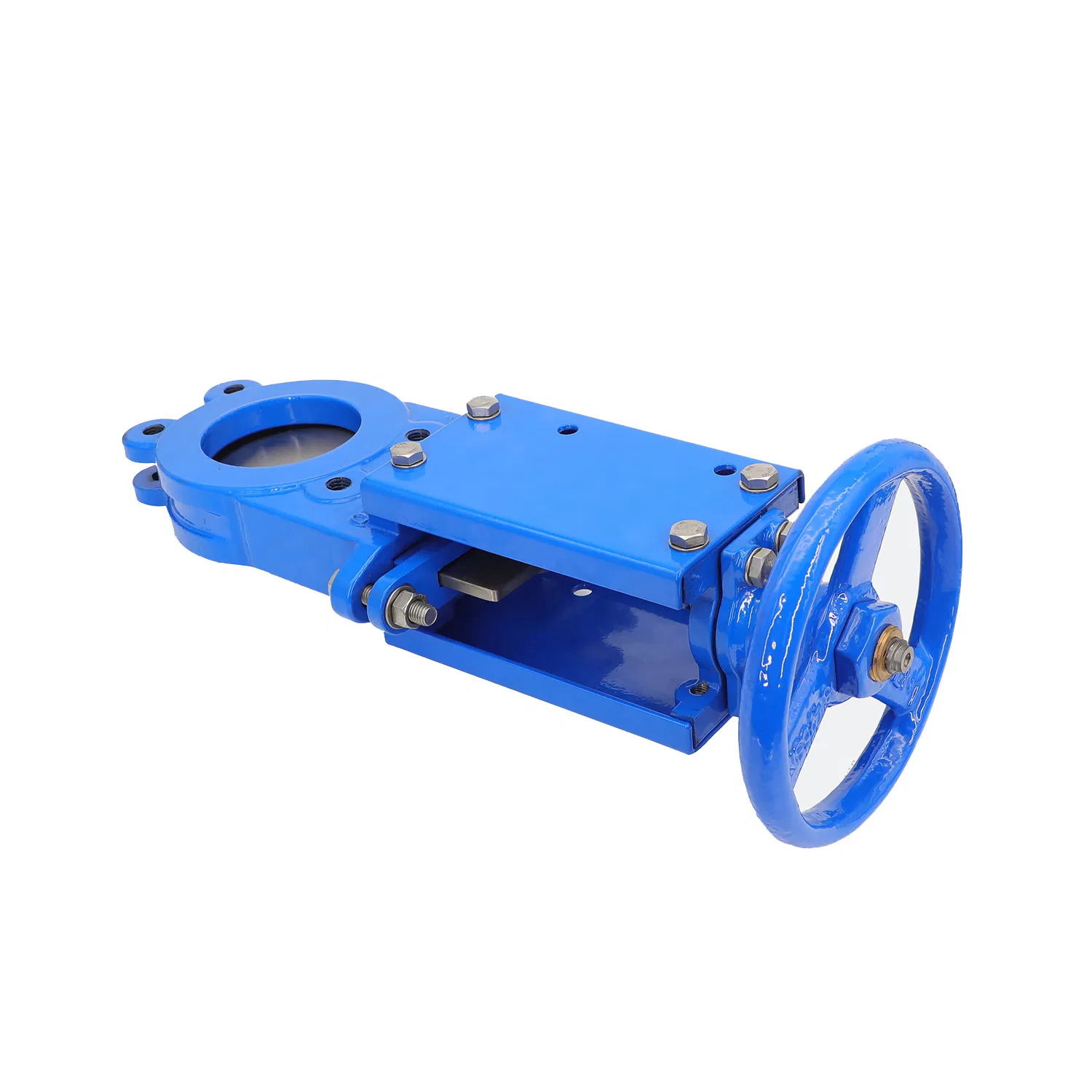
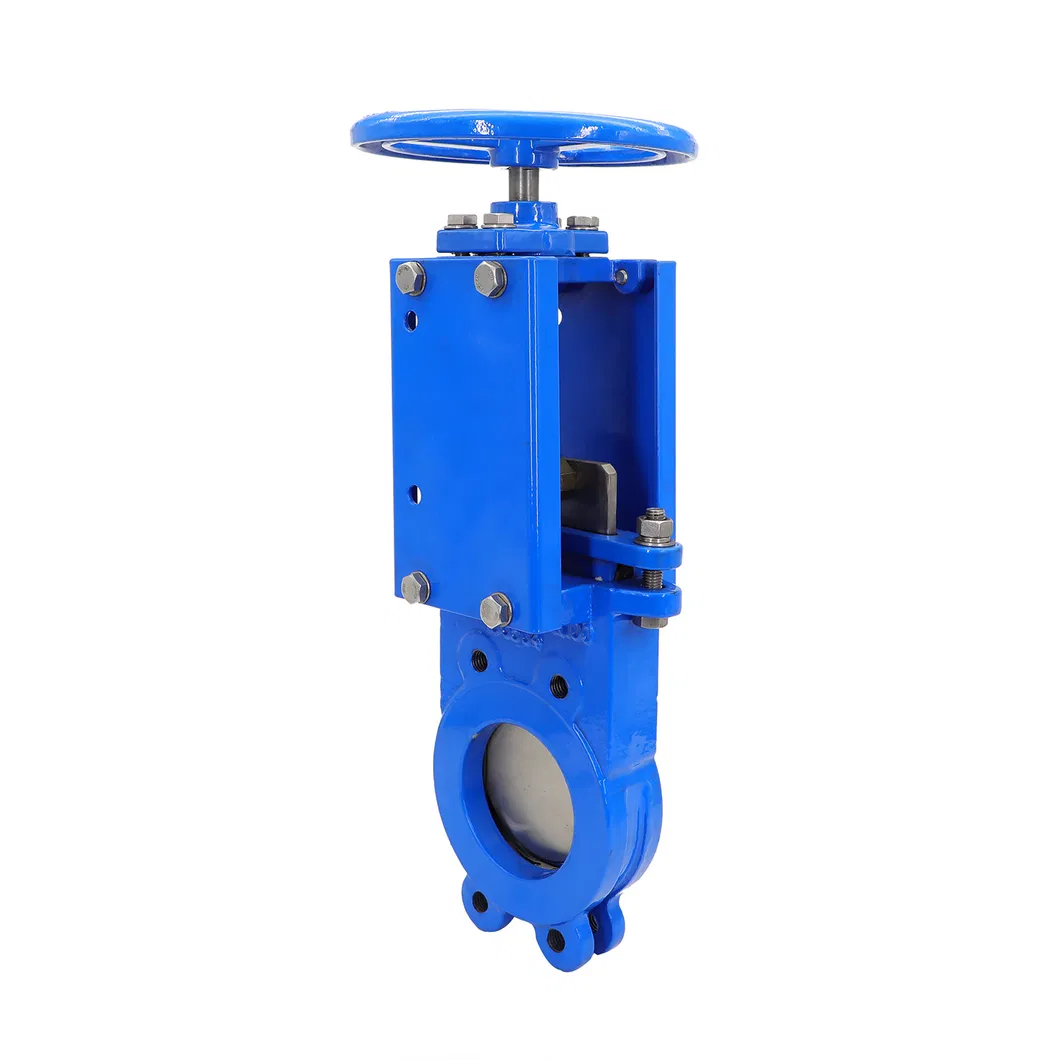
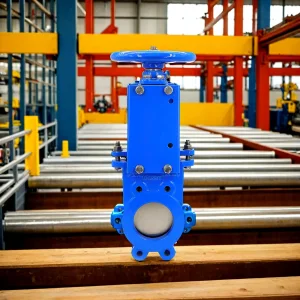
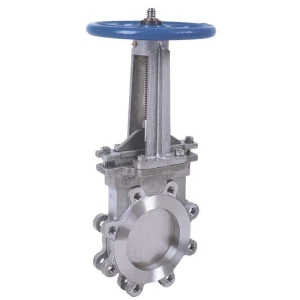
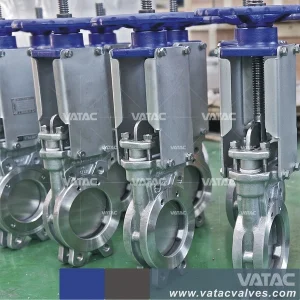
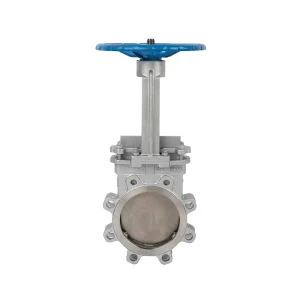
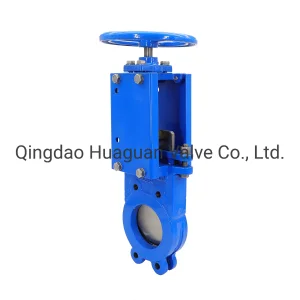
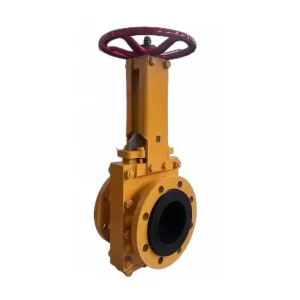
Industrial Heavy-Duty Knife Gate Valve for Liquid Control

Customization: Available
Media: Water
Temperature: -20 Degree to 100 Degree

Product Description

i

Basic Specifications

Model NO.
DN 200
Type
Straight-through
Material
Cast Iron
Connection Form
Flange
Pressure
Medium and Low Pressure
Actuator
Manual
Seal Surface
Wedge Gate Valve
Thread Position
Inside Gate Valve
Usage
Regulation, Safety, Flow Control
Standard
BS En 12266-1/Awwa C520
Application
Industrial & Water Industrial Usage
Certificate
UL/FM
Colour
Ral 5005
Face to Face
En 558 S20 Mss Sp-81
Flange Standard
En1092-2, BS10, T/E, T/D, Mss Sp-81
Origin
China
HS Code
848180
D

Product Description

Knife Gate Valve Overview

Standard Compliance:

Face To Face: EN 558 S20 MSS SP-81
Flange Standard: EN1092-2, BS10, T/E, T/D, MSS SP-81
Inspection & Testing: BS EN 12266-1 / AWWA C520
Working Temperature: -20ºC to 100ºC (-4°F to 212°F)
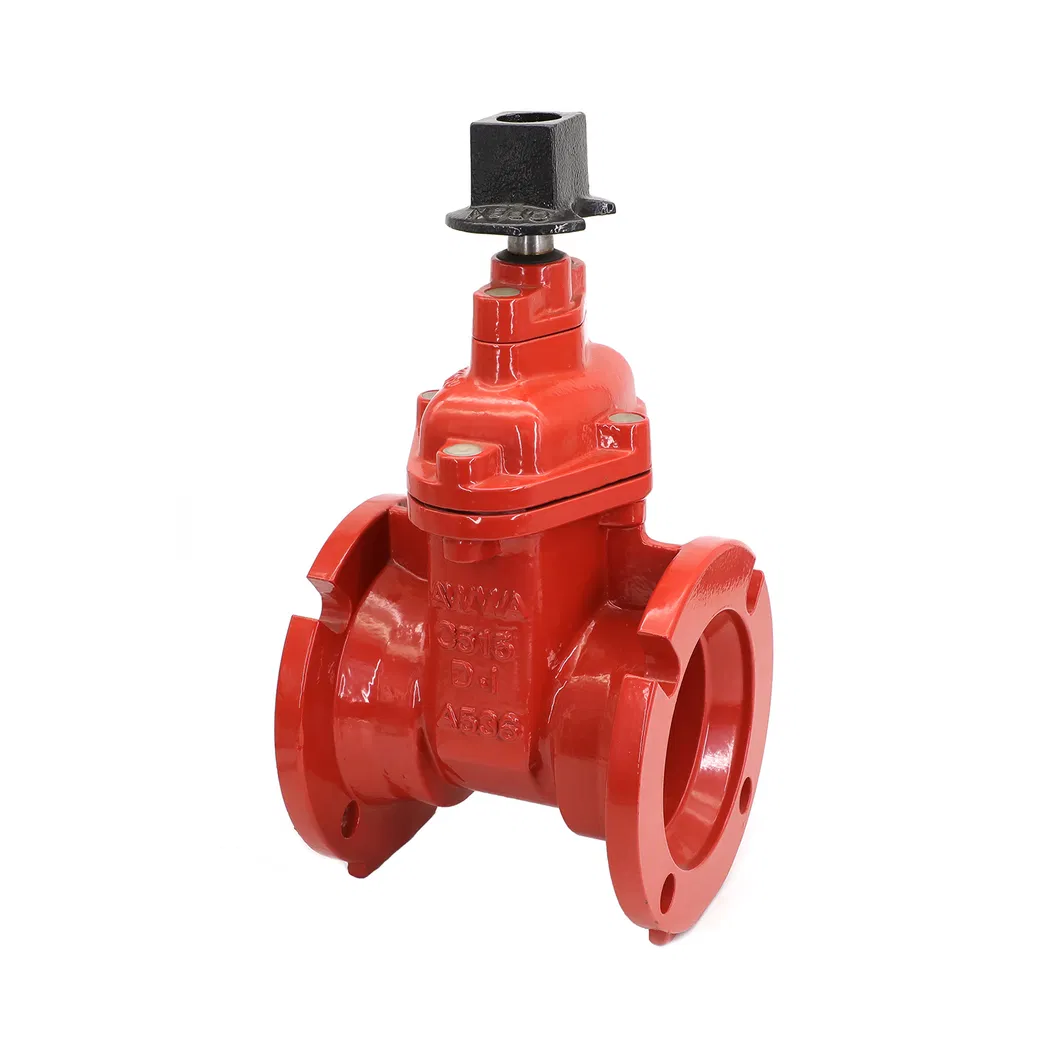
Valve View 1
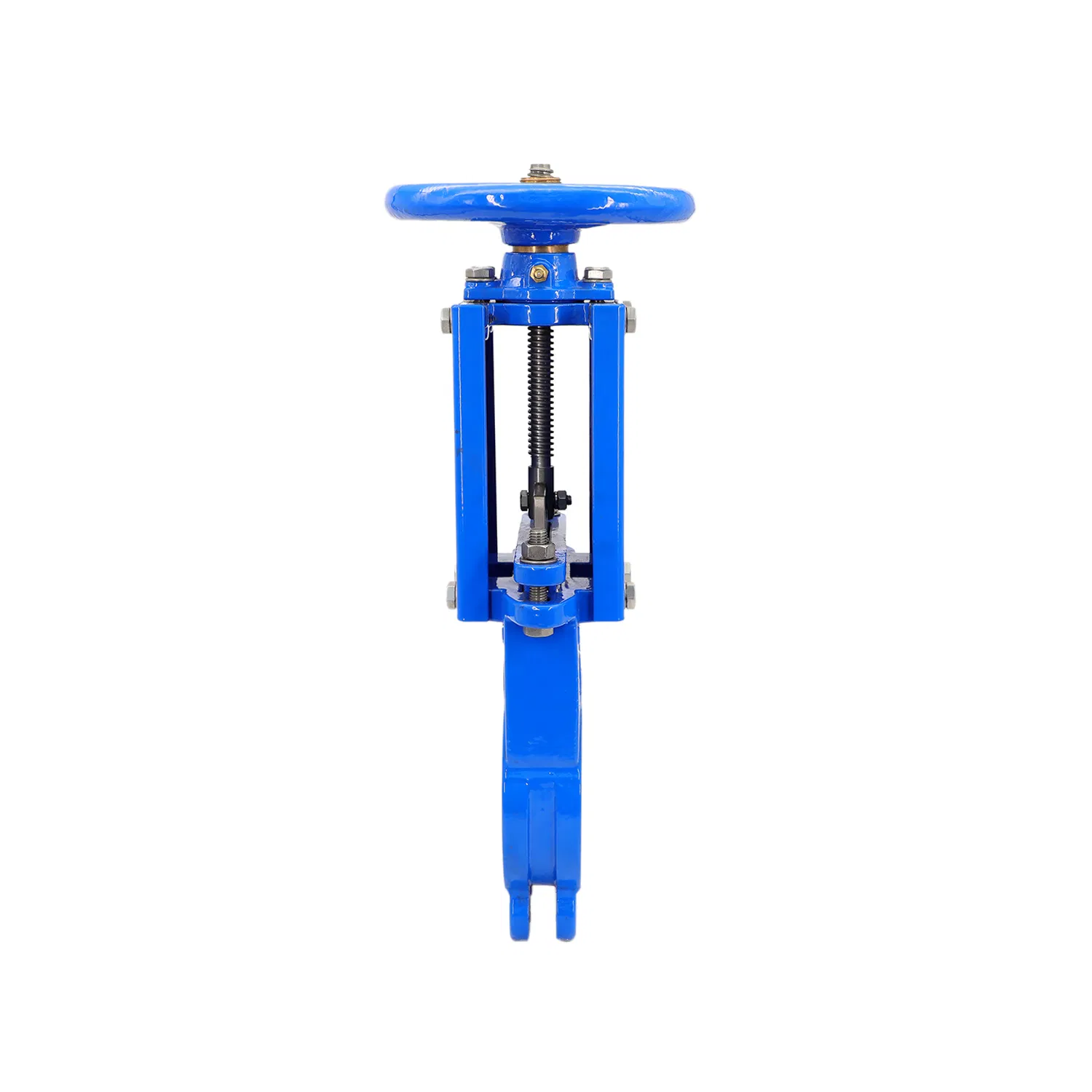
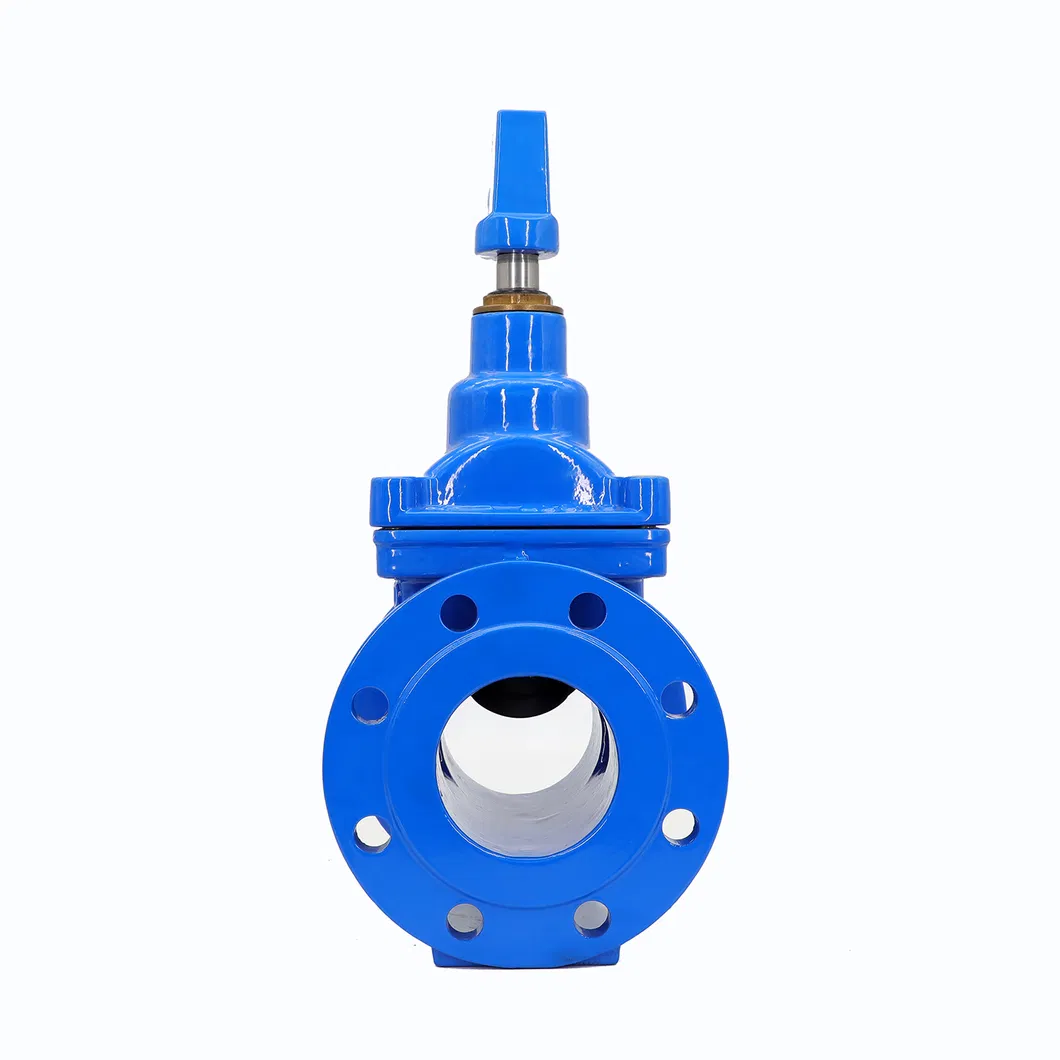
Valve View 2
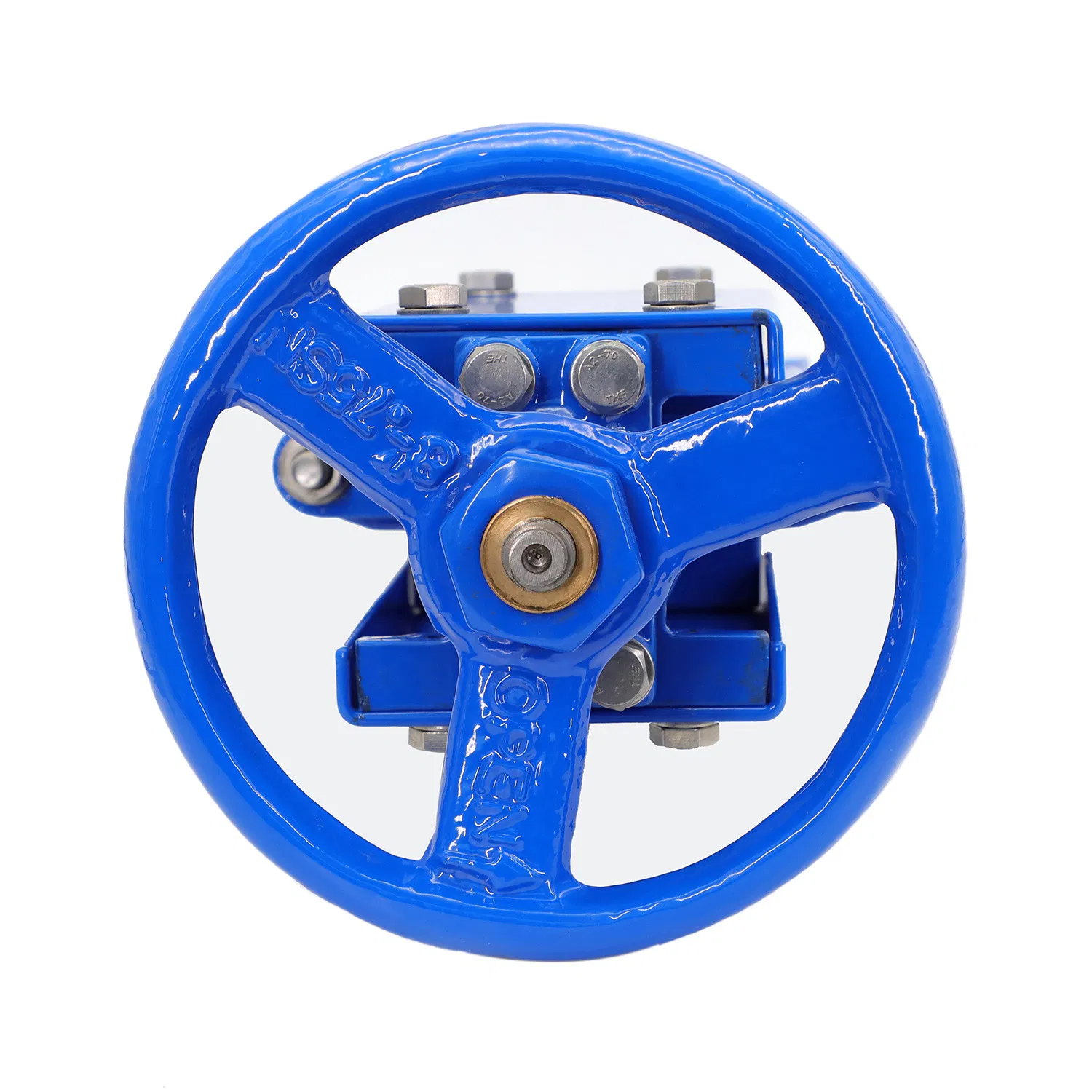
Valve View 3
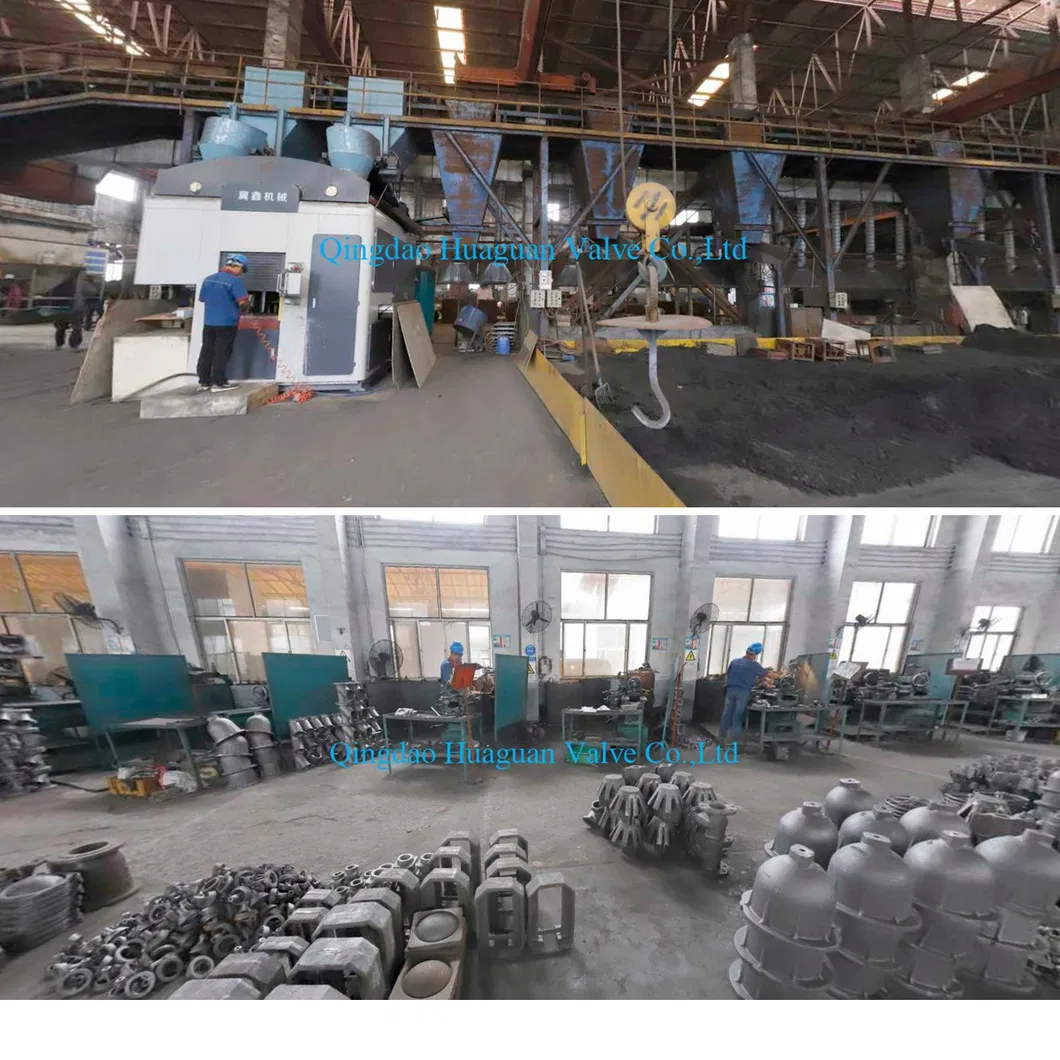
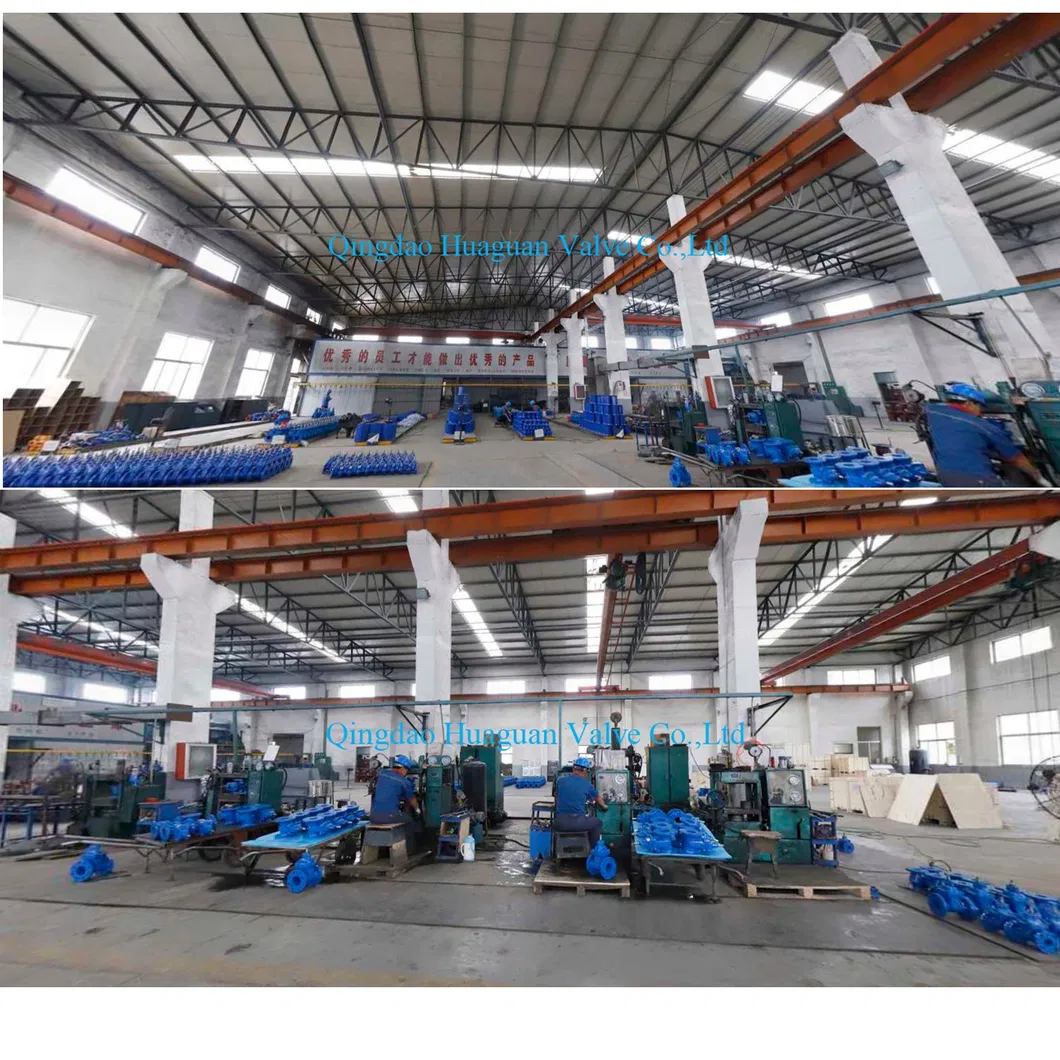
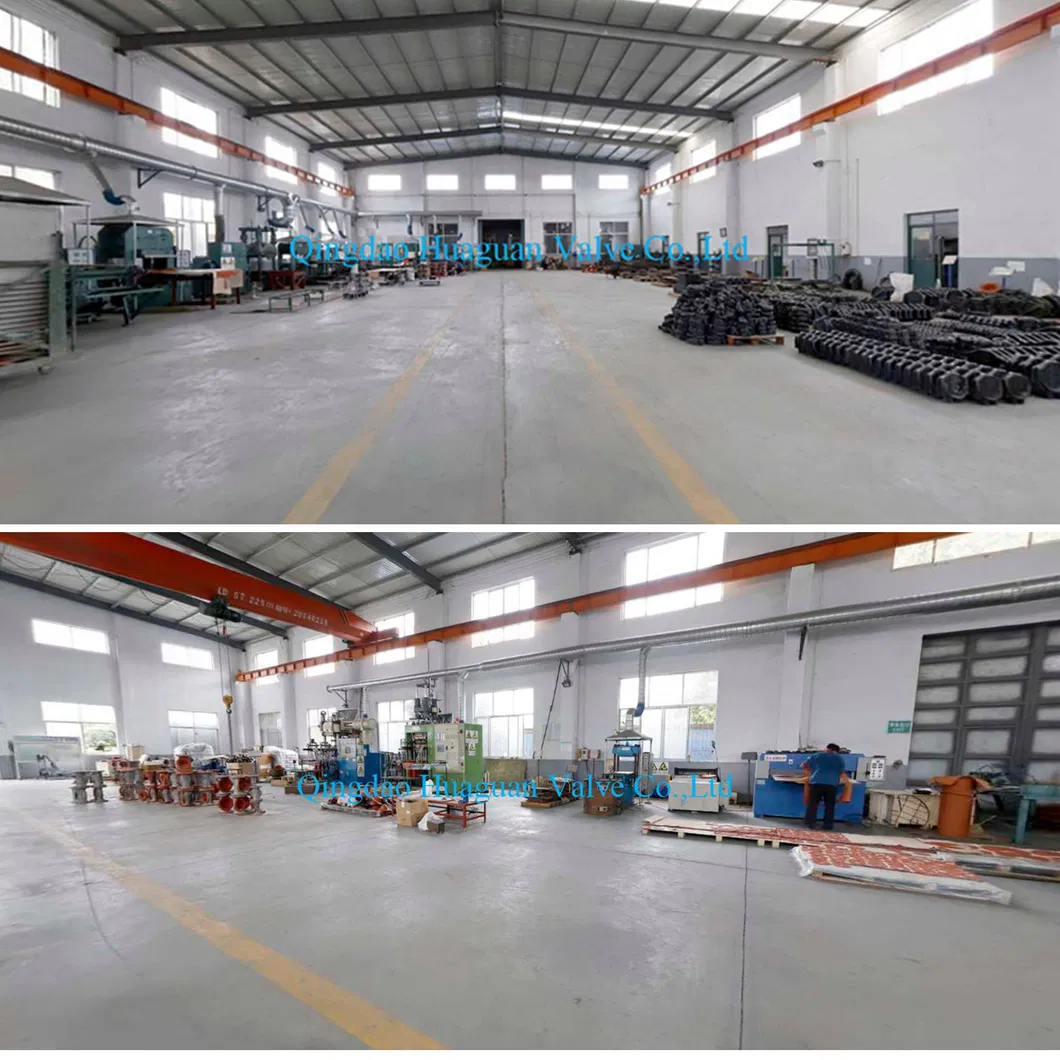
Production 1
Production 2
Production 3
NO. Part Name Material Selection
1U SeatEPDM
2BodyDuctile Iron
3KnifeSS316
4PackingPTFE
5BoltsStainless Steel
6Packing GlandDuctile Iron
7YokeSS420
8StemSS420
9Stem NutBrass
10HandwheelDuctile Iron
M

Operation & Maintenance Manual

The Face to Face conforms to EN558 or ANSI B16.10. Check standards during installation.
Suitable for both horizontal or vertical pipelines.
Ensure installation position allows for easy maintenance and replacement.
Two-way use is allowed (fluid direction independent).
Store in a dry indoor place with the wedge in the open position before installation.
Clean internal surfaces and check transmission device firmness before setup.
Regularly inspect seals (body, bonnet, stem, and wedge) and rotation flexibility.
Technical Drawing
Dimension Chart
T

Troubleshooting Guide

Possible Faults Reasons Solutions
Wedge sealing surface leaksRubber damage on wedgeReplace the wedge
Leak between stem and glandO-ring damage in glandReplace O-ring
Leak between bonnet and glandO-ring damage or loose boltReplace O-ring or tighten bolt
Leak between bonnet and bodyO-ring damage in bonnetReplace O-ring
Q

Casting Inspection Specifications

Surface must be clear with no wrong or missing characters.
No sand holes or pores exceeding 1MM. Putty repair allowed only for non-sealing areas < 2MM.
Flash, burrs, and box seams must be polished smooth.
Asymmetry between inner cavity and outer shape shall not exceed 1.5MM.
Surface roughness: ≤N11~12.
Cleanliness evaluated according to ISO8501-Sa2.5.
Inspection 1
Inspection 2
Inspection 3
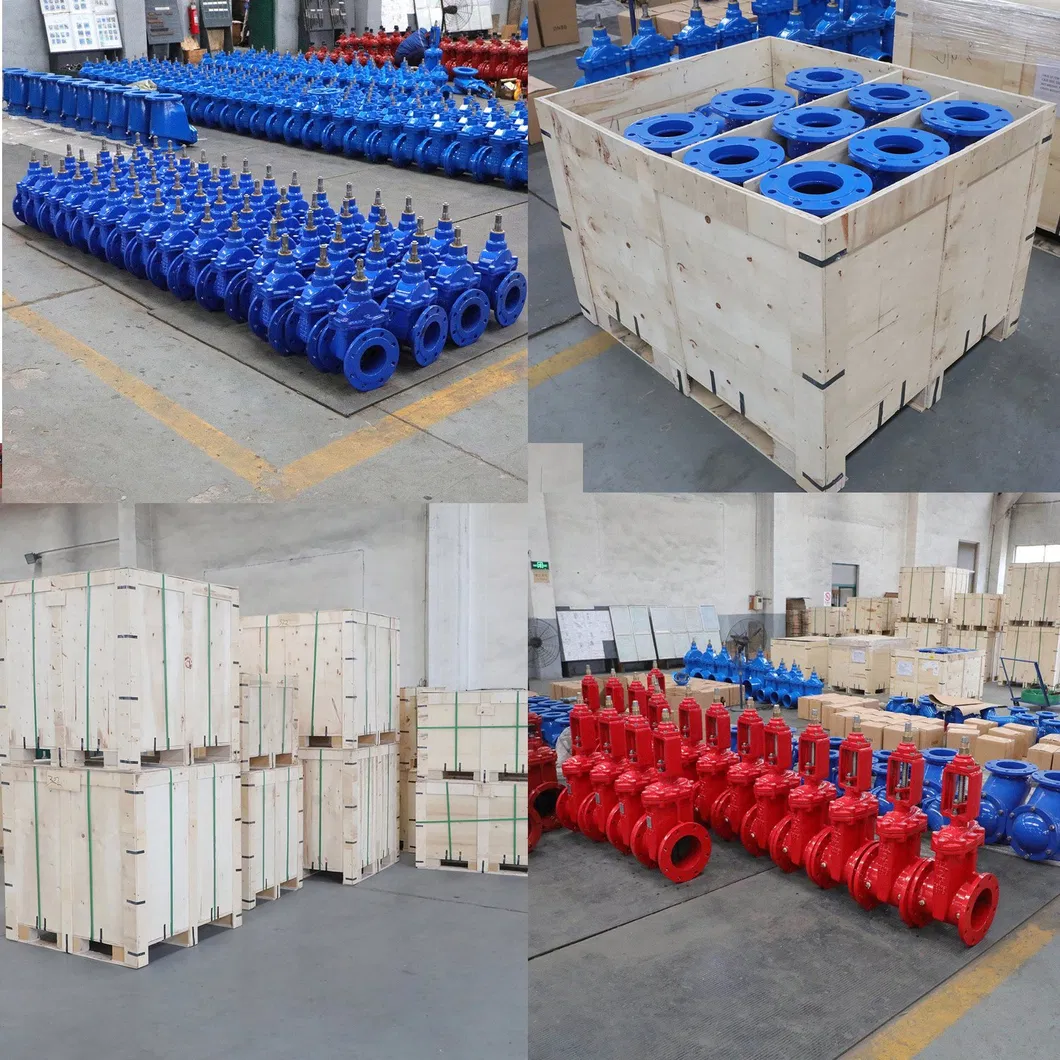
Stock 1
Stock 2
Stock 3
?

Frequently Asked Questions

What are the primary materials used in this knife gate valve?
The valve body is made of Ductile Iron or Cast Iron, the knife is SS316, and the seat is made of EPDM for reliable sealing.
What is the working temperature range for this valve?
It is designed to operate efficiently within a temperature range of -20ºC to 100ºC (-4°F to 212°F).
Can this valve handle two-way flow?
Yes, two-way use is allowed, meaning the direction of the pipeline fluid can be ignored during installation.
What certifications does this product hold?
This valve is UL/FM certified, ensuring it meets international safety and quality standards for industrial usage.
How should the valve be stored before installation?
It should be stored in a dry indoor place, and the wedge should be kept in the open position to protect the sealing surfaces.
What should I do if the wedge sealing surface begins to leak?
Typically, this is caused by damage to the rubber wedge. The recommended solution is to replace the wedge with a new one.

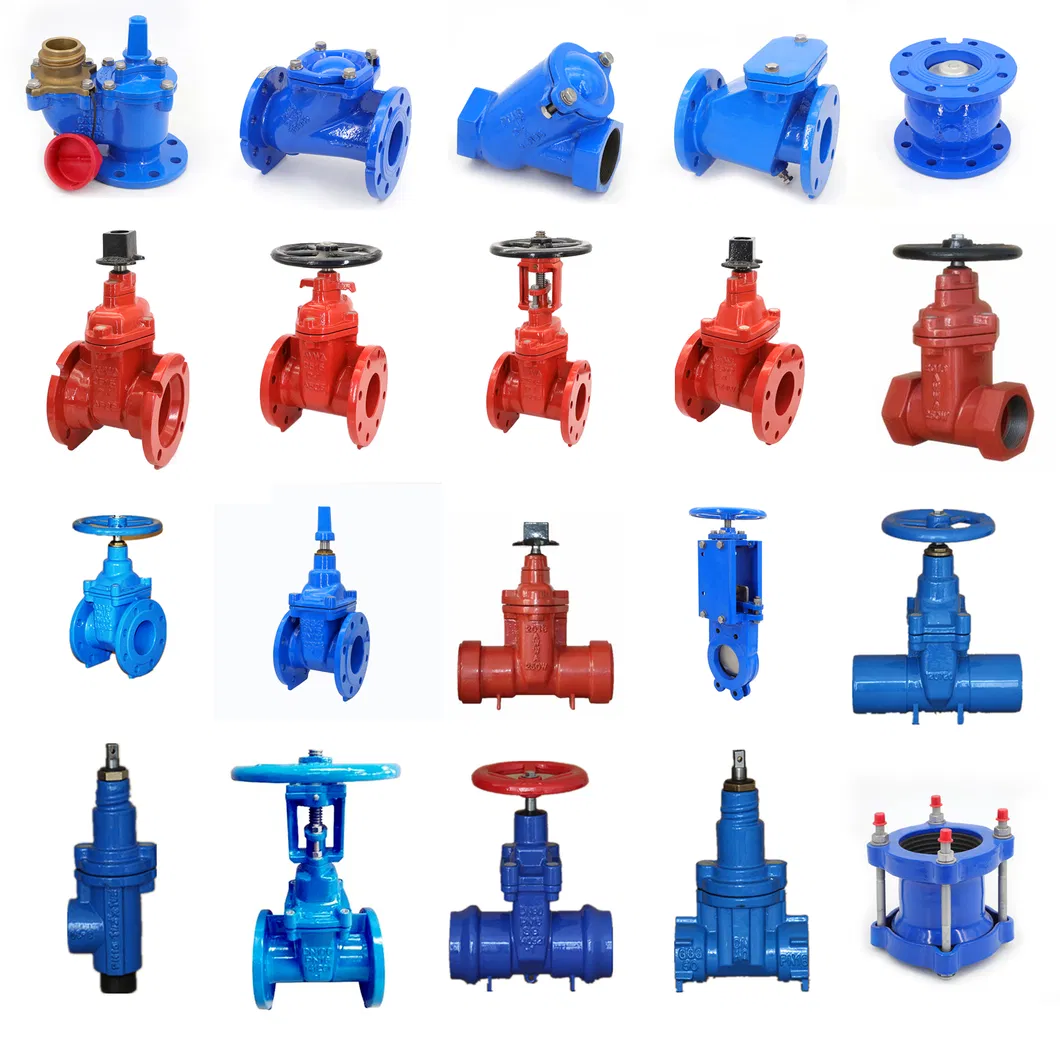
Related Products