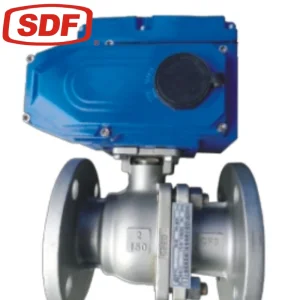
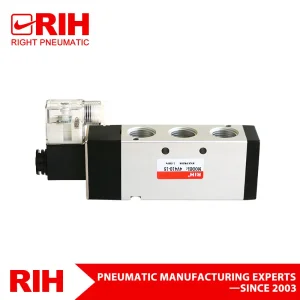
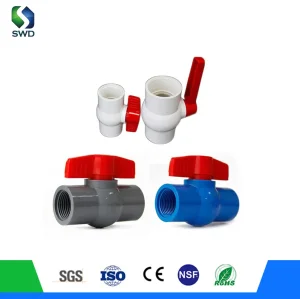
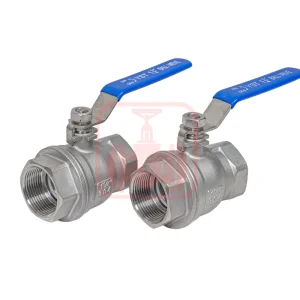
As the "Engine of Europe," Germany's industrial sector demands nothing less than perfection. From the chemical clusters in Ludwigshafen to the automotive powerhouses in Bavaria, the requirement for high-precision control valves has evolved beyond simple flow regulation. In the context of Industry 4.0, control valves are now considered the "final control elements" that bridge the gap between digital intelligence and physical execution.
Germany currently leads the world in implementing green hydrogen technologies and sustainable manufacturing processes. For a control valve supplier to succeed in this market, adherence to DIN (Deutsches Institut für Normung) and EN (European Norm) standards is non-negotiable. Zhejiang Maria Valve Co., Ltd. understands that German procurement directors prioritize the Total Cost of Ownership (TCO) over initial purchase price. This involves assessing valve longevity, maintenance intervals, and energy efficiency of pneumatic actuators.
Fully compliant with the EU Pressure Equipment Directive (PED) and ISO 9001:2015, ensuring safety in high-pressure German environments.
Our designs integrate seamlessly with Siemens and Festo control systems, common in German factory automation lines.
Low-emission packing and energy-efficient solenoid coils to meet Germany's strict ESG and environmental regulations.
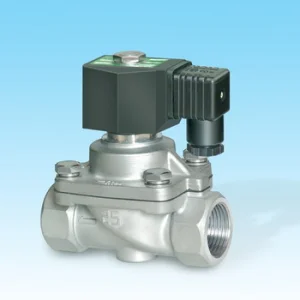
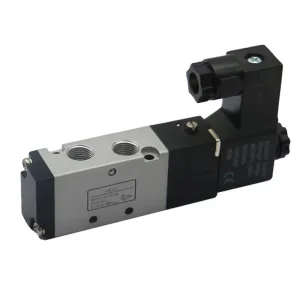
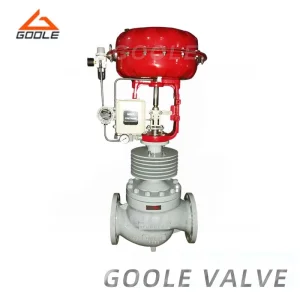
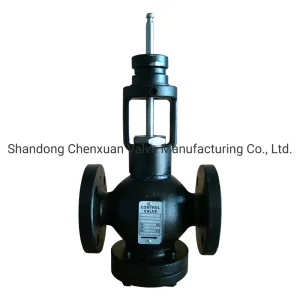
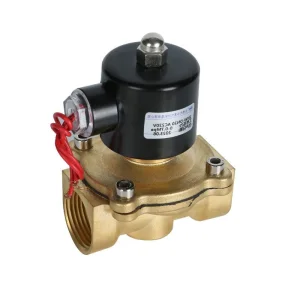
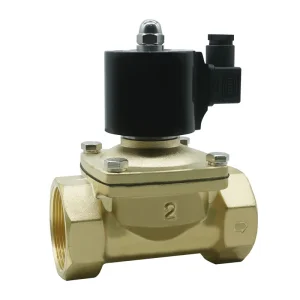
Global procurement teams are looking for "Information Gain"—they need more than a product catalog; they need technical partnership. Our role as a leading exporter to the German market involves providing detailed material traceability (EN 10204 3.1 certification) and predictive maintenance data. Whether it's a 3-way solenoid valve for a pharmaceutical plant in Frankfurt or a heavy-duty globe valve for a Ruhr Valley power station, our technical roadmap focuses on Smart Diagnostics and Fugitive Emission Control.
Years of Valve Expertise
German Projects Completed
Testing & Quality Control
Technical Support Response
The future of control valves in Germany is inextricably linked to the Hydrogen Economy. At Zhejiang Maria Valve, we are actively developing "Hydrogen-Ready" valve materials that prevent embrittlement. Our technology roadmap for 2025 includes:
We provide comprehensive localized support, including documentation in German, technical consultation that respects German engineering traditions (VDI/VDE standards), and a supply chain optimized for "Just-in-Time" (JIT) delivery to European logistics hubs like Hamburg and Rotterdam.
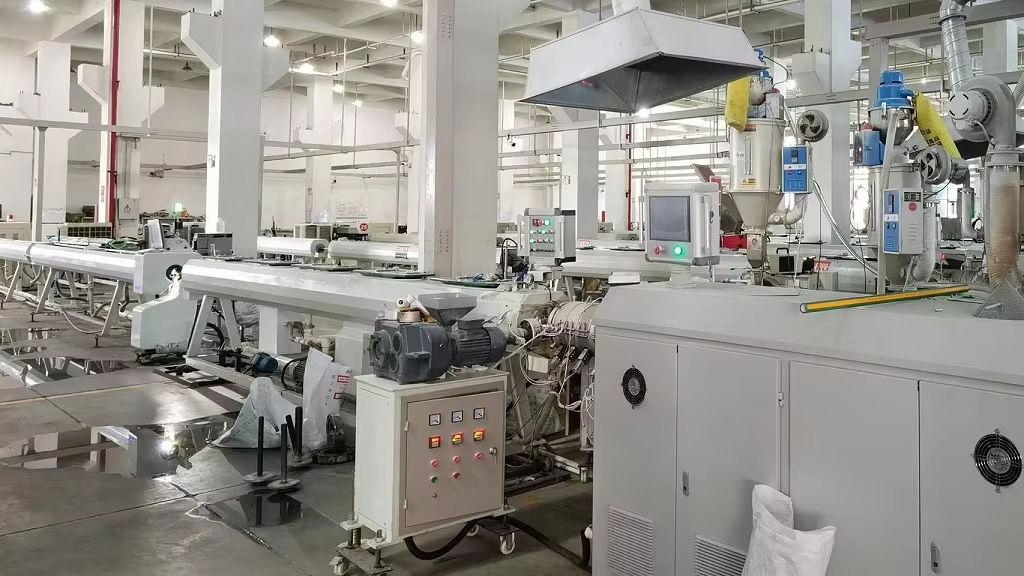
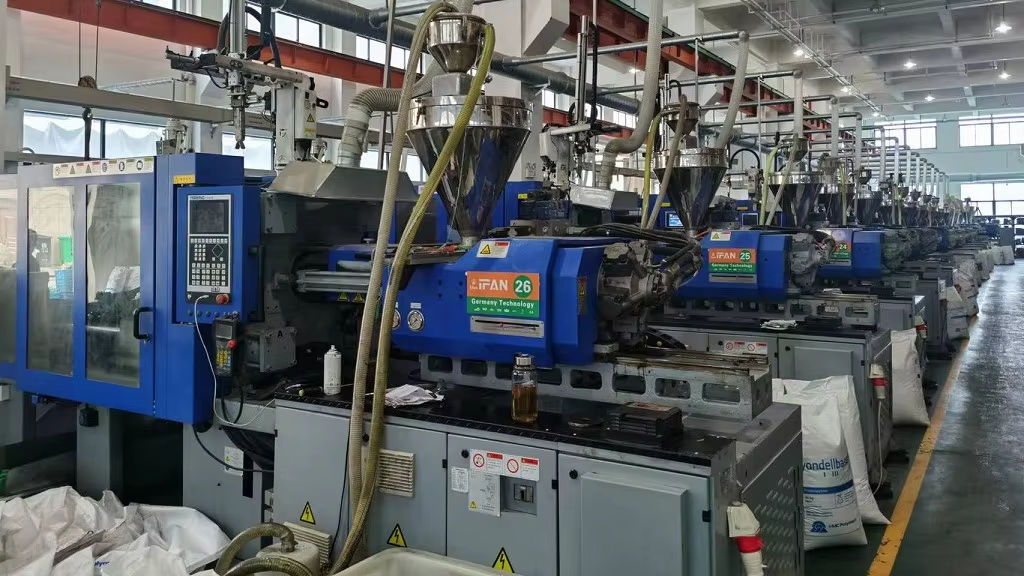
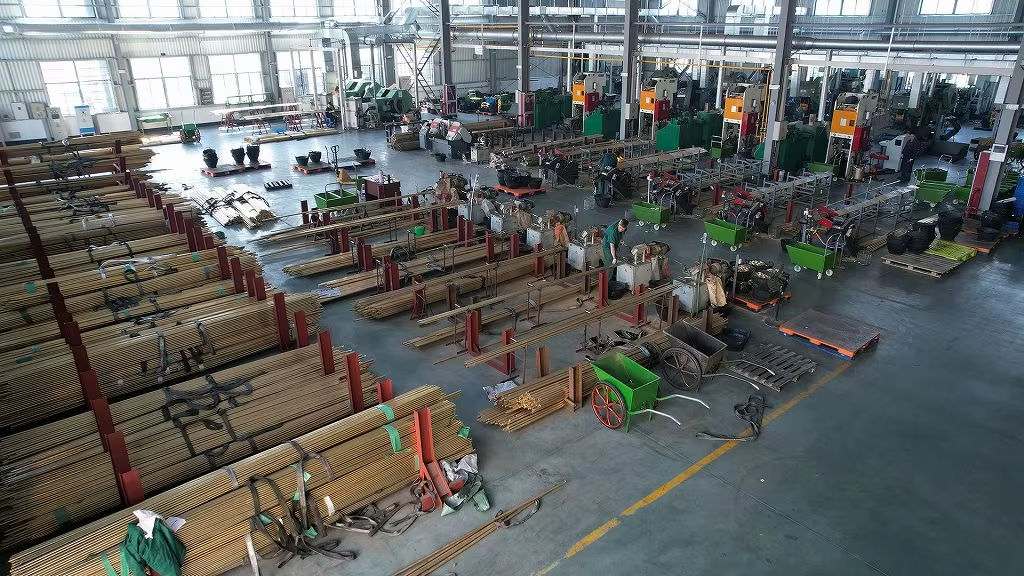
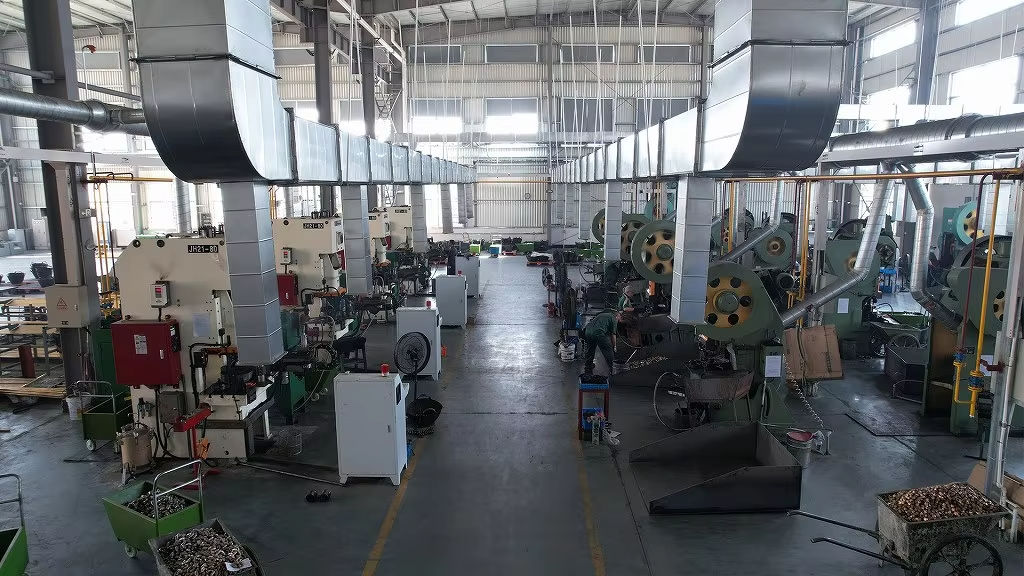
Since its establishment, Zhejiang Maria Valve Co., Ltd. has specialized in manufacturing a wide range of industrial valves, serving key sectors such as petroleum, steel, power generation, chemical, and water treatment. Leveraging years of experience and advanced engineering technology, we have consistently delivered high-quality, reliable valves to clients worldwide.
Founded with a commitment to innovation and excellence, Zhejiang Maria Valve has become a trusted supplier for global process control solutions, offering products that meet rigorous international standards. Since 2003, our company has been dedicated to the development, design, and production of high-performance valves for pipeline and instrumentation control systems in process plants. We focus on combining cutting-edge technology with practical engineering solutions to ensure efficiency, safety, and long-term reliability.
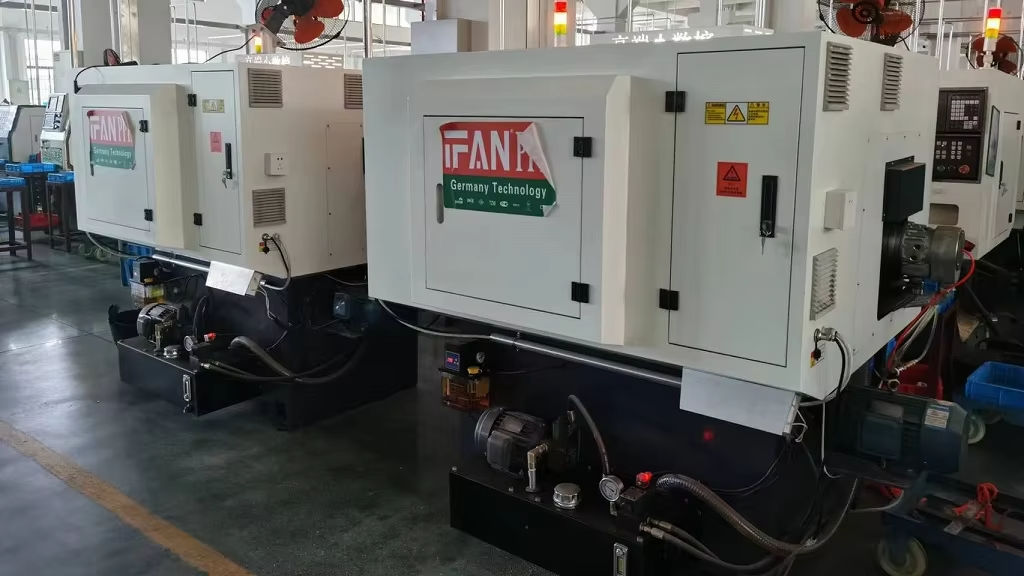
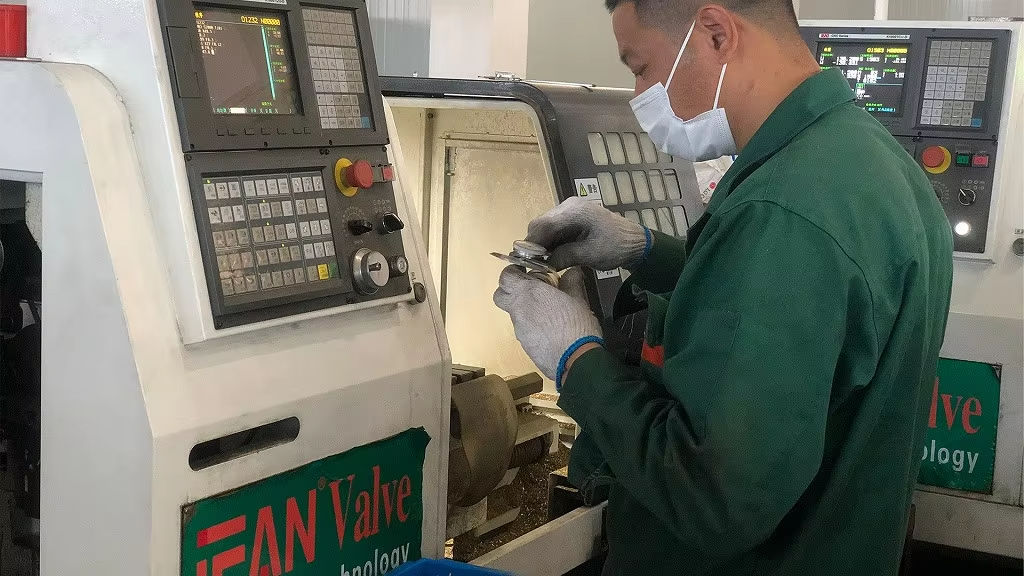
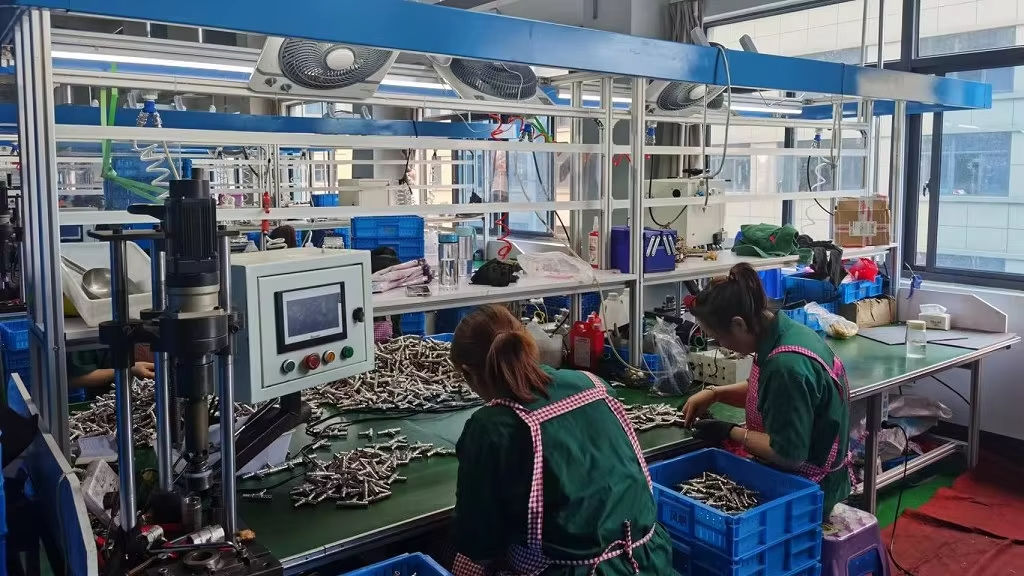
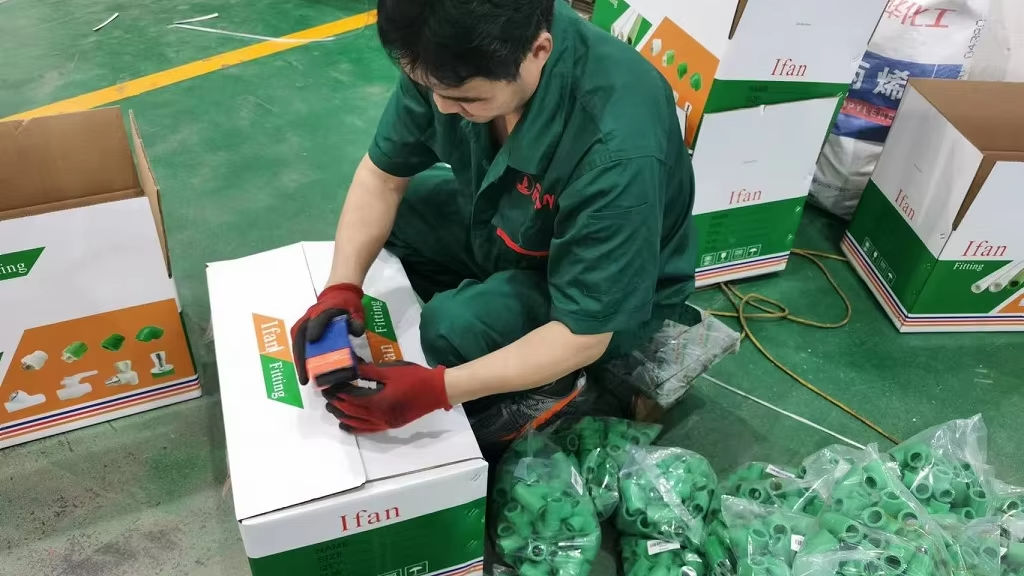
Our valves are manufactured to meet DIN, EN, and ISO standards. For the German market, we ensure all products comply with the Pressure Equipment Directive (PED 2014/68/EU) and provide 3.1 material certificates as standard.
Yes, we offer smart positioners and feedback sensors that use HART, PROFIBUS, or Foundation Fieldbus protocols, ensuring seamless integration into German industrial automation ecosystems.
We work with global freight partners to provide DDP or CIF shipping to major German ports and industrial hubs. We also provide all necessary customs documentation to ensure a smooth import process.
Absolutely. Our R&D team works closely with German engineers to design specialty valves for unique fluid properties, extreme temperatures, or specific space constraints in existing plants.
 Maria Valve