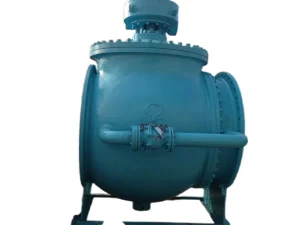
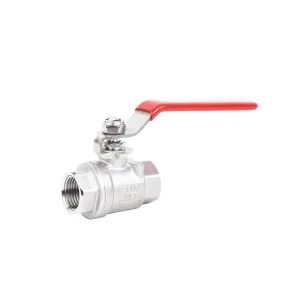
Engineered for extreme reliability under harsh local conditions, featuring advanced shearing mechanics for fluid containing solids, fibers, and abrasive particles.
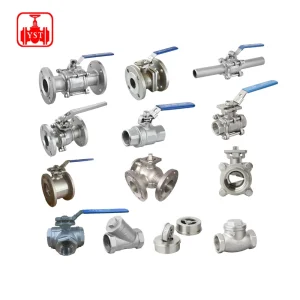
Three-way routing for natural gas and crude oil, optimized for the Upper Nile energy hubs.
View Details ➔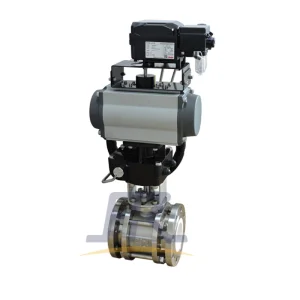
Ultimate wear resistance for handling abrasive river silt and mineral processing fluids.
View Details ➔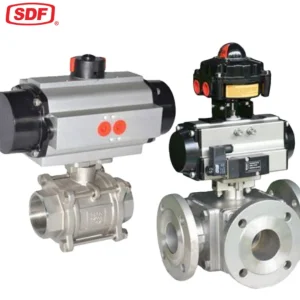
Fast action, low leak rates, designed for processing volatile organic gases and natural gases safely.
View Details ➔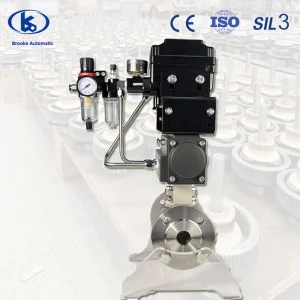
Integrates telemetry (RS485 modbus) for remote flow control in water distribution schemes.
View Details ➔The segment ball valve (also known as a V-notch or V-port ball valve) represents one of the most significant engineering breakthroughs in process control. Unlike traditional globe valves which suffer from high cavitation risk and clogging, or standard full-port ball valves which lack precision control capability, the segment valve combines the shear action of a gate valve with the fast, reliable control characteristics of a quarter-turn rotary valve.
At its heart is a segmented ball featuring a specially designed V-notch. When the valve rotates toward the closed position, the sharp edge of the V-notch segment shears through solid particles, fibers, and high-viscosity media. This self-cleaning action ensures tight shut-off even in challenging fluids like White Nile river silt, heavy oil, and municipal wastewater.
Key Design Elements:
Malakal, the second-largest city in South Sudan and capital of the Upper Nile State, sits adjacent to the White Nile. The local industrial environment is characterized by distinct challenges: rapid infrastructure redevelopment, clean water sanitation programs, agricultural drainage management, and close integration with the petroleum transport channels of the Melut Basin.
For municipal operators and engineers in Malakal, standard off-the-shelf valves are prone to premature failure. The high mineral content and coarse sandy sediment of the White Nile water during seasonal floods act as severe abrasives, rapidly wearing down conventional soft seats. In addition, local power instability requires actuator systems that are robust, energy-efficient, and capable of manual override or low-power telemetric control (RS485 modbus).
Furthermore, the transport of highly viscous heavy crude oils in regional pipelines demands valves that can handle high pressure drops and shear stress. Standard valves suffer from wax buildup and clogging. Zhejiang Maria Valve Co., Ltd. addresses these specific pain points by designing segment valves with metal-seated V-ports, hard chrome platings, and heavy-duty pneumatic/electric actuators that withstand ambient temperatures of up to 45°C in South Sudan.
The global industrial valve market is moving rapidly toward intelligent automation and eco-responsibility. Key macro trends shaping the segment ball valve sector include:
Using White Nile raw intake water, water treatment plants in Malakal must cope with high sand, silt, and clay loads. Standard gates jam; our ceramic-lined and V-notch segment valves cut through sediments, regulating flow rates to filtration beds reliably without sticking.
The proximity to the Upper Nile oil fields means high-viscosity fluid handling. Our metal-seated segment valves, featuring hard-facing alloys (Stellite), are ideal for crude oil blending, pressure regulation, and refinery feed control.
Wastewater management and agricultural channel controls require valves that can manage fibrous weeds, rags, and organic sludge. The shearing action of the V-segment disk ensures perfect closure and prevents pipeline backing up.
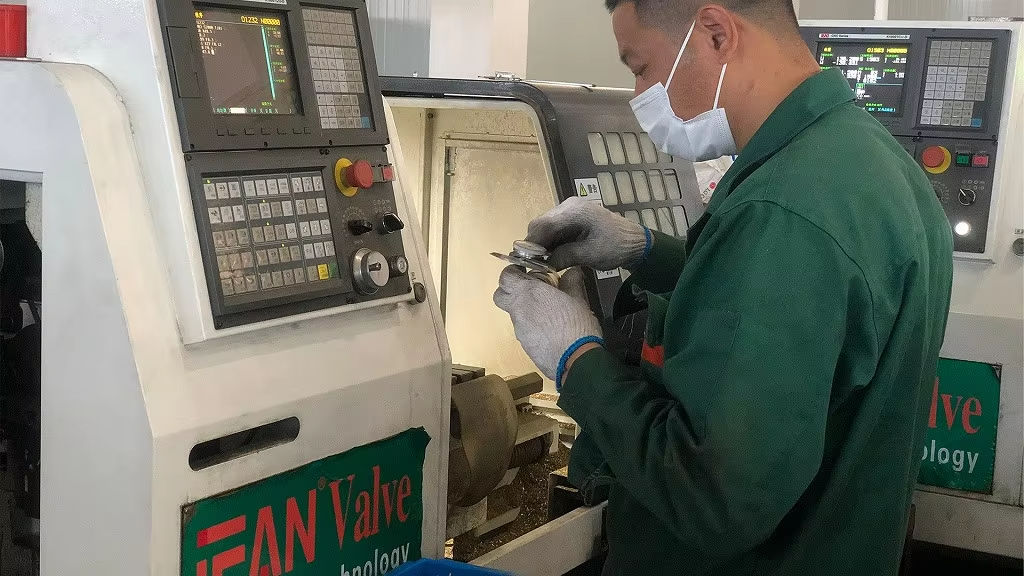
Established with a vision to redefine fluid control solutions, Zhejiang Maria Valve Co., Ltd. has developed into a premier global designer, manufacturer, and supplier of industrial valves. From precision components to mass piping assemblies, we manage the entire quality cycle under strict ISO standards.
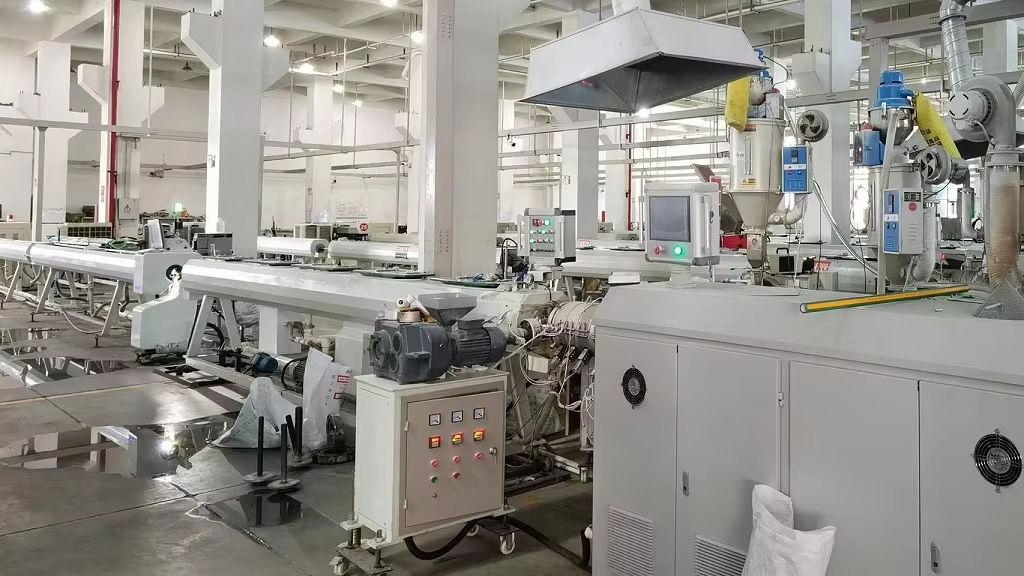
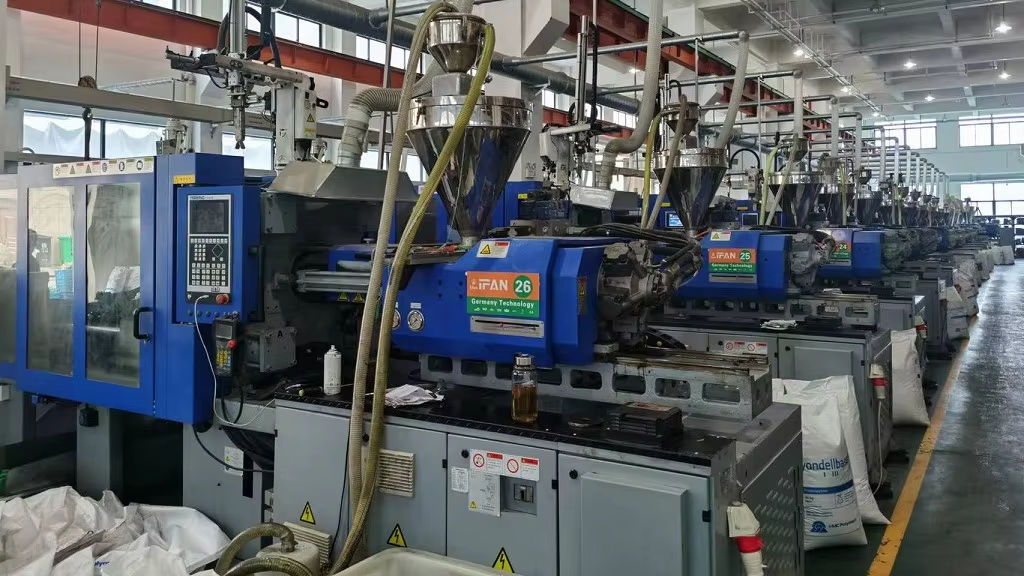
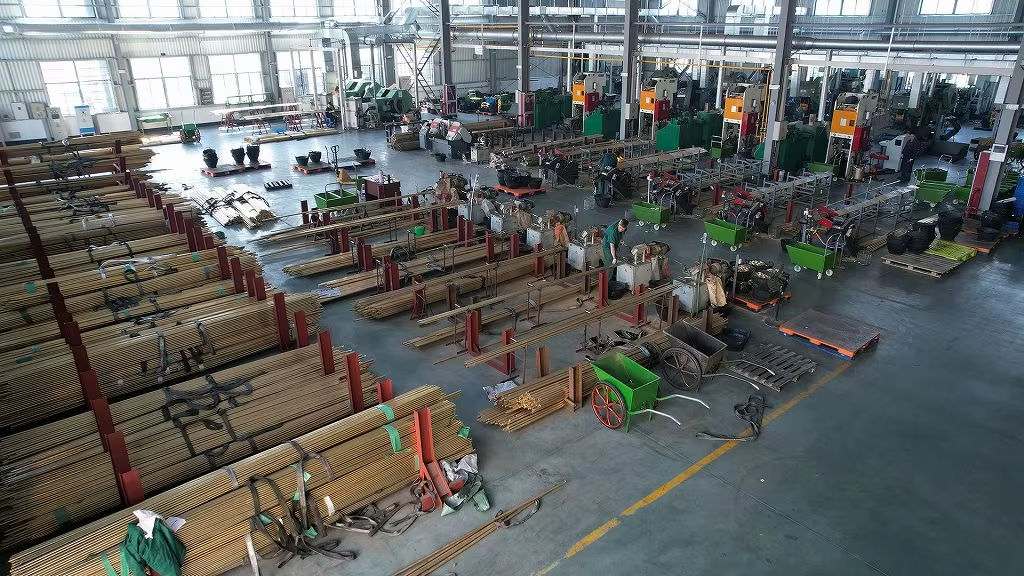
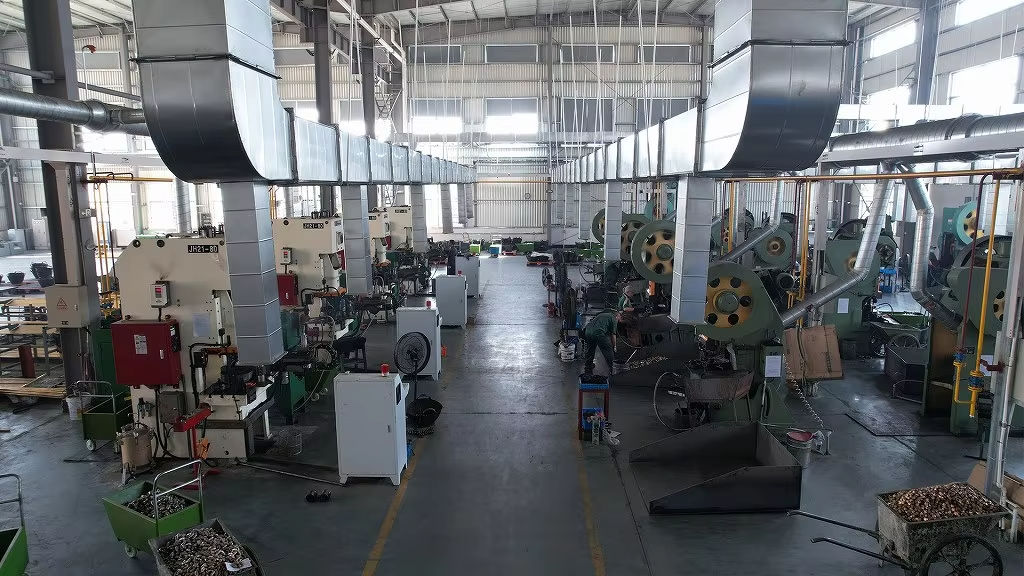
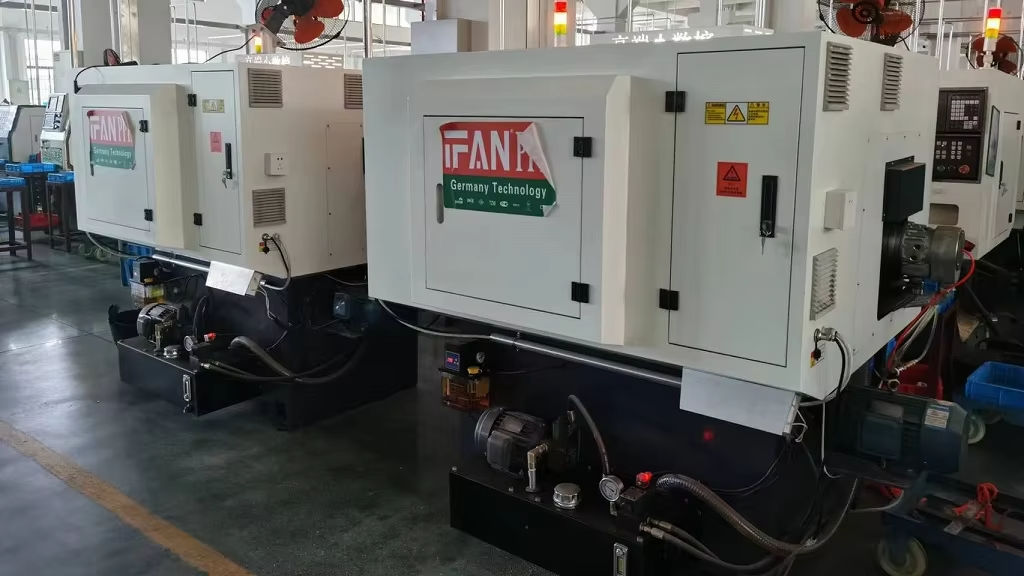
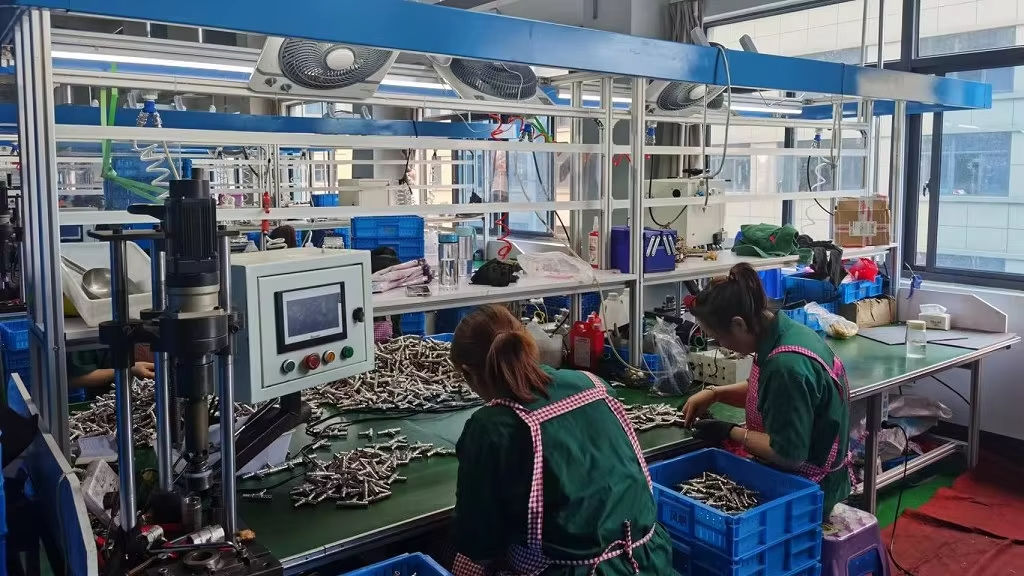
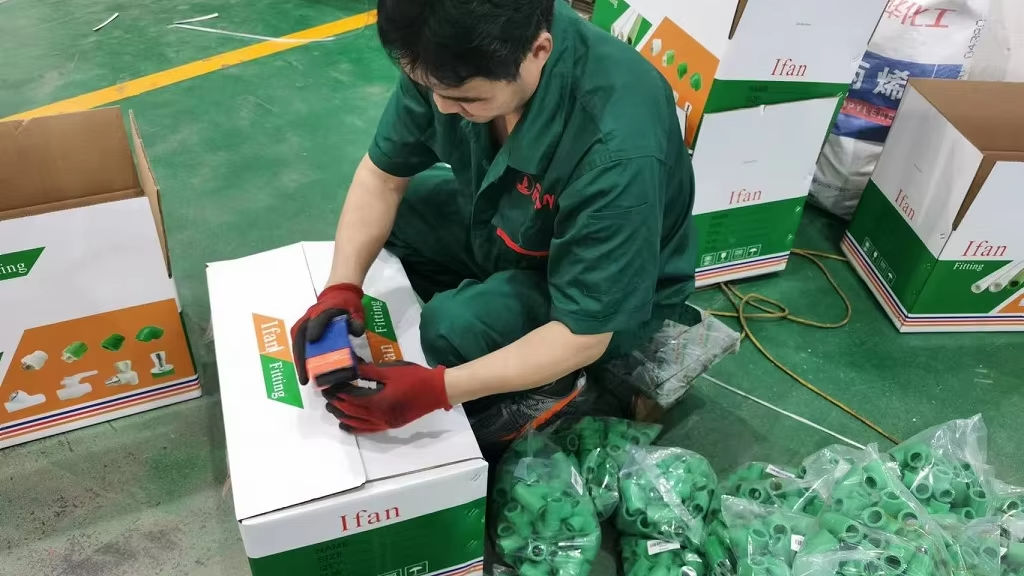
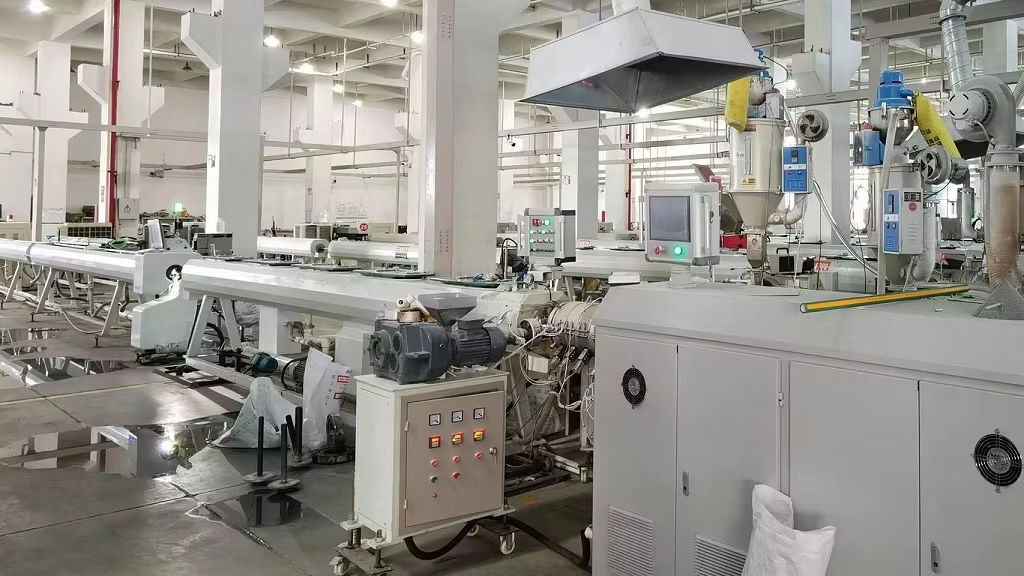
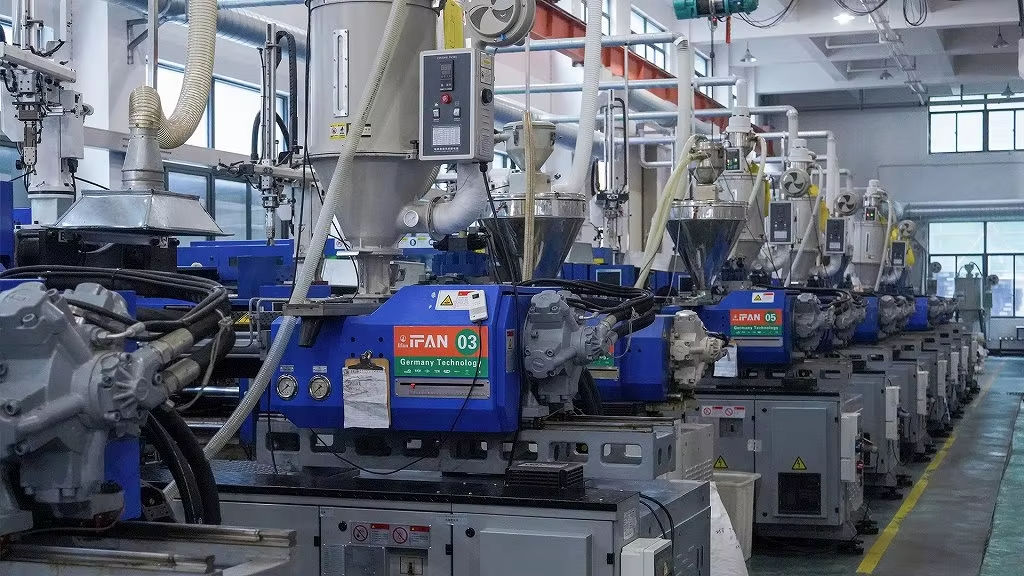
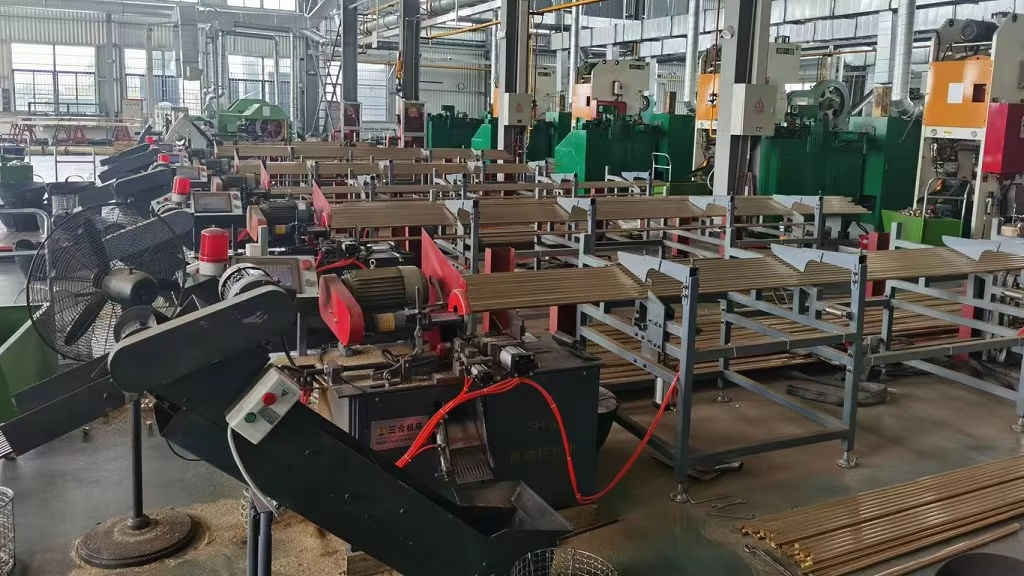
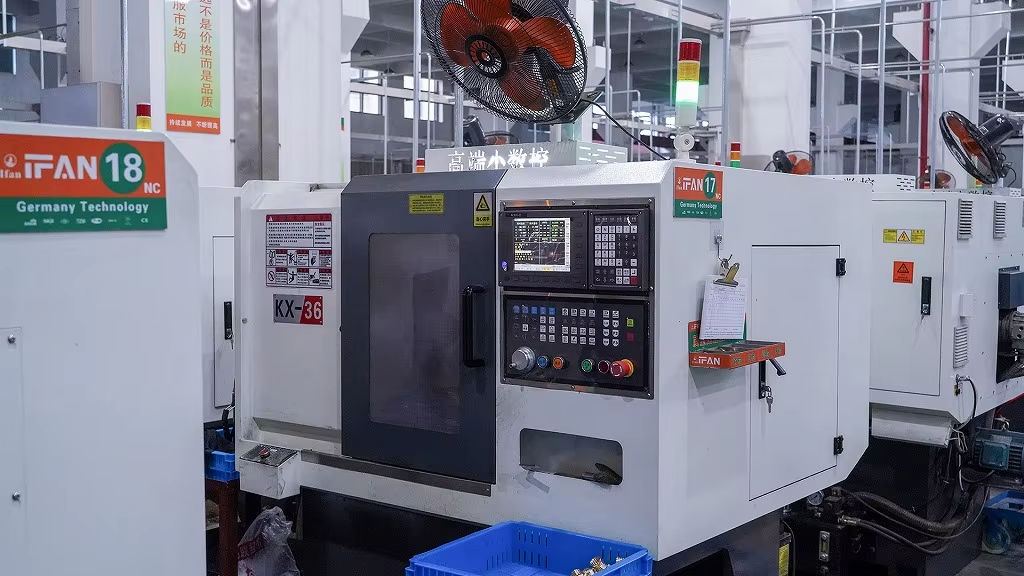
Since 2003, our team has pioneered fluid control solutions. We advance valve engineering technologies to meet the evolving demands of our clients in petroleum, power, chemistry, water processing, and marine projects. By optimizing production processes, we reduce capital and maintenance expenses for our clients while improving quality controls through rigorous pressure, leak, and ultrasonic integrity testing.
Zhejiang Maria Valve Co., Ltd. remains dynamic and customer-focused, ensuring every global shipment is protected, calibrated, and ready for site commissioning.
Compare the design characteristics of our key segment ball valve options to choose the right model for your project in Malakal.
| Valve Sub-Type | Seating Material | Primary Application Scenario | Size Range | Pressure Rating |
|---|---|---|---|---|
| V-Port Regulating Valve | Metal (Stellite/Co-Cr) | Abrasive slurries, fibrous media, river water | DN25 to DN1400 | Class 150 - 600 / PN10 - PN100 |
| Ceramic Lined Floating | Solid Ceramics (Al2O3) | High-velocity sand slurries, acid dosing | DN15 to DN300 | Class 150 - 300 / PN10 - PN40 |
| Soft-Seated Flanged | PTFE / Devlon / Peek | Clean water, gas routing, oil systems | DN15 to DN600 | Class 150 - 900 / PN16 - PN160 |
| 3-Way Segment Valve | Reinforced PTFE / Metal | Fluid diversion, oil field manifolds | DN25 to DN400 | Class 150 - 300 / PN16 - PN40 |
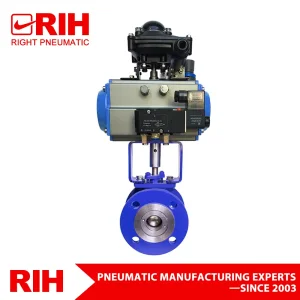
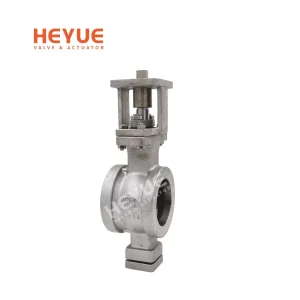
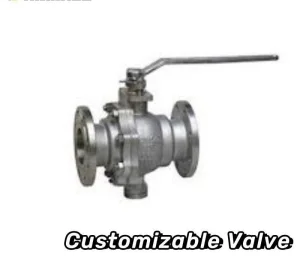
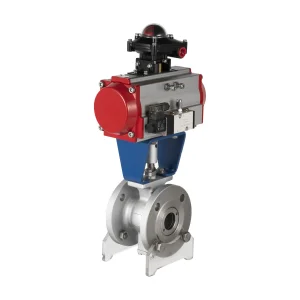
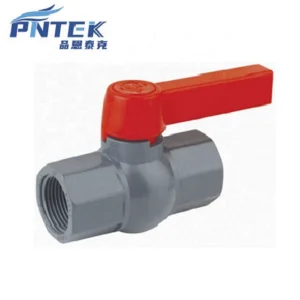
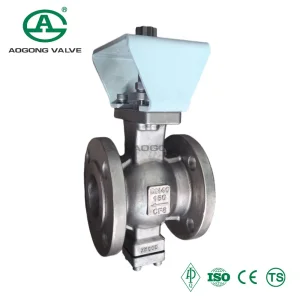
Below is our complete range of specialized segment valves designed for integration with Malakal's regional water, petroleum, gas, and chemical utilities.
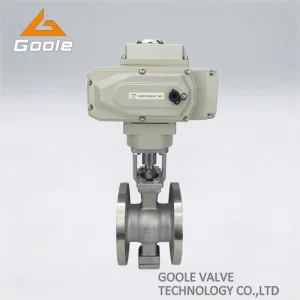
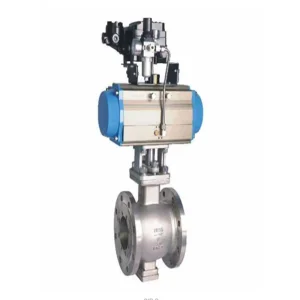
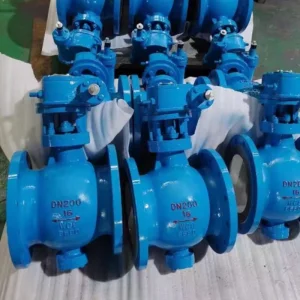
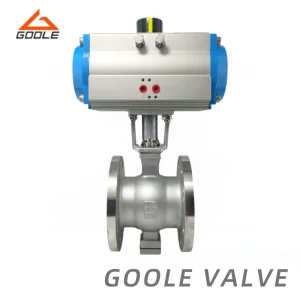
Traditional butterfly valves have a disk positioned directly in the center of the flow path. Silt, sand, and plant fibers from Nile intake points tend to wrap around the disk shaft, leading to seizure. A V-notch segment valve rotates completely out of the flow path, while its shearing edge chops through solids, assuring consistent shutoff and regulation.
Soft seats (like PTFE or Devlon) offer absolute zero-leak bubble-tight seals but are limited to clean, non-abrasive fluids below 200°C. Metal-seated designs (using Stellite, Tungsten Carbide, or Chrome Carbide cladding) are critical for abrasive slurries, crude oil containing sand, and applications exceeding 200°C.
Yes, our smart segment valves equipped with pneumatic or electric actuators can be customized with digital positioners utilizing RS485 Modbus, Profibus, or HART protocols. This permits local engineering teams to monitor flow percentages, diagnostics, and open/close cycles remotely.
Absolutely. We customize from DN15 to ultra-large DN1400 segments. Pressure classes can range from PN10 up to PN160 (or ASME Class 150 to 900) utilizing materials such as carbon steel (WCB), stainless steel (CF8/CF8M), duplex steels, or special high-performance plastics (PVC/PPR) according to your unique operating metrics.
Ambient temperatures reaching up to 45°C in Malakal necessitate selecting stable actuator seal kits and dust coverings. High-temp solar exposure can cause seal degradation in cheap elastomers. We configure our pneumatic actuators with Viton O-rings and supply high-quality exterior epoxy coats to prevent UV damage and rust.
 Maria Valve