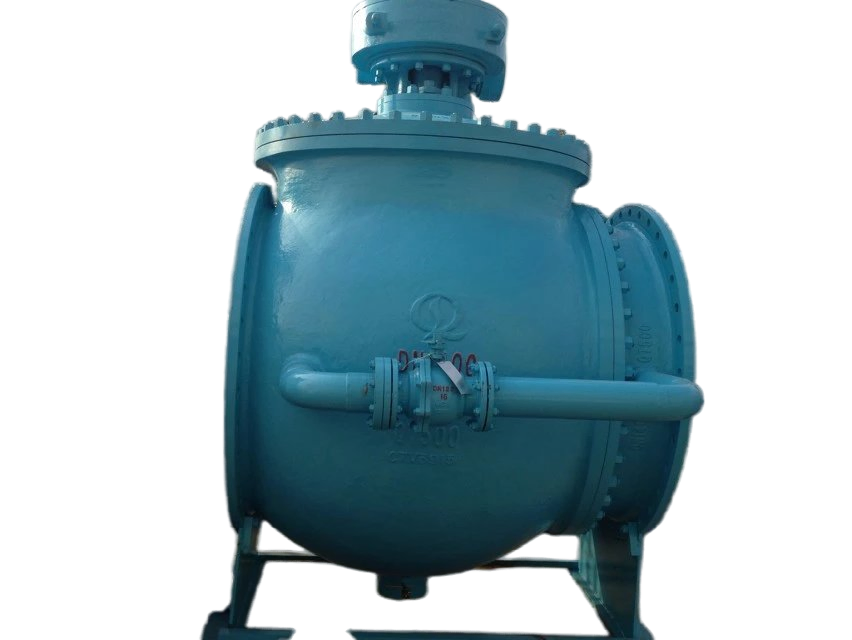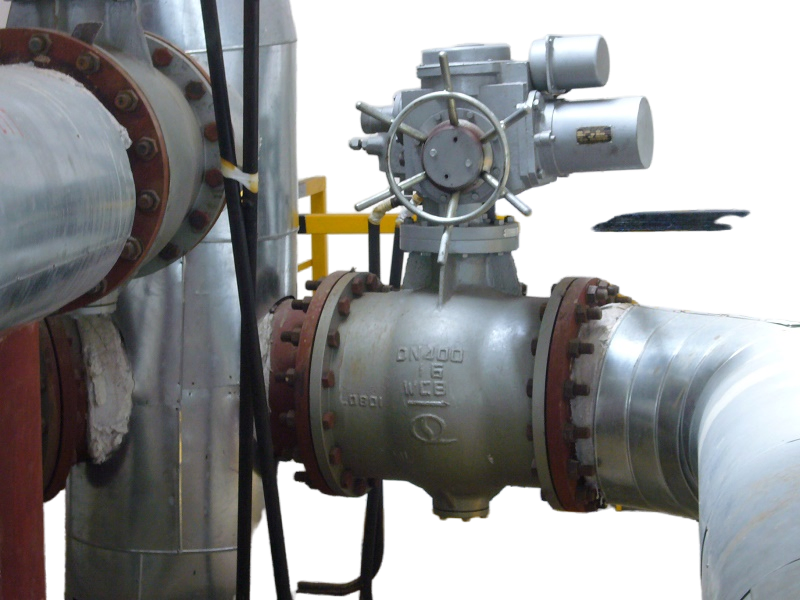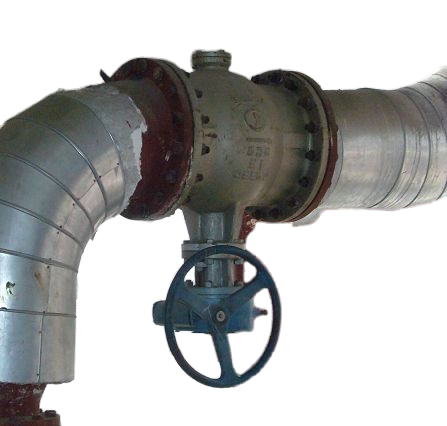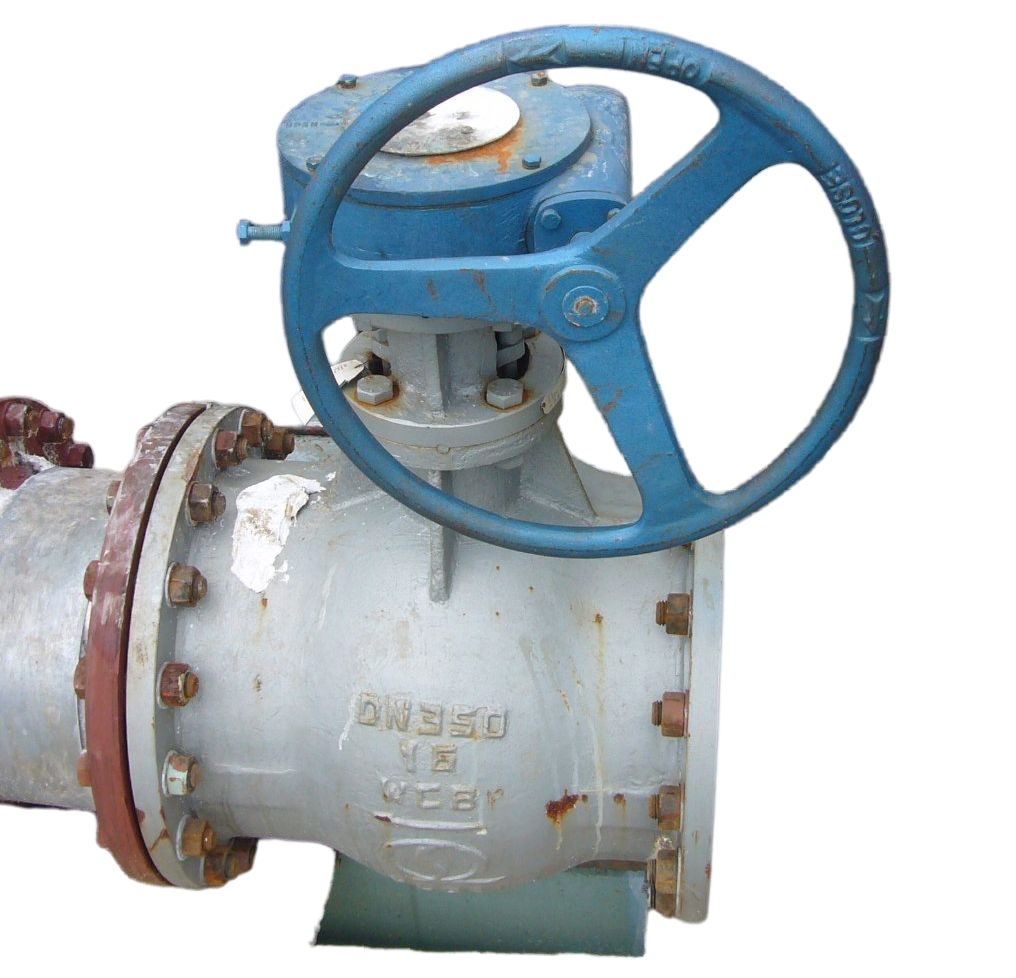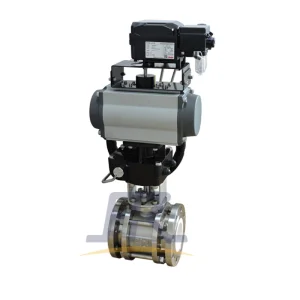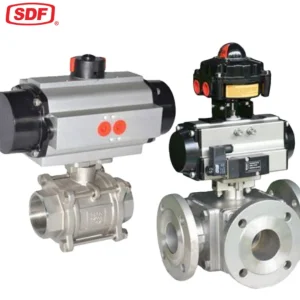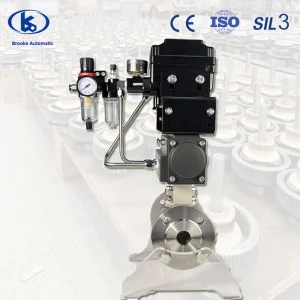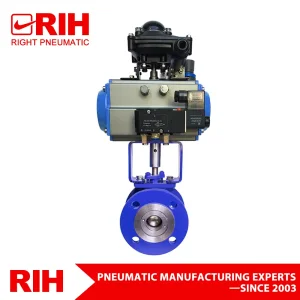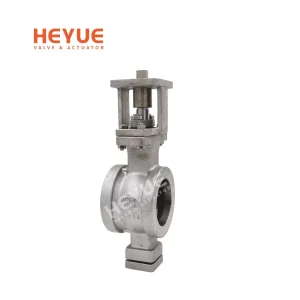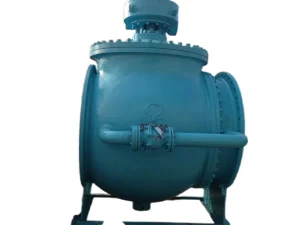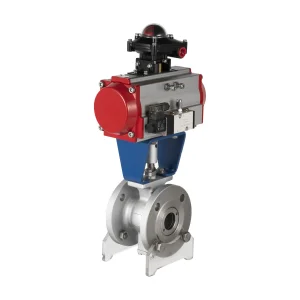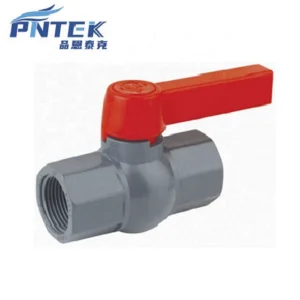
Durable DN1400 Segment Ball Valve for Global Distribution

Customization: Available
Media: Gas
Material: Carbon Steel

Product Description

Basic Specifications
Model NO.
BQ340Y-10C DN1400
Connection Form
Welding
Driving Mode
Manual
Nominal Pressure
PN1.0-32.0MPa
Channel
Straight Through Type
Structure
Fixed Ball Valve
Type
Fixed Ball Valve
Function
Cutting off
Standard
GB/T26146-2010
Size
2''-56''
Rating
Class150-Class2500
Temperature
-70℃-180℃
Medium
Water, Oil, Gas and So on
HS Code
8481804090
Product Description
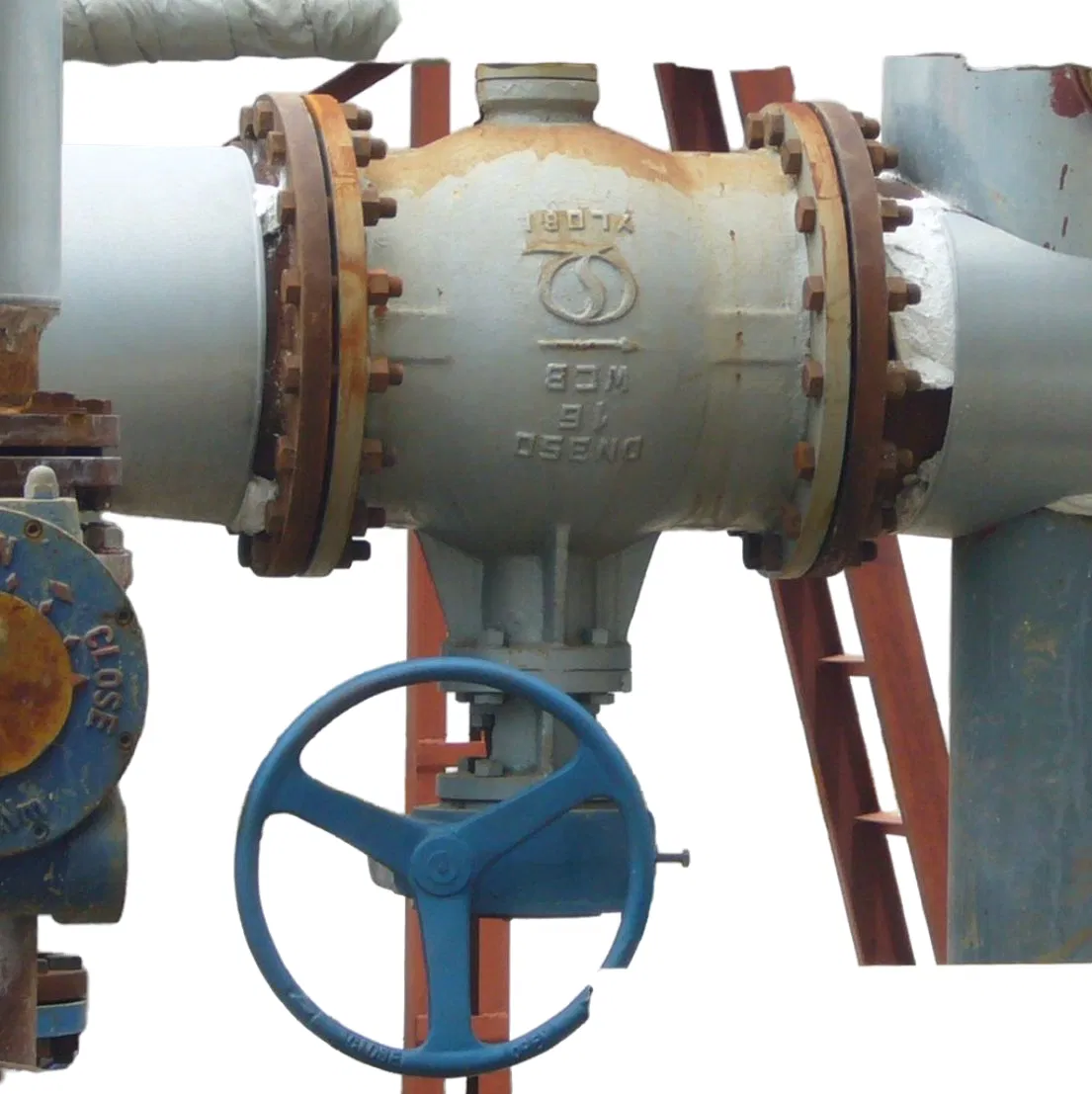
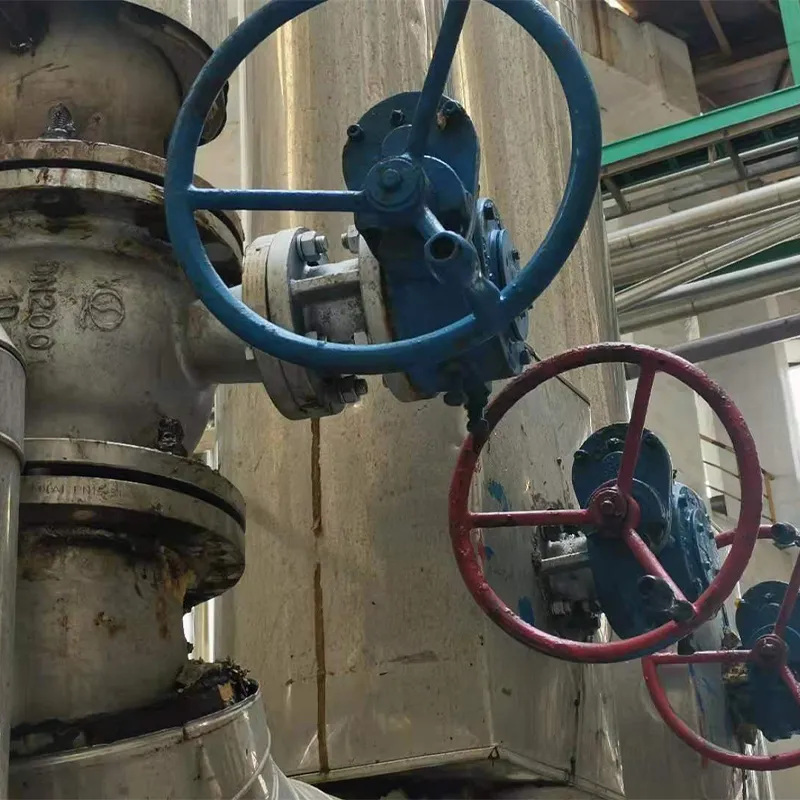
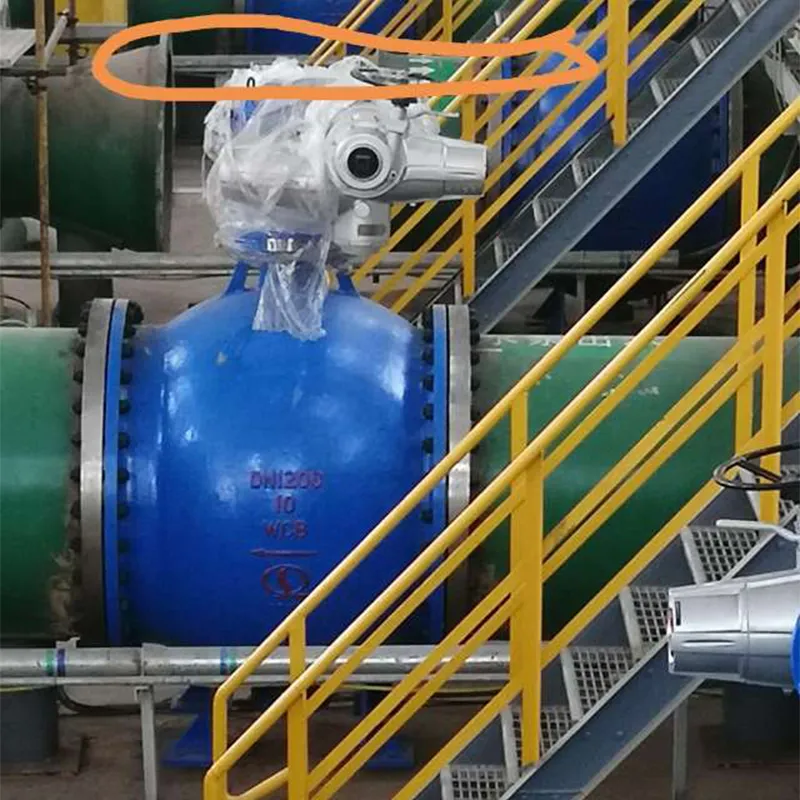
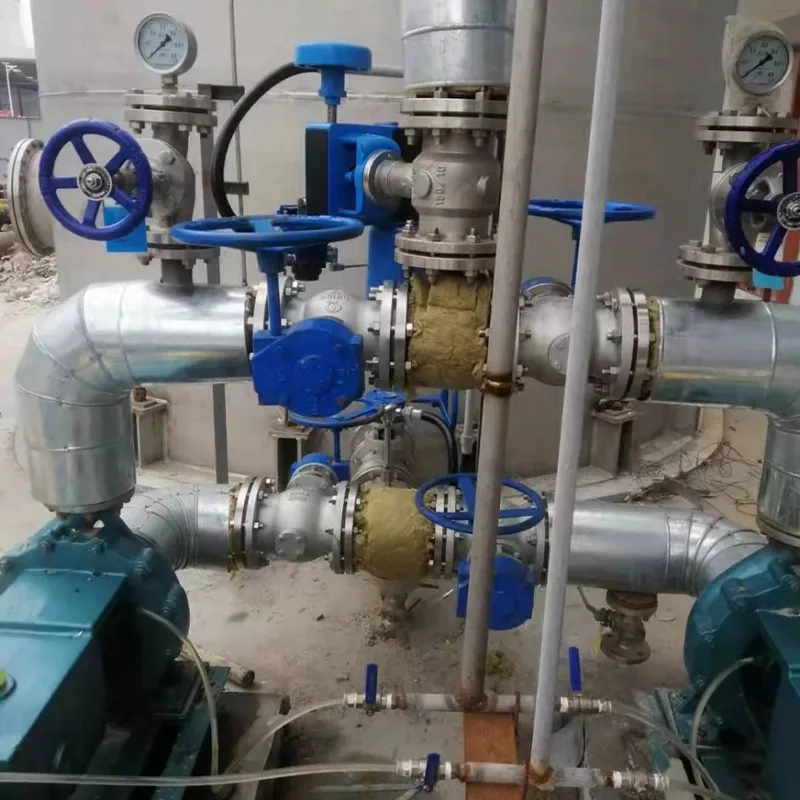
Durable DN1400 Segment Ball Valve
Ball Valve is a high performance eccentric ball valve with two piece valve body and suitable for industries water, pipe line, circulating water, hot water and so on.
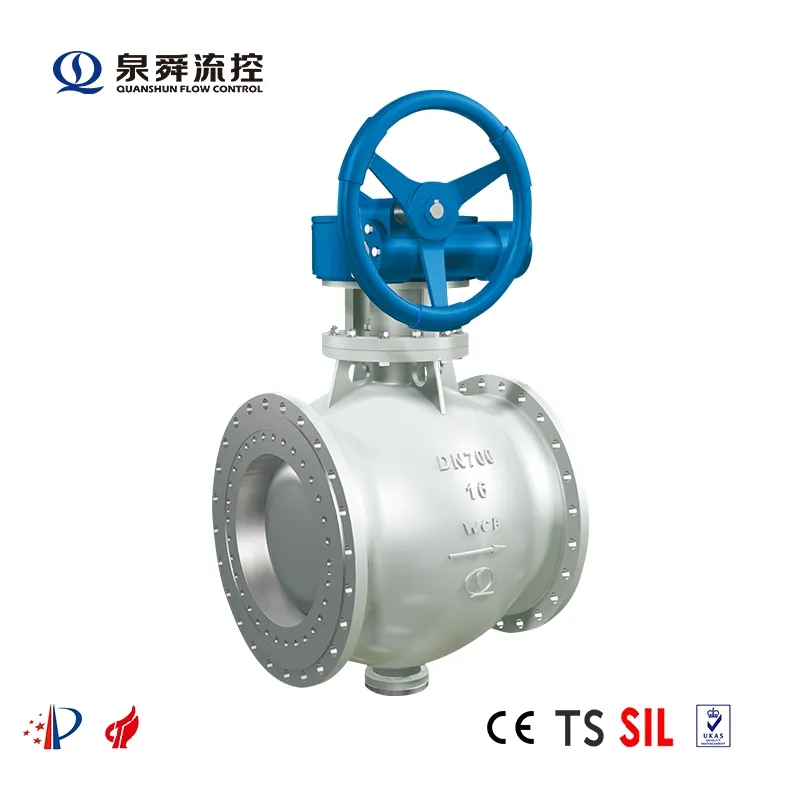
Ball Valve Structure
Key Benefits
  • No Leakage: Fully welded valve body structure ensures zero leakage during operation.
  • Long Service Life: Designed for a 30-year service life, requiring no maintenance and matching pipeline expectancy.
  • Absolute Seal: Specially made valve seat with multi-layer sealing structure guarantees an absolute seal.
  • Underground Efficiency: Underground valve options save well-making costs and reduce preliminary project investment.
  • Prefabricated Insulation: Over-pressurized prefabricated heat preserving valves prevent defects from site conditions.
Benefit 1 Benefit 2 Benefit 3
Technical Specifications
Parameters Imperial Standards Metric Standards
Size 2''-56'' DN50-DN1400
Rating Class150-Class2500 PN6-PN420
Temperature -70ºC-180ºC
Operation Hand wheel, worm gear, electric, pneumatic, Hydraulic, Electro over Hydraulic, Gas over Hydraulic
Medium Water, oil, gas and so on
Gallery & Certifications
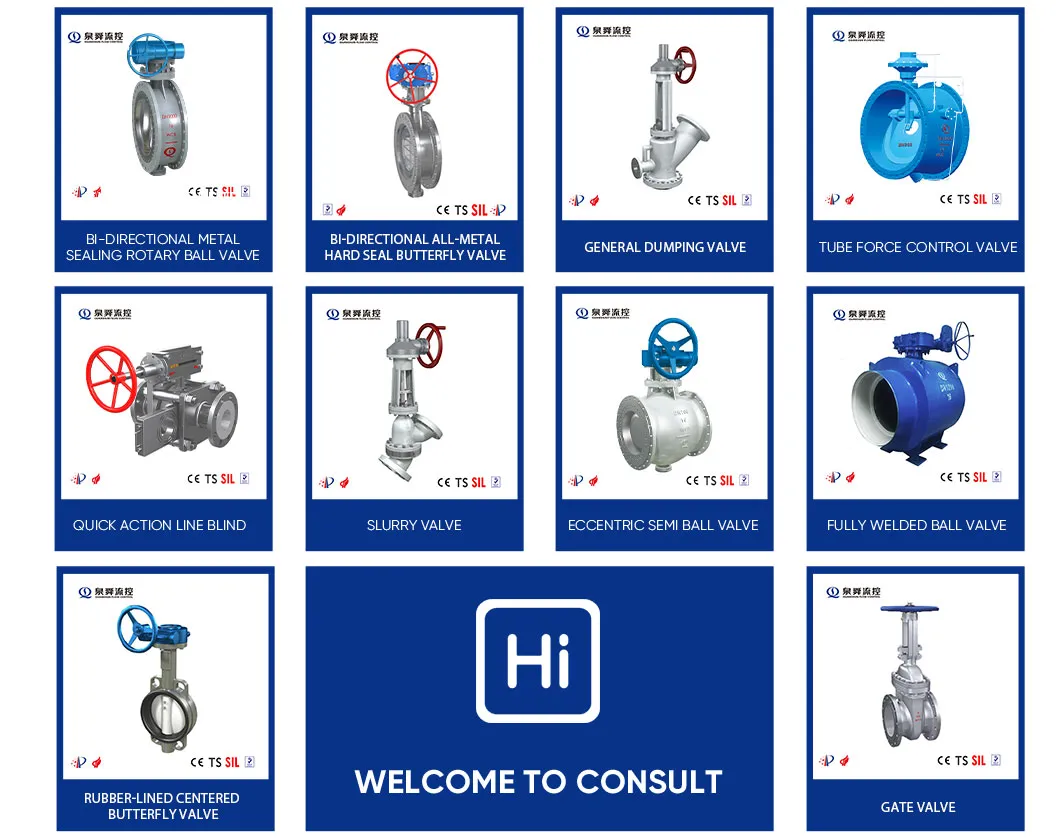
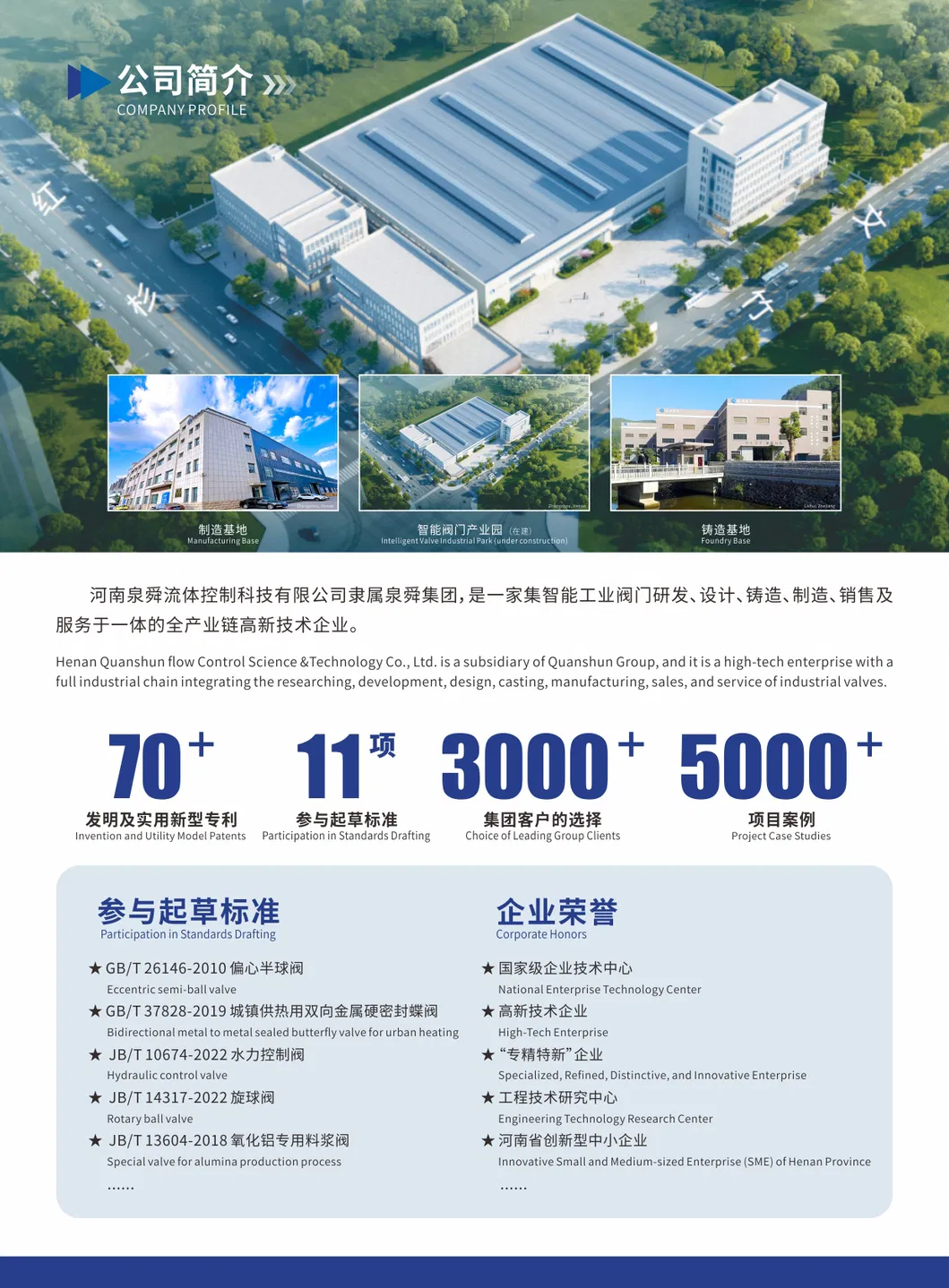
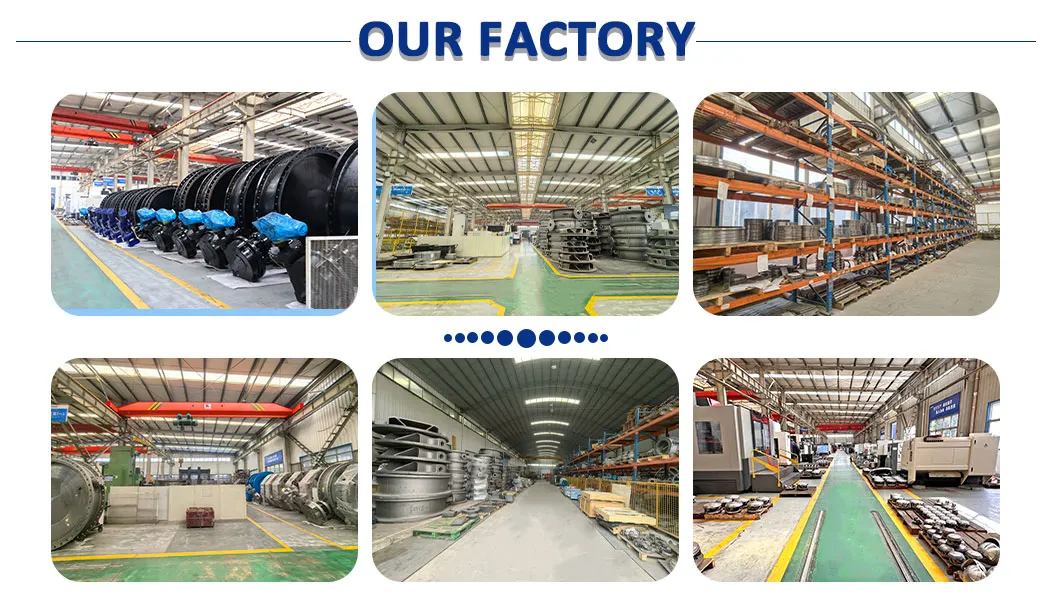
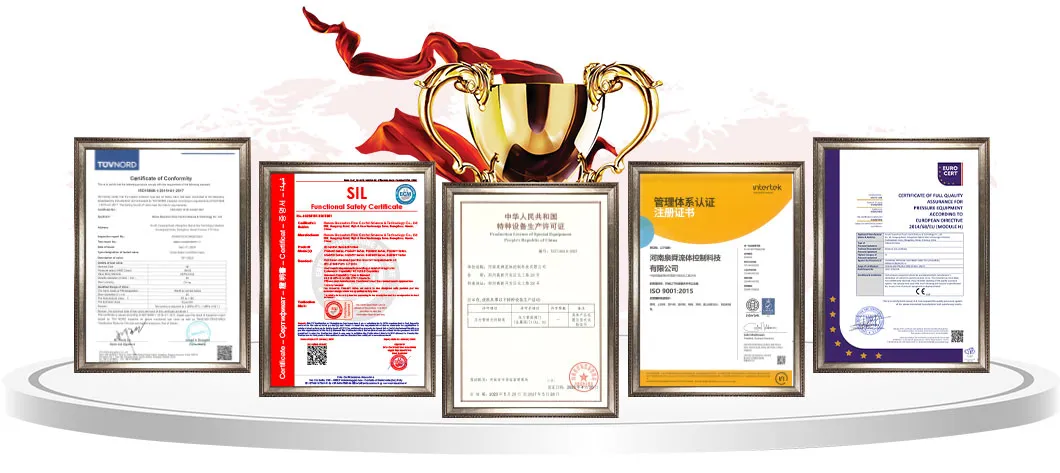
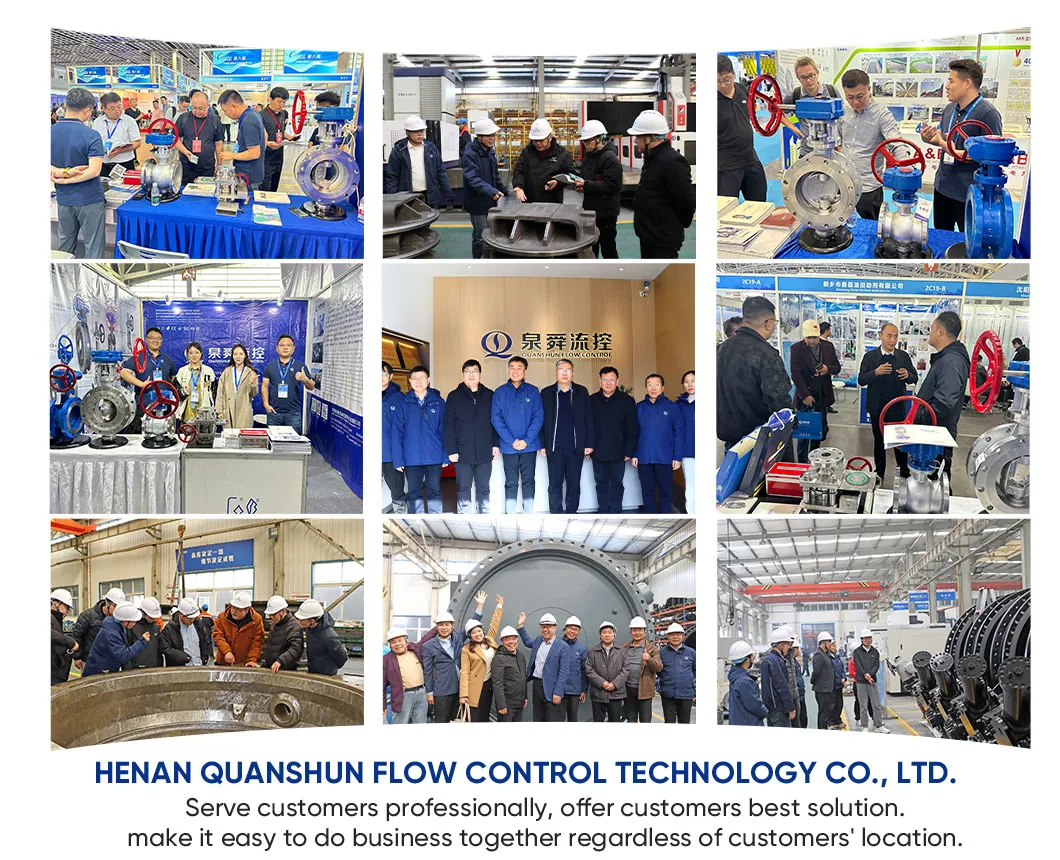
Main Products Production Facility Workshop
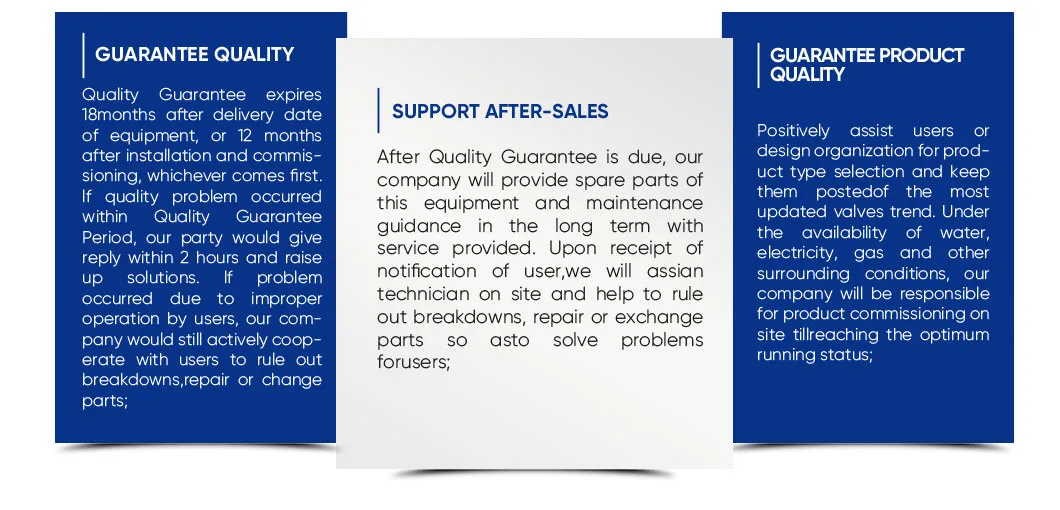
Our Advantages Certifications
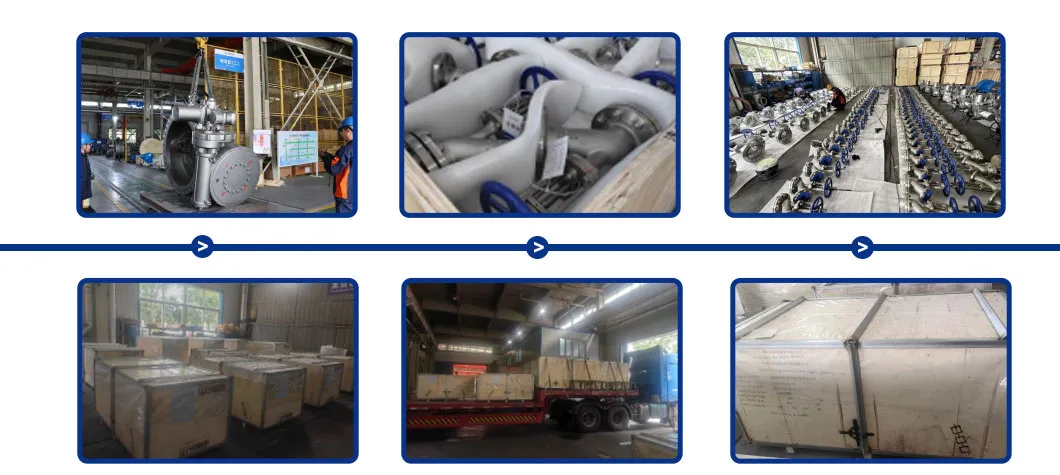
Exhibition Packaging
Frequently Asked Questions
What is the cause of leakage at the stem extension?
Leakage is typically caused by damage to the sealing ring or wear and aging of the seal over time. The solution is to replace the sealing ring.
How to deal with leakage at the connection of valve and pipeline?
Repair the sealing surface or clean up dirt; replace the gasket if necessary; and ensure the flange bolts are pressed evenly.
What causes internal leakage in the valve?
Internal leakage is usually caused by debris on the sealing surface or physical damage to the sealing pair. Cleaning or repairing the sealing pair will resolve this.
What should be done if the valve opening and closing is not flexible?
This is often due to actuator failure or foreign objects blocking the valve plate. Repair the actuator or remove debris while protecting the sealing surface.
Can the valve actuator be adjusted manually?
Actuators are professionally calibrated before leaving the factory. Non-professional personnel are strictly forbidden from making adjustments.
What are the suitable mediums for these valves?
These valves are designed for high performance with water, oil, gas, and similar industrial mediums.

Related Products