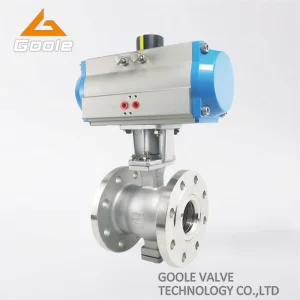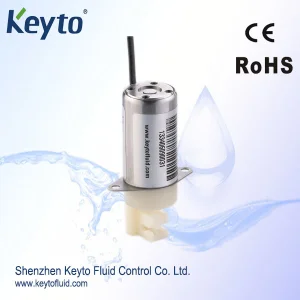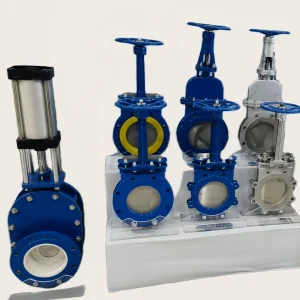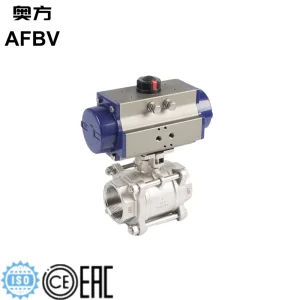
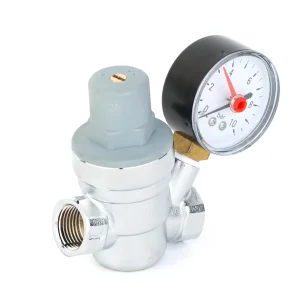
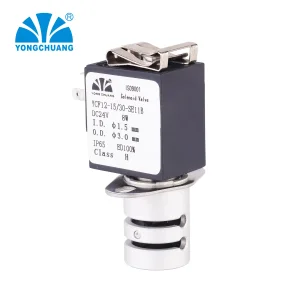
In modern process engineering, the precision of chemical injection and fluid control determines the safety, efficiency, and quality of the entire production line. Dosing valves, acting as the critical execution elements in automated dosing systems, are designed to regulate micro-flow rates under highly demanding conditions. Whether it is injecting corrosive chemicals in water treatment, handling sanitary ingredients in food processing, or managing high-pressure media in oil and gas pipelines, choosing a reliable dosing valve supplier is paramount for global engineering procurement managers.
This whitepaper provides an in-depth analysis of the technical specifications, selection criteria, global procurement trends, and future development roadmaps of dosing valves. By evaluating the manufacturing capabilities and quality control systems of leading manufacturers like Zhejiang Maria Valve Co., Ltd., we aim to equip procurement directors and process engineers with the insights needed to make informed decisions and optimize their fluid control infrastructures.
Procuring dosing valves on a global scale requires a deep understanding of fluid dynamics, metallurgy, and chemical compatibility. Different industries present unique challenges that directly influence valve design and material specifications:
Handling aggressive chemicals like sulfuric acid, sodium hypochlorite, or chlorine dioxide requires specialized materials. Suppliers must offer valves in Stainless Steel 316L, Hastelloy, Titanium, or high-grade plastics like PTFE and PVDF to prevent premature failure and chemical contamination.
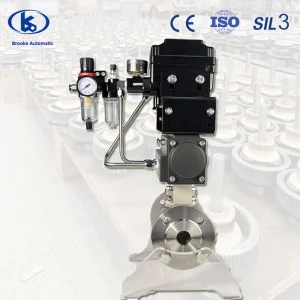
Modern dosing systems rely on automated feedback loops. Dosing valves must integrate seamlessly with pneumatic actuators, electric smart positioners, or solenoid controls, supporting communication protocols like RS485 Modbus, HART, or Profibus for real-time flow adjustment.
For pharmaceutical and food & beverage applications, valves must feature cavity-free, non-retention designs with surface roughness (Ra) below 0.8 µm. Compliance with FDA, EHEDG, and 3-A standards is non-negotiable to ensure clean-in-place (CIP) efficiency.
Dosing valves are not standalone components; they are the heart of integrated fluid control solutions across critical industrial sectors:
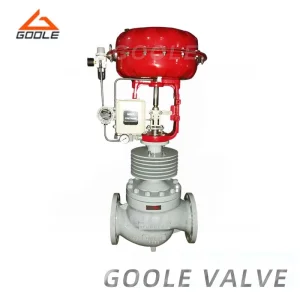
In water purification and wastewater treatment plants, dosing valves precisely inject coagulants, flocculants, disinfectants, and pH adjusters. A failure in dosing accuracy can lead to environmental non-compliance or compromised water safety. Diaphragm dosing valves and motorized globe control valves are widely utilized here for their bubble-tight shutoff and linear flow characteristics.
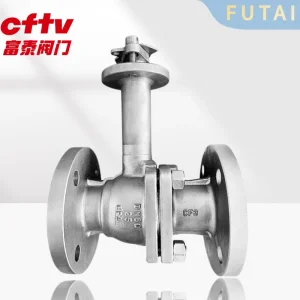
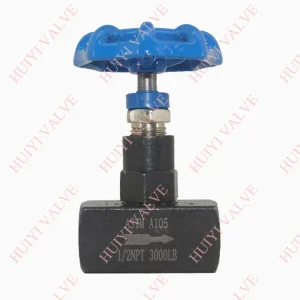
Chemical synthesis requires the addition of catalysts and reactants under extreme temperatures and pressures. High-pressure needle valves (up to 3000 psi) and pneumatic segment ball valves ensure that micro-additions are executed safely, preventing runaway exothermic reactions and protecting downstream equipment from pressure surges.
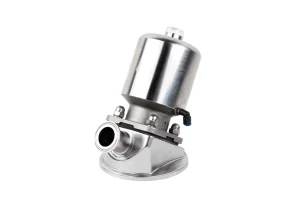
In the production of dairy, beverages, and sterile pharmaceuticals, pinch valves and sanitary diaphragm valves are the preferred choice. Their design isolates the operating mechanism from the process fluid, eliminating the risk of cross-contamination and facilitating rapid sterilization cycles.
The industrial valve industry is undergoing a digital transformation. The integration of IoT, smart diagnostics, and advanced materials is shaping the future of dosing valve technology:
Next-generation dosing valves incorporate sensors to monitor stem packing wear, actuator pressure, and seat leakage. By analyzing this data, operators can predict maintenance needs before a failure occurs, reducing unplanned downtime in continuous process plants.
Using metal 3D printing allows manufacturers to design optimized internal flow paths that minimize turbulence and cavitation. This technology enables the production of custom dosing valves with complex geometries that were previously impossible to machine using traditional CNC methods.
Since its establishment in 2003, Zhejiang Maria Valve Co., Ltd. has specialized in manufacturing a wide range of industrial valves, serving key sectors such as petroleum, steel, power generation, chemical, and water treatment. Leveraging years of experience and advanced engineering technology, we have consistently delivered high-quality, reliable valves to clients worldwide.
As one of the pioneers in China's valve manufacturing industry, we provide a comprehensive range of valves, including control valves, ball valves, butterfly valves, gate valves, and custom-designed specialty valves for industrial applications. We focus on combining cutting-edge technology with practical engineering solutions to ensure efficiency, safety, and long-term reliability.
At Zhejiang Maria Valve, we continuously strive to:
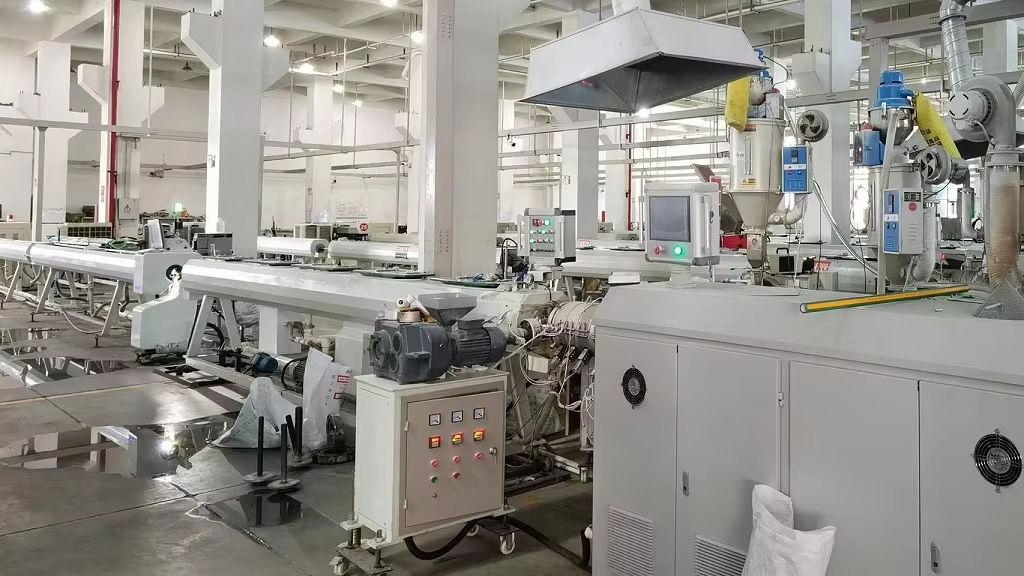
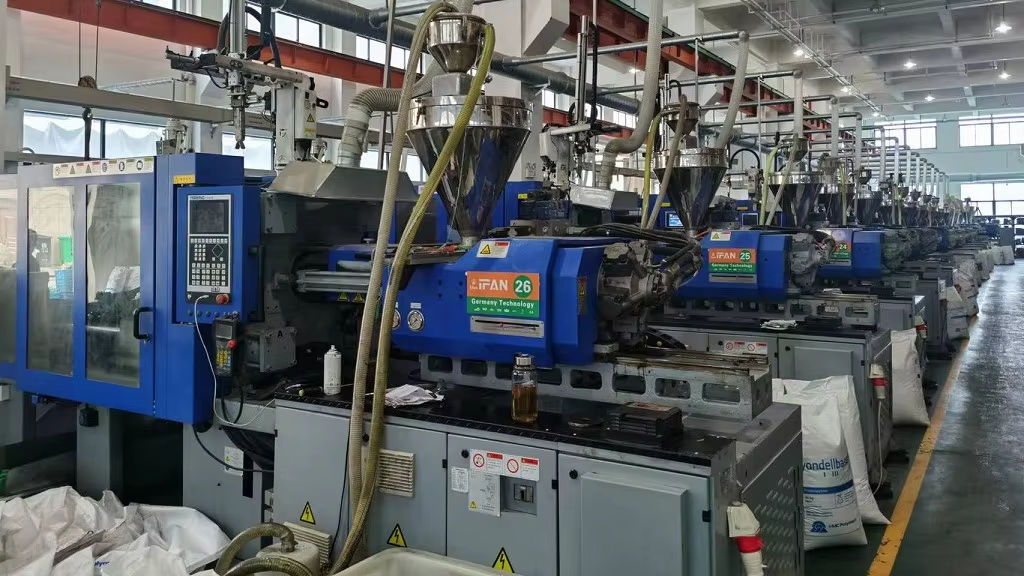
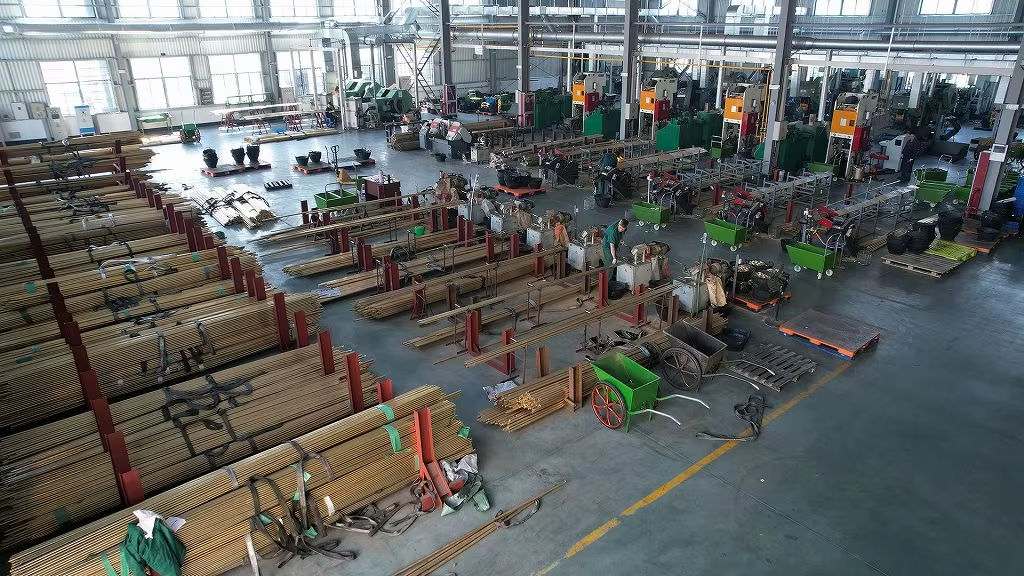
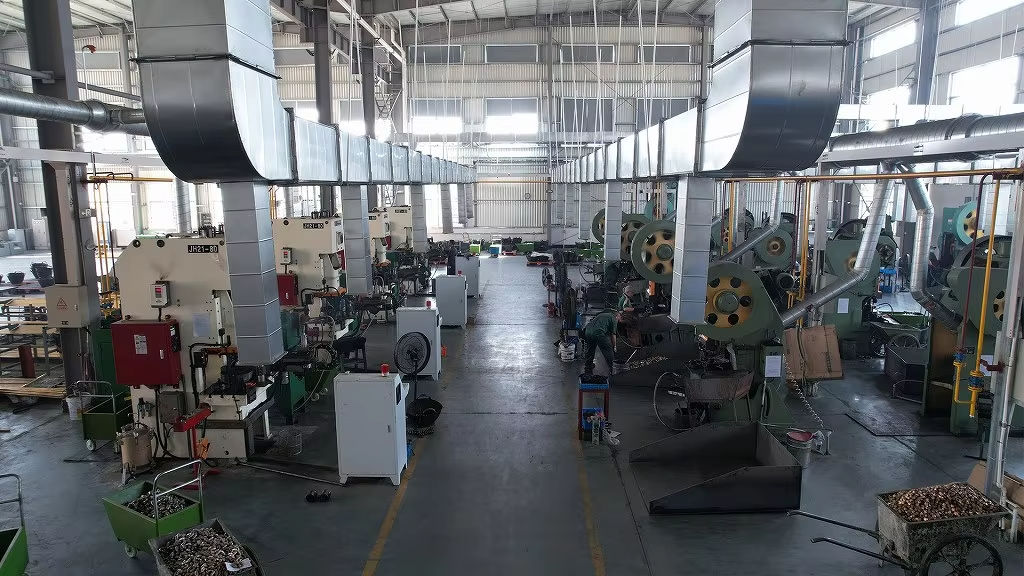
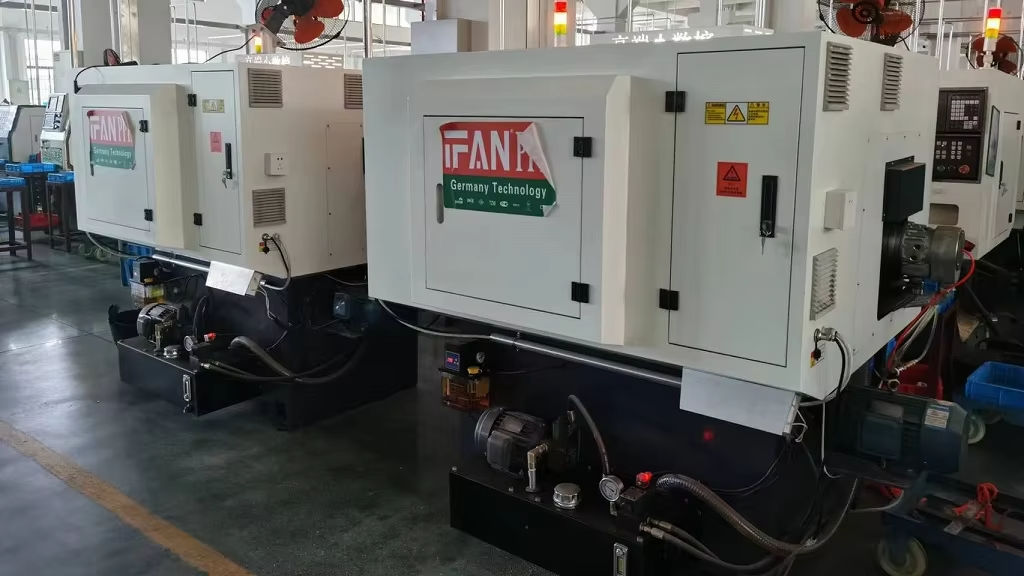
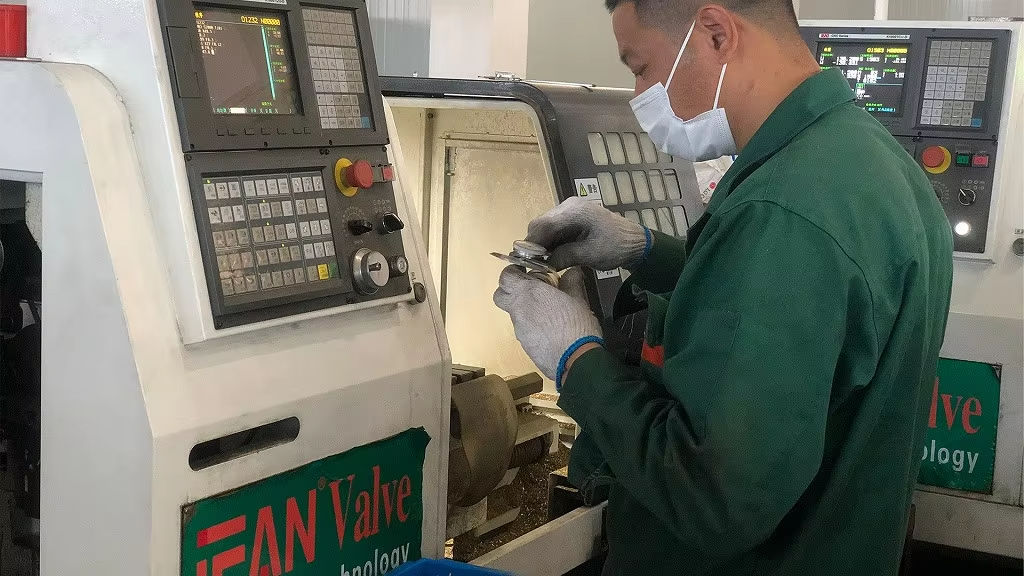
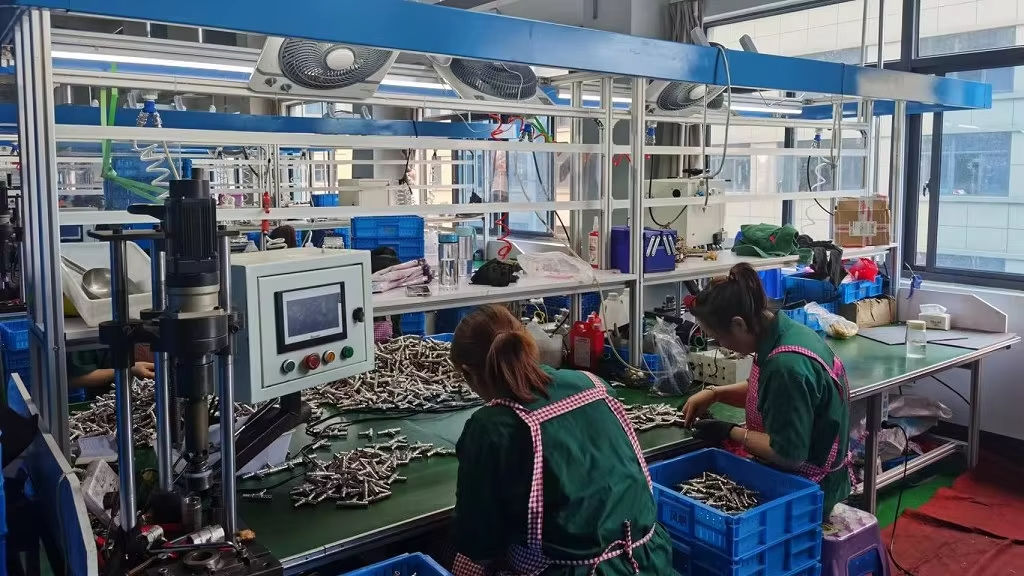
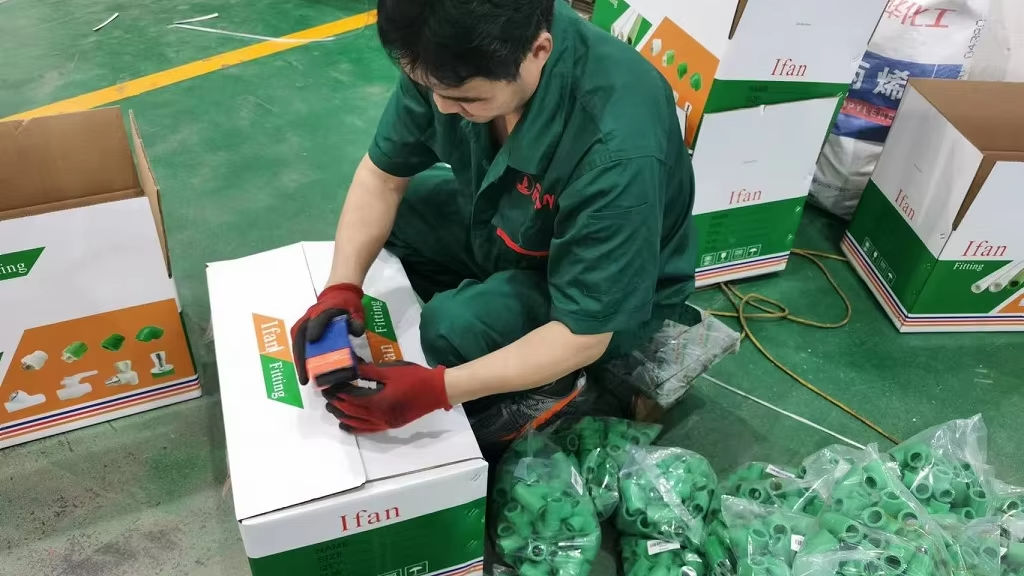
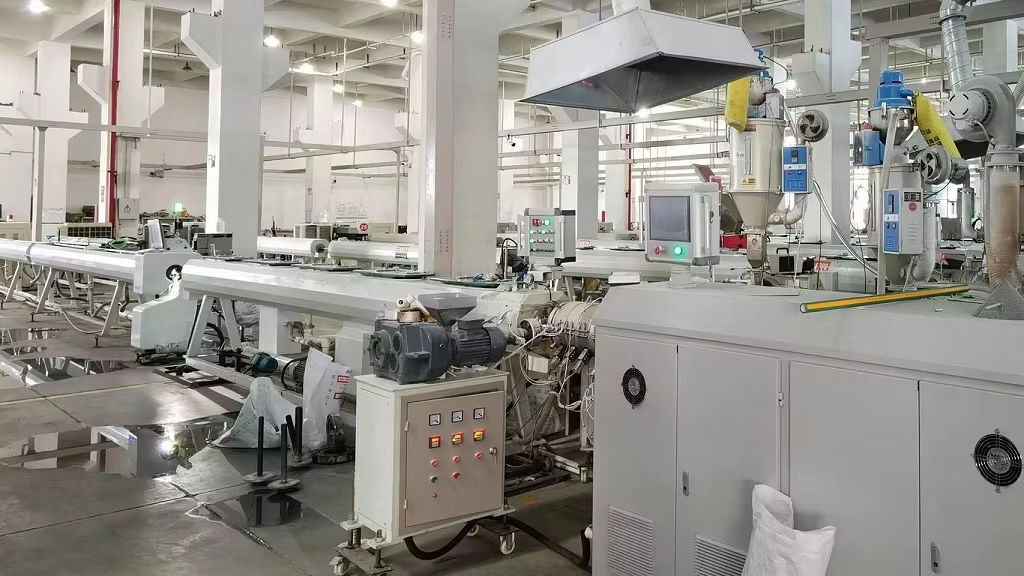
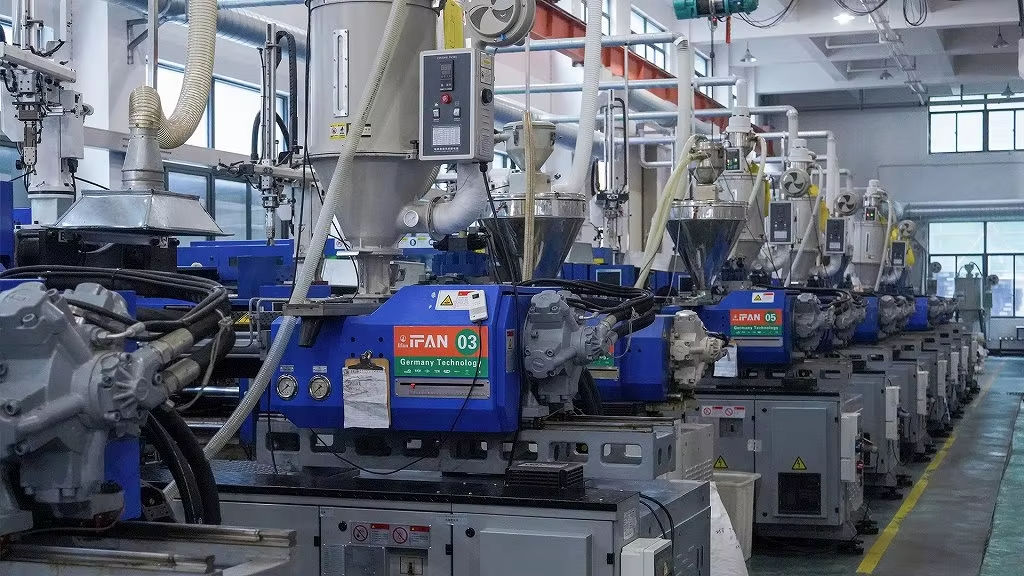
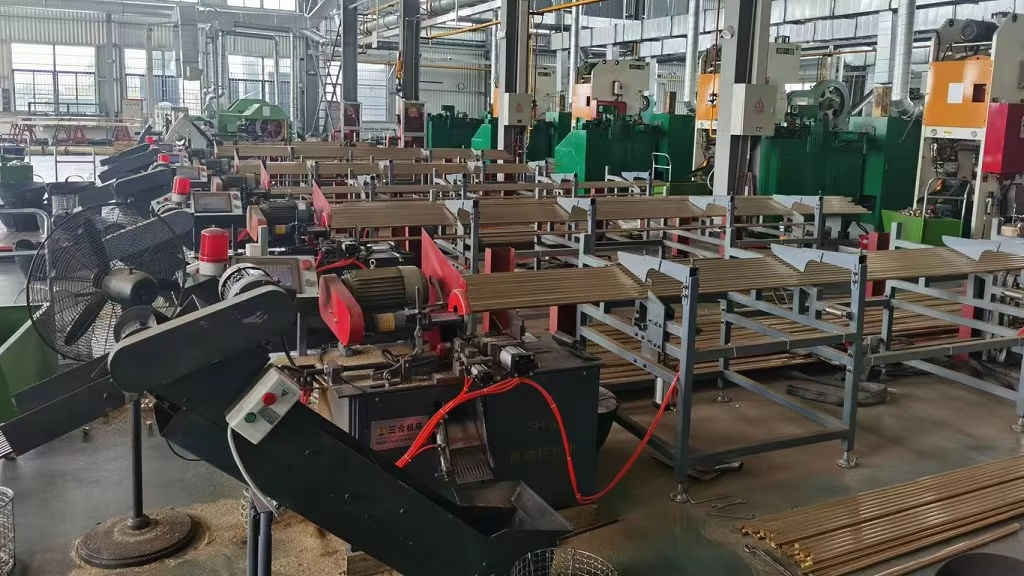
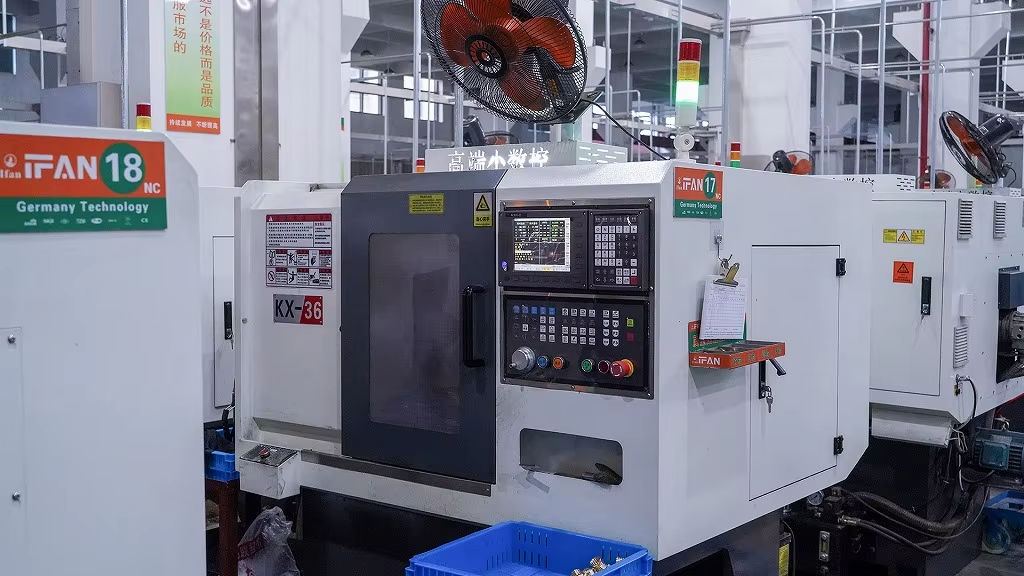
Our state-of-the-art manufacturing facility in Zhejiang utilizes advanced CNC machining, forging, and automated assembly lines to guarantee the dimensional accuracy and structural integrity of every valve we produce. Below is an overview of our end-to-end production process:
Operating in international markets means adhering to strict regional standards and certifications. Zhejiang Maria Valve Co., Ltd. ensures that all exported products comply with global regulatory frameworks:
Our products are manufactured in accordance with ISO 9001, CE (PED 2014/68/EU), API 6D, and FDA requirements, ensuring seamless integration into regulated industrial systems.
We provide full material traceability reports (EN 10204 3.1 certificates), pressure test reports, and non-destructive testing (NDT) documentation upon request.
With a robust global supply chain network, we offer localization support, technical consultation, and rapid spare parts delivery to minimize downtime for our clients.
 Maria Valve