Engineering High-Precision Steam Control Systems, Thermodynamic Trim Solutions, and Severe-Service Valves for Global Industrial Infrastructure
Providing global EPC contractors, power utilities, and industrial processing plants with custom-engineered steam valve technology built to rigorous international standards.
Since its establishment, Zhejiang Maria Valve Co., Ltd. has specialized in manufacturing a comprehensive spectrum of industrial valves, serving critical global sectors including petroleum, steel, thermal power generation, fine chemical synthesis, and municipal water treatment.
Leveraging decades of specialized foundry and precision engineering expertise, we deliver high-reliability control valves, pilot-operated pressure reducers, and severe-service steam trim assemblies built to withstand extreme thermal cycle fatigue.
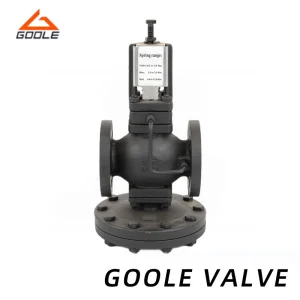
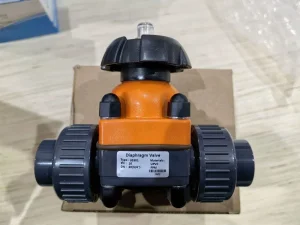
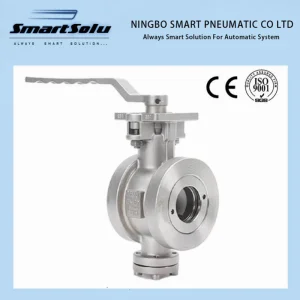
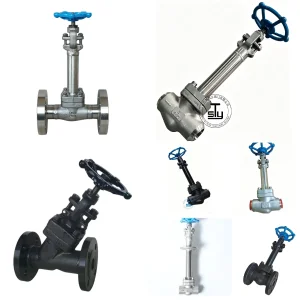
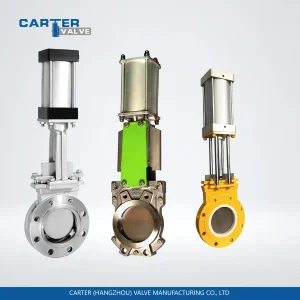
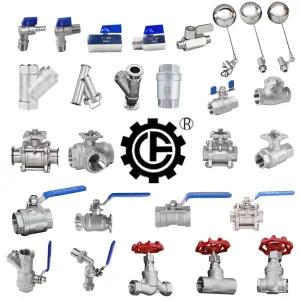
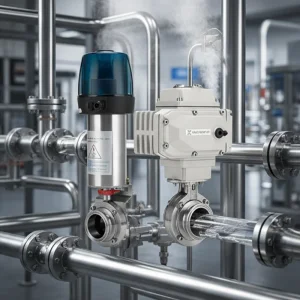
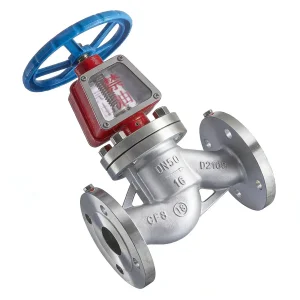
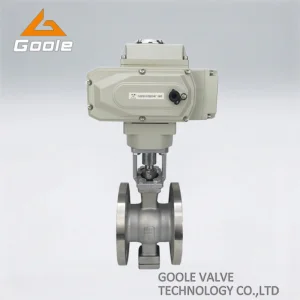
Zhejiang Maria Valve Co., Ltd. provides engineered flow solutions, including pilot diaphragm pressure reducing valves, V-segment wafer ball valves, sanitary butterfly valves, cryogenic globe valves, and custom OEM severe-service steam hardware.
Since 2003, our corporate focus has centered on combining advanced hydrodynamic trim simulation with precision CNC manufacturing, elevating operational efficiency, environmental safety, and thermal management for process plants across 50+ countries.
We systematically advance valve engineering technology by integrating anti-cavitation trim profiles, zero-emission stem packing setups, and wear-resistant Stellite hardfacing alloys.
Through rigid ISO 9001, ASME, API, and CE-PED quality assurance protocols, we ensure every valve leaving our production line delivers lower total cost of ownership (TCO) and uncompromised industrial safety.
Data-driven engineering performance and manufacturing scale for global OEM and industrial partnerships.
In the contemporary landscape of global industrial fluid control, sourcing steam valves from established Chinese manufacturing epicenters like Zhejiang provides unparalleled strategic value. The convergence of complete metallurgical supply chains, advanced CNC machining infrastructure, and dense engineering talent pools enables factories to produce world-class severe-service valves at optimized capital expenditure thresholds.
China's valve manufacturing clusters in Zhejiang house an end-to-end supply chain within a tight geographic radius. From raw material investment casting foundries producing ASTM A216 WCB, ASTM A351 CF8M, and specialized Hastelloy alloys, to precision machining, heat treatment, surface nitriding, and pressure testing facilities—this density eliminates supply chain friction, shortens OEM design-to-prototype cycles, and dramatically reduces lead times for bulk procurement.
Modern Chinese steam valve factories have transitioned from manual lathe operations to multi-axis CNC machining centers and automated robotic polishing lines. Critical sealing surfaces, such as globe valve seats, wedge gate discs, and pilot diaphragms, achieve surface finishes down to Ra 0.2 μm. This micro-finish integrity ensures bubble-tight shut-off (ANSI FCI 70-2 Class VI), minimizing steam wire-drawing erosion and operational steam loss across thermal plants.
Top-tier manufacturers like Zhejiang Maria Valve Co., Ltd. maintain advanced non-destructive testing (NDT) facilities on-site. Testing regimes incorporate dye-penetrant inspection (PT), magnetic particle testing (MT), ultrasonic testing (UT), radiometric wall thickness validation, cryogenic pressure testing down to -196℃, and superheated steam testing up to 540℃ under extreme hydrostatic and pneumatic pressures.
As international energy frameworks push toward net-zero carbon targets and enhanced thermal efficiency, steam management systems are undergoing rapid technological transformations. Steam, as a high-energy density medium, presents unique thermodynamic challenges including thermal shock, water hammer, condensation-induced erosion, and fugitive greenhouse emissions.
Minimizing unmetered steam loss is paramount for energy-intensive processing plants. Upwards of 8% of energy in industrial steam loops is lost due to substandard valve packing and wire-drawing across eroded seats. Modern OEM trends prioritize high-temperature graphite packing systems paired with live-loaded Belleville spring washers that dynamically compensate for thermal expansion and contraction cycles, maintaining compliance with ISO 15848-1 Class AH fugitive emission standards.
The integration of smart electro-pneumatic positioners equipped with HART, Profibus, or Foundation Fieldbus protocols allows real-time valve diagnostics. Advanced steam pressure reducing valves (such as the Spirax Sarco DP series derivatives) are increasingly fitted with integrated temperature and pressure sensors that stream real-time flow coefficient (Cv) dynamics to central Distributed Control Systems (DCS), predicting steam trap failure and valve cavitation before system shutdown occurs.
To resist severe steam erosion at temperatures exceeding 450℃, modern valve engineering heavily utilizes Stellite 6 cobalt-base alloy hardfacing applied via Plasma Transferred Arc (PTA) welding onto valve discs, seats, and stems. This material upgrade guarantees high hardness (HRC 40-45) at elevated temperatures, preventing galling and seat scoring under high-differential pressure conditions.
Custom OEM steam valves tailored for high-demand thermal, chemical, and hygienic process environments.
Application Challenge: Supercritical steam loops operate under high differential pressure and extreme temperatures (>540℃), leading to violent noise, severe cavitation, and rapid seat erosion during turbine start-up and shutdown.
Custom OEM Solution: We supply multi-stage pressure letdown control valves featuring labyrinth trim profiles that break high-pressure steam into micro-jets, dissipating kinetic energy safely and reducing aerodynamic noise by up to 25 dBA while preventing trim destruction.
Application Challenge: Hydro-cracking and crude distillation units require constant steam tracing to maintain viscous fluids above pour-point temperatures, demanding maintenance-free pressure regulation under continuous outdoor exposure.
Custom OEM Solution: Direct-acting and pilot-operated diaphragm pressure reducing valves constructed from heavy-wall ASTM A216 WCB or SS316 with stainless steel internal diaphragms, delivering ±1% outlet pressure stability despite fluctuating boiler header inlet pressures.
Application Challenge: Autoclaves and Clean-in-Place (CIP/SIP) systems in bio-pharma facilities demand sterile, pure steam free of corrosion particulates, elastomers, or lubricant contamination.
Custom OEM Solution: Sanitary SS316L wafer butterfly and diaphragm valves featuring electro-polished internal surfaces (Ra < 0.38 μm), PTFE/EPDM FDA-compliant seals, and self-draining bodies to eliminate condensate pooling and bacterial growth.
Application Challenge: Large-scale urban heating systems handle high-volume saturated steam across dozens of pressure-reducing substations, requiring low-maintenance globe and gate valves capable of surviving seasonal cycling.
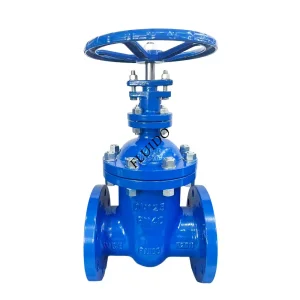
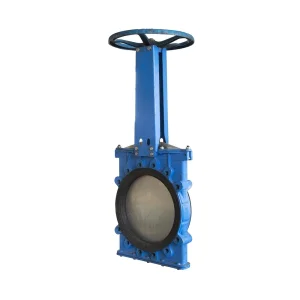
Custom OEM Solution: Heavy-duty GGG50 ductile iron and cast steel flanged gate and globe valves with flexible wedges, bellow seals for maintenance-free stem sealing, and customized gear/actuator interfaces for SCADA central control.
A transparent look inside our state-of-the-art production lines, machinery, and quality control checkpoints at Zhejiang Maria Valve Co., Ltd.
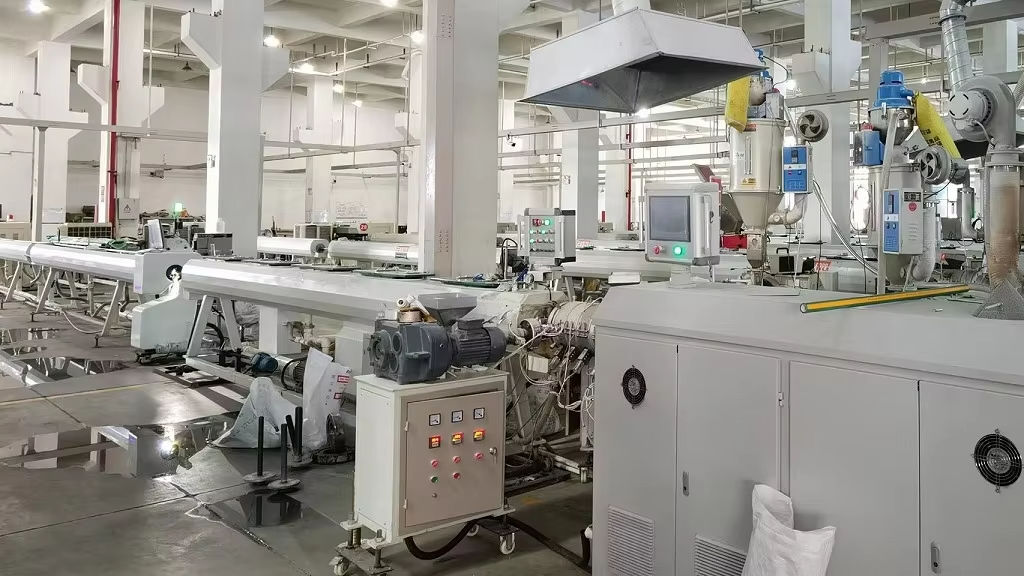
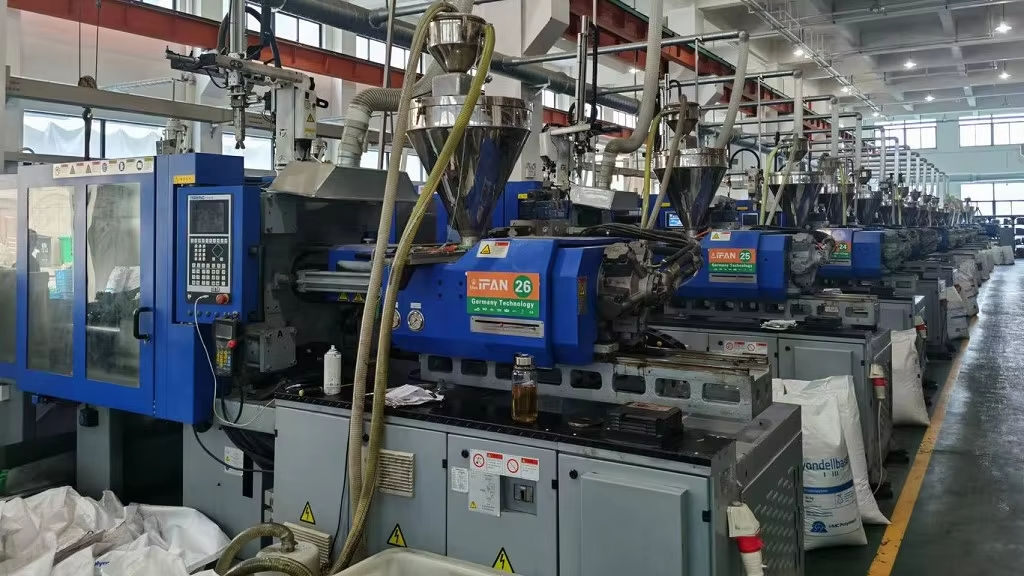
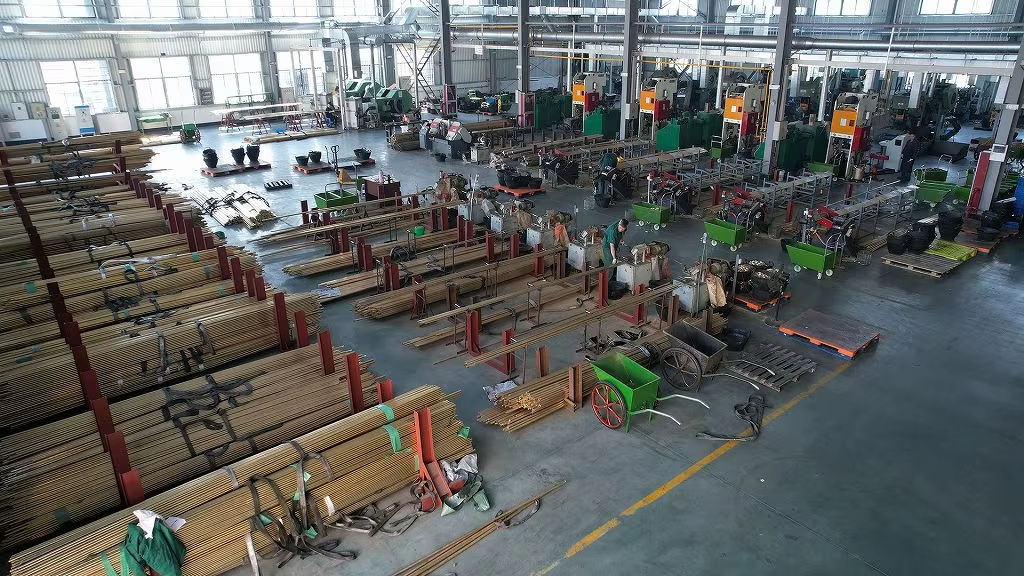
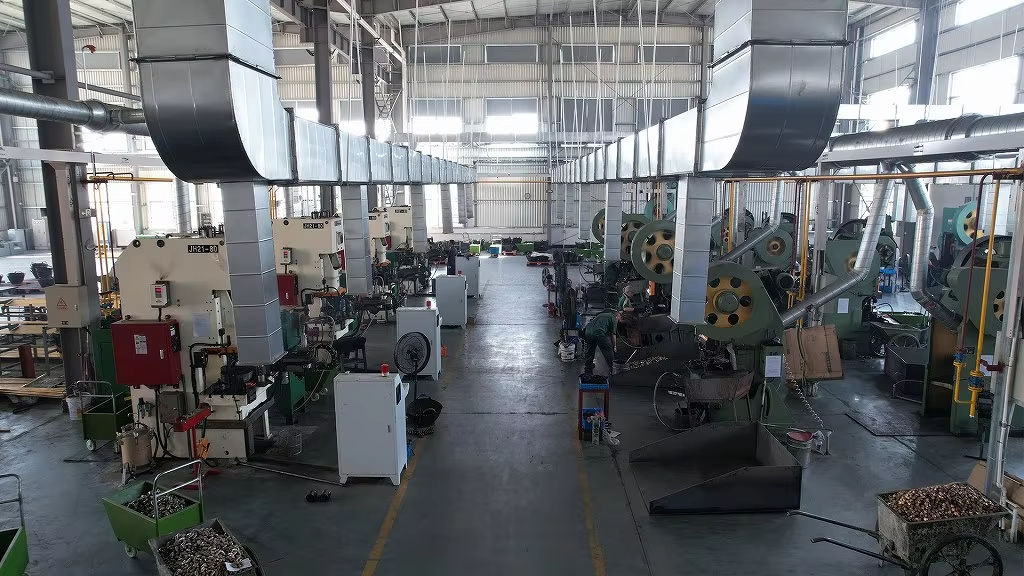
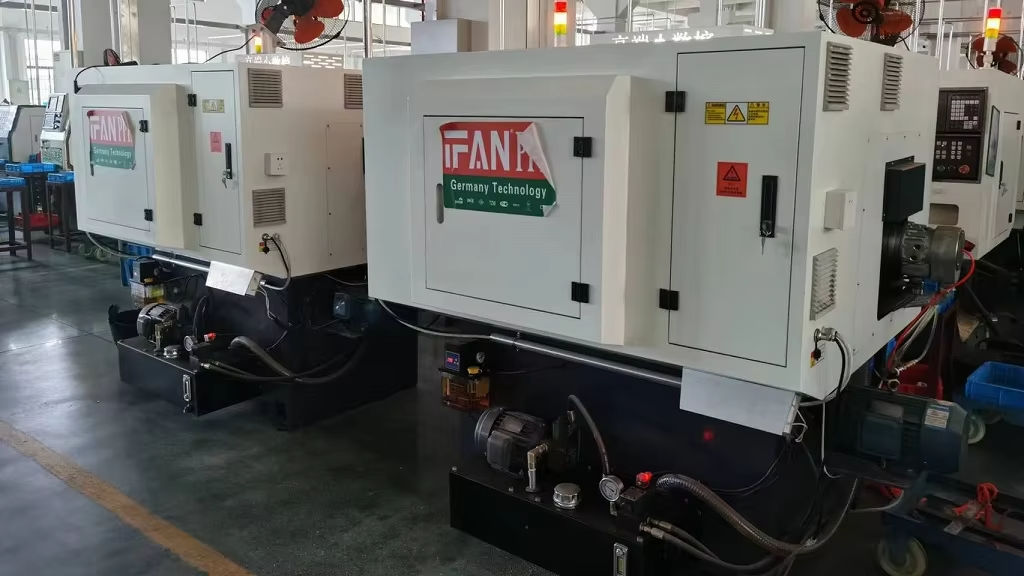
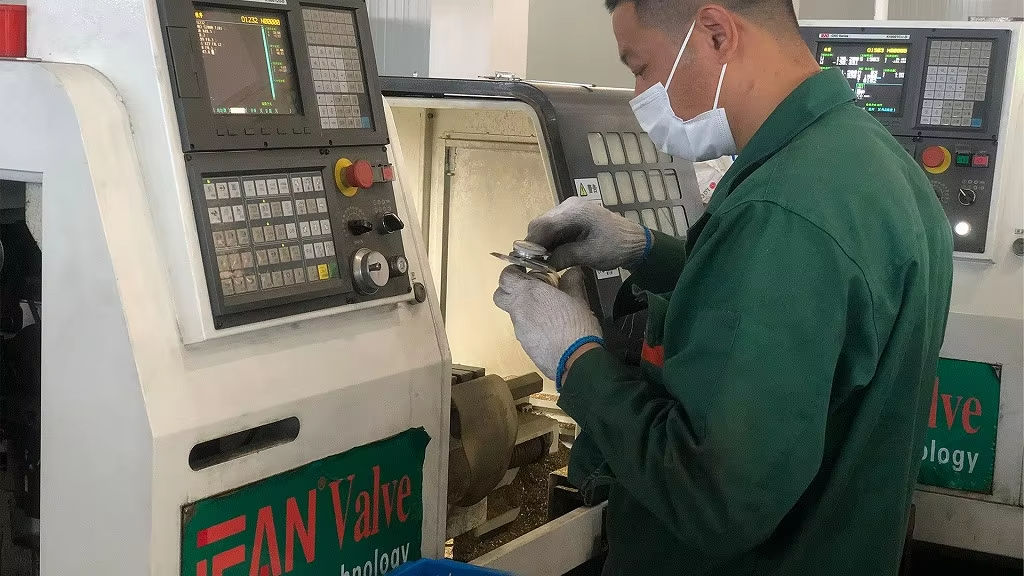
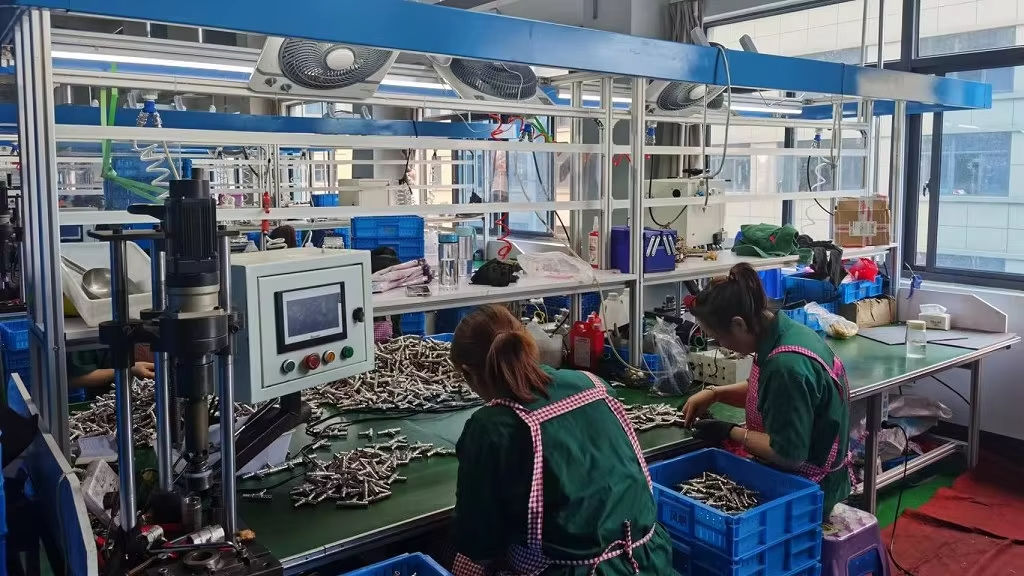
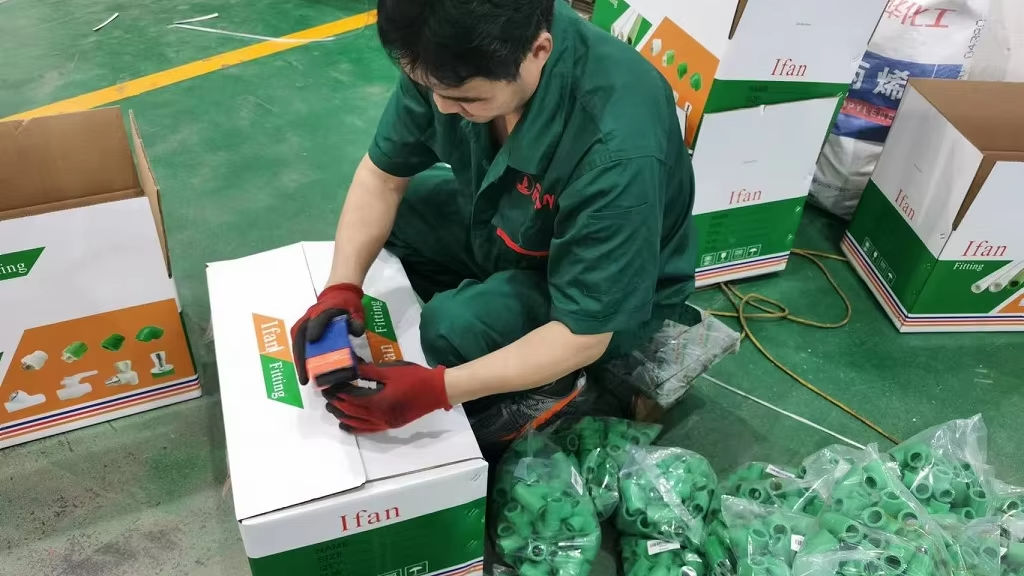
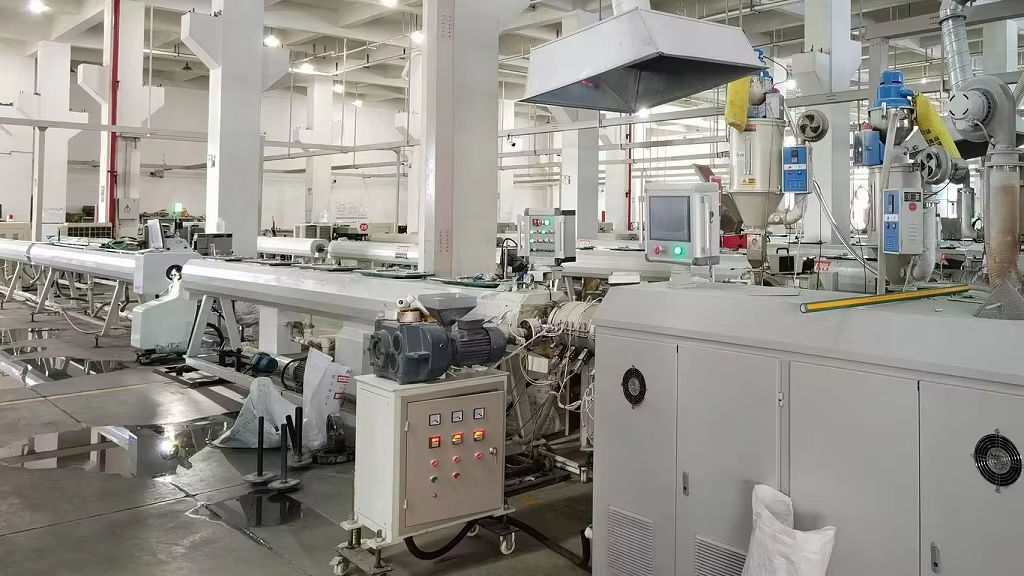
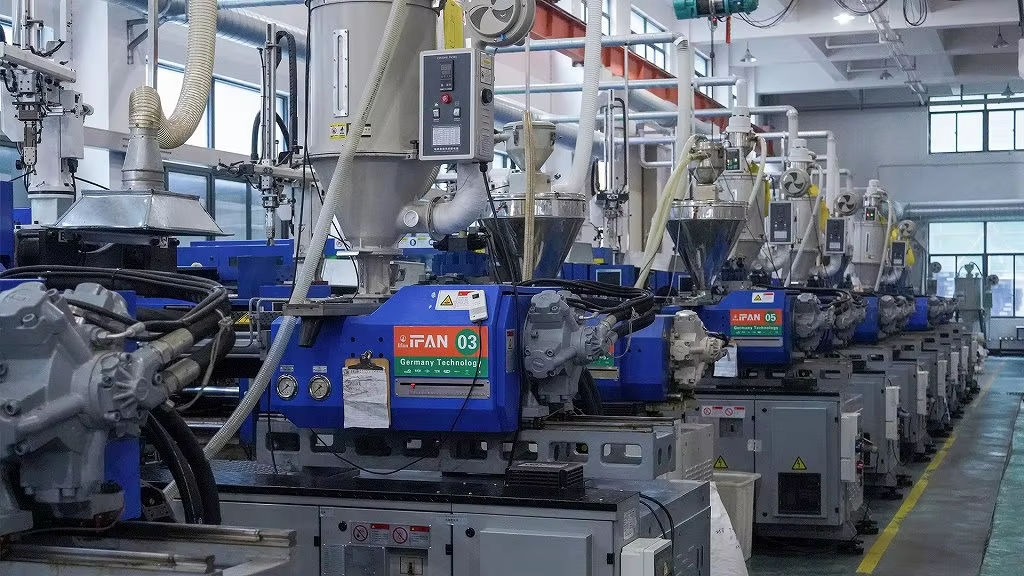
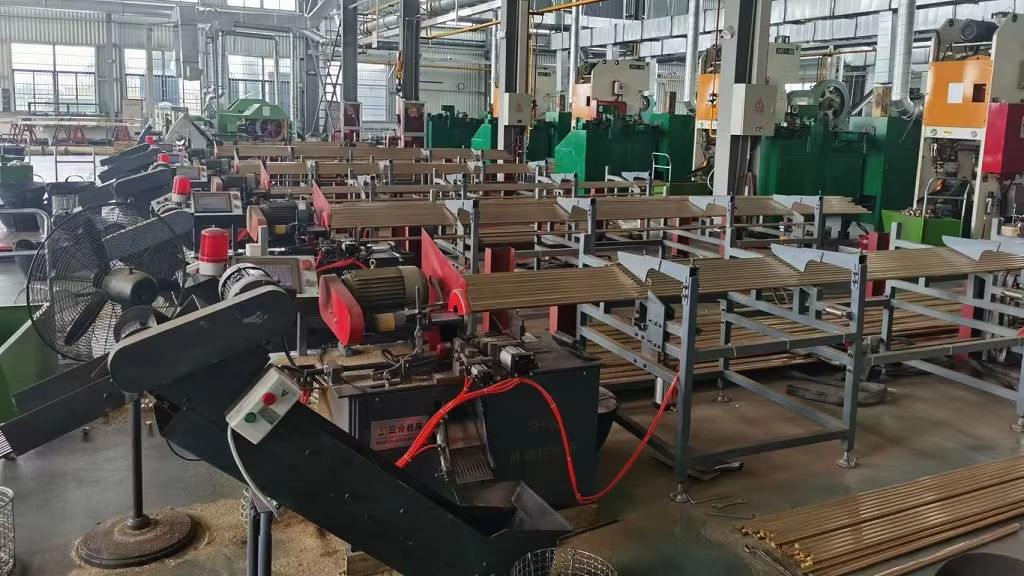
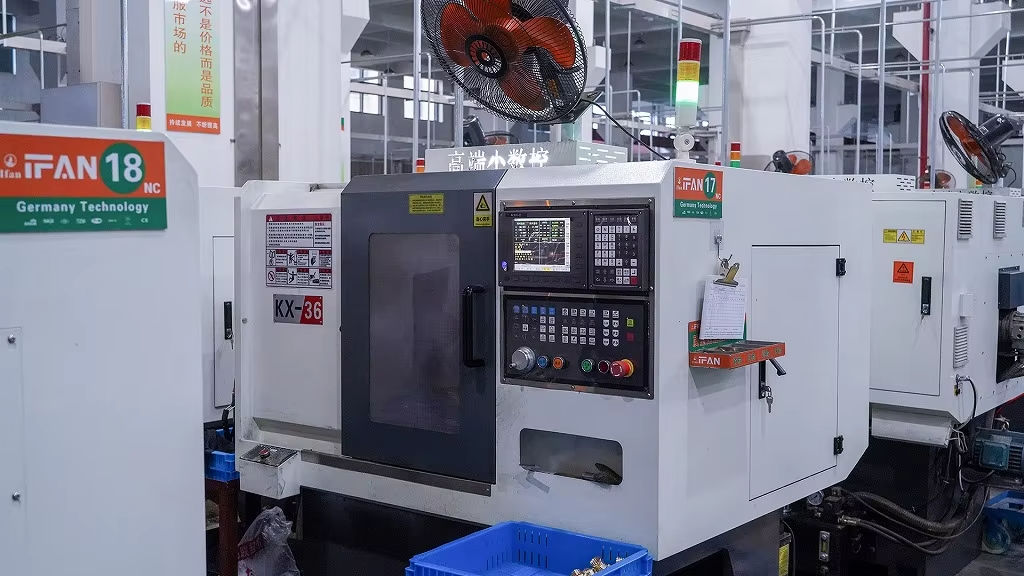
Procuring severe-service steam valves for international projects requires rigid adherence to global standards, mill test traceability, and verification of non-destructive examination (NDE). B2B procurement managers and project engineers must evaluate suppliers across four core technical vectors:
Valves operating in high-pressure steam utility networks must comply strictly with ASME B16.34 (Valves - Flanged, Threaded, and Welding End), API 600, or EN 12516. Wall thickness measurements taken via ultrasonic thickness gauges verify structural safety under pressure surges. Lower-quality manufacturers often thin out body walls to save metal weight, compromising safety under thermal expansion loads.
Every casting and forging used at Zhejiang Maria Valve Co., Ltd. is linked to a heat number with accompanying EN 10204 3.1 Material Test Reports (MTR). Spectrographic chemical analysis and mechanical tensile/impact testing ensure that steel grade chemistry matches strict ASTM limits (e.g., carbon max 0.25% for A216 WCB to maintain weldability during field installations).
With volatile chemical processes using steam stripping, valve stem seal failure releases hazardous vapors. Advanced steam valves feature live-loaded PTFE or graphite packing matrices tested per ISO 15848-1 Class AH or API 622, guaranteeing zero detectable stem emissions over 10,000 operational cycles.
Off-the-shelf valves frequently fail to meet specialized face-to-face dimensions or retrofitting constraints. Zhejiang Maria Valve provides extensive OEM/ODM engineering customization: custom face-to-face dimensions per ASME B16.10, specialized high-temp coatings, exotic alloy trims (Monel, Inconel, Hastelloy), and proprietary mounting pads for ISO 5211 electric or pneumatic actuators.
Expert insights on steam valve selection, OEM design parameters, and plant installation protocols.
 Maria Valve