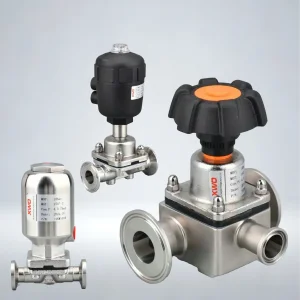
Basic Specifications
Structure
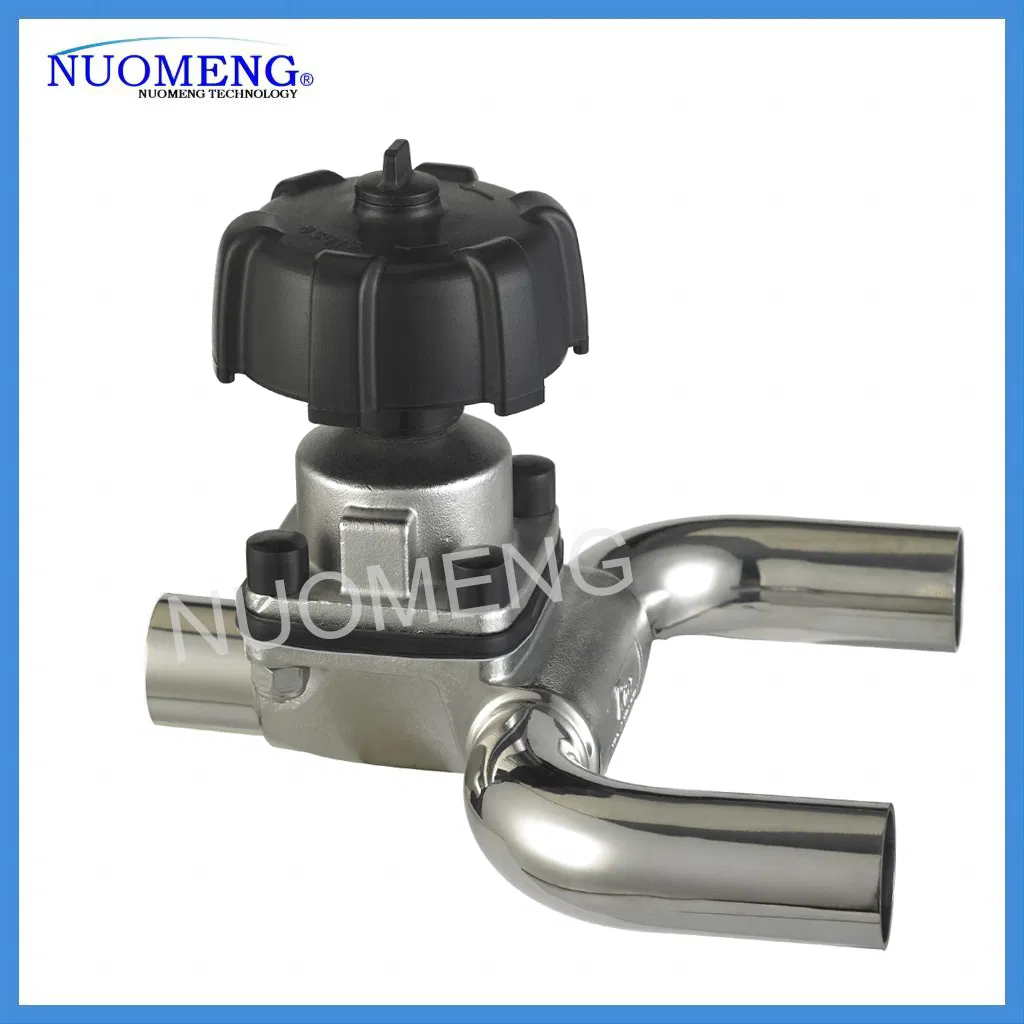
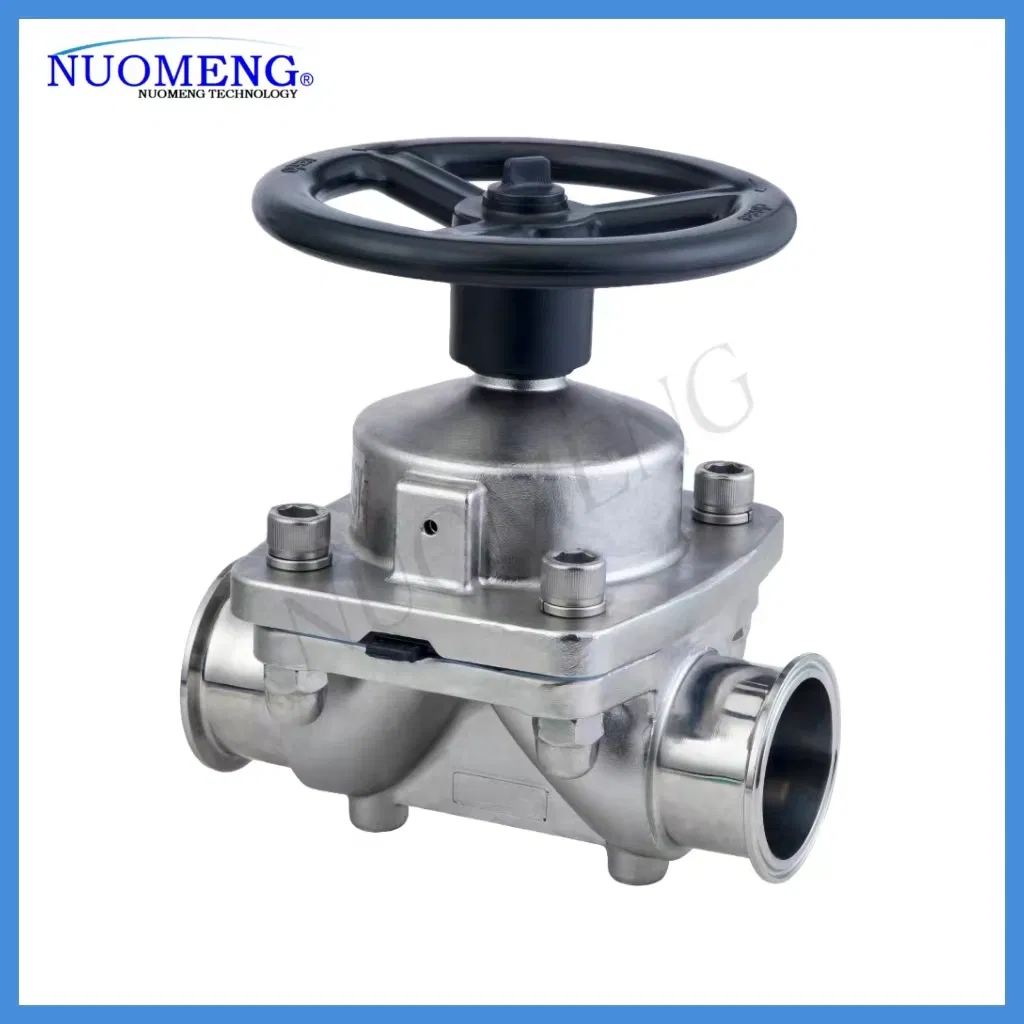
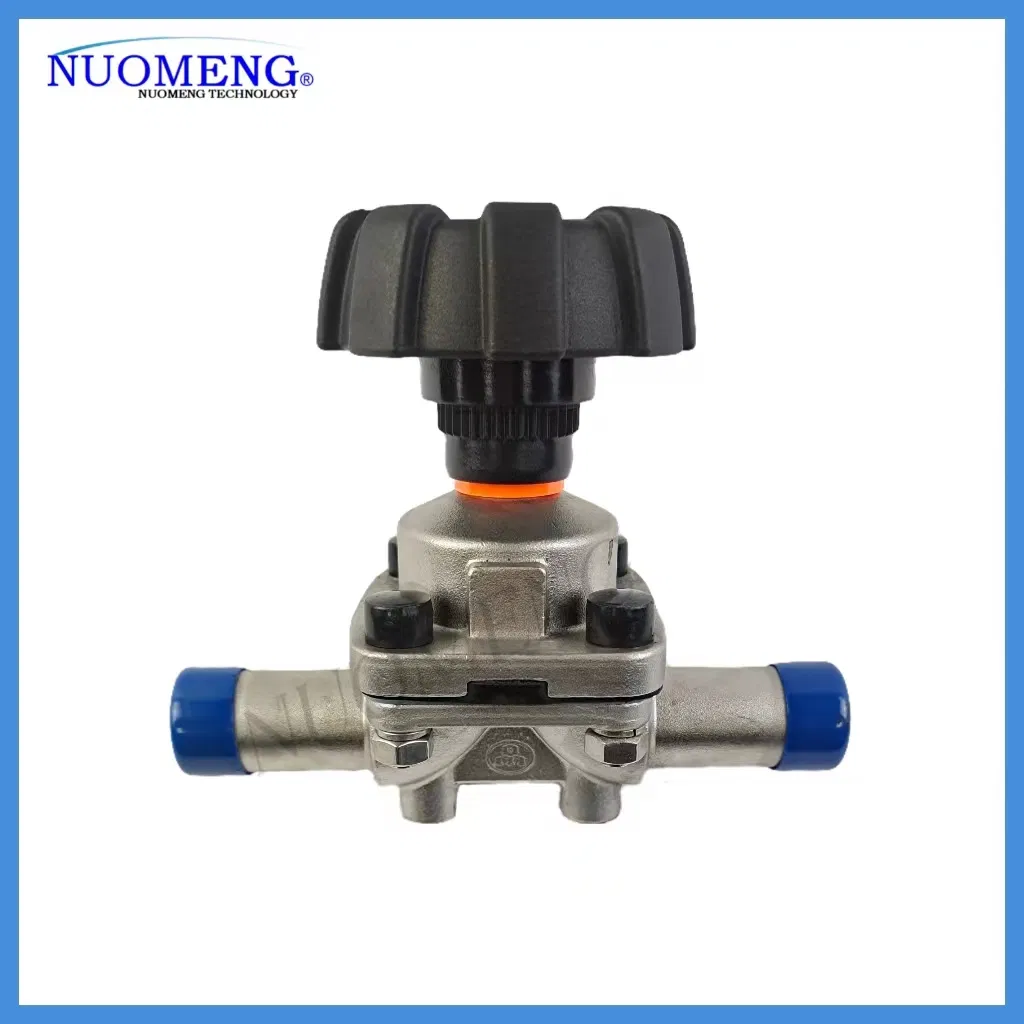
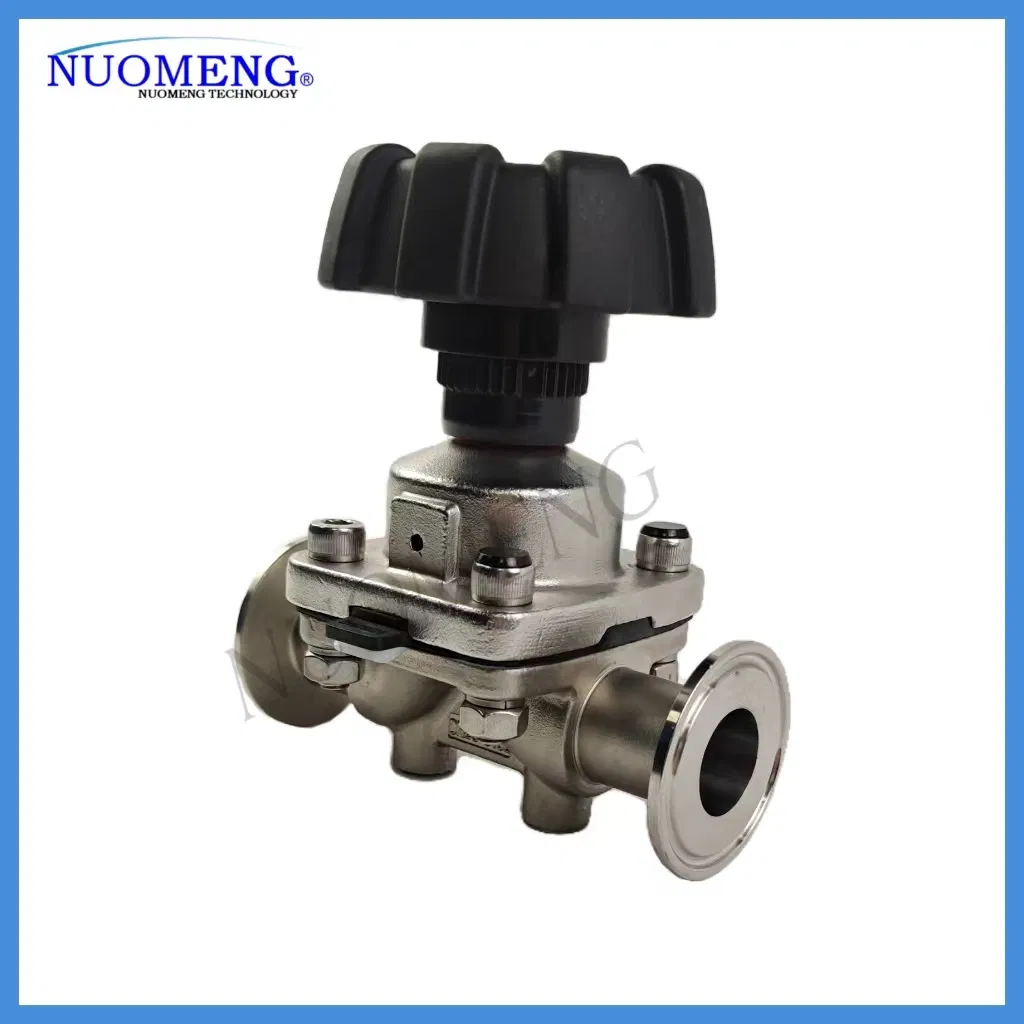
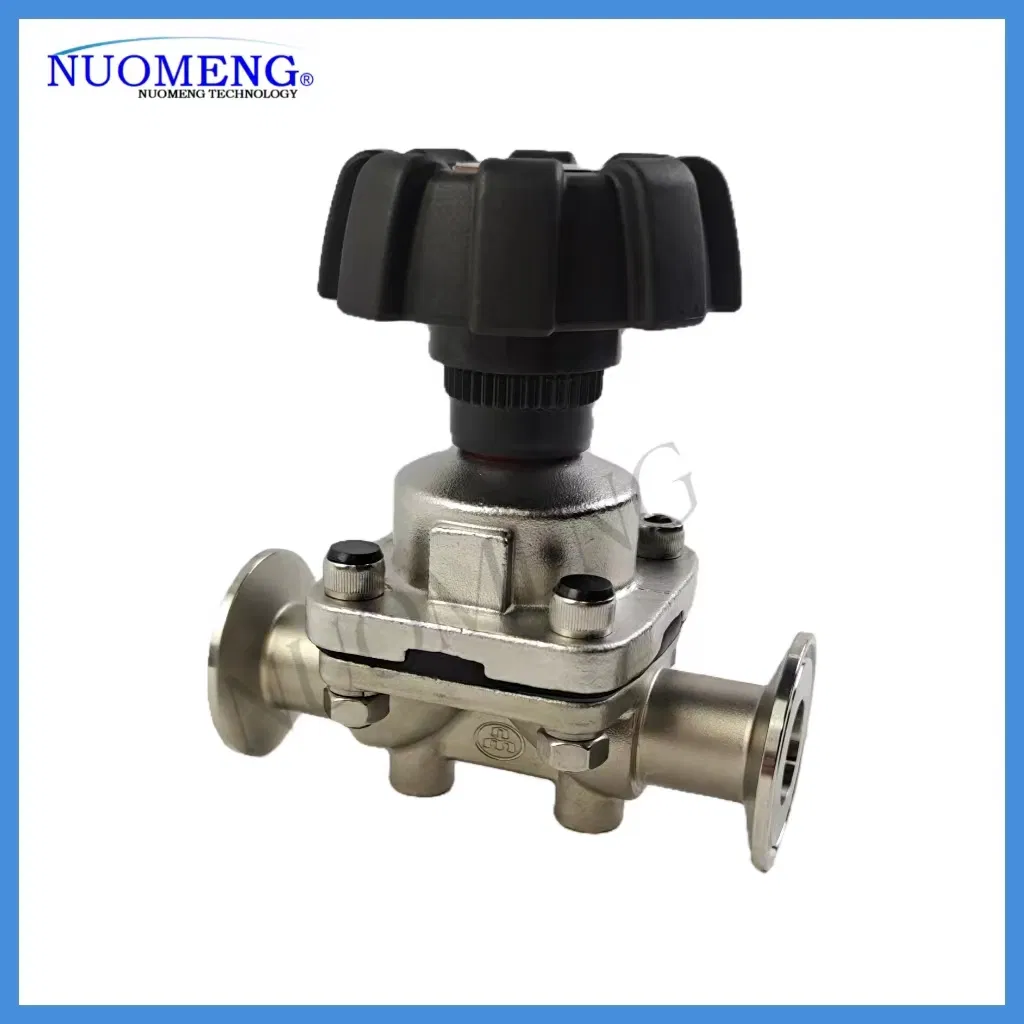
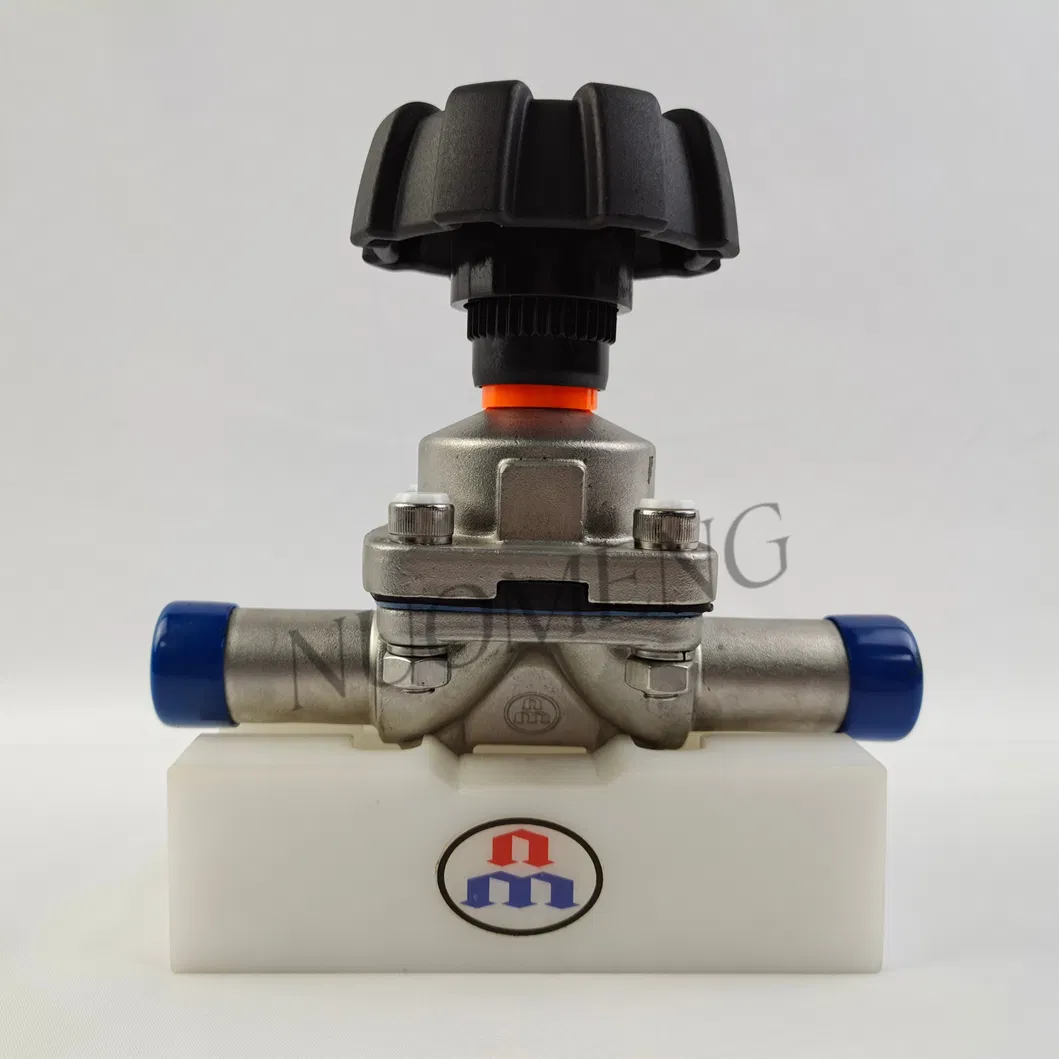
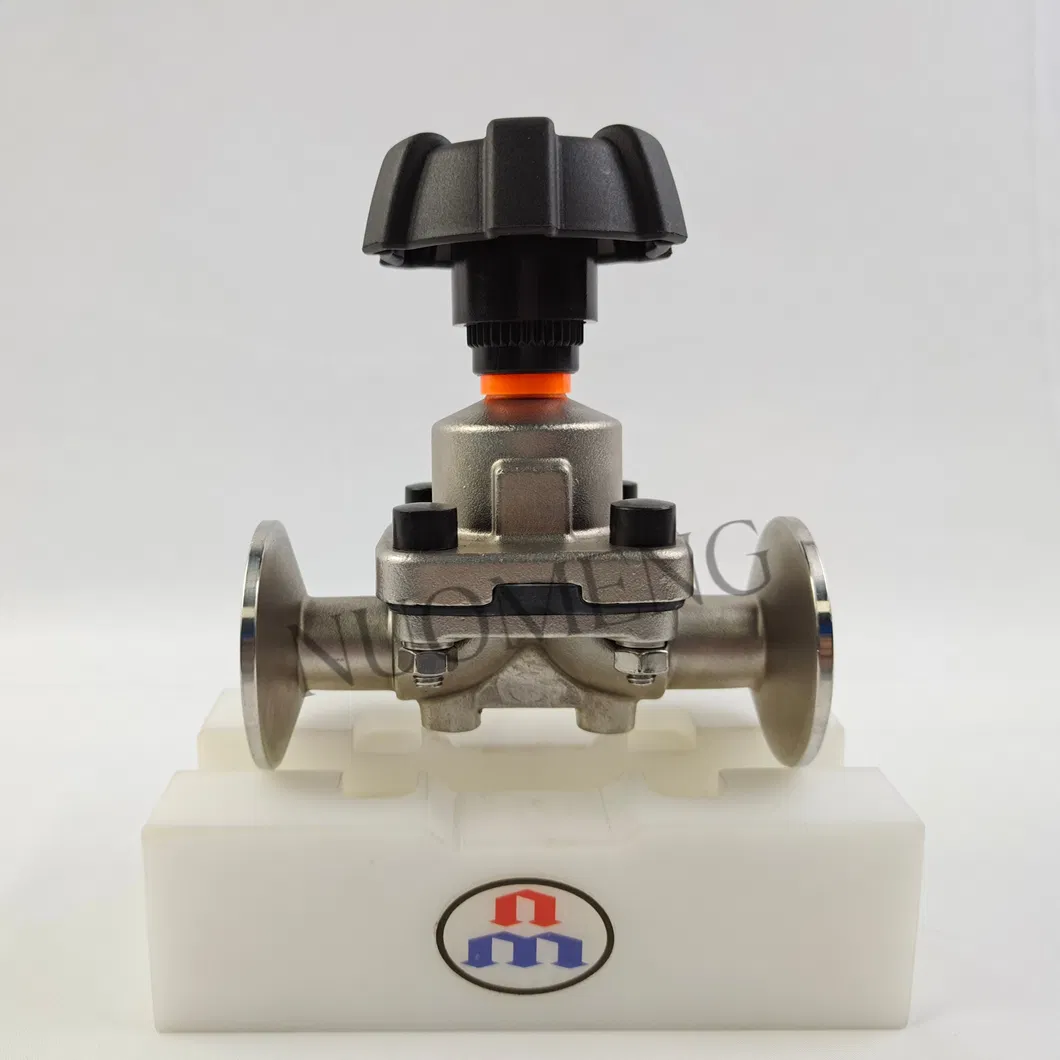
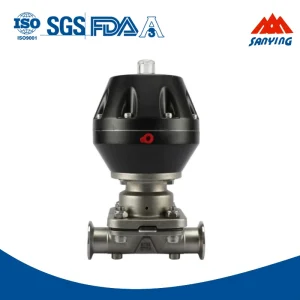
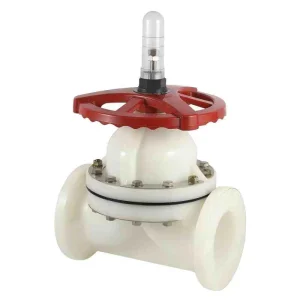
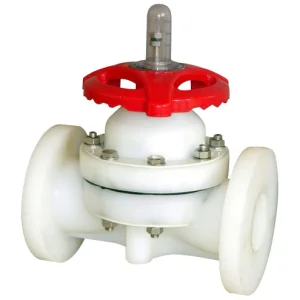
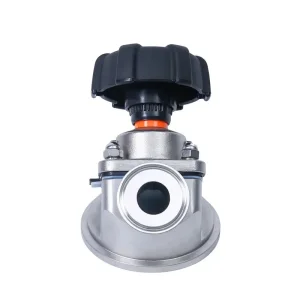
Roof Type Diaphragm Valve
Flow Direction
Bidirectional
Working Temp
-20 to 135 °C (EPDM)
Max Sterilization
150 °C (Max 20 Min)
Surface Treatment
Ra 0.4 to 0.8 μm (Inside)
Product Overview
Solutions in terms of sanitary valves and pipeline engineering systems are provided for customers in different fields, including pharmaceutical and biotechnology, food and beverage, microelectronic and semiconductor as well as chemical industries.
Innovative Technology: Products are widely applied in pharmaceutical, food and biotechnology fields. High standards for quality and devices conform with safety requirements in sanitation and sterilization.
If diaphragm valves are to be applied in pharmaceutical, semiconductor, microelectronic and new chemical industries, the valves have to be aseptic and stainless steel to make sure the media is extremely purified. Thus, aseptic stainless steel diaphragm valves can be applied to process WFI, ultra-purified chemicals, intermediate or final products.
Elastic Diaphragm Features
The diaphragm is evenly fixed in PTFE with a screw. Compared to clamp connection, the biggest advantage of using a screw is that it transfers the force evenly to a large area of the flange, preventing damage to the mechanical connection, especially under vacuum conditions.
Soft elastic diaphragm consists of a mixture of EPDM rubbers. These mixtures are vulcanized for safe use at high temperatures. PTFE diaphragm (TFM1700) is known as the second-generation PTFE, offering maximum chemical resistance. Under steam conditions, PTFE diaphragms wear much slower than soft elastomers.
Work Principle & Application
Application: RG diaphragm valves are widely used in wine, dairy products, beverage, foodstuff industry, and pharmacy, achieving the requirements of control and open/close for pipeline systems.
Work Principle: The diaphragm is closed under normal state, clung to the valve body cavity and closing off the flow path. When cleaning or opening is required, the stem moves upwards via manual actuator, allowing natural bending of the diaphragm. This separates the lower body cavity from the upper chamber, eliminating the need for packing structures and preventing media leaks.
| 3A-NO.RG2102 |
Size |
Length |
Diameter |
Height |
Thickness |
| Manual Welded |
2 1/2" |
216.0 |
63.5 |
199/228 |
1.65 |
Frequently Asked Questions
What are the main applications for the RG2102 diaphragm valve?
It is primarily used in high-purity industries such as pharmaceutical, biotechnology, food and beverage, and microelectronics for flow control and aseptic processing.
What materials are used for the valve body and seals?
The valve body is made from Stainless Steel 304 or 316L, and the seals are made from EPDM+PTFE, which conform to FDA standards.
Can this valve handle high-temperature sterilization?
Yes, it can withstand sterilization temperatures up to 150 Degree Celsius for a maximum of 20 minutes.
Why is the screw fixation for the diaphragm preferred?
Screw fixation transfers force evenly across a large area of the flange, preventing mechanical damage and ensuring stability under vacuum operating conditions.
How often should the diaphragm be replaced?
The diaphragm is a consumable part. Replacement intervals depend on the frequency of sterilization, cycling, and the chemical properties of the media used. Regular inspection is recommended.
What connection standards does the valve follow?
The standard model is 3A with a welded connection, though other standards like IDF, SMS, DIN, and ISO are also available.
 Maria Valve