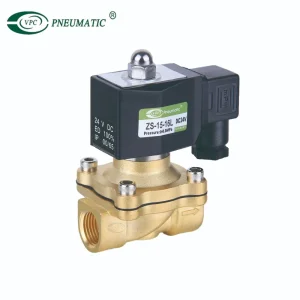
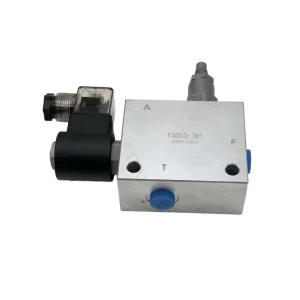
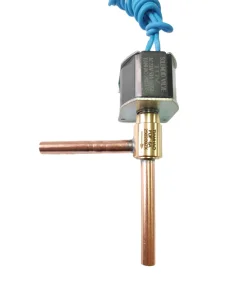
Engineered for compliance, maximum efficiency, and longevity under ACT municipal and industrial operating parameters.
As the political and administrative hub of the Australian Capital Territory (ACT), Canberra presents a highly specialized, clean-industry ecosystem. Distinct from heavy smelting hubs, Canberra’s commercial infrastructure relies heavily on institutional climate control, sustainable water management networks (led by initiatives like Icon Water), and high-security defense and scientific research facilities located in hubs such as Fyshwick, Hume, and Mitchell.
Solenoid valves utilized within Canberra must withstand challenging Australian ambient conditions—ranging from freezing sub-zero winter mornings to blistering summer heat above 40°C—demanding robust coil insulation class H structures, weatherproofing to IP65/IP67, and certified dezincification-resistant (DZR) lead-free brass bodies to satisfy strict Australian drinking water guidelines (AS/NZS 4020). Implementing high-performance flow control mechanisms within public facilities, green buildings (complying with NABERS energy performance index), and scientific laboratories necessitates an experienced manufacturer that understands the nuances of Australian infrastructure compliance.
The global process valve market is undergoing a transition driven by industrial automation, Internet of Things (IoT) diagnostic feedback, and decarbonization strategies. Procurement leads representing large construction, HVAC, and civil projects in Canberra are progressively shifting away from low-cost, short-lifecycle components. They now demand solenoid valves engineered with ultra-low-power hold circuits, predictive diagnostic coils, and responsive pneumatic components that reduce baseline energy expenditure.
"Procurement protocols in the ACT region now incorporate comprehensive life-cycle costing models. Valves are no longer assessed solely on initial purchase cost, but on longevity, energy footprint, and system downtime prevention."
Zhejiang Maria Valve Co., Ltd. addresses this global transformation. By investing in precision robotic CNC lines and automated functional test beds, we bridge the gap between competitive manufacturer pricing and international build standards. This alignment delivers an tangible information gain for procurement managers looking to minimize supply chain volatility and lower their operational total cost of ownership (TCO).
To maintain structural integrity across high-pressure environments (0 to 10bar and above), Zhejiang Maria Valve Co., Ltd. implements a highly disciplined, end-to-end manufacturing workflow. Every stage—from pipe extrusion to automated CNC tooling—is tightly controlled inside our ISO 9001:2015 certified production lines.
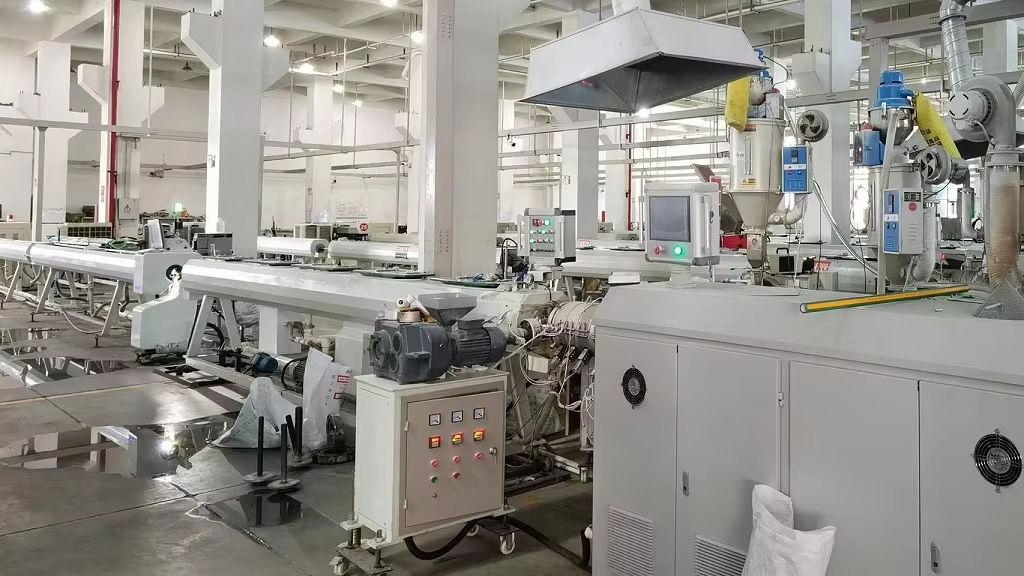
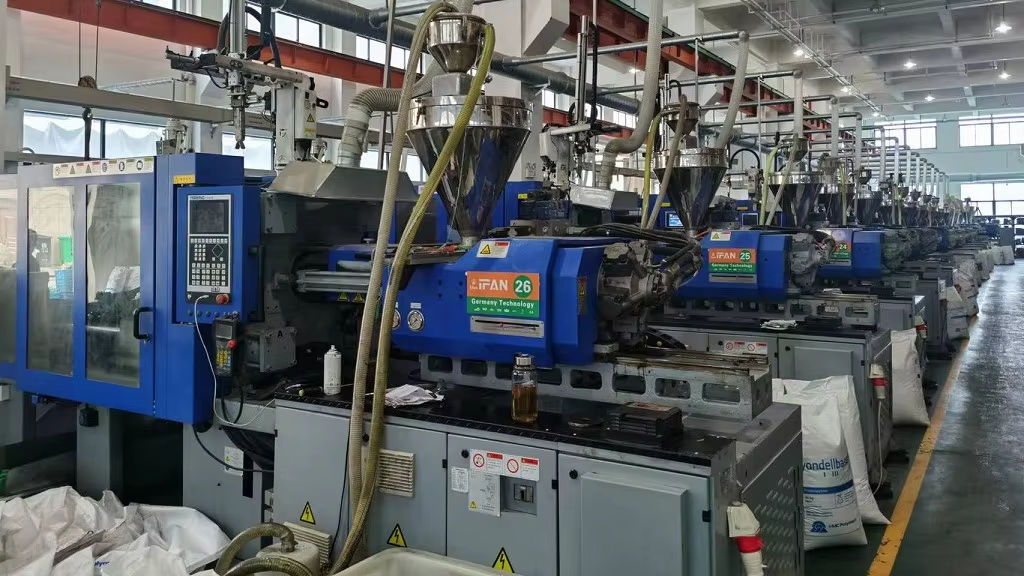
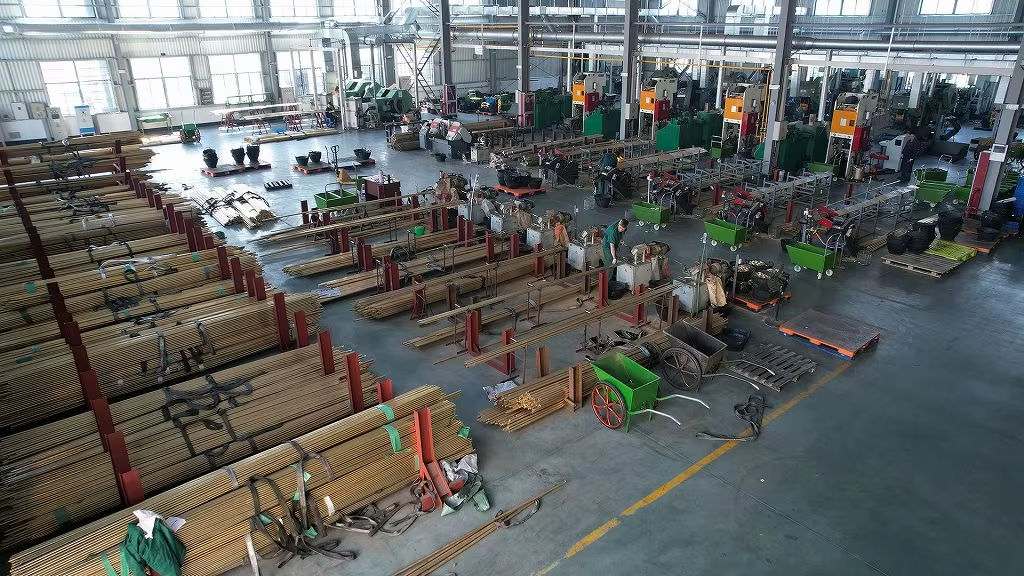
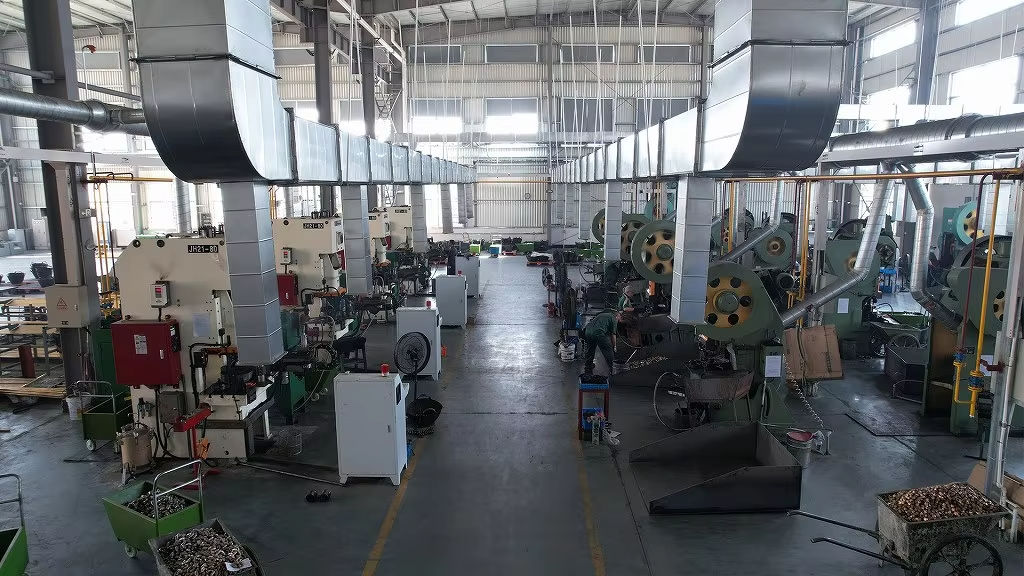
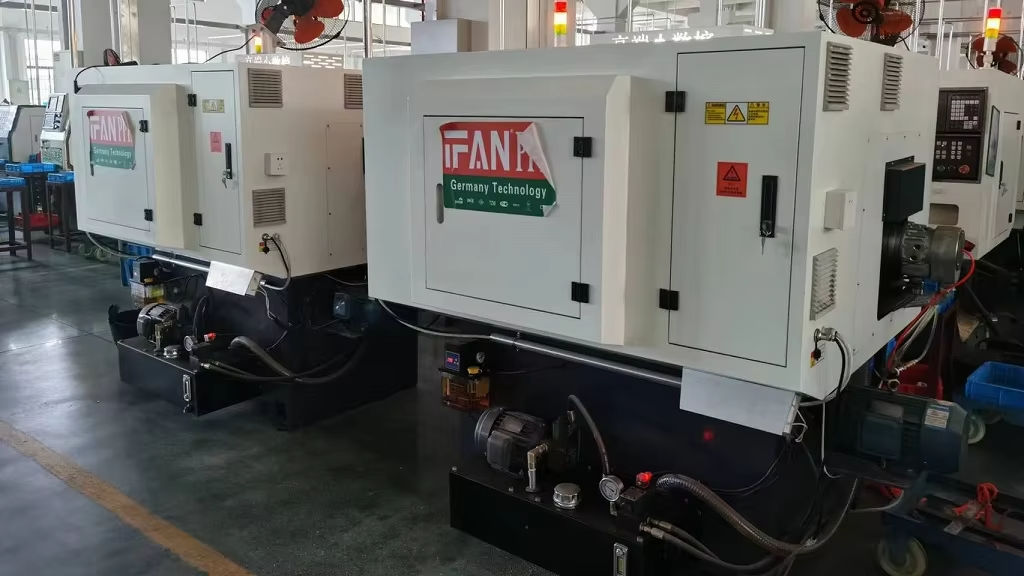
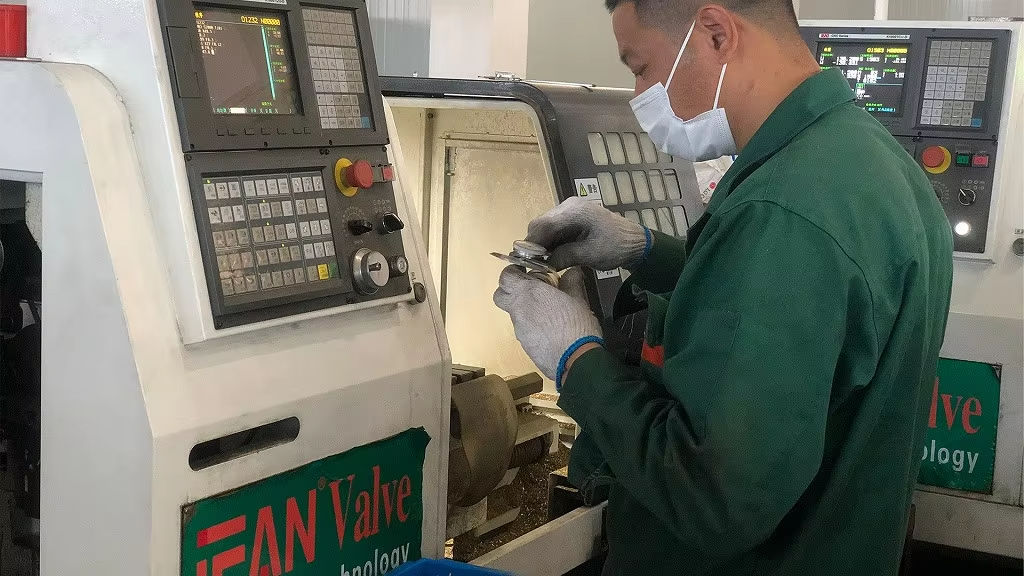
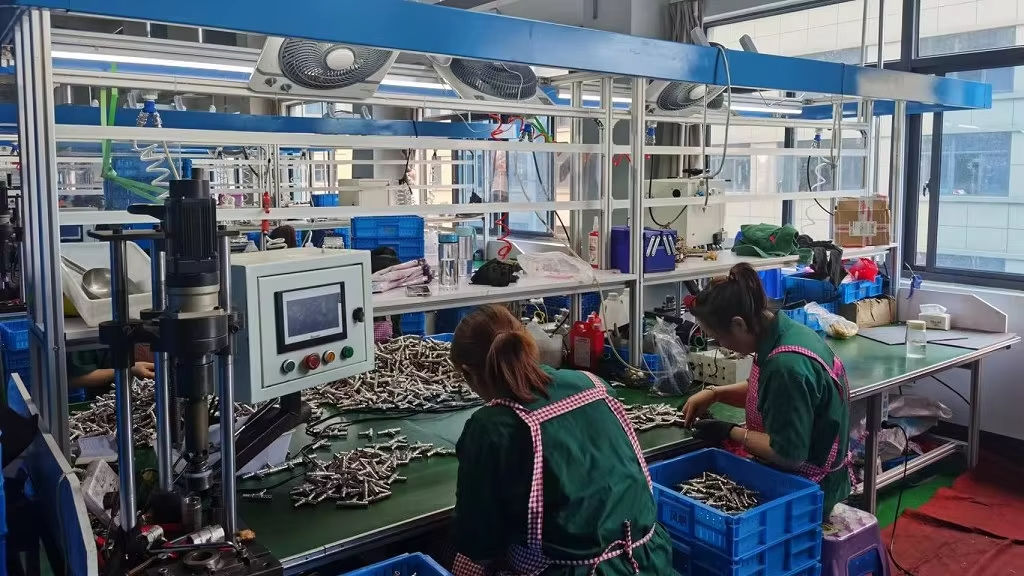
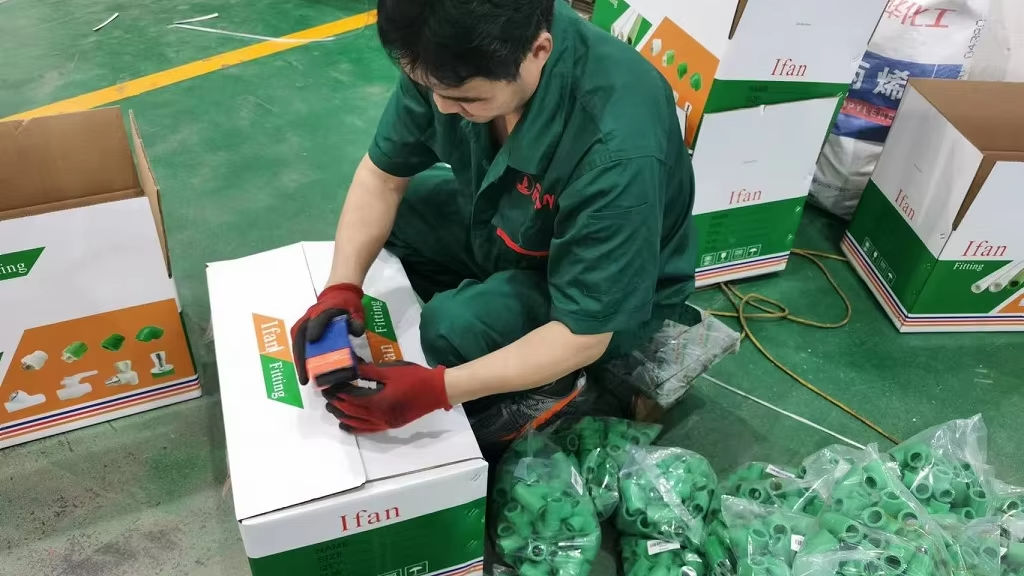
Through our vertical integration—supporting key phases like high-capacity PPR extrusion, advanced injection molding machines, heavy forging presses, and high-tolerance CNC machines—we maintain batch-to-batch consistency. If your Canberra-based project requires customizable port sizes, specific pilot-operated diaphragms, or low-noise coils for building automation, our technical team adapts engineering drawings to match your operational requirements.
Industrial applications across Canberra demand specific material characteristics to ensure compliance and longevity. In HVAC installations, the focus is on maintaining continuous duty-cycles and low power usage. For water utility networks, WRAS-approved components and certified lead-free constructions are mandatory.
| Industry Sector | Valves Applied | Typical Environment Challenges | Material Selection Recommended |
|---|---|---|---|
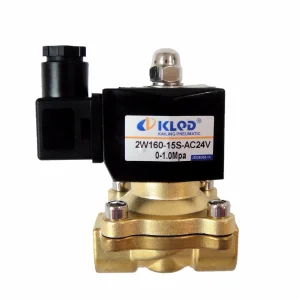
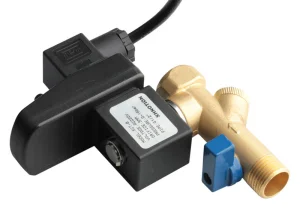
| Commercial HVAC (Canberra CBD) | 2-Way NC Direct Acting, FDF Low-Noise Cooling Valves | High thermal variations, continuous cycle demands, low acoustics | Forged Brass, EPDM Seals, IP65 Coils |
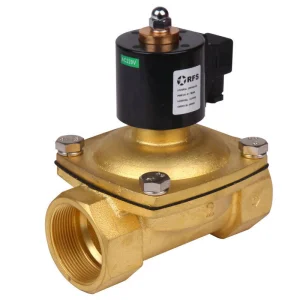
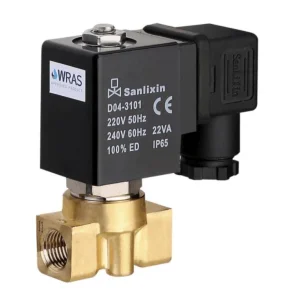
| Municipal Water (ACT Networks) | 2W Direct-Acting WRAS 0-10bar Series | Corrosive minerals, chlorine compounds, fluctuating mains pressure | DZR Brass, Stainless Steel 316, NSF/WRAS FDA-approved rubbers |
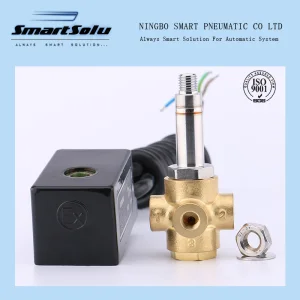
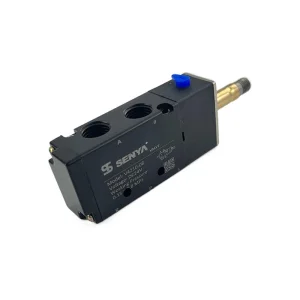
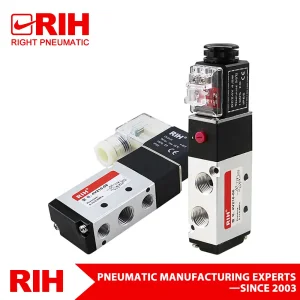
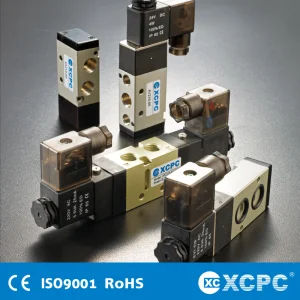
| Defense & Labs (Fyshwick/Hume) | Pneumatic Directional Coils, Custom 5-Way 4V210 | High speed actuation, dry air instrumentation line control | Anodized Aluminum Body, Viton (FKM) Seals |
| Commercial Food & Beverage | Bespoke Plastic OEM & Low-noise Fluid Control | Strict sanitation washdowns, acidic media exposure | Food-Grade POM/PP, PTFE bellows, Stainless Steel Cores |
100% helium and hydrostatic pressure testing at manufacturing ensures zero out-of-box defects before deployment to the ACT region.
Every batch of stainless steel and brass carries Mill Test Certificates (MTC) proving alloy ratios and structural composition metrics.
From complex manifold designs to high-pressure environments, our technical engineers develop and test custom models on request.
Since its establishment, Zhejiang Maria Valve Co., Ltd. has specialized in manufacturing a wide range of industrial valves, serving key sectors such as petroleum, steel, power generation, chemical, and water treatment. Leveraging years of experience and advanced engineering technology, we have consistently delivered high-quality, reliable valves to clients worldwide.
Founded with a commitment to innovation and excellence, Zhejiang Maria Valve has become a trusted supplier for global process control solutions, offering products that meet rigorous international standards. We provide a comprehensive range of valves, including control valves, ball valves, butterfly valves, gate valves, and custom-designed specialty valves for industrial applications. As one of the pioneers in China's valve manufacturing industry, we have contributed to advancing control valve technology and elevating product standards across the market.
Since 2003, our company has been dedicated to the development, design, and production of high-performance valves for pipeline and instrumentation control systems in process plants. We focus on combining cutting-edge technology with practical engineering solutions to ensure efficiency, safety, and long-term reliability.
At Zhejiang Maria Valve, we continuously strive to:
With a strong foundation in technology, engineering expertise, and global market experience, Zhejiang Maria Valve is a dynamic, innovative, and customer-focused company. We are committed to helping our clients maintain operational excellence and a competitive edge in global markets.
Modern commercial buildings and utility sectors in Canberra demand components that integrate seamlessly with building management systems (BMS). Our current R&D efforts focus on three primary technical targets:
Explore our full catalog, optimized for long-term installations across Canberra and the ACT region.
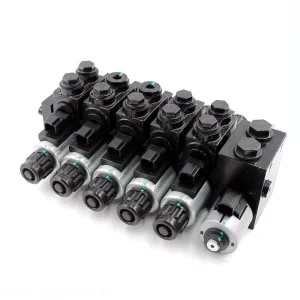
Critical engineering considerations for selecting and deploying industrial solenoid valves in Australian Capital Territory infrastructure.
 Maria Valve