Explore our top-tier industrial pinch valves designed for leakproof isolation, abrasive media handling, and severe operation environments in Benin and regional ports.
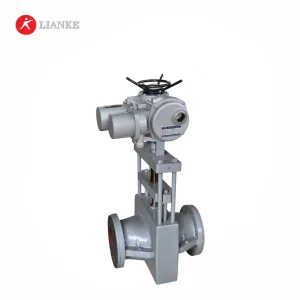
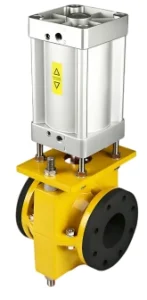
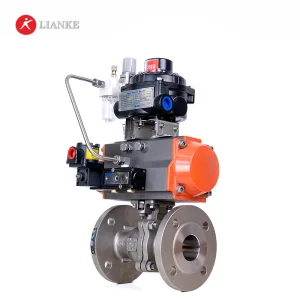
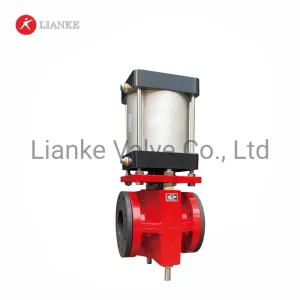
Driving efficiency in West Africa's dry bulk, mining, and liquid distribution systems.
The Republic of Benin is experiencing a fast-tracked industrial shift under the Government Action Program (PAG). Driven by expansions in the Glo-Djigbé Industrial Zone (GDIZ) and modernizations in the busy Port of Cotonou, demand for heavy-duty process piping equipment has reached new heights. Key local industries—such as cement production (NOCIBE, SCB-Lafarge), cotton seed oil processing, phosphate/sand quarrying, and national municipal water distribution under SONEB—require specialized valves to handle abrasive, corrosive, and high-solid slurries.
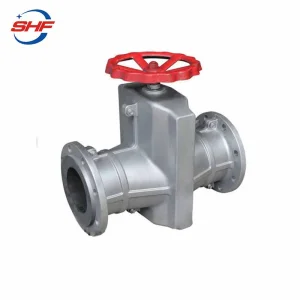
Under these challenging operating environments, standard gate, globe, and ball valves frequently fail due to mechanical jamming, sleeve erosion, and chemical wear. Industrial Pinch Valves offer the ultimate remedy. By utilizing a flexible, highly durable internal elastomer sleeve, these valves ensure a 100% full-bore flow without mechanical parts contacting the media. This layout prevents clogging, resists abrasive wear, and guarantees reliable isolation, reducing plant downtime and overall maintenance costs across Benin's growing industrial sites.
Traditional valves feature cavities and metal seats where abrasive solids (like limestone, cement dust, or slurry) accumulate, preventing complete closure. Pinch valves squeeze an internal rubber sleeve to close, offering critical advantages:
A comprehensive technical look at sleeve chemistry, pressure thresholds, and performance metrics.
Offers excellent tensile strength, rebound elasticity, and abrasion resistance. Ideal for handling raw minerals, cement slurries, and quartz sand in mining sites near Cotonou and northern quarries.
EPDM stands up to ozone, weathering, and heat, while NBR delivers resistance to hydrocarbon solvents, oils, and diesel fuels. Often applied in chemical process systems and wastewater treatment facilities.
Compatible with pneumatic, electric, or manual operations. We adjust opening/closing dynamics to avoid water hammer and protect the mechanical integrity of Benin's municipal transport pipelines.
In pneumatic pinch valves, the control media (usually compressed air) enters the valve casing, squeezing the sleeve to close. Achieving a perfect seal requires a differential pressure (control pressure minus line pressure) of 1.5 to 2.5 bar depending on the elastomer hardness. Exceeding the recommended control pressure can cause premature sleeve fatigue. Our engineering department helps local operators in Benin calibrate their control air systems to optimize sleeve life.
Founded with a dedication to engineering excellence, Zhejiang Maria Valve Co., Ltd. is a leading manufacturer of control, ball, butterfly, gate, and custom industrial valves. Since 2003, we have designed and produced rugged pipeline components for petroleum, steel, chemicals, power generation, and water treatment operations worldwide.
By using direct logistics pathways from the Port of Ningbo and Port of Shanghai to the Port of Cotonou in Benin, we provide West African businesses with top-tier valve products, fast turnarounds, and reliable technical support. Our modern manufacturing facility houses advanced tooling and automated testing labs, ensuring every valve meets strict standards before shipment.
Our ISO-certified facility features dedicated production sections. We manage the entire manufacturing cycle in-house to maintain strict quality control:
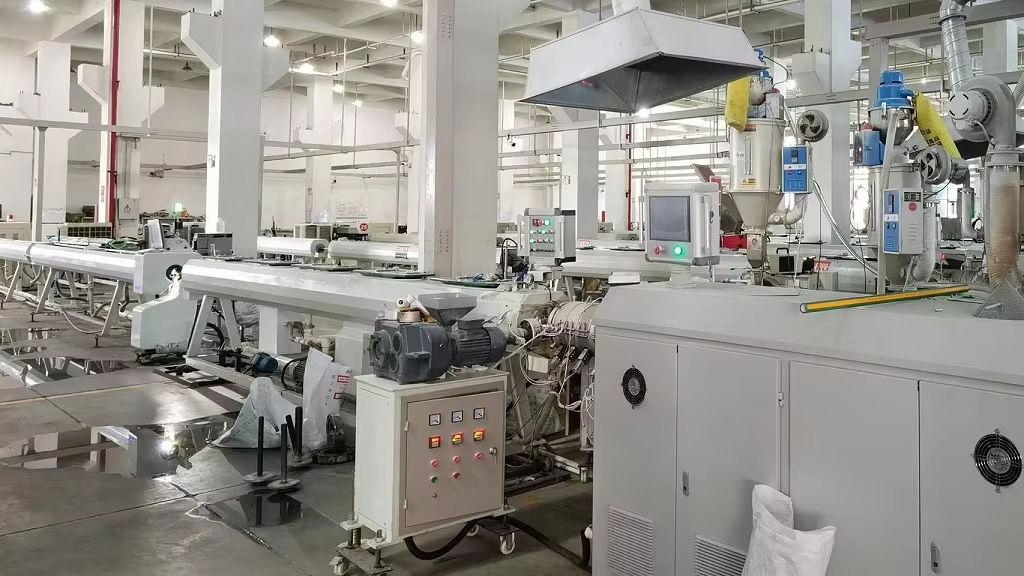
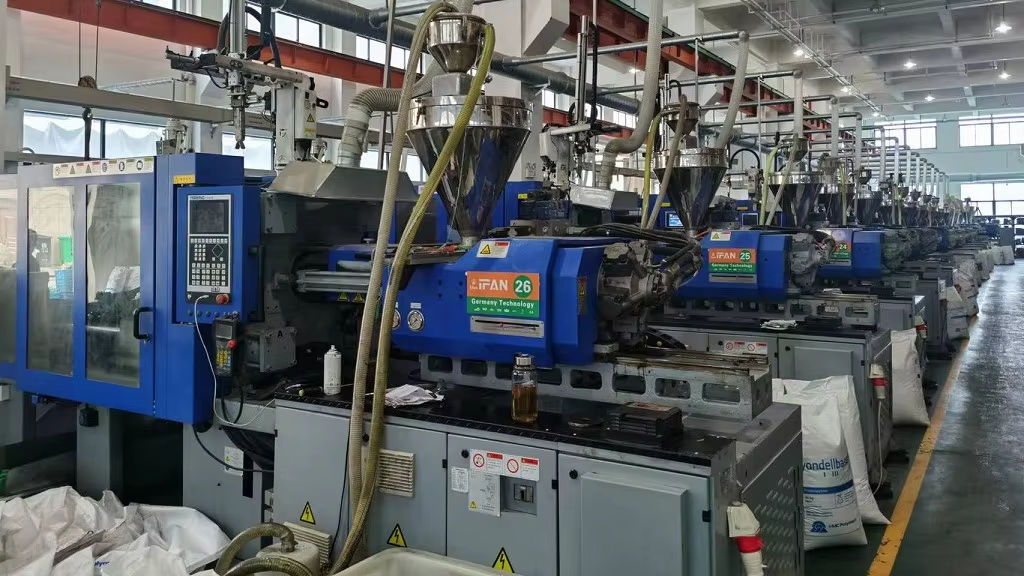
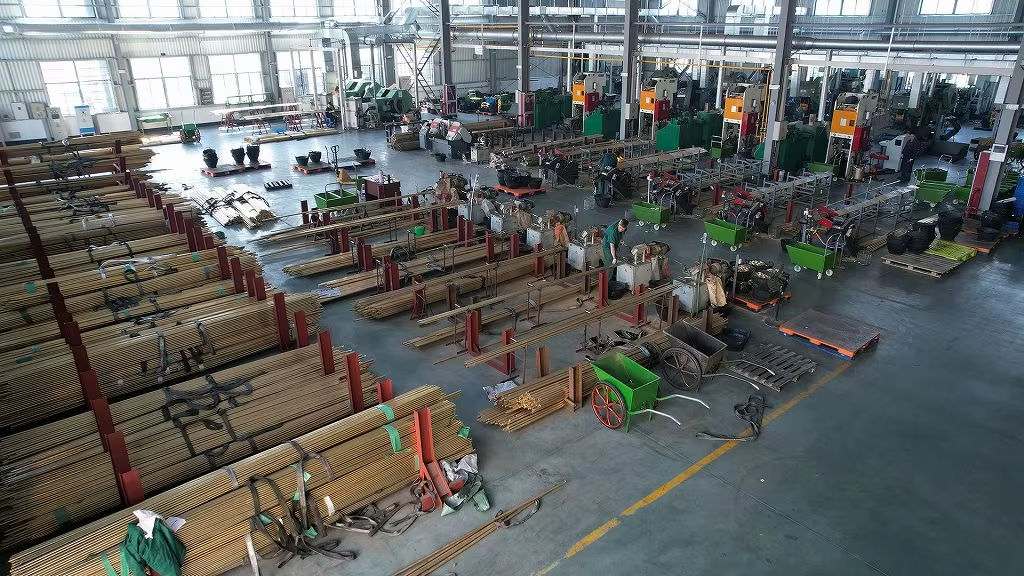
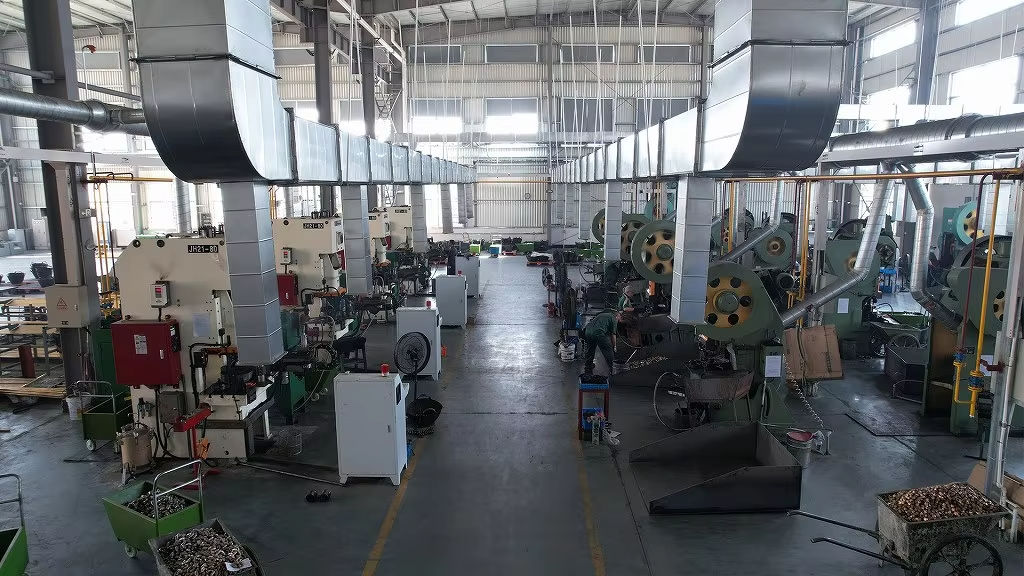
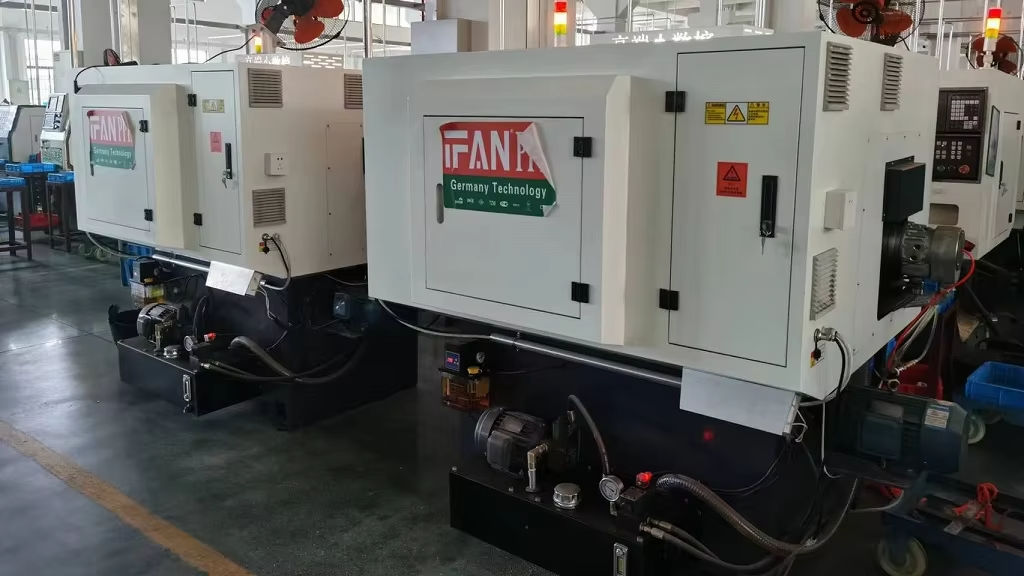
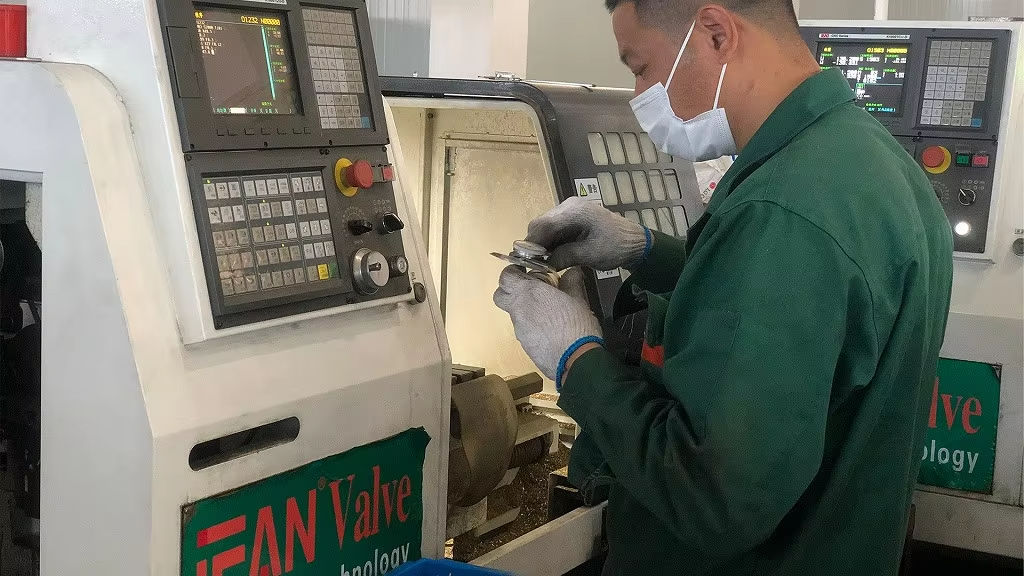
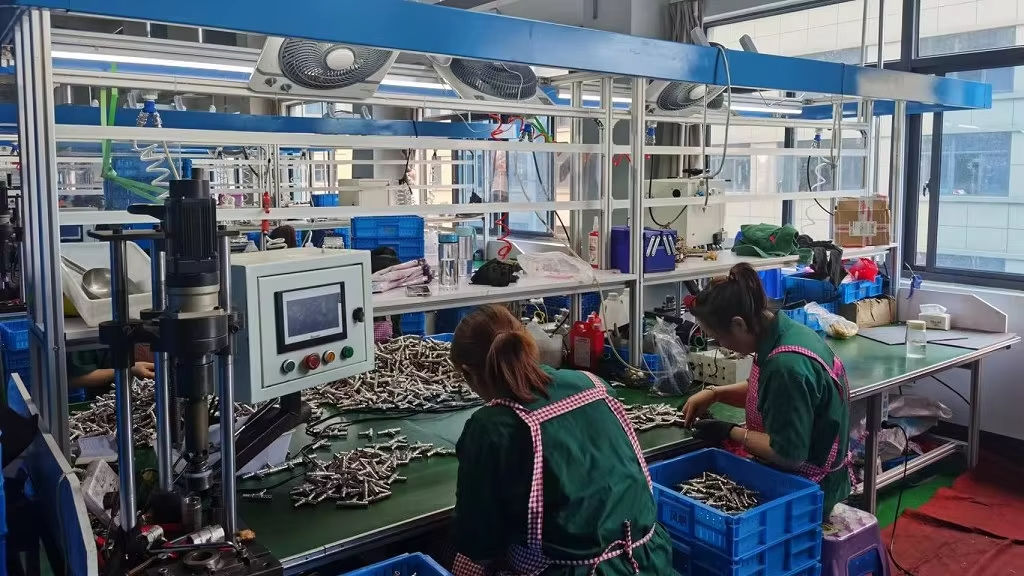
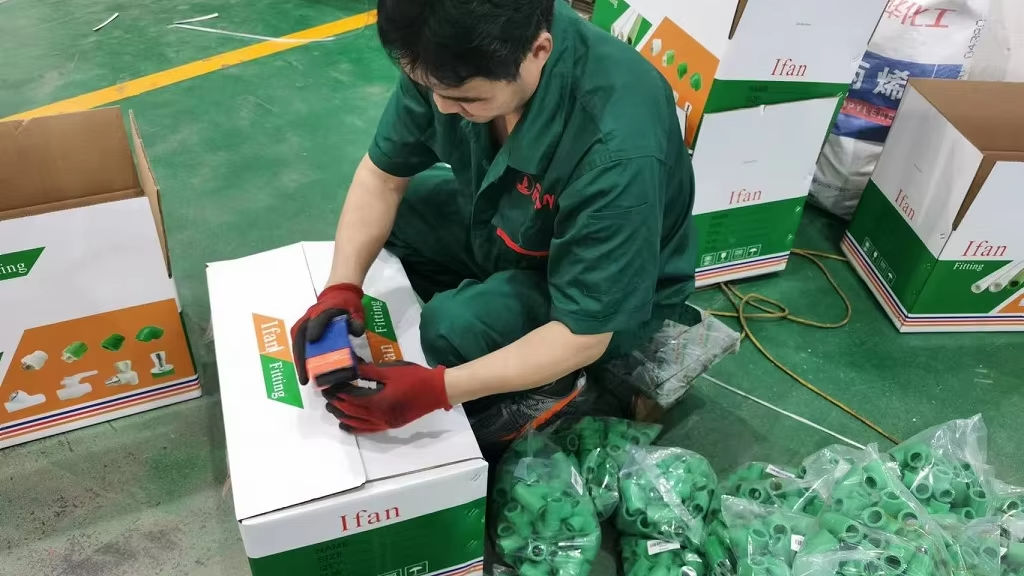
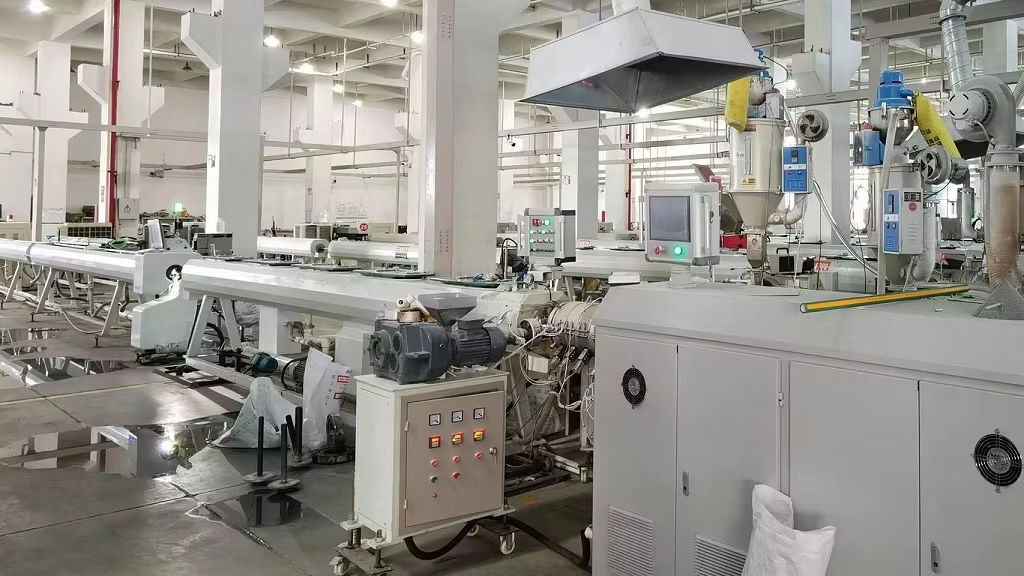
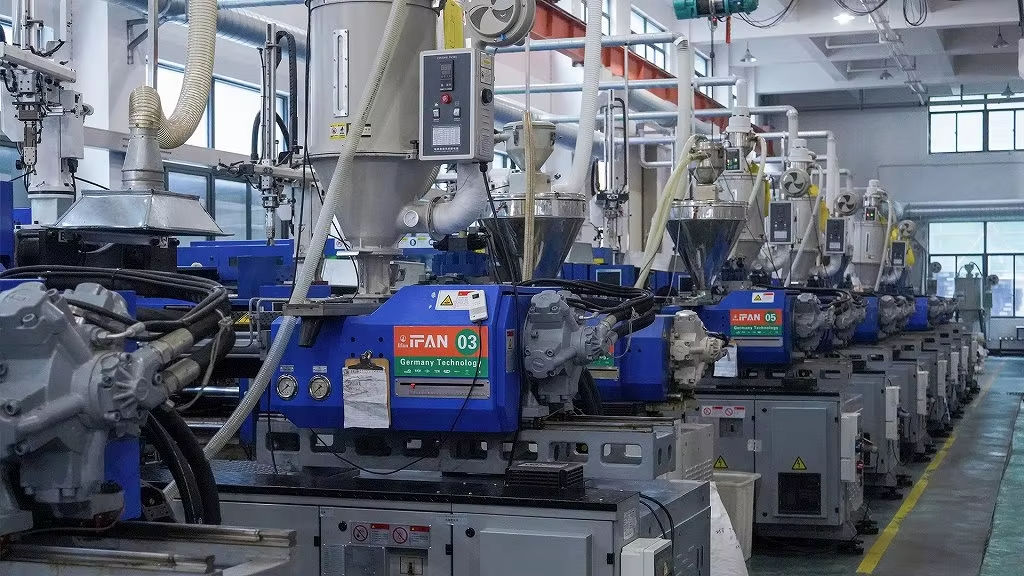
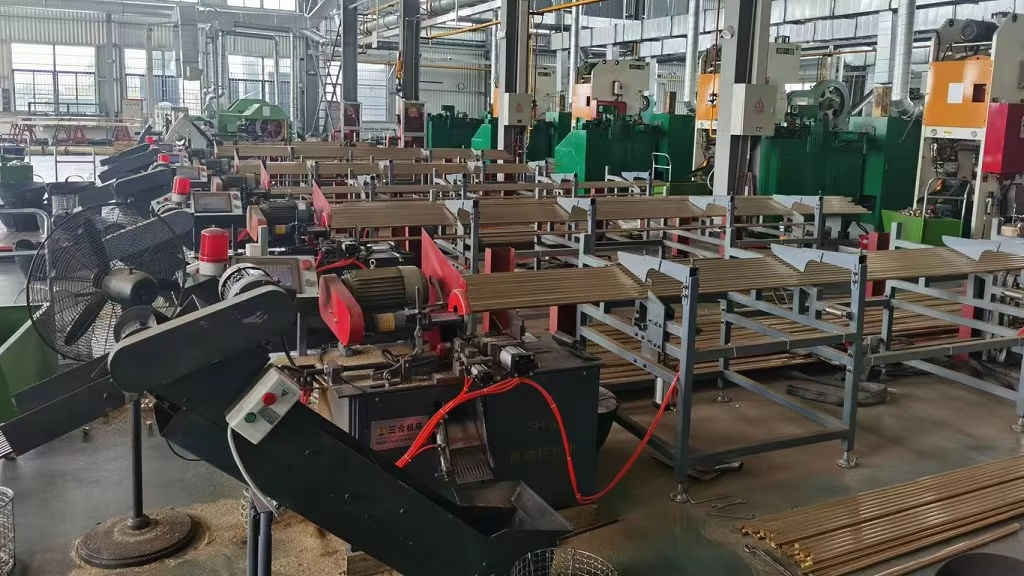
How Maria Valve addresses industrial challenges, improves runtime, and supports sustainable infrastructure in Benin.
In cement production plants in Benin, dry powder transport causes rapid wear on traditional valves. The high friction from dry sand, limestone, and clinker dust erodes metal valve discs, causing leakage within weeks. Our Aluminium Alloy Manual Pinch Valves are equipped with extra-thick natural rubber sleeves that absorb impact, extending valve service life up to 5 times longer than traditional systems.
For municipal water authorities managing sand filtration and domestic wastewater, municipal sludge and grit quickly wear down metal valve seats. Our pneumatic pinch valves isolate fluid from the metal casing, protecting external hardware and ensuring a tight seal even when processing thick sewage slurry containing solid particles.
Open-pit mines in Benin require robust valves to handle abrasive tailings slurries. Our Cast Steel Pneumatic Pinch Valves use high-pressure natural rubber sleeves, reinforced with heavy cord-ply layers. They handle operating pressures up to 10/16 bar, delivering consistent isolation for thick slurries.
In Benin's food processing plants, contamination control is essential. Our single-channel solenoid pinch valves utilize medical-grade silicone tubing. Since the process fluid only contacts the disposable tube, cleaning is straightforward and cross-contamination is eliminated, satisfying hygiene standards.
Clear, direct, and worry-free valve sourcing from our modern facility in China directly to West African ports.
Purchasing industrial valves from China for installation in Benin requires clear communication and efficient logistics. At Zhejiang Maria Valve Co., Ltd., we provide streamlined shipping services from Chinese manufacturing hubs to Cotonou. We handle the process from initial design validation to port delivery:
“Need custom dimensions or specific sleeve rubber formulations? We adapt our manufacturing lines to match your plant's exact piping needs.”
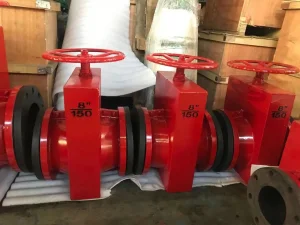
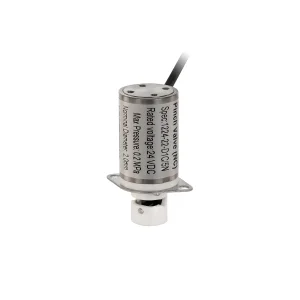
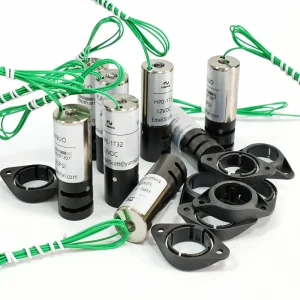
Contact Our Project TeamExplore our wider range of manual, pneumatic, and miniature solenoid valves, engineered for industrial installations across West Africa.
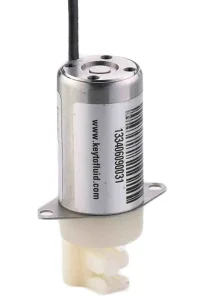
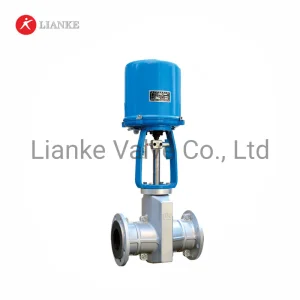
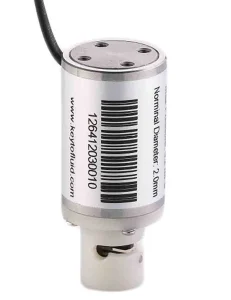
Get professional answers to common technical queries about industrial pinch valves, applications, and logistics in Benin.
Ball and gate valves feature mechanical seating surfaces that wear down, corrode, or get jammed by abrasive particles. A pinch valve uses a flexible rubber sleeve that compresses to shut off flow, avoiding mechanical wear and preventing solid particles from getting trapped.
For municipal wastewater containing organic compounds and moderate chemicals, EPDM or Nitrile (NBR) is recommended. If the water carries sand or gravel, a Natural Rubber (NR) sleeve is preferred due to its high tear strength and physical elasticity.
Under normal operational pressure (less than 6 bar) and dry powder conditions, a premium natural rubber sleeve handles approximately 50,000 to 100,000 cycles before requiring replacement. Actual lifespan varies based on dust particle velocity and differential control pressure.
Yes. We manufacture valves compliant with both European (DIN PN10/PN16) and American (ANSI/ASME Class 150) standards. We can also customize face-to-face dimensions and bolt hole circles to match existing piping layouts.
For complete closure, control pressure must exceed the line fluid pressure by 1.5 to 2.5 bar. If control pressure is set too high, it puts unnecessary stress on the rubber sleeve, accelerating mechanical wear and fatigue.
We offer container shipping (FCL/LCL) from Ningbo or Shanghai Port directly to the Port of Cotonou. For urgent spare parts (such as replacement sleeves), we can arrange air freight via international couriers.
Each valve is subject to visual inspections, dimension audits, and pressure testing under standard ISO 5208 guidelines. Testing certificates and documentation are supplied prior to final packaging and loading.
Have a technical question not listed above? Get in touch with our team directly.
Submit Your Technical Query Maria Valve