Engineering excellence designed to withstand heavy wear, corrosive sediments, and severe pressure transitions in mountain hydraulics and mining processing pipelines.
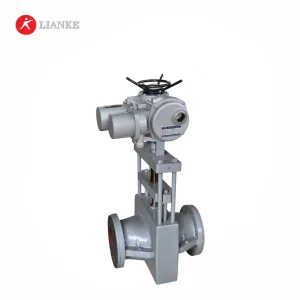
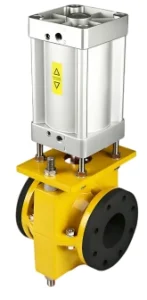
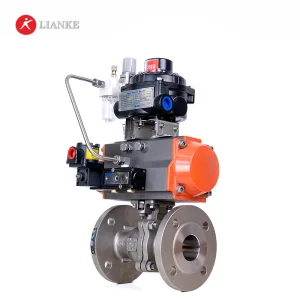
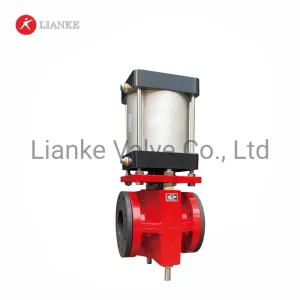
As Nepal shifts rapidly toward large-scale infrastructure expansion, the demand for precise and highly robust fluid control solutions has scaled dramatically. In geographic terrains defined by extreme elevation changes, heavy sedimentation, and abrasive glacial runoff, conventional valves fail prematurely. High-grade Pinch Valves have emerged as the absolute standard for handling solid-heavy slurries, mining tailings, and municipal wastewater.
Nepal’s vast run-of-the-river hydropower projects (such as the Upper Tamakoshi and planned Arun projects) process massive volumes of glacial meltwater laden with highly abrasive Himalayan quartz silt. Standard gate and ball valves suffer severe scoring, leading to total sealing failure. Pinch valves offer a straight-through flow path with zero obstruction, preventing pocket accumulation of sand and ensuring continuous, bubble-tight shutoff.
With the expansion of local cement producers like Shivam Cement and Hongshi Shivam Cement, raw material transport lines deal with thick limestone slurries. Standard valves choke and corrode. The flexible elastomer sleeve of a pneumatic pinch valve handles dry bulk solids, limestone dust, and cement slurries without clogging or binding, making it the most cost-effective solution for plant uptime.
Municipal programs like the Melamchi Water Supply Project and various regional wastewater treatment setups require robust control valves that can handle raw sewage, chemical dosing, and grit. The simple design of a pinch valve—consisting only of a casing, sleeve, and actuator—means that corrosive elements never touch the mechanical housing, guaranteeing prolonged life cycles.
Understanding the physics of a pinch valve requires analyzing the core component: the elastomer sleeve. Since the sleeve is the only part of the valve that contacts the medium, its formulation dictates the valve's overall reliability, pressure handling, and lifecycle.
For operations in Kathmandu, Pokhara, and Nepal's southern industrial belt (Birgunj/Bhairahawa), selecting the correct sleeve is paramount. Natural Rubber (NR) sleeves provide the highest rebound elasticity and abrasion resistance, making them ideal for high-silt river water and coarse gravel separation lines. For chemical applications, chlorination systems, and warm process lines, materials like EPDM (Ethylene Propylene Diene Monomer) or FKM (Viton) are integrated to withstand high temperatures and oxidation.
Modern industrial architectures are moving away from traditional hand-crank manual valves to integrated telemetry. We are seeing a major global transition toward:
Why are leading Nepalese builders, mining conglomerates, and municipal agencies turning to premier Chinese exporters like Zhejiang Maria Valve Co., Ltd.? The answer lies in the deep integration of Industry 4.0 manufacturing processes, which bridge the gap between cost efficiency and extreme structural reliability.
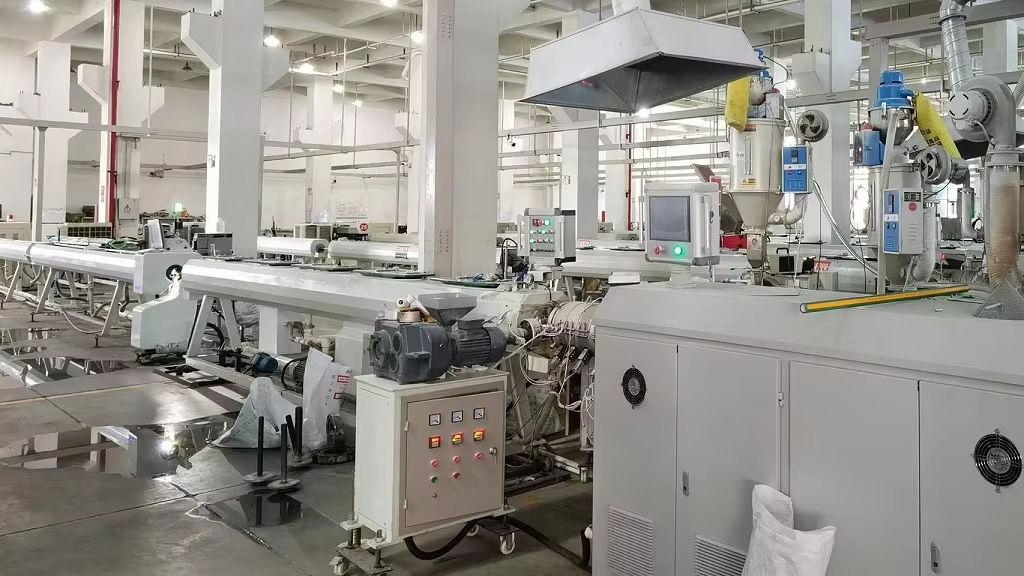
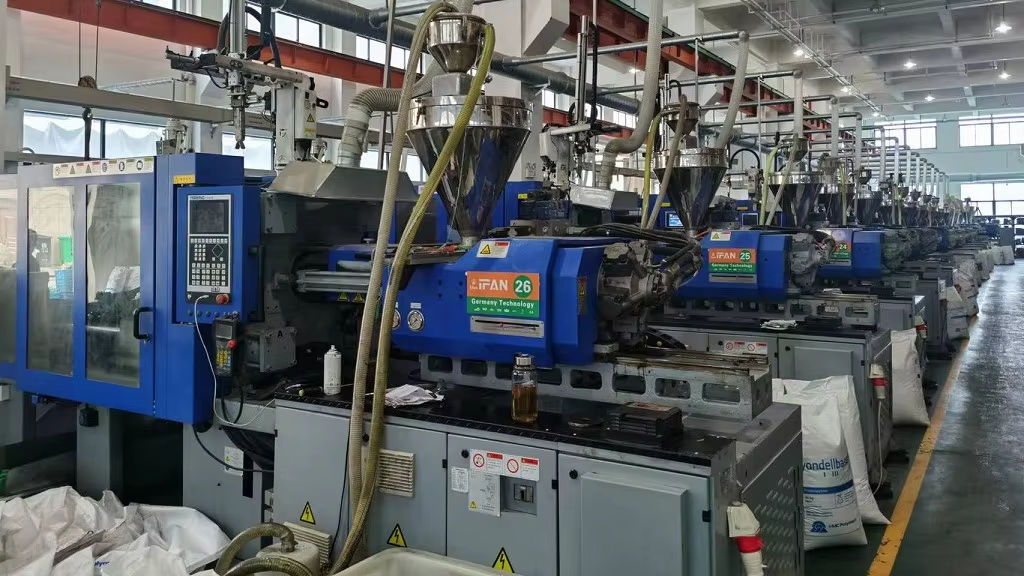
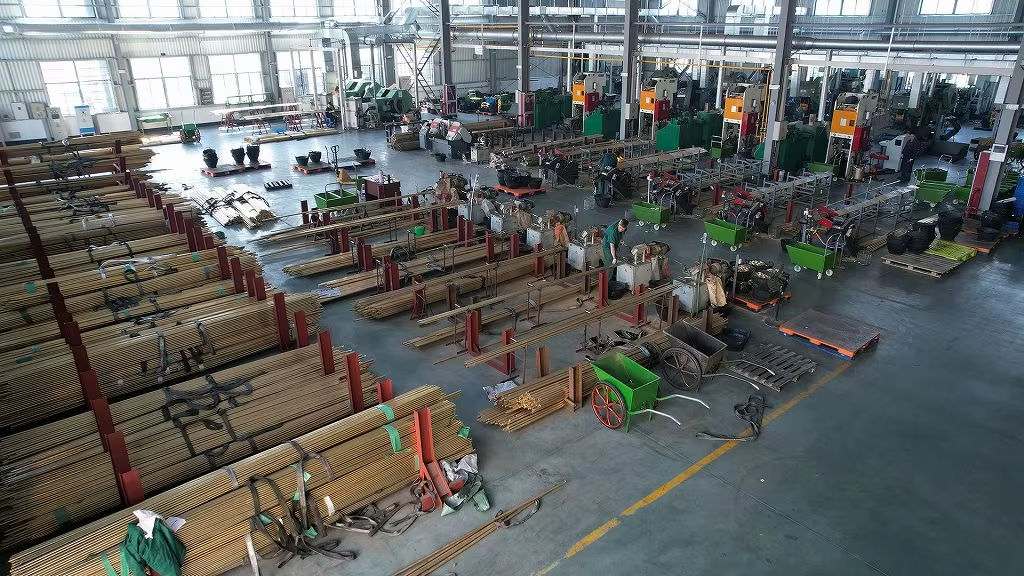
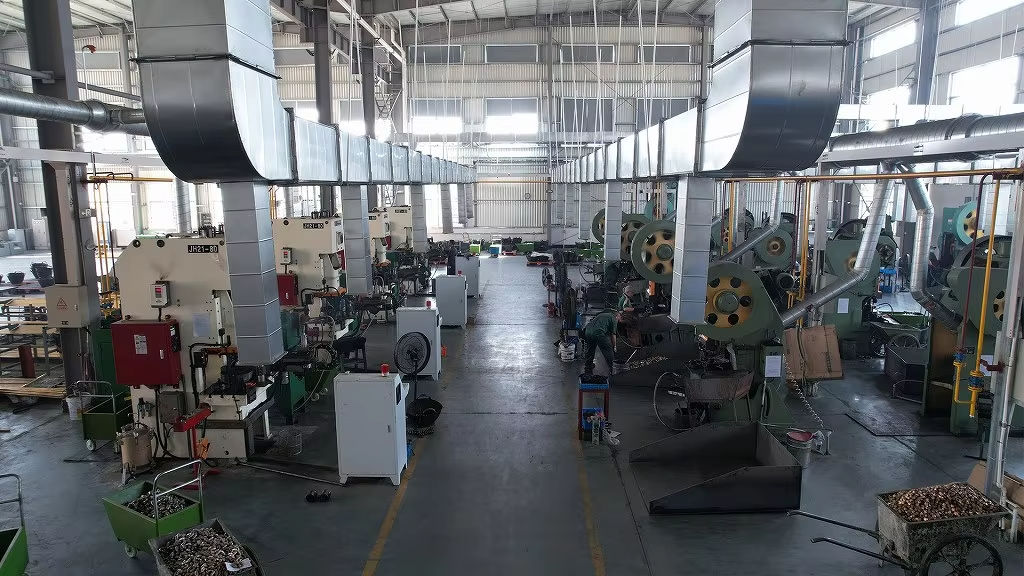
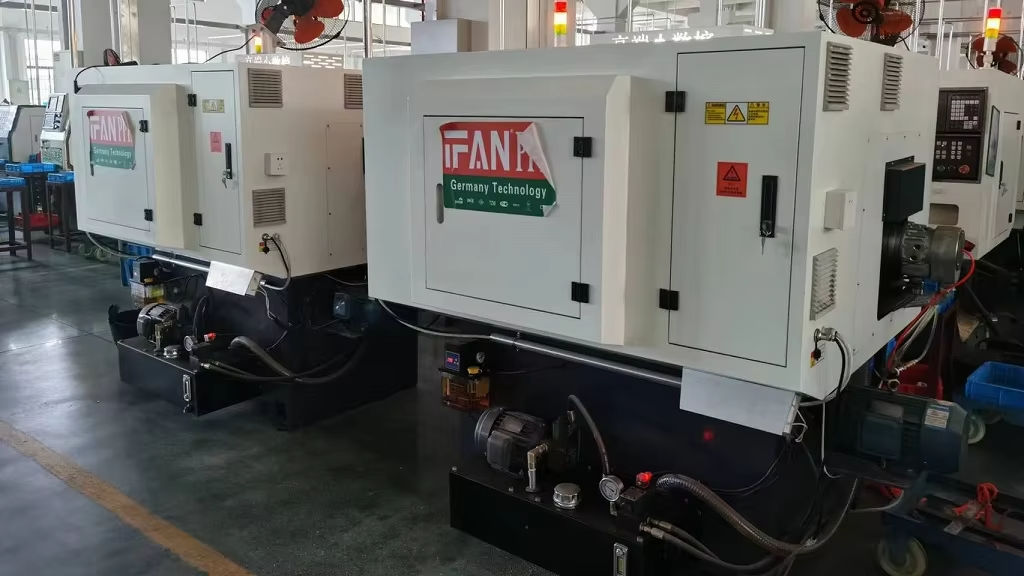
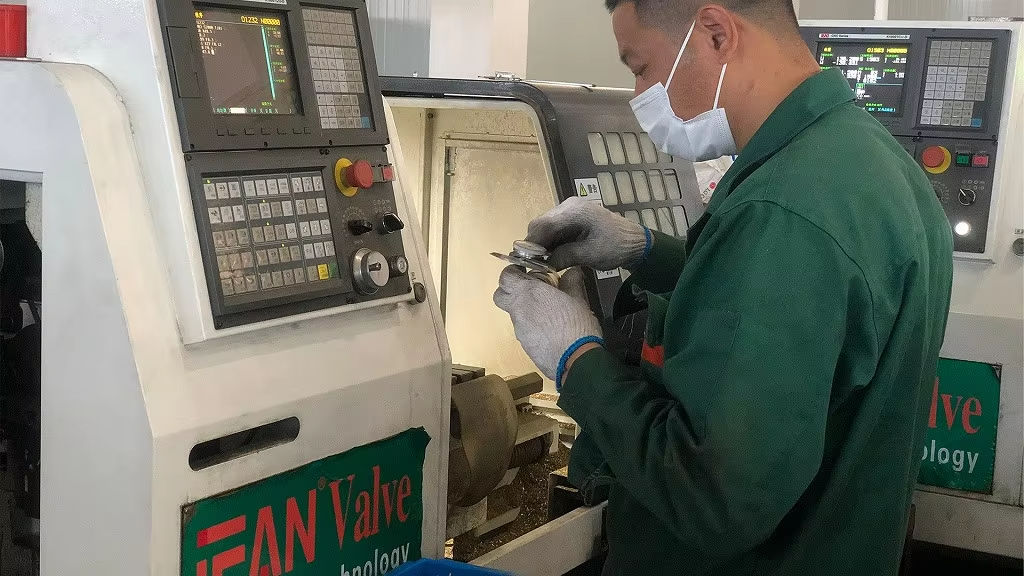
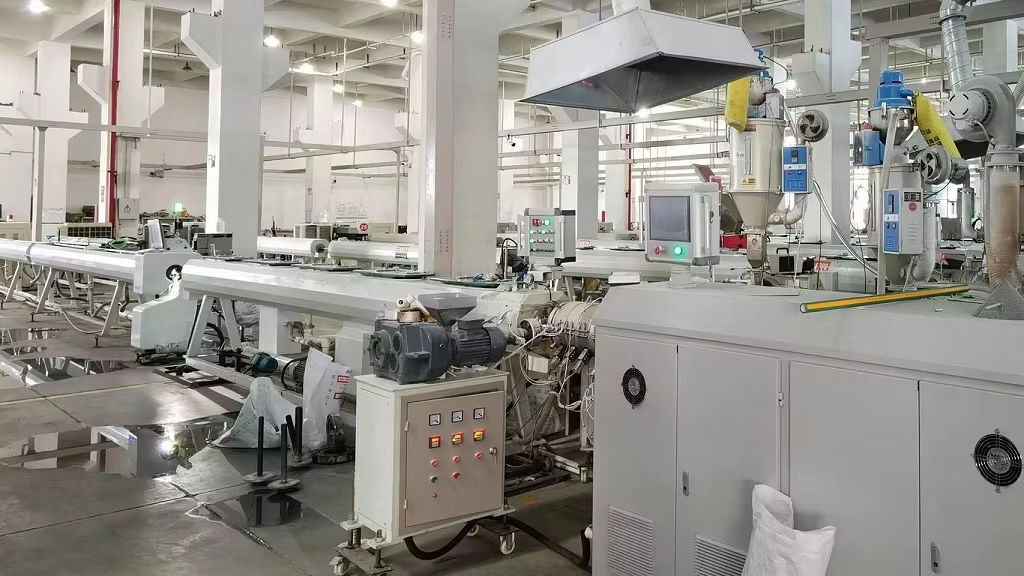
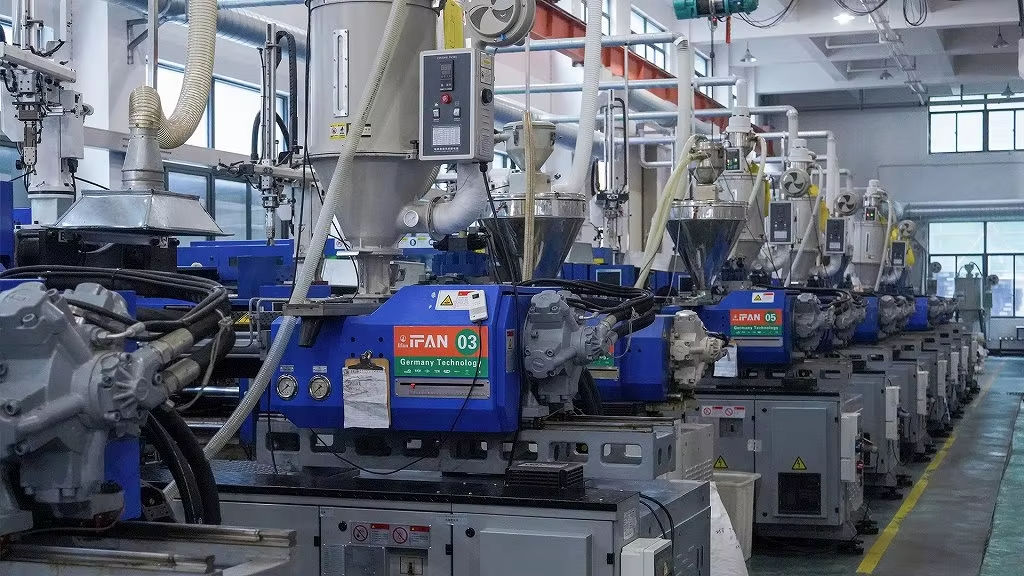
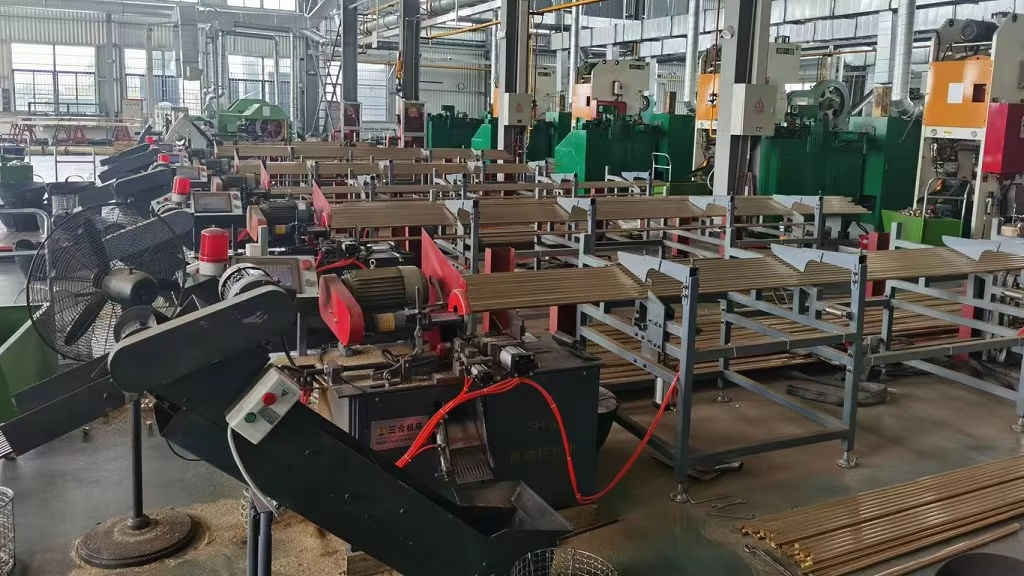
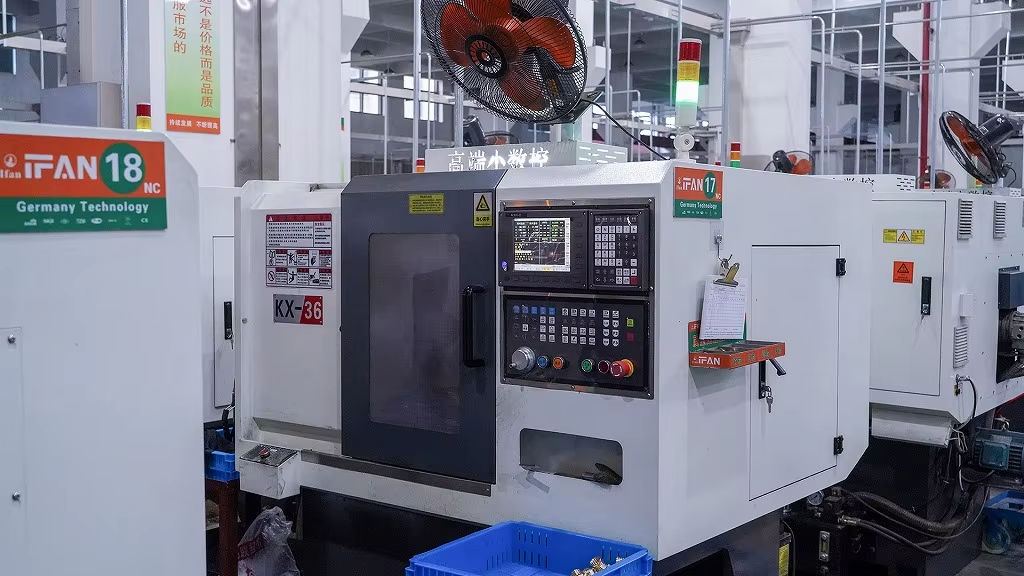
Our state-of-the-art production facilities leverage multi-axis CNC machinery, high-pressure forging systems, and automated natural rubber vulcanization chambers. This ensures that every sleeve has uniform thickness, avoiding premature blowout failures. By maintaining strict control over the metal casting processes (Cast Steel, Aluminum Alloy, Stainless Steel) and the rubber sleeve formulation, we deliver European-tier performance at a fraction of the cost, making it highly feasible for Nepal’s infrastructure budgets.
Since its establishment, Zhejiang Maria Valve Co., Ltd. has specialized in manufacturing a wide range of industrial valves, serving key sectors such as petroleum, steel, power generation, chemical, and water treatment. Leveraging years of experience and advanced engineering technology, we have consistently delivered high-quality, reliable valves to clients worldwide. Founded with a commitment to innovation and excellence, Zhejiang Maria Valve has become a trusted supplier for global process control solutions, offering products that meet rigorous international standards.
Zhejiang Maria Valve Co., Ltd. provides a comprehensive range of valves, including control valves, ball valves, butterfly valves, gate valves, and custom-designed specialty valves for industrial applications. As one of the pioneers in China’s valve manufacturing industry, we have contributed to advancing control valve technology and elevating product standards across the market. Since 2003, our company has been dedicated to the development, design, and production of high-performance valves for pipeline and instrumentation control systems in process plants. We focus on combining cutting-edge technology with practical engineering solutions to ensure efficiency, safety, and long-term reliability.
At Zhejiang Maria Valve, we continuously strive to:
With a strong foundation in technology, engineering expertise, and global market experience, Zhejiang Maria Valve is a dynamic, innovative, and customer-focused company. We are committed to helping our clients maintain operational excellence and a competitive edge in global markets.
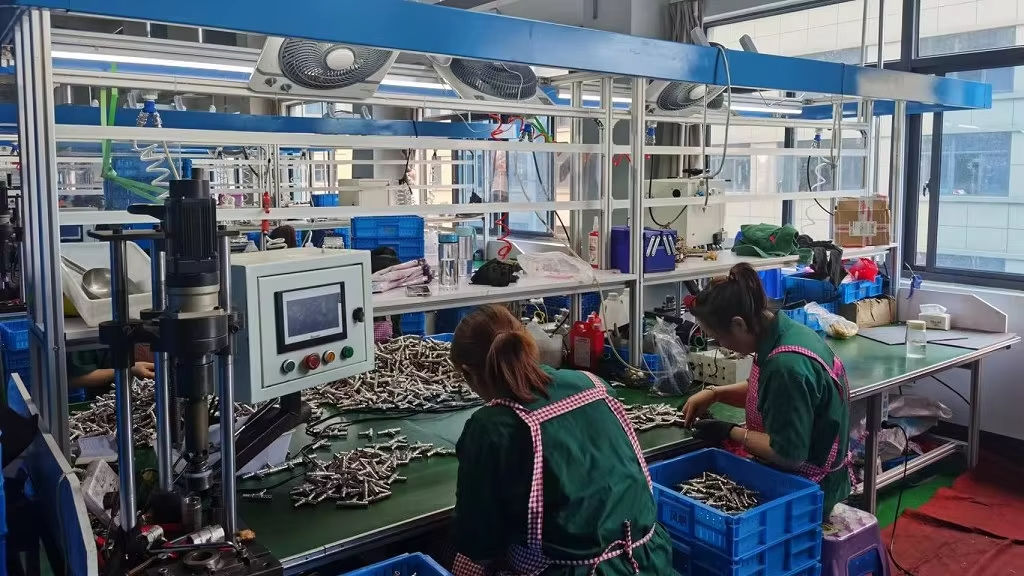
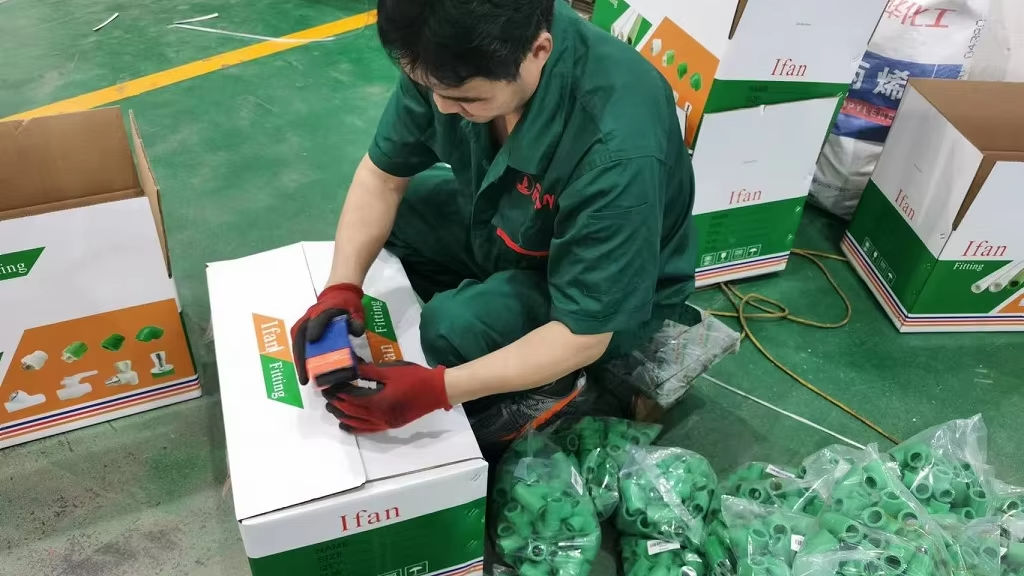
From raw forging to CNC finish machining and rigorous hydro-testing, explore our certified Industry 4.0 workflow steps below:
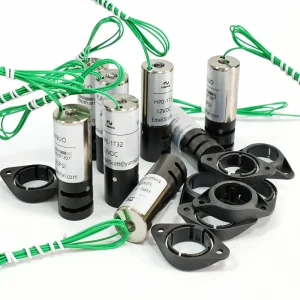
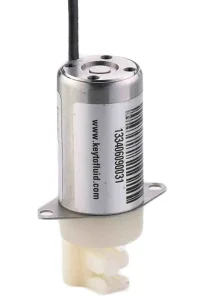
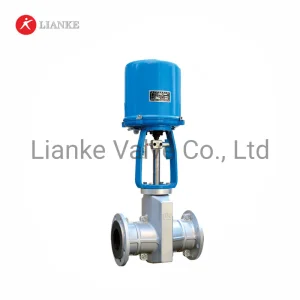
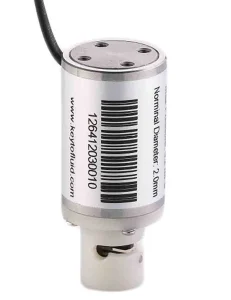
Our complete portfolio of high-durability pinch valves engineered for slurry, abrasive materials, laboratory dosing, and heavy-duty industrial pipe routing.
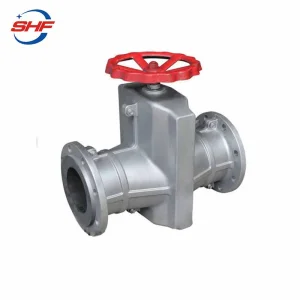
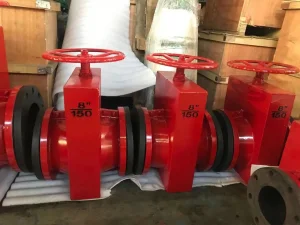
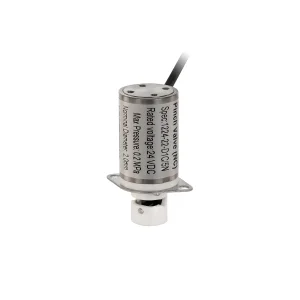
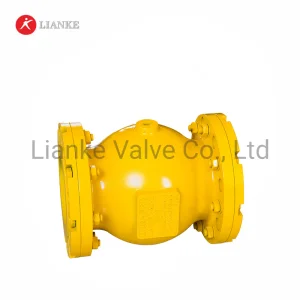
Navigating international procurement pipelines requires planning, especially when supplying critical equipment for remote projects in Nepal. Zhejiang Maria Valve offers tailored logistical solutions via established shipping corridors:
For rapid transport, cargo is routed through Lhasa to the Rasuwagadhi or Tatopani border crossings. This pathway minimizes transit times to project zones around Kathmandu and Pokhara, avoiding oceanic shipping detours.
For high-tonnage orders (such as large-diameter cast steel pneumatic pinch valves), ocean freight is shipped to Haldia or Kolkata port in India, followed by railway or road transit to the Birgunj dry port in Nepal.
We supply complete documentation including Certificate of Origin, mill test certificates (EN 10204 3.1), hydrostatic pressure logs, and detailed customs classification (HS Codes) to speed up clearing at Nepalese entry points.
Get expert answers on design limits, sleeve material choice, and ordering timelines for Nepal-based projects.
Get in touch with our technical sales team for specialized sizing calculations, custom material configurations, and direct freight quotes to your industrial site in Nepal.
 Maria Valve