Product Description

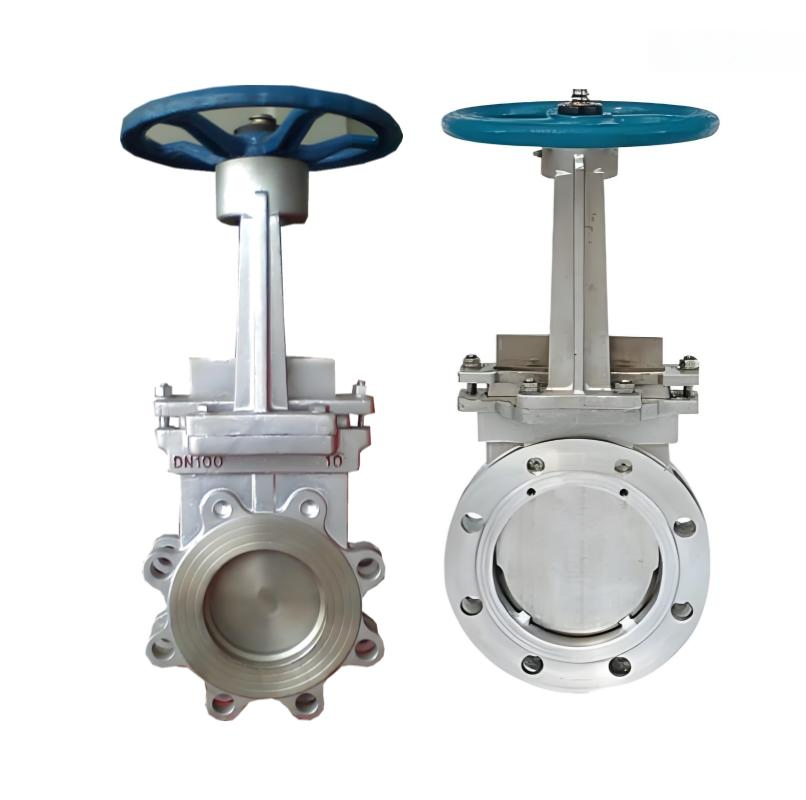
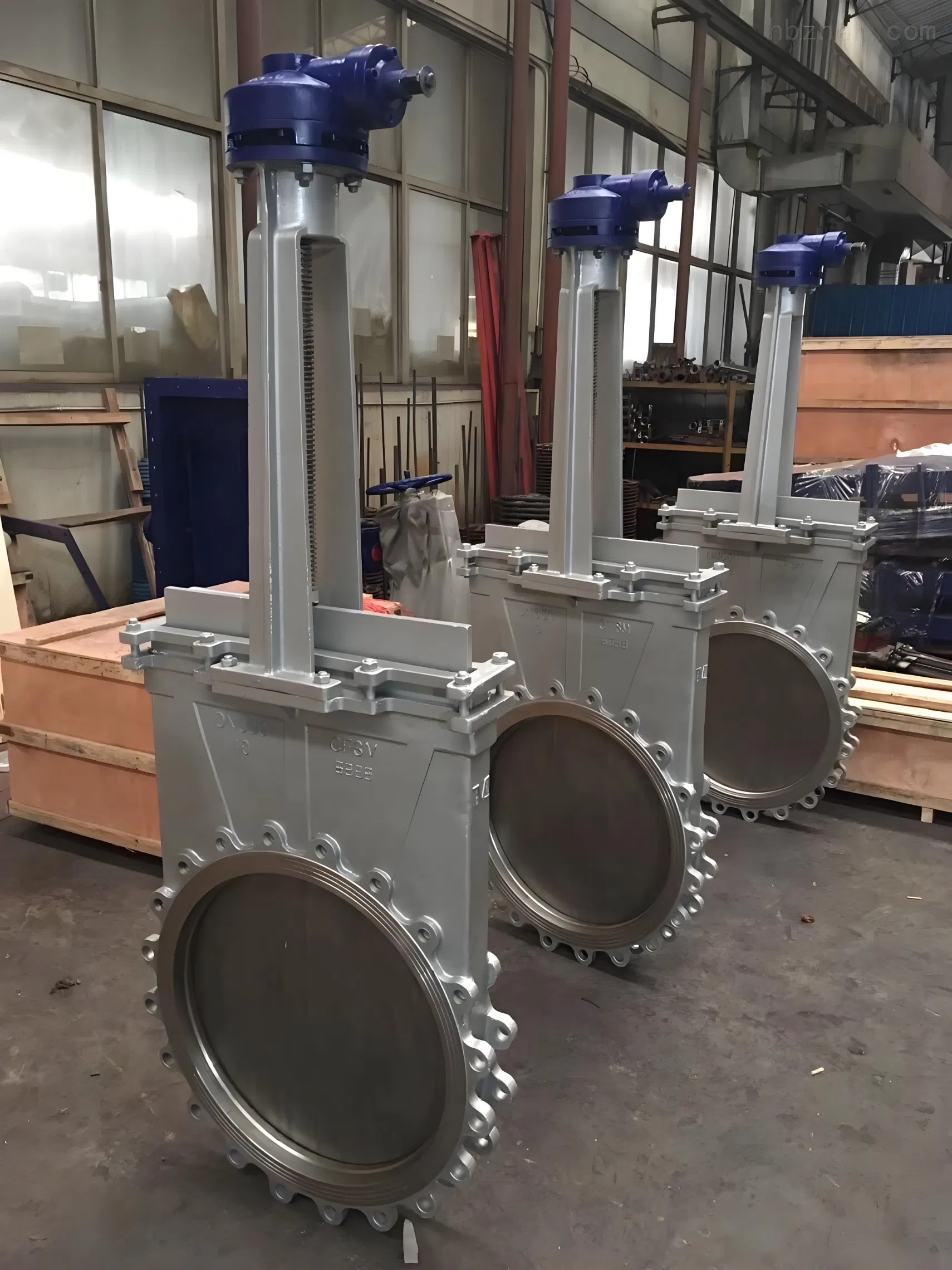
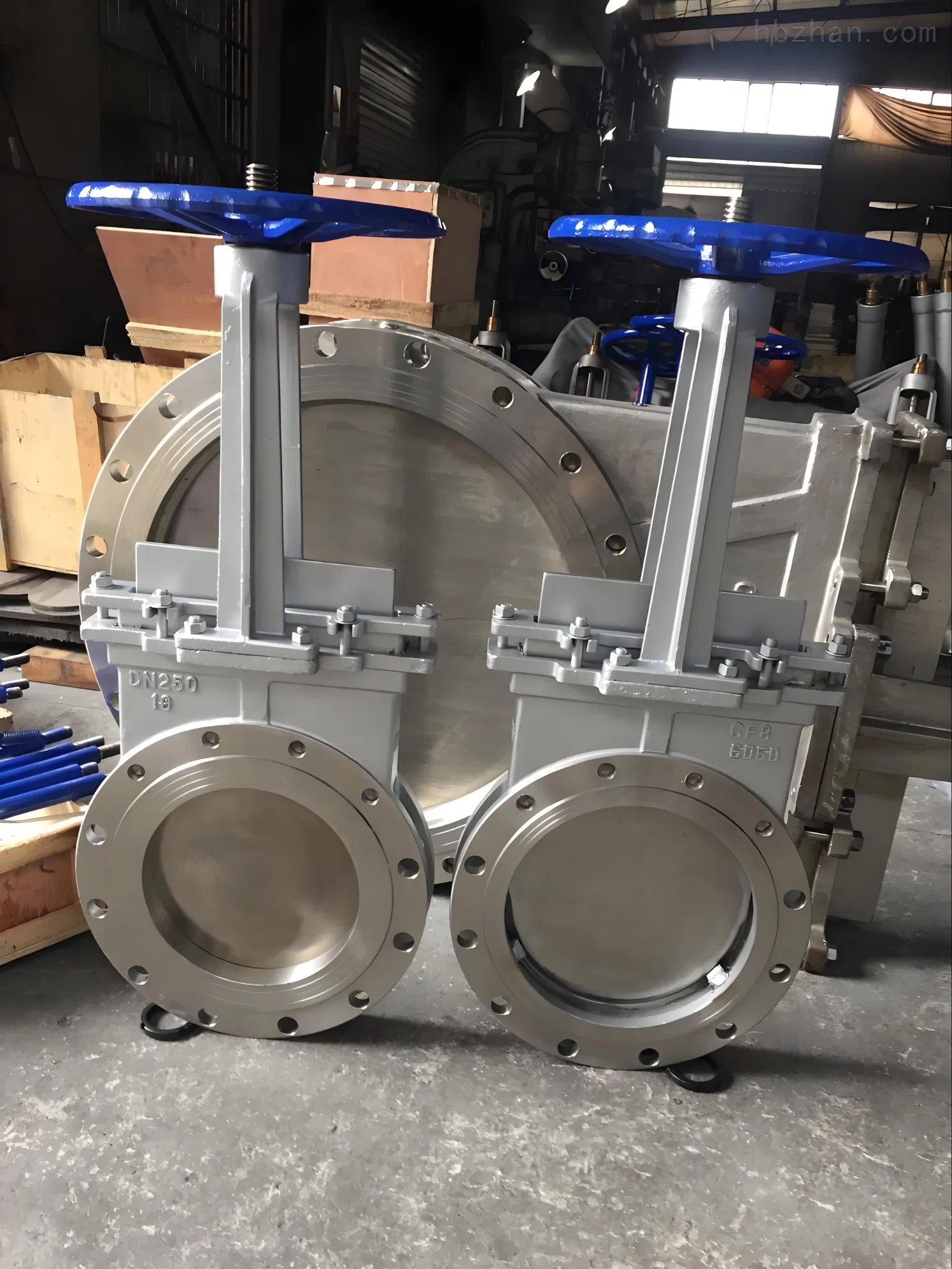
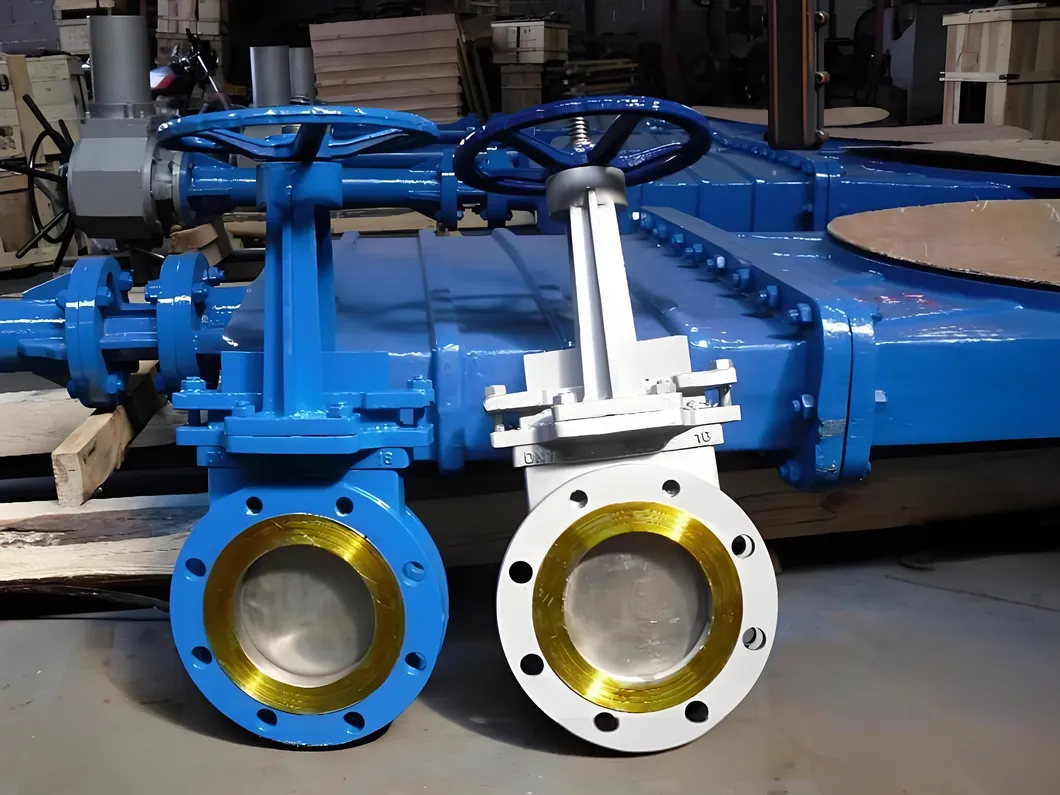
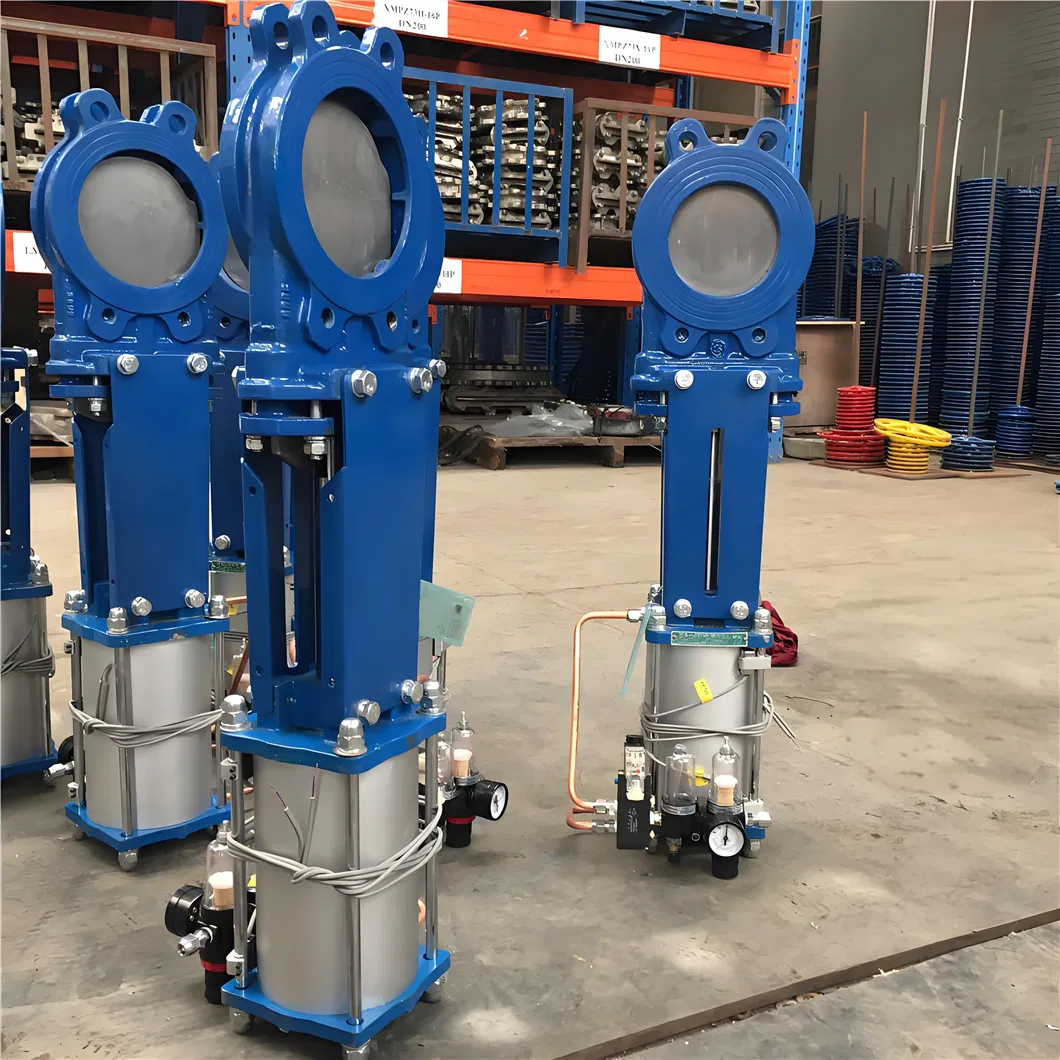
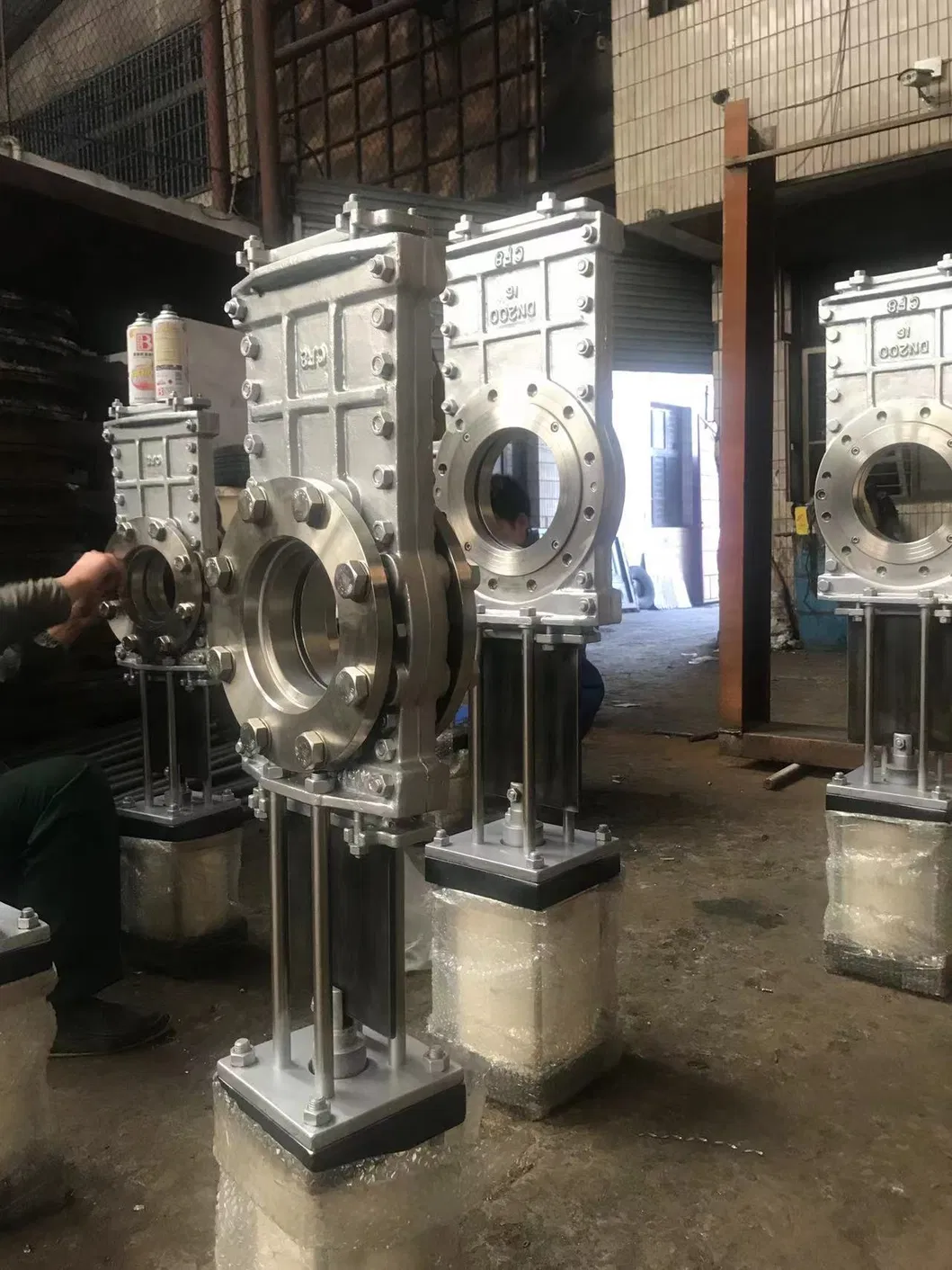
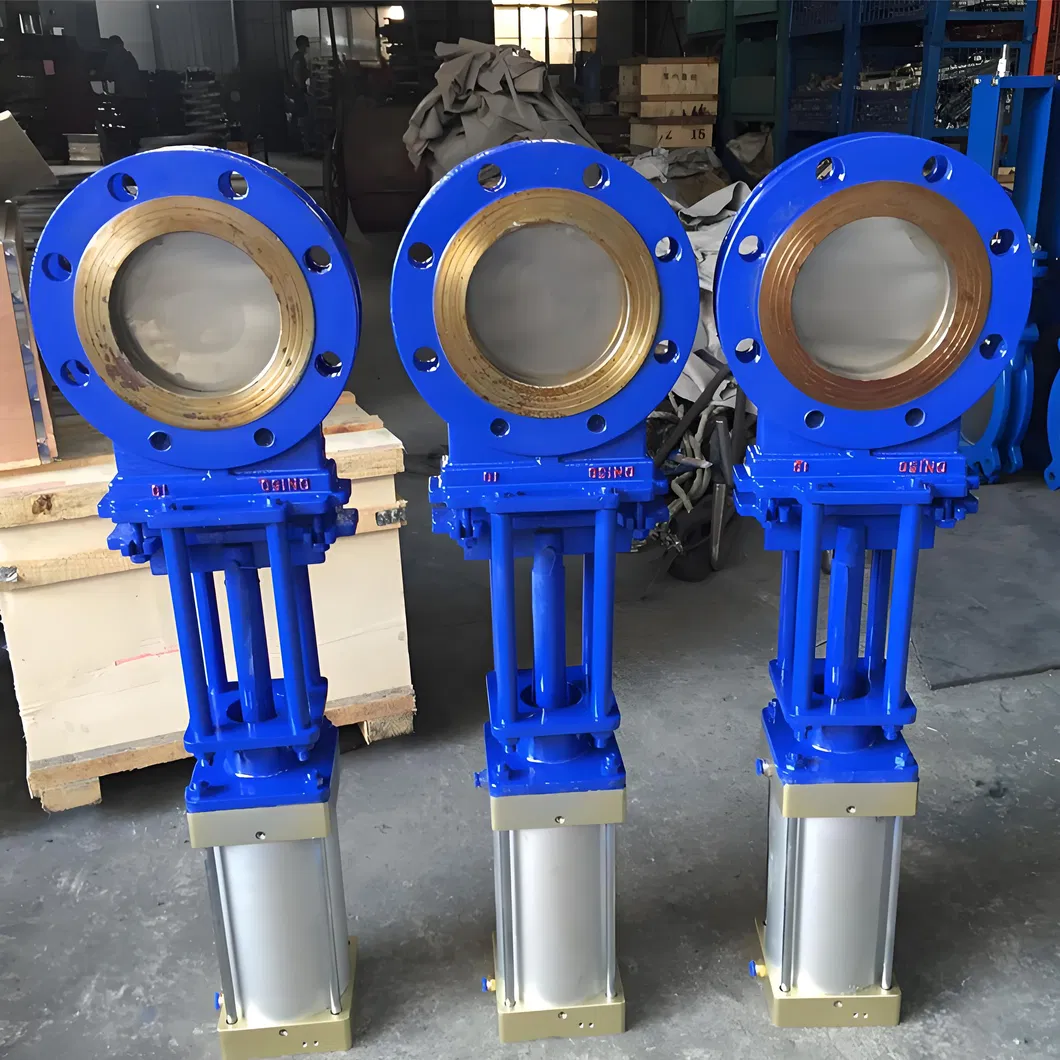
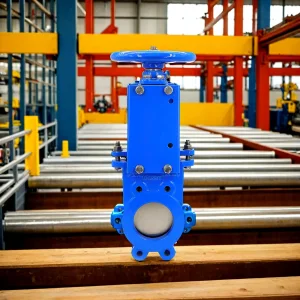
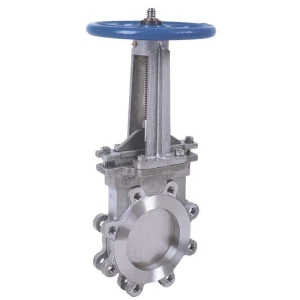
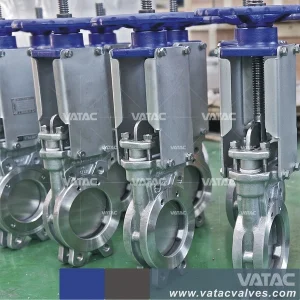
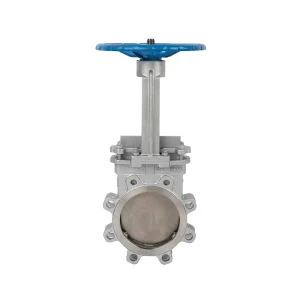
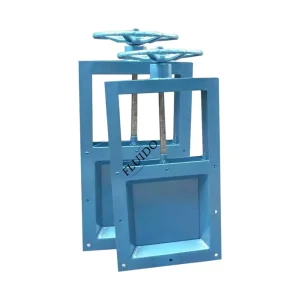
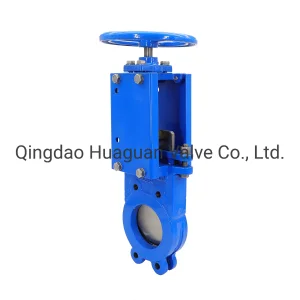
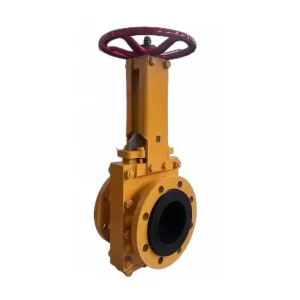
A knife gate valve is a type of valve designed for on-off isolation service in industrial applications where solid slurry or viscous fluid must be controlled. It operates by lifting a gate (typically made of stainless steel) out of the flow path. The gate is sharp-edged, resembling a knife, which allows it to cut through and push aside any obstructions in the flow.
These valves are essential in mining, pulp and paper, wastewater treatment, power plants, and chemical processing, where abrasive and viscous media are common. They prevent clogging and damage where other valve types might fail.


Efficient Flow Control
Provides a tight shut-off, minimizing leakage and ensuring efficient control in slurries or viscous fluids.
Resilience to Abrasion
Designed to handle abrasive materials like pulp and powders without clogging. The knife edge clears buildup.
Bi-Directional Flow
Many designs allow flow in either direction, offering flexibility in installation.
Corrosion Resistance
Available in stainless steel and corrosion-resistant alloys for demanding environments.

Positioning and Opening
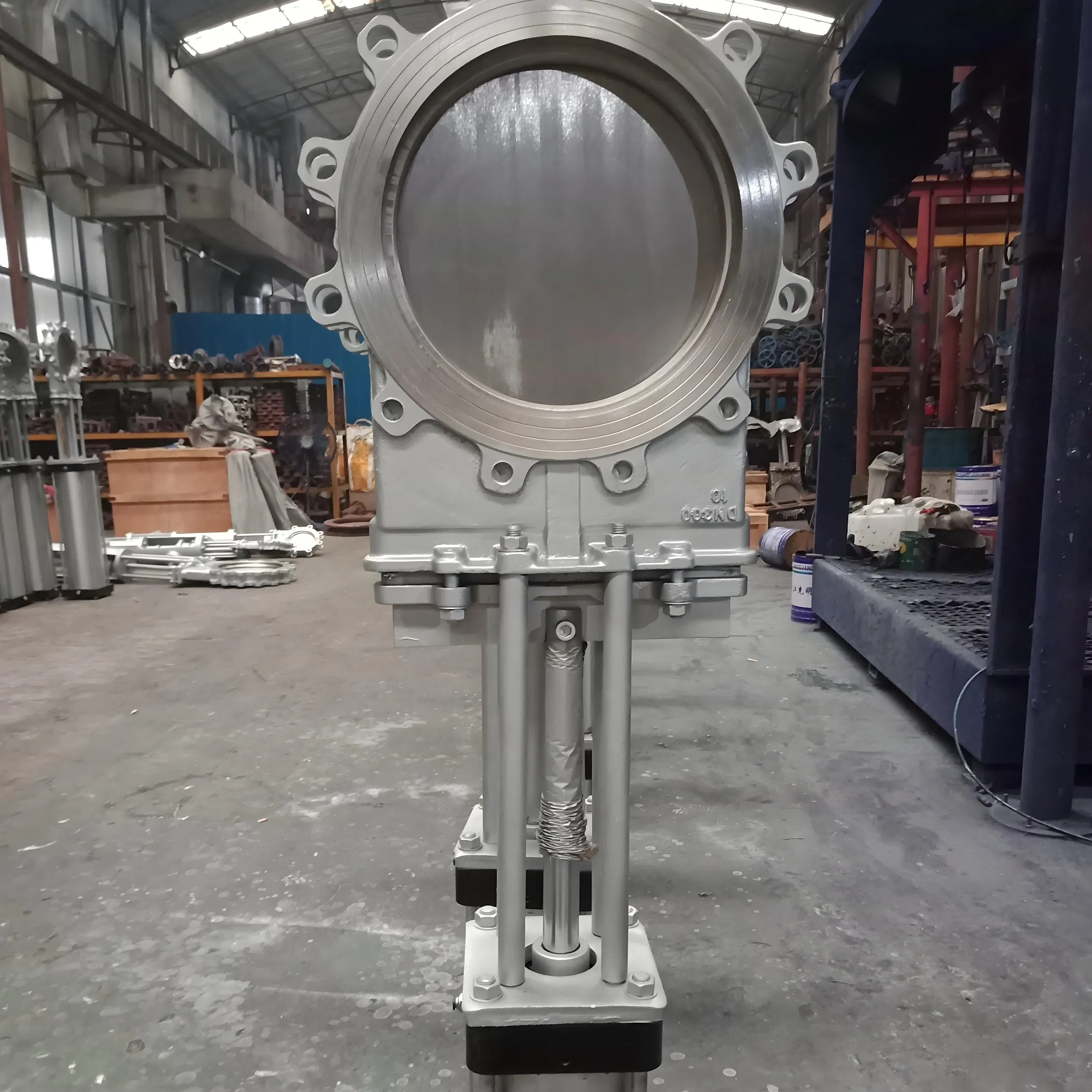
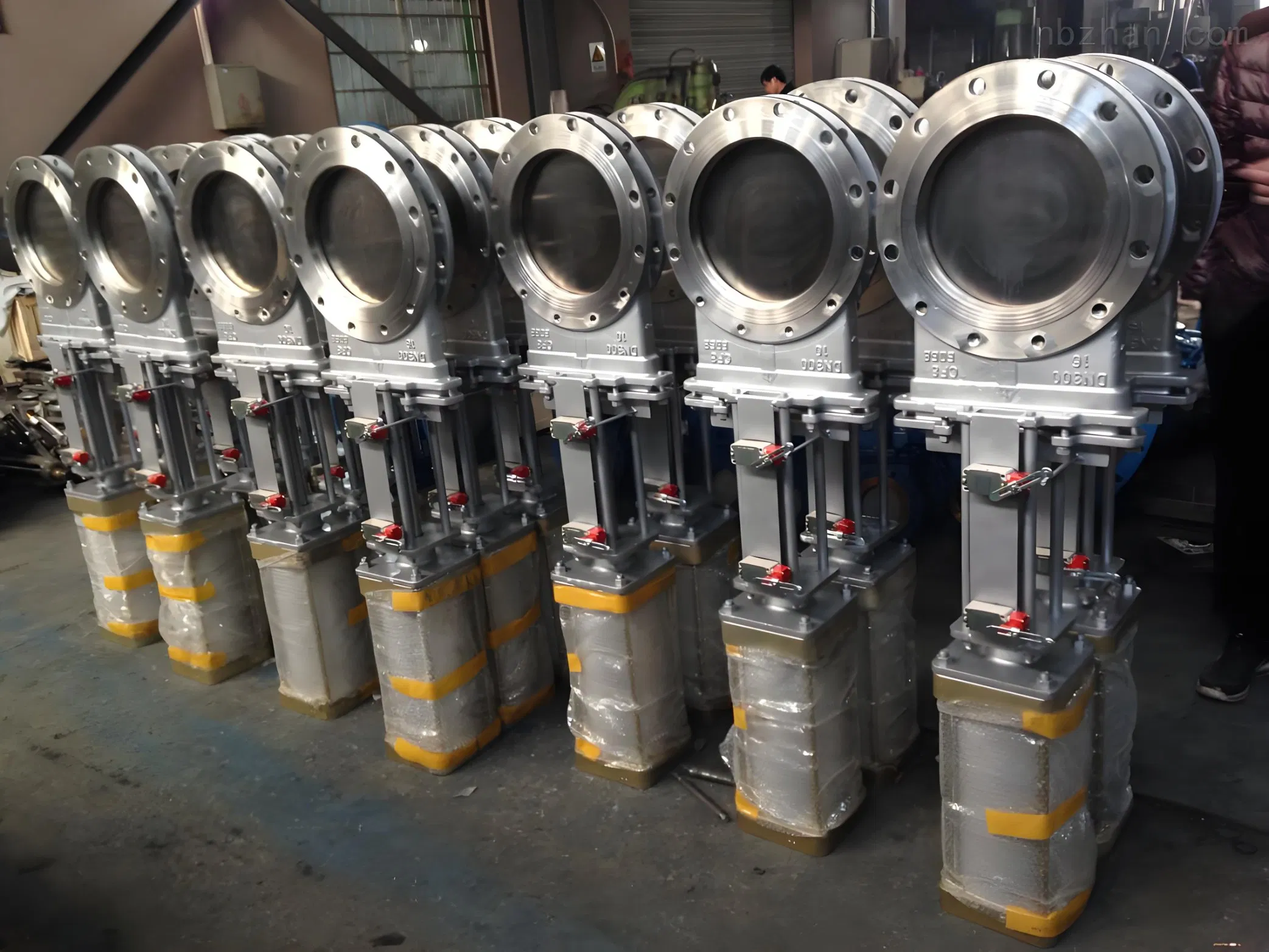
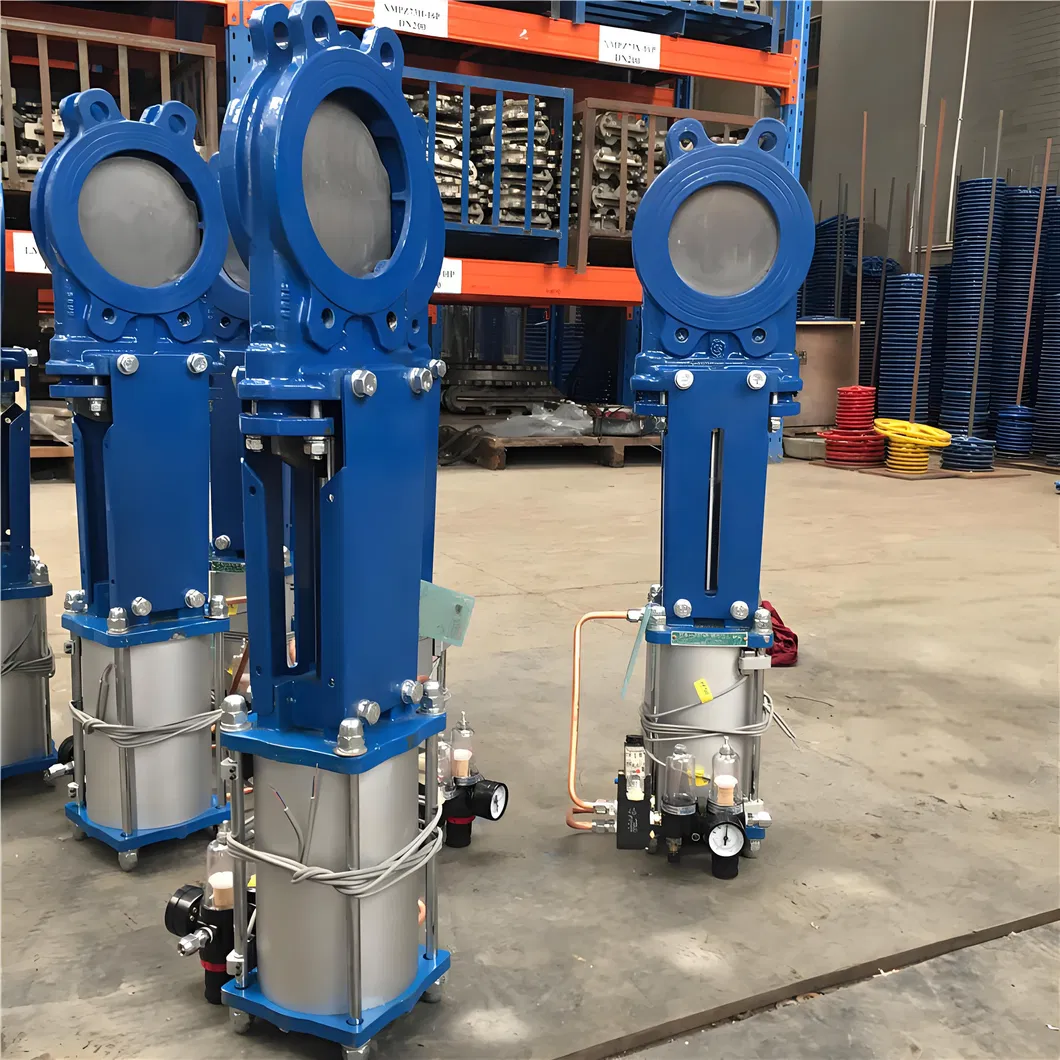
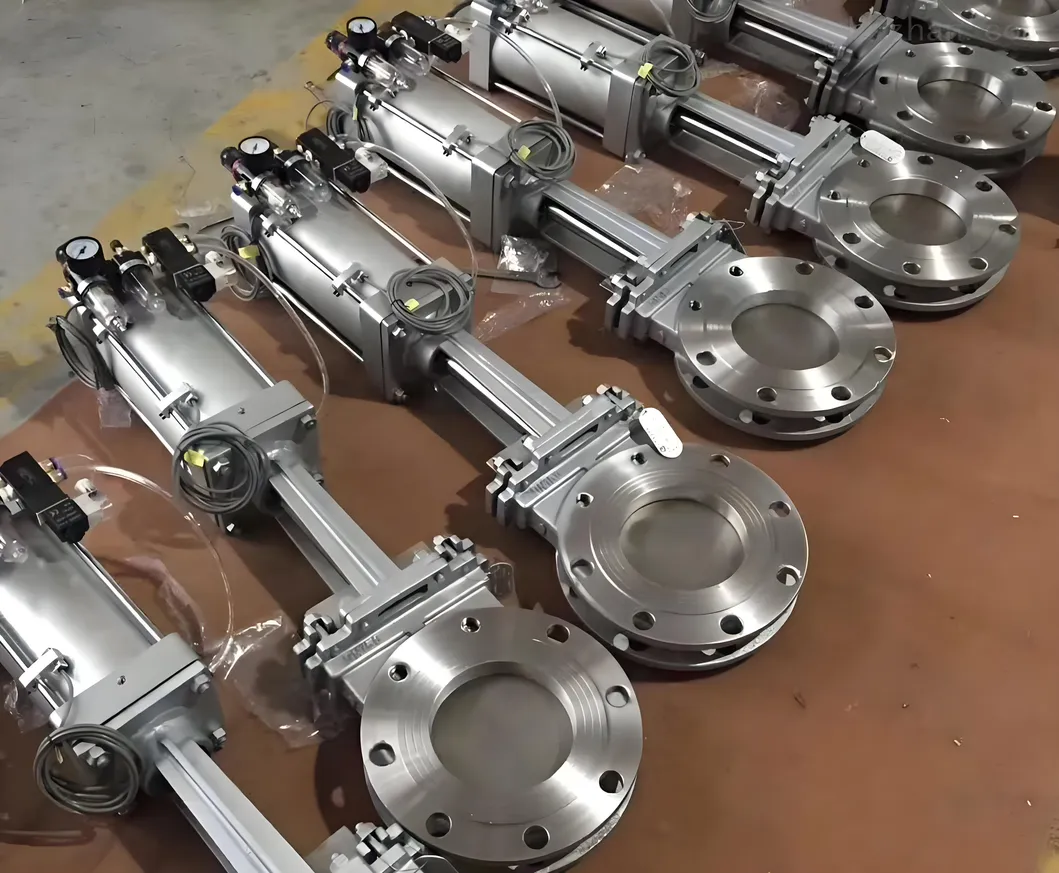
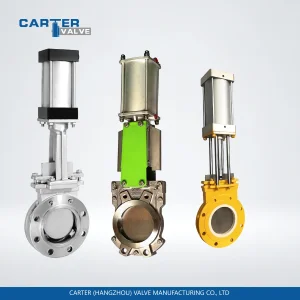
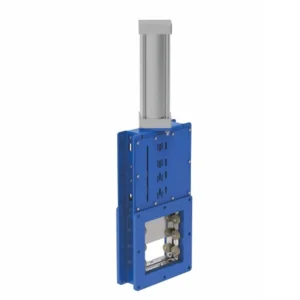
In the closed position, the gate blocks the pipeline. When activated via handwheel, pneumatic or hydraulic actuator, the gate lifts completely out of the flow path.
Closing and Sealing
The operator lowers the gate back into the flow path. The sharp edge cuts through particles to ensure a full seal. Resilient seats can be incorporated for zero-leakage performance.
Frequently Asked Questions
Q1: What materials are your knife gate valves made from?
A: Our valves are primarily manufactured using high-quality Stainless Steel and Carbon Steel to ensure durability and resistance to wear.
Q2: Can these valves handle high-viscosity slurries?
A: Yes, the sharp-edged "knife" design is specifically engineered to cut through viscous fluids and solid particles to prevent clogging.
Q3: Which international standards do your valves follow?
A: We comply with major international standards including ANSI, DIN, and JIS to ensure compatibility with global piping systems.
Q4: What are the available actuation methods?
A: Our valves can be operated manually (handwheel/lever), pneumatically, electrically, or through hydraulic actuators depending on your project requirements.
Q5: What is the standard lead time for an order?
A: Typically, delivery takes between 15 to 25 days, depending on the specifications and order volume.
Q6: Are the valves suitable for water treatment applications?
A: Absolutely. They are widely used in industrial water usage and wastewater treatment due to their excellent isolation capabilities.
 Maria Valve