Model NO.
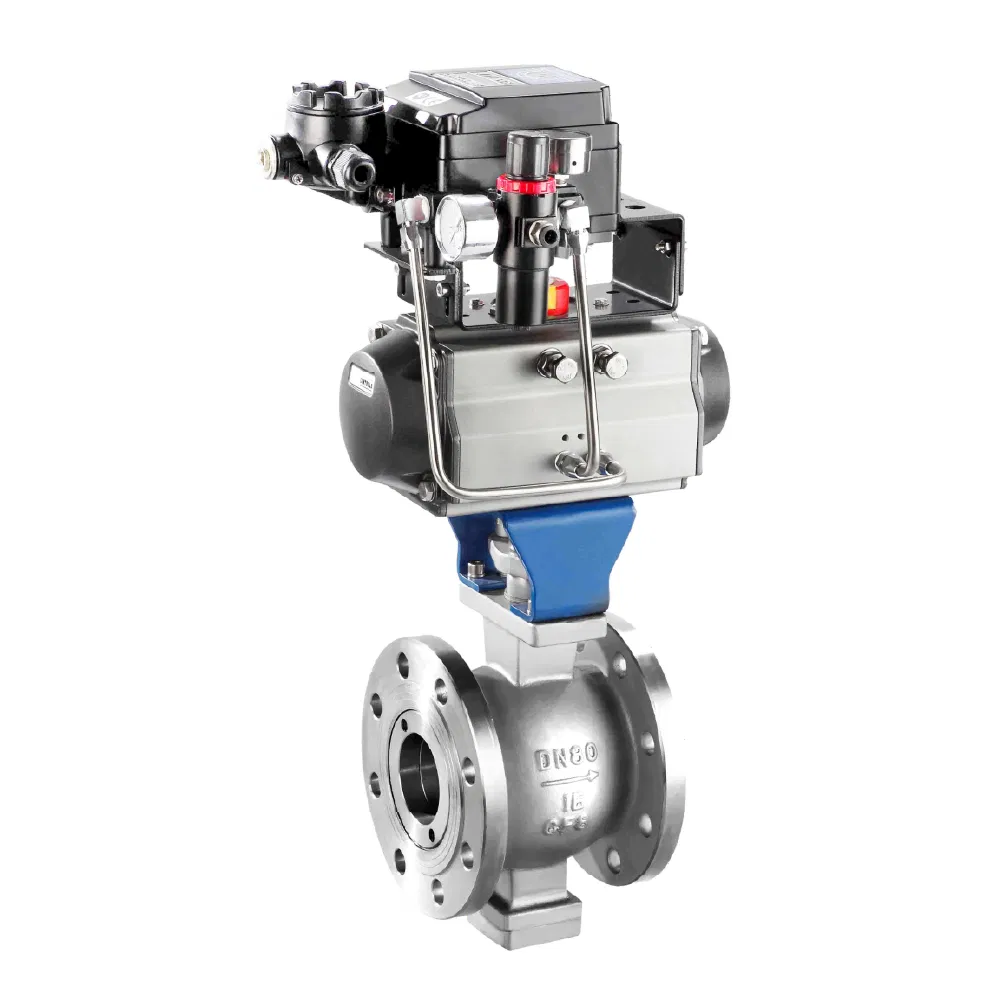
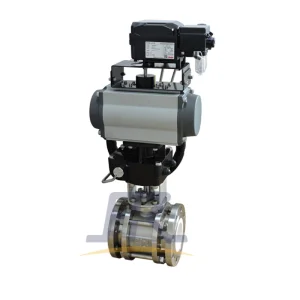
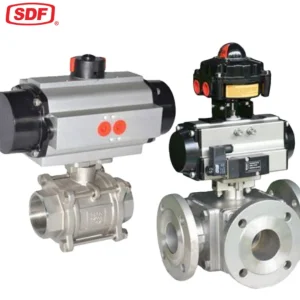
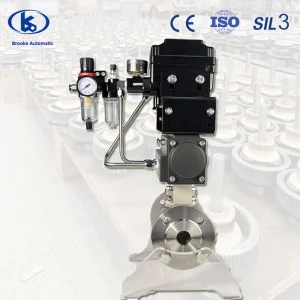
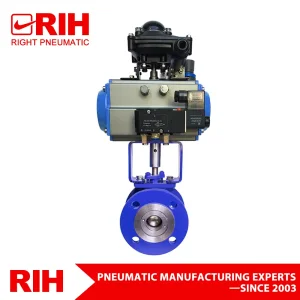
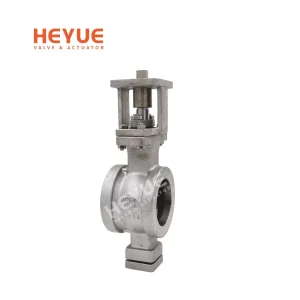
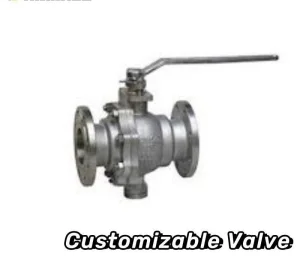
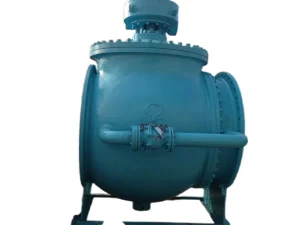
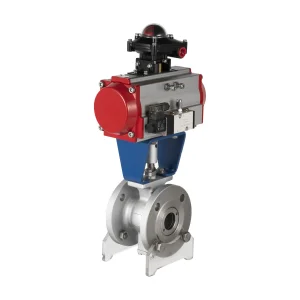
Segment ball valve
Nominal Pressure
1.6, 2.5, 4.0, 6.4MPa; 150lb, 300lb, 600lb
Structure
Fixed Ball Valve
Temperature
Normal Temperature
Standard
Chinese Standard, ANSI
Body Material
Carbon Steel, Stainless Steel
Seat Material
PTFE, Ppl, N, H, Y
Mode of Action
Double-Acting, Single-Acting (Spring Return)
Production Capacity
270,000/Year
✔ SIZE: DN25~500mm
✔ Working Pressure: 1.6, 2.5, 4.0, 6.4MPa; 150Lb, 300Lb, 600Lb
✔ Structure: Fixed V-notch ball
✔ Design Standard: Chinese Standard, ANSI
✔ Body Material: Carbon Steel(WCB), Stainless Steel(CF8, CF8M, CF3, CF3M)
✔ Seat Material: PTFE, PPL, N, H, Y
✔ Mode of Action: Double-acting, Single-acting (Spring Return)
✔ Mode of Control: ON/OFF Type, Adjusting Type
✔ Annex Choice: Solenoid Valve, Positioner, Limit Switch, FR.L. Manual Gear
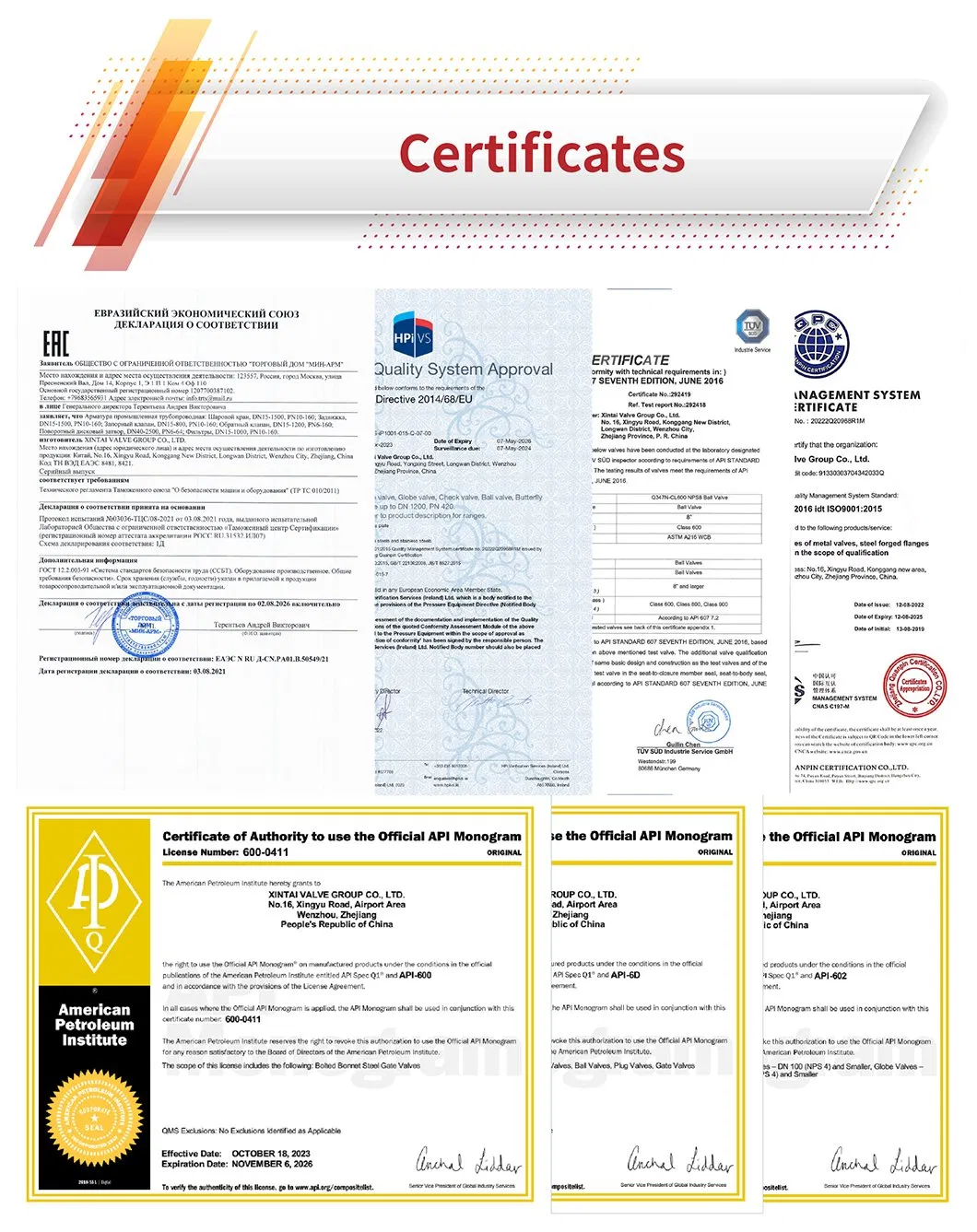
Certificates: API6D, CE, ISO certificate.
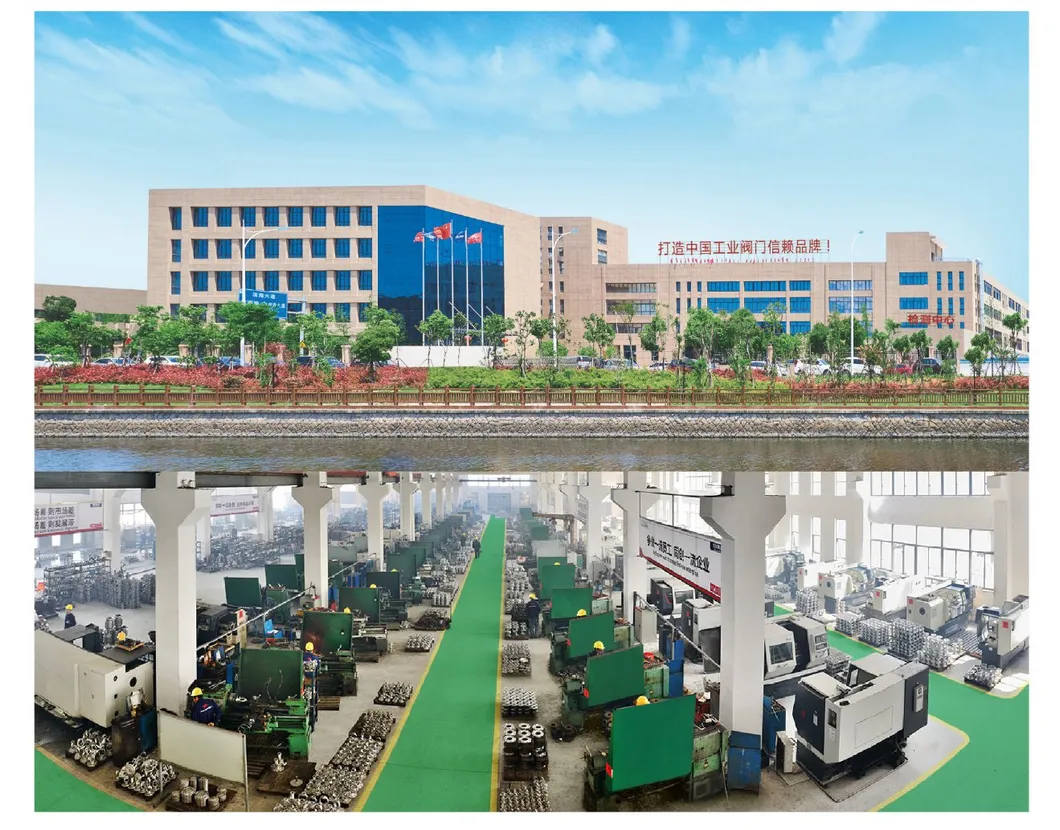
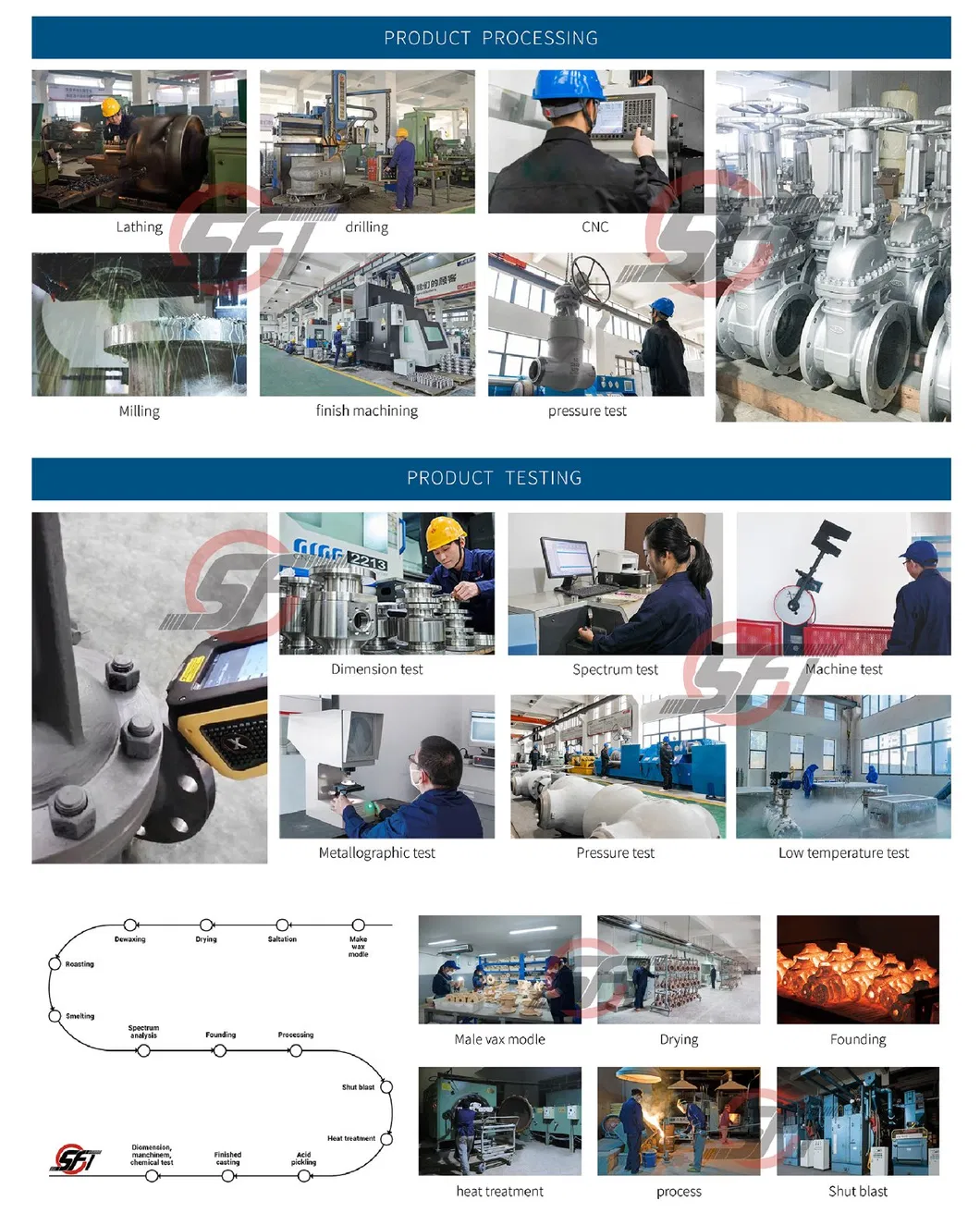
Casting Capacity: 8 casting lines, 20,000 square meters, 2,000 Ton / Year.
Valves Capacity: 270,000 Valves / Year.
Automatic Production: Automatic production line for flange ball valves (500 PCS / Day).
Materials: WCB, CF8, CF8M, CF3, CF3M, Duplex, Brass, Cast Iron.
What is a Segment Ball Valve?
A segment ball valve, also known as a V-notch ball valve, features a specialized ball with a V-shaped notch. This design allows for high-precision throttling and control of fluid flow, making it ideal for pulp, paper, and industrial chemical applications.
What driving modes are available for these valves?
We primarily provide pneumatic driving modes, including both double-acting and single-acting (spring return) options to suit different safety requirements and operational environments.
Which standards do your valves comply with?
Our segment ball valves are designed and manufactured according to international standards including Chinese GB Standard, ANSI (American National Standards Institute), JIS, and DIN.
What materials are used for the valve body?
The common materials available include Carbon Steel (WCB) and various grades of Stainless Steel such as CF8, CF8M, CF3, and CF3M to ensure durability and corrosion resistance.
What are the main applications for these valves?
These valves are widely used in the petroleum industry, chemical processing, water treatment, and pulp and paper industries where reliable flow control of pipeline fluids is required.
Do your products have quality certifications?
Yes, our products carry API6D, CE, and ISO certificates, ensuring they meet rigorous international quality and safety standards for high-tech industrial use.
 Maria Valve