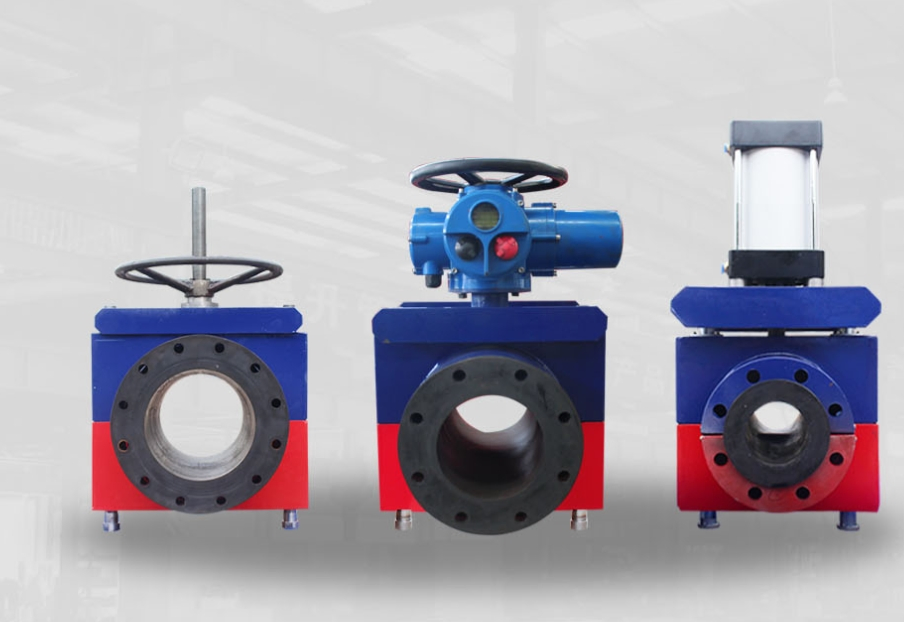
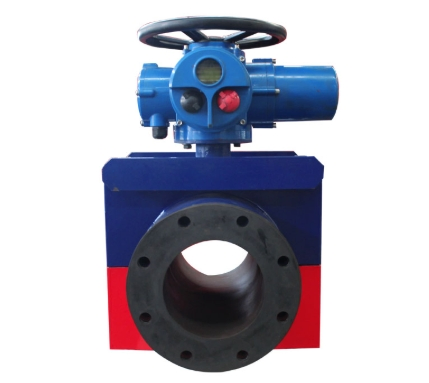
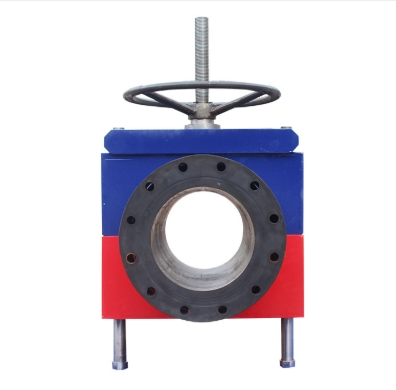
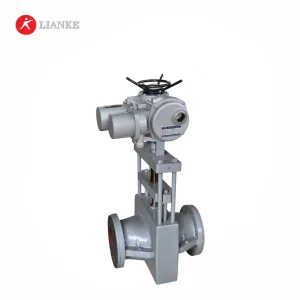
High Quality Cast Iron Electric Actuated Pinch Valve with Abrasive Resistant Rubber Hose

Still deciding? Get samples of $ !
Request Sample

Product Description

Basic Information

Model NO.
HRQ-E
Actuator
Electric Actuated
Connection
Flange
Type
Direct Acting
Material
Cast Iron
Pressure
0 ~ 1.6 MPa
Structure
Rubber Sleeve
Usage
Flow Control
Standard
DIN
Specification
5 ~ 600 mm

Product Description

High-performance Electric Actuated Pinch Valve

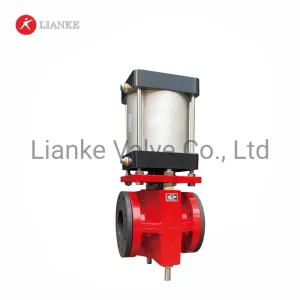
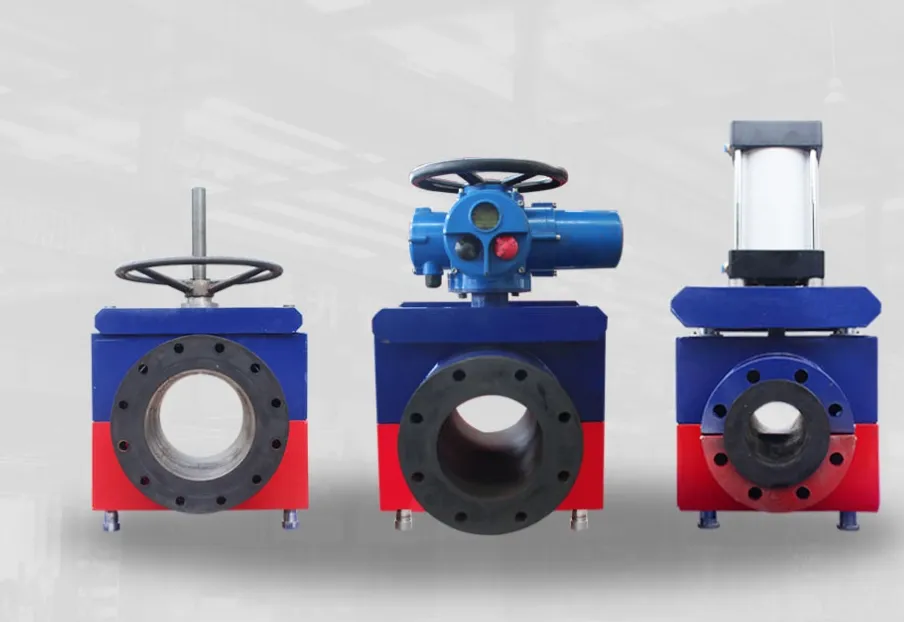
Our high-performance Electric Actuated pinch valve is a 2/2-way valve designed to shut off or control the flow of corrosive, abrasive, or granular media. In the open position, the valve has no restrictions and allows a wide range of media to pass through the bore. The flexible internal rubber sleeve in the valve keeps the media isolated from the rest of the valve, preventing contamination or damage to the valve's other components. Designed with advanced technology and robust materials, these valves are cost-effective, reliable, and easy to use.
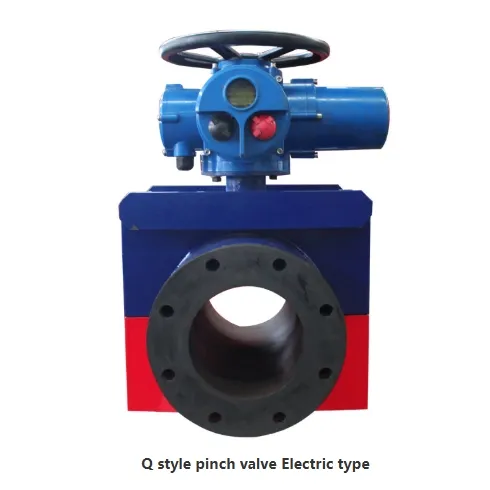
Electric Actuated Pinch Valve
Applicable Industries
  • Chemical Industry: Used for dosing and regulating dyes, pigments, fertilizers, acids, and abrasive slurries.
  • Food and Beverage: Handling ingredients like flour, cereal, and food waste.
  • Pharmaceutical Industry: Ideal for sterile environments and controlling liquids/powders.
  • Environmental Technology: Managing sludge and waste in water treatment plants.
  • Mining Industry: Regulating flow of minerals, ores, and coal.
  • Pneumatic Conveying: Controlling bulk materials and granules.

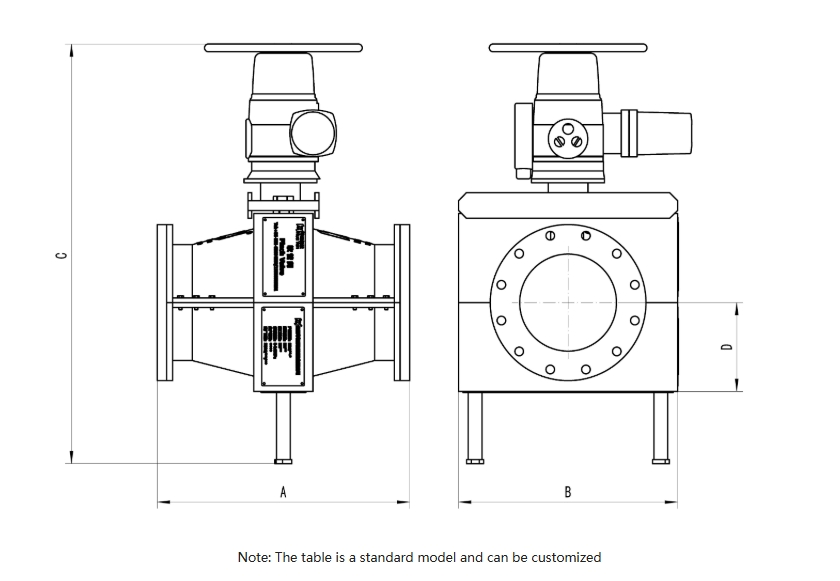
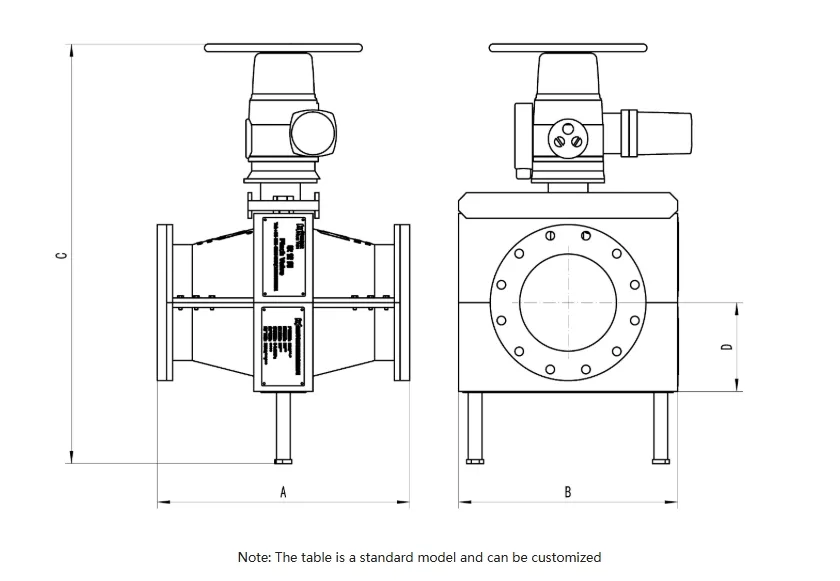
Drawings & Dimensions

Drawings & Dimensions

Technical Specifications

Product Model Nominal Diameter (mm) Pressure (Mpa) Temperature (℃) A (mm) B (mm) C (mm) Drive Mode
HRQ25-EKDN250-1.6-10℃~80℃155185405Electric switch
HRQ50-ETDN500-1.6-10℃~80℃212210480Electric adjustment
HRQ80-EKDN800-1.6-10℃~80℃350290538Electric switch
HRQ100-ETDN1000-1.6-10℃~80℃434327657Electric adjustment
HRQ150-EKDN1500-1.6-10℃~80℃375415854Electric switch
HRQ200-ETDN2000-1.6-10℃~80℃505497990Electric adjustment
HRQ300-EKDN3000-1.6-10℃~80℃6806101540Electric switch

Materials Handled

Liquids: Handles suspended solids, slurries, and viscous fluids.
Powders and Granules: Effective for pellets and particulate materials.
Abrasive & Corrosive: Rubber sleeve construction protects the valve body.
Product Video Cover

Knowledge Center

How does a pinch valve work?

The pinch valve consists of a housing, a sleeve, and end connections. The rubber sleeve is the only component that contacts the media. Automatic pinch valves operate using an electric actuator or solenoid to control a plunger that pinches down the sleeve, stopping the flow entirely.

Pinch Valve Vs. Conventional Valves

Unlike ball or gate valves where particles can get trapped and clog the mechanism, the pinch valve's rubber sleeve closes around particles. Once opened, the sleeve's elastic rebounding property ensures a full, unobstructed flow passage, preventing blockage and reducing wear.
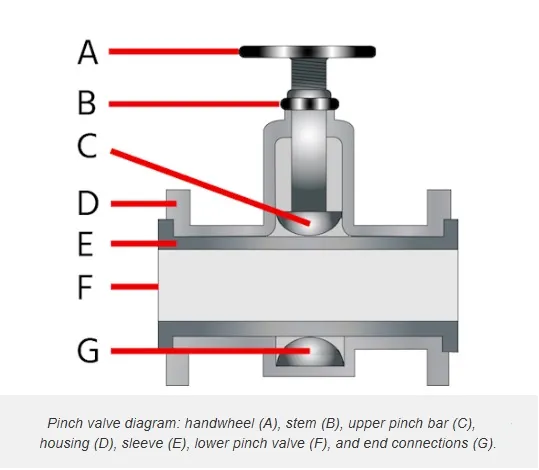
Pinch Valve Mechanism 1
Pinch Valve Mechanism 2
Advantages of Pinch Valves
Low Maintenance
No Clogging
Self Cleaning
Fast Operation
Tight Shutoff
Minimal Friction

Frequently Asked Questions

Q: What is a pinch valve?
A: A pinch valve is a cost-effective solution ideal for shutting off or controlling the flow of abrasive, granular, or corrosive media by pinching an elastomer sleeve.
Q: How does the electric actuator work on this valve?
A: The electric actuator receives a signal to move a stem that pushes a pinch bar against the rubber sleeve, compressing it to regulate or stop the flow.
Q: What are the main benefits over ball valves?
A: Pinch valves do not clog, have a straight-through flow path, and are much more resistant to abrasive materials because the media only touches the replaceable rubber sleeve.
Q: What is the typical lead time for orders?
A: Standard models are usually shipped within 15 days, while customized units or large configurations require 30–45 days.
Q: Can I request customized technical specifications?
A: Yes, we offer tailored attachments and customized configurations to meet specific industrial requirements.
Q: What materials are used for the internal sleeve?
A: Depending on the application, sleeves can be made of natural rubber, NBR, EPDM, silicone, or food-grade rubber.

Related Products