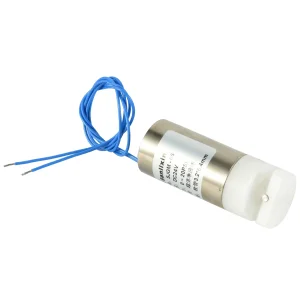
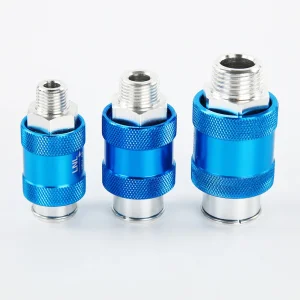
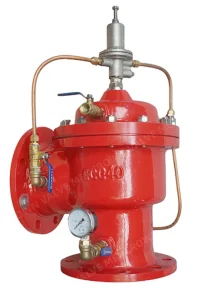
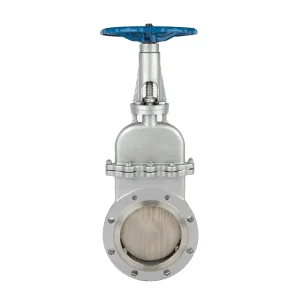
Two-way valves serve as the foundational architecture for fluid mechanics in modern infrastructure, playing a vital role in isolating, regulating, and managing flow dynamics.
Within the global industrial pipeline market, the two-way valve remains the primary mechanism for regulating flow. Designed with an inlet and an outlet, these valves operate under various modes—gate, ball, globe, butterfly, needle, and diaphragm—to service diverse mechanical applications. The rapid advancement of automated industries, green energy infrastructure, and smart cities has elevated two-way valves from basic manual components to highly engineered, smart-actuated systems integrated with SCADA network protocols.
From a commercial standpoint, the demand for two-way valves continues to rise. In North America and Europe, strict EPA and European Union environmental standards have accelerated the adoption of zero-leakage, low-emission valves. At the same time, growing industrial capacity in the Asia-Pacific region calls for durable, high-volume fluid control solutions capable of handling heavy workloads under extreme pressures and temperature ranges.
Two-way valves are critical for process optimization across industries like petrochemical refining, municipal water treatment, pharmaceutical processing, and marine engineering. Selecting the proper valve requires evaluating complex fluid dynamics, such as pressure drops (delta-P), flow coefficients (Cv), chemical compatibility, and potential cavitation risks. Standard two-way configurations must handle media ranging from ultra-pure water to abrasive chemical slurries and cryogenic gases.
As sustainability becomes a priority for global supply chains, manufacturing operations must focus on energy efficiency. Energy losses from pressure drops across poorly designed two-way valves can increase operating costs for processing plants. High-efficiency designs from leading factories focus on optimizing internal flow paths to minimize friction loss, helping clients meet ESG targets and reduce total cost of ownership (TCO).
Zhejiang Maria Valve Co., Ltd. is a specialized manufacturer of high-performance industrial valves, supporting pipeline safety and process control since 2003.
Since its establishment, Zhejiang Maria Valve Co., Ltd. has specialized in manufacturing a wide range of industrial valves, serving key sectors such as petroleum, steel, power generation, chemical, and water treatment. Leveraging years of experience and advanced engineering technology, we have consistently delivered high-quality, reliable valves to clients worldwide.
Founded with a commitment to innovation and excellence, Zhejiang Maria Valve has become a trusted supplier for global process control solutions, offering products that meet rigorous international standards.
Zhejiang Maria Valve Co., Ltd. provides a comprehensive range of valves, including control valves, ball valves, butterfly valves, gate valves, and custom-designed specialty valves for industrial applications. As one of the pioneers in China's valve manufacturing industry, we have contributed to advancing control valve technology and elevating product standards across the market.
Since 2003, our company has been dedicated to the development, design, and production of high-performance valves for pipeline and instrumentation control systems in process plants. We focus on combining cutting-edge technology with practical engineering solutions to ensure efficiency, safety, and long-term reliability.
At Zhejiang Maria Valve, we continuously strive to:
With a strong foundation in technology, engineering expertise, and global market experience, Zhejiang Maria Valve is a dynamic, innovative, and customer-focused company. We are committed to helping our clients maintain operational excellence and a competitive edge in global markets.
Serving customers in multiple countries with a reliable supply chain.
Continuous R&D to develop advanced valve solutions.
Stringent manufacturing and testing processes to ensure performance.
Dedicated support to meet the unique needs of each client.
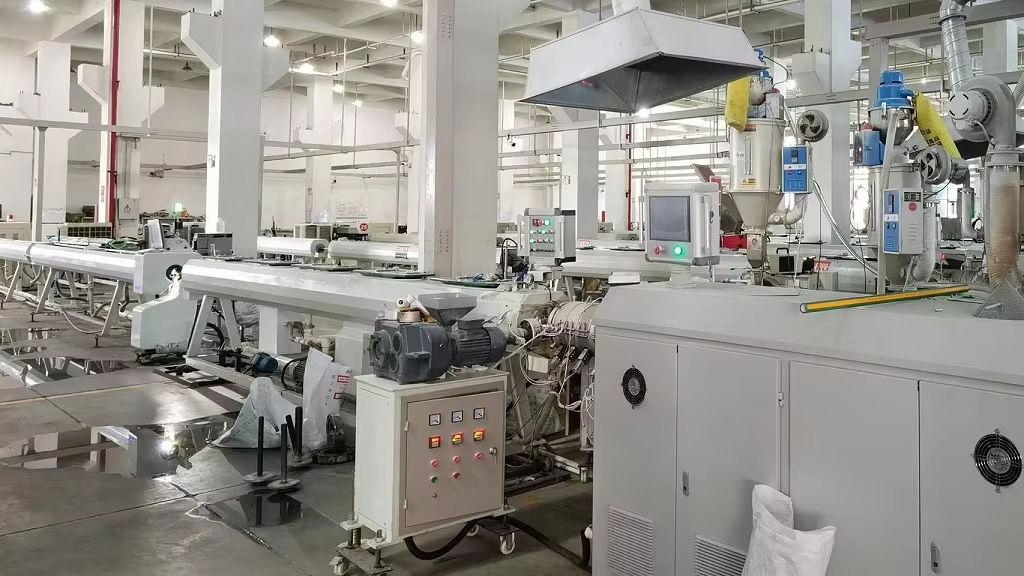
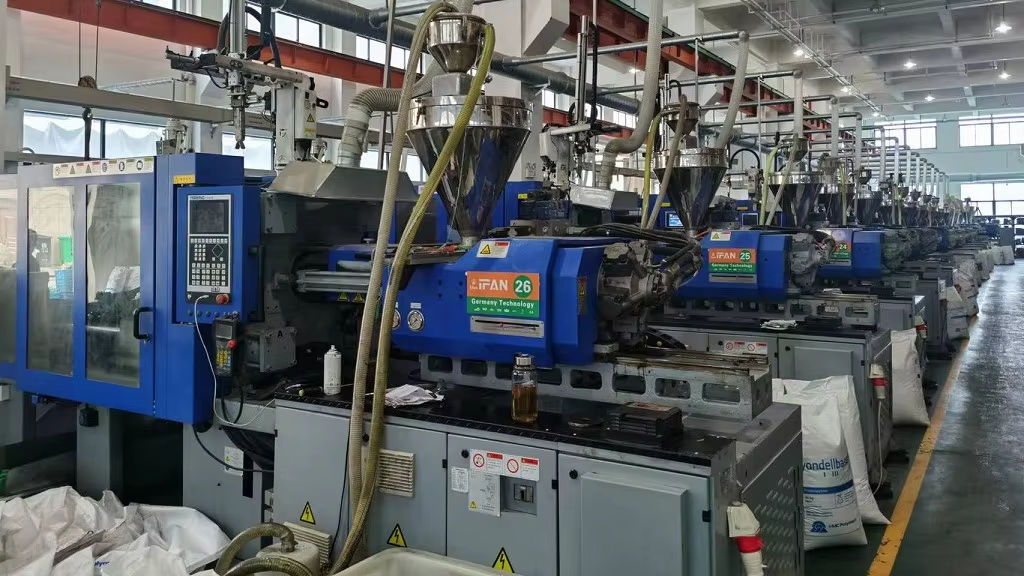
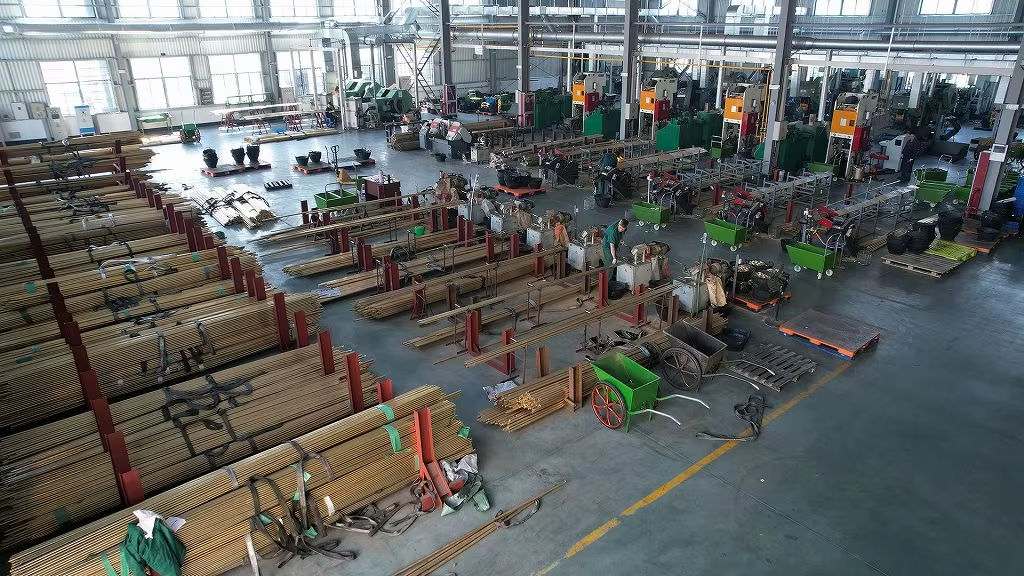
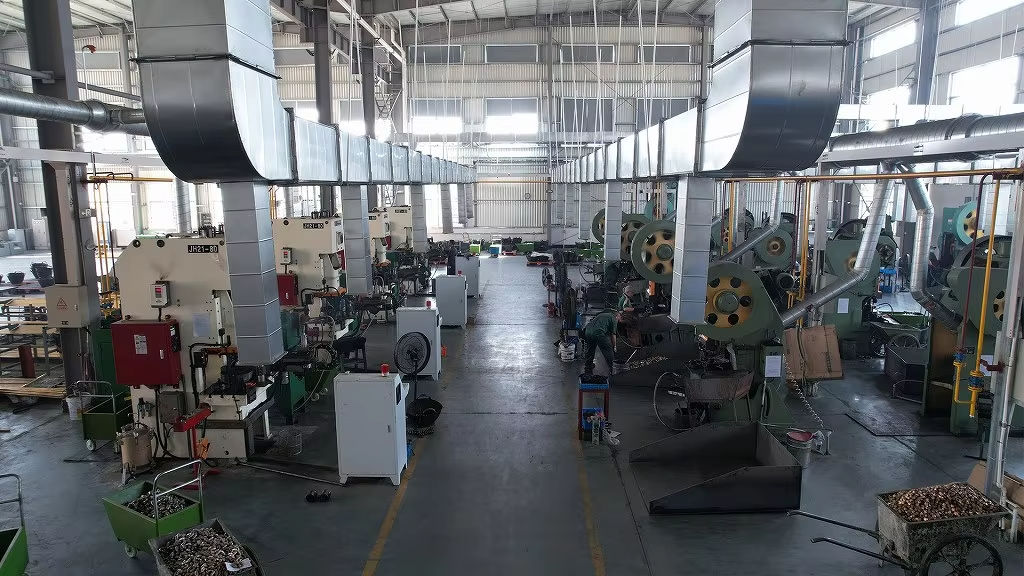
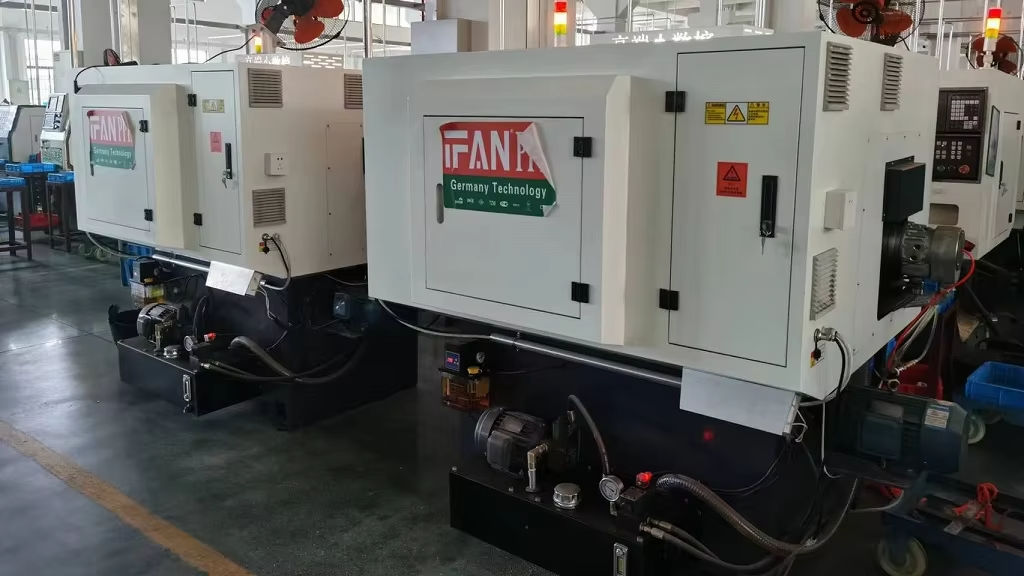
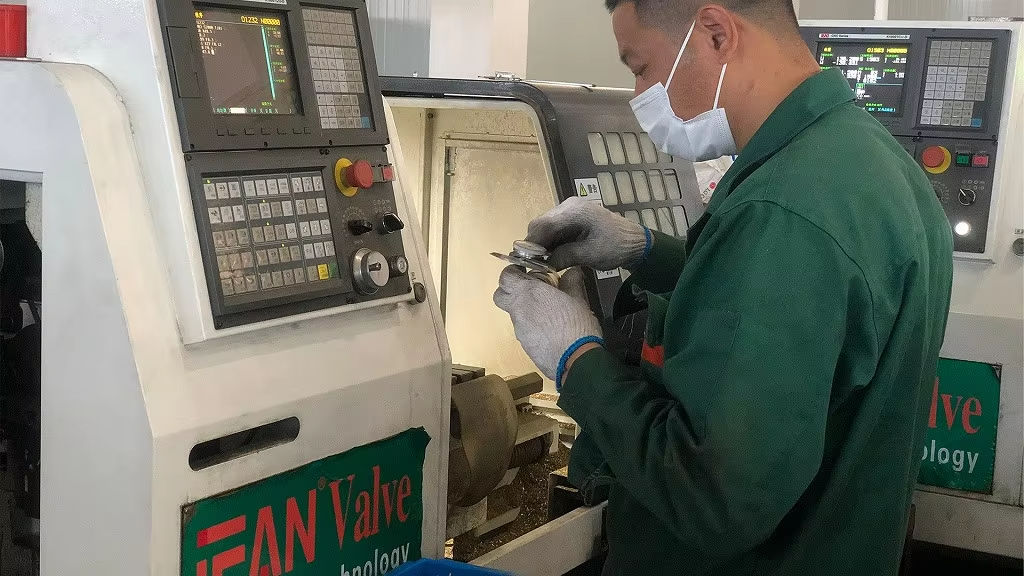
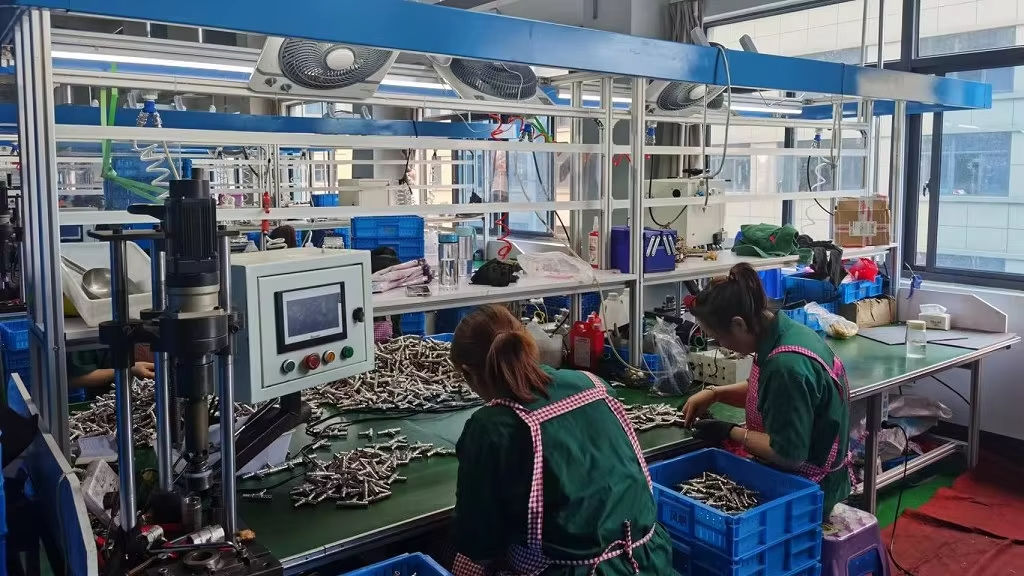
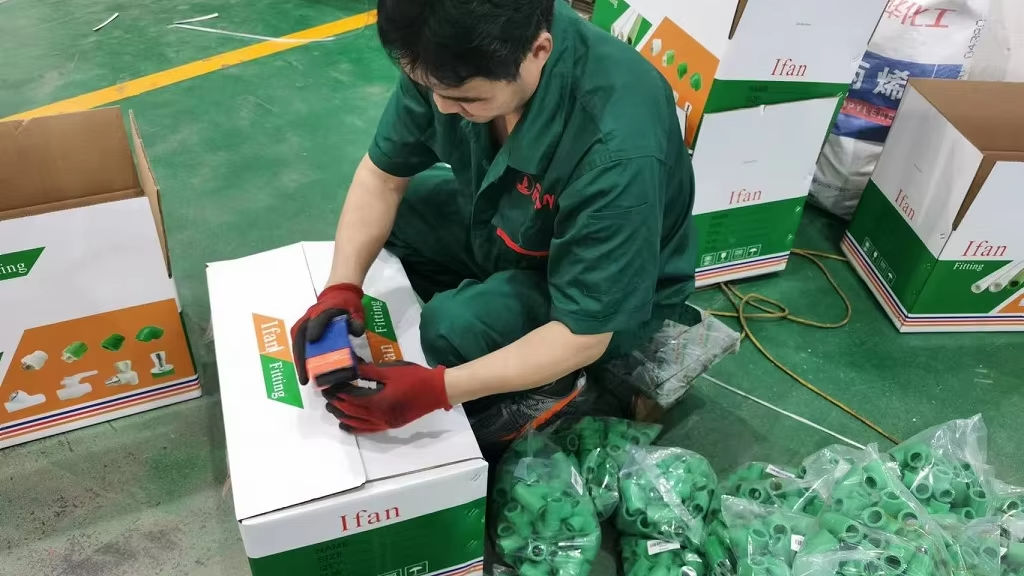
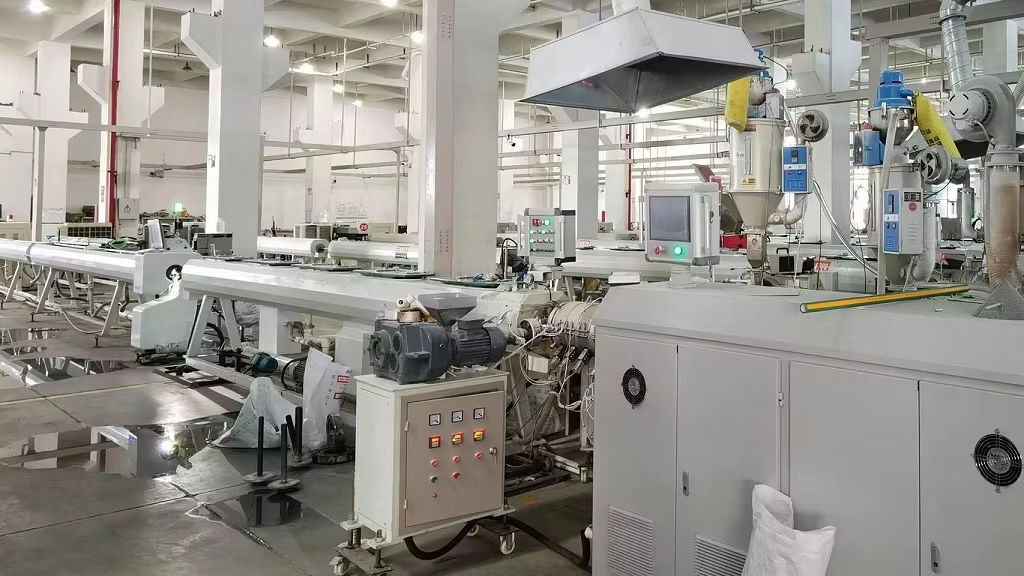
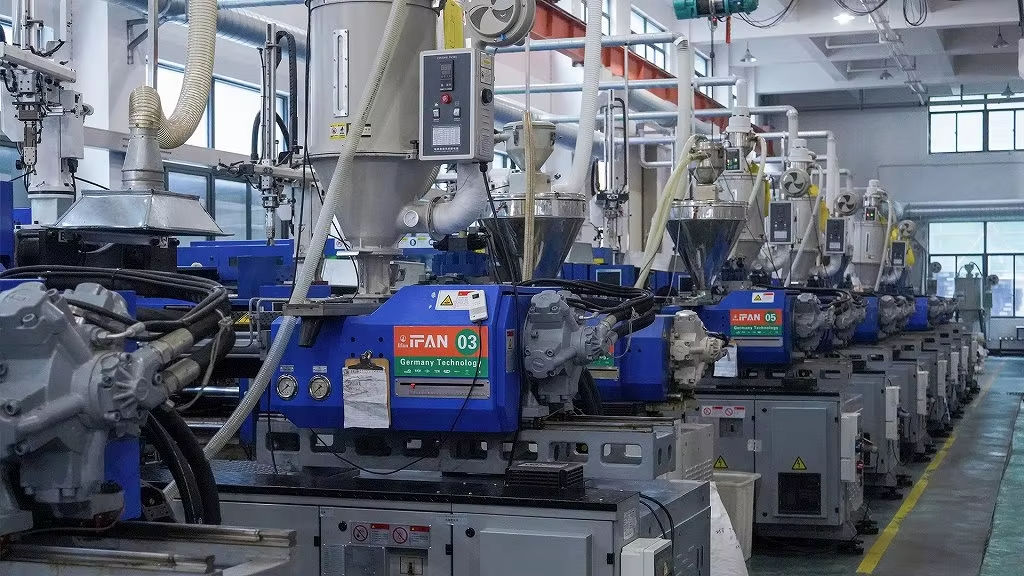
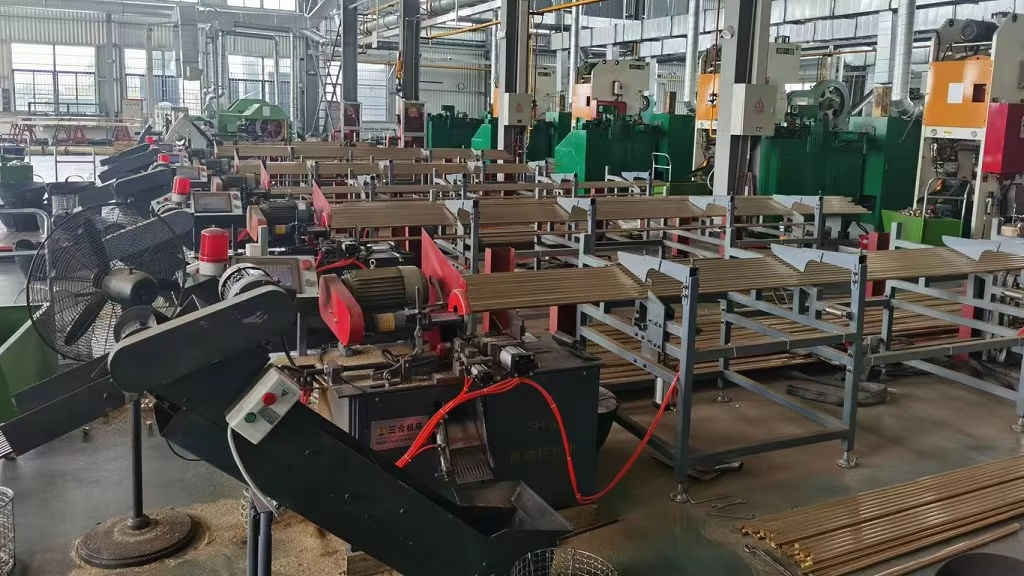
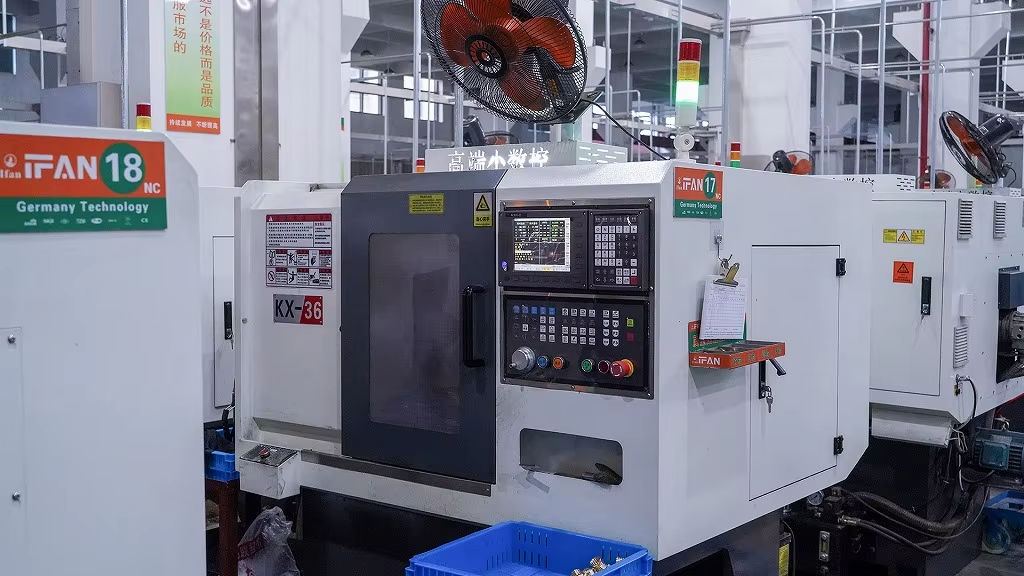
Our integrated production line combines advanced forging, automated machining, and rigorous quality testing to ensure every valve meets strict performance tolerances.
Chinese valve manufacturing has evolved from basic metal processing to high-end, CNC-driven precision engineering. By housing forging, machining, molding, assembly, and testing within a single ecosystem, Zhejiang Maria Valve achieves structural consistency, quick adjustments, and short lead times. Automated machining reduces human error, resulting in precise dimensional tolerances vital for high-pressure, zero-leakage fluid systems.
Our industrial two-way valves are engineered for specific operating conditions, providing reliable flow isolation and system integrity.
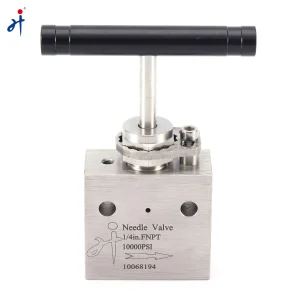
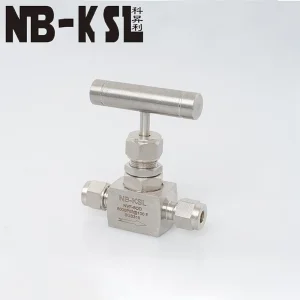
Hydrostatic test benches require valves that can handle extreme pressures. Utilizing manual needle control valves rated for 10,000 PSI ensures secure shutoff, protecting operators and delicate instrumentation during high-pressure cycles.
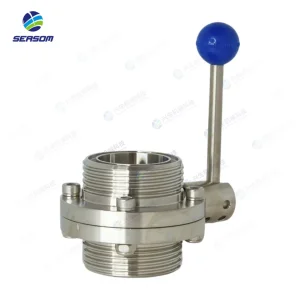
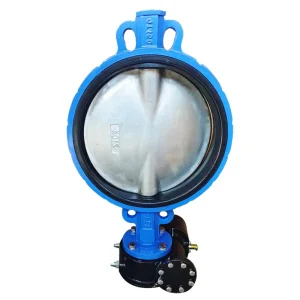
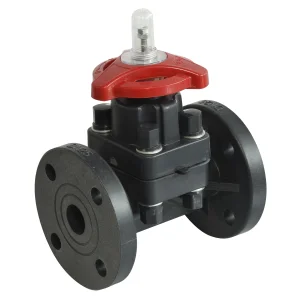
Food, beverage, and pharmaceutical processes require contamination-free fluid paths. Stainless steel SMS butterfly valves and plastic diaphragm valves provide smooth internal flow channels, minimizing bacteria accumulation and supporting CIP (Clean-in-Place) sterilization cycles.
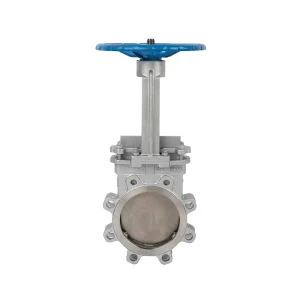
Mining, pulp processing, and wastewater systems involve fluids filled with solids. Traditional valves can clog or wear quickly in these environments. Heavy-duty unidirectional knife gate valves use a sharpened gate blade to shear through thick media, maintaining tight seals.
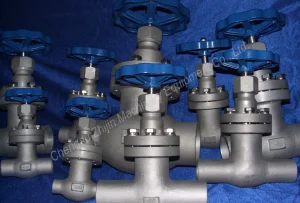
Handling clean energies like Liquefied Natural Gas (LNG), liquid hydrogen, or liquid oxygen requires specialized materials. Our cryogenic butterfly and globe valves use extended bonnets and custom seals to prevent fluid leakage at extremely low temperatures.
Corrosive acids, alkalis, and reactive chemicals wear down standard metals. Thermoplastic valves, such as PVDF and PVC diaphragms, offer excellent chemical resistance, preventing material degradation and protecting system integrity.
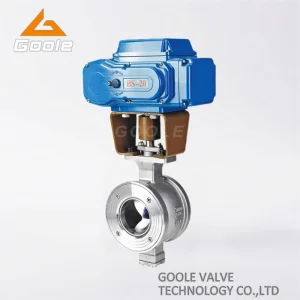
For remote process lines, electric and pneumatic actuated V-port segment ball valves allow precise flow adjustment. These systems respond to real-time control signals, optimizing flow rates to reduce waste and improve energy efficiency.
For B2B procurement managers and engineers, sourcing valves from China requires balancing initial costs with long-term performance, quality certifications, and supply chain reliability.
Buying wholesale industrial valves involves evaluating more than just the unit cost. Sourcing managers must assess the manufacturer's quality control steps, raw material traceability, and testing standards. Zhejiang Maria Valve addresses these requirements by providing material test reports (MTR) showing chemical composition and physical properties for critical pressure-containing parts.
Testing is a vital part of our risk mitigation. Every valve we produce undergoes pressure testing according to international standards like API 598 or EN 12266-1 before packaging. These tests include high-pressure shell hydrostatic tests and low-pressure air seat tests to confirm seal integrity before installation.
Global operations require valves that comply with local regulatory frameworks. Zhejiang Maria Valve produces components designed to meet international standards:
Selecting compliant valves helps engineering teams prevent project delays and pass regulatory audits during facility commissionings.
Industrial valve design is evolving to incorporate smart features, alternative materials, and strict emission controls.
Modern two-way valves are increasingly equipped with digital positioners and smart sensors. These devices monitor diagnostics, including packing wear, air supply pressure, and cycle counts, allowing operators to perform predictive maintenance and prevent unexpected shutdowns.
Environmental regulations continue to lower allowable limits for fugitive emissions from valve packings. Today's industrial valves utilize bellows seals and live-loaded packing designs to seal hazardous media, protecting the environment and staff.
Abrasive and corrosive media can quickly wear down base metals. Applying coatings like Stellite, Tungsten Carbide, and electroless nickel plating (ENP) to valve internals helps extend their operational lifespan in challenging environments.
Technical answers to common questions about sourcing and applying two-way industrial valves.
 Maria Valve