Engineered for extreme pressure, corrosive media, and zero-leakage process reliability
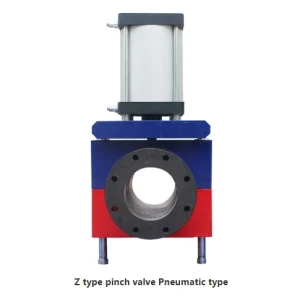
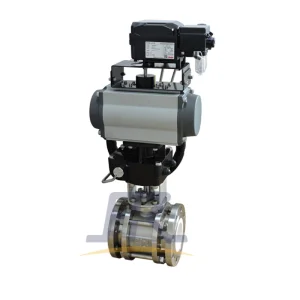
Navigating fluid dynamics, severe service requirements, and market expansion in modern process infrastructure
The global chemical valve manufacturing sector stands at the critical intersection of modern industrial synthesis, environmental stewardship, and process automation. Valued at over $11.8 billion globally, the demand for high-integrity chemical valves is escalating rapidly, driven by the expansion of petrochemical mega-complexes, bio-pharmaceutical manufacturing, and green hydrogen synthesis facilities worldwide. In aggressive chemical environments, flow control components must maintain continuous seal integrity while enduring severe thermal cycles, abrasive slurry friction, and highly reactive corrosive media such as concentrated sulfuric acid, wet chlorine, and organic solvents.
China has established itself as the premier manufacturing powerhouse for industrial valves, transitioning from high-volume standardized production to advanced precision engineering, severe-service metallurgy, and IIoT-integrated digital control systems. Leading Chinese manufacturers are now designing valve architectures that directly address key operational vulnerabilities in process plants: volatile organic compound (VOC) leakage, valve stem erosion, localized pitting corrosion, and seat deformation under high thermal stress.
To meet global industrial demands, chemical valve engineering has integrated computational fluid dynamics (CFD) modeling, finite element analysis (FEA), and specialized material chemistry. Whether in high-pressure oil refining or ultra-pure bioprocessing, the selection of valve technology directly impacts plant availability, operational efficiency, and environmental compliance.
Decades of engineering excellence, rigorous quality assurance, and global supply capability
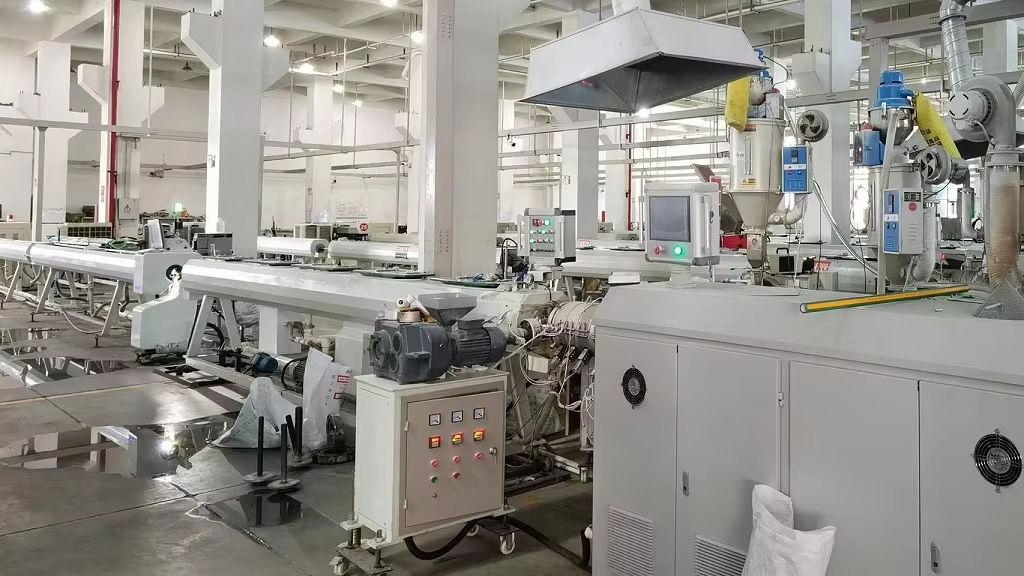
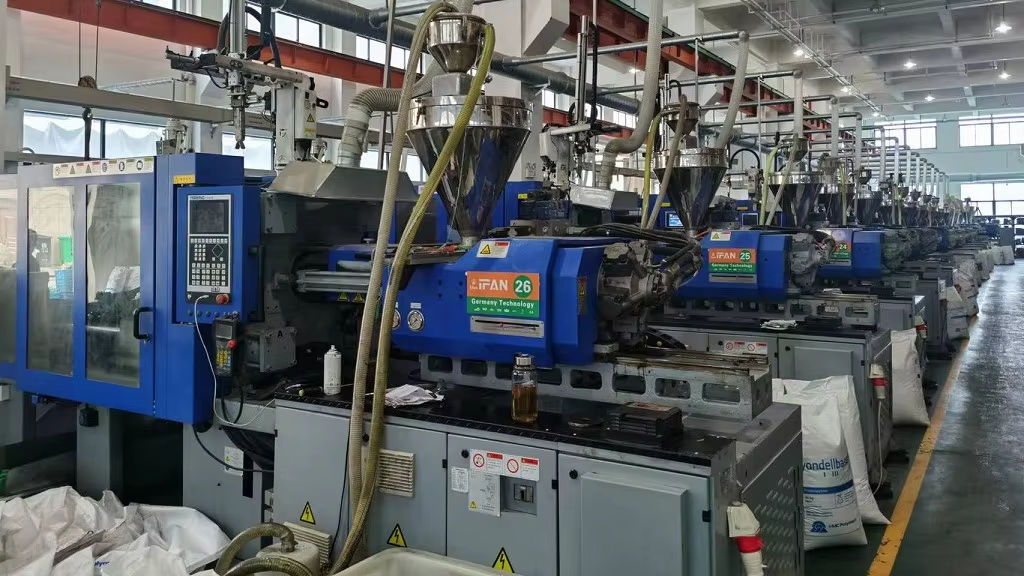
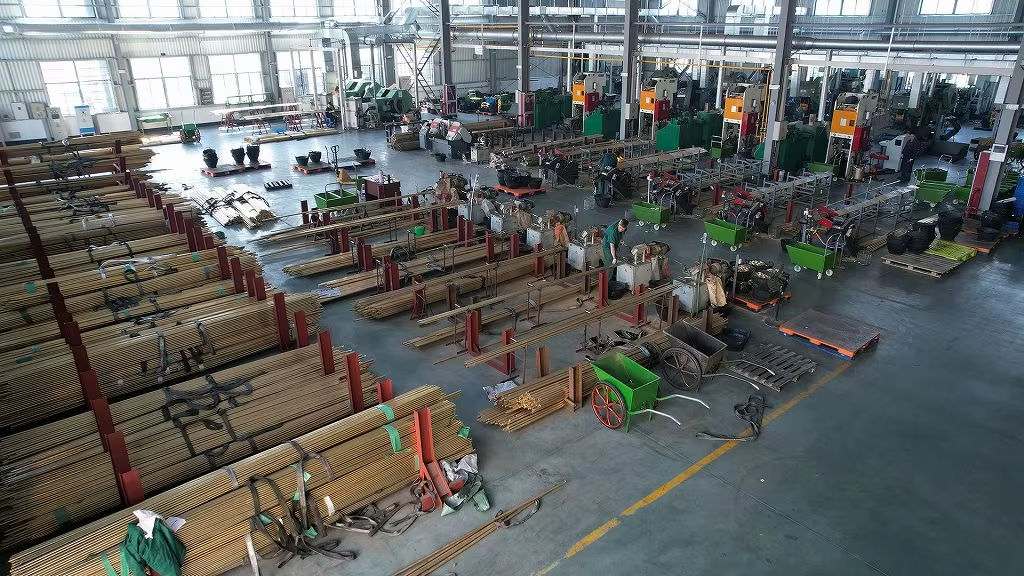
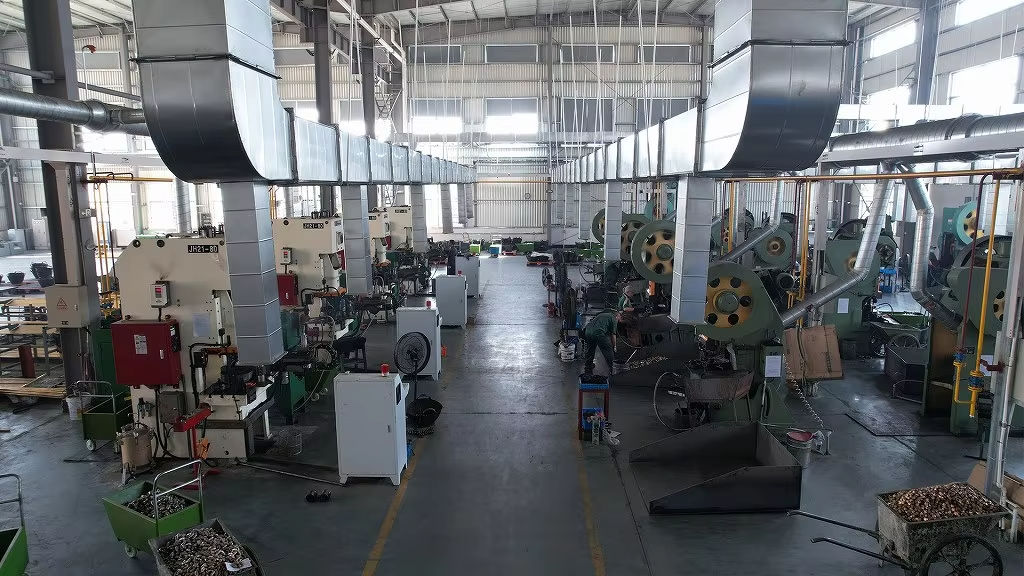
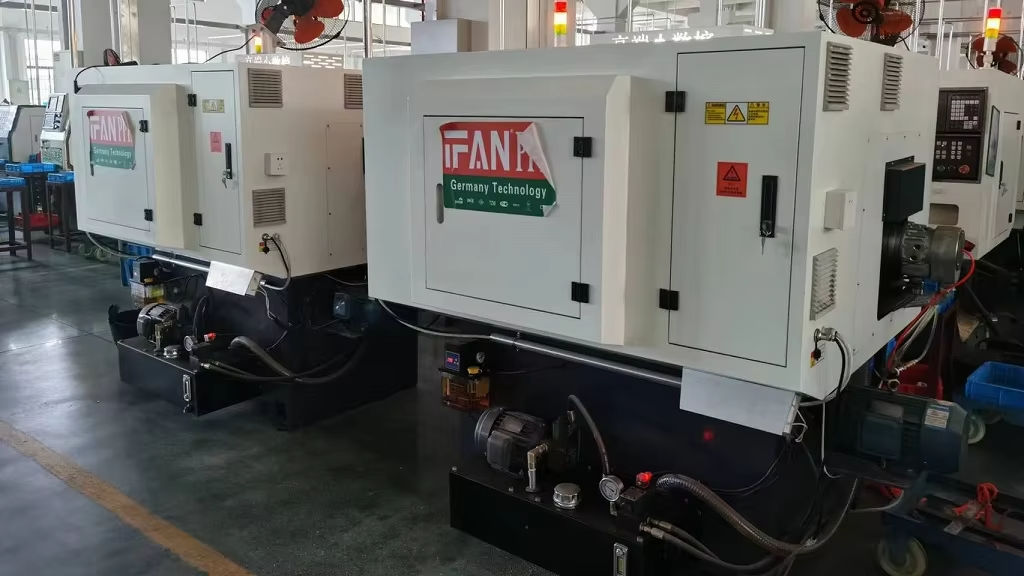
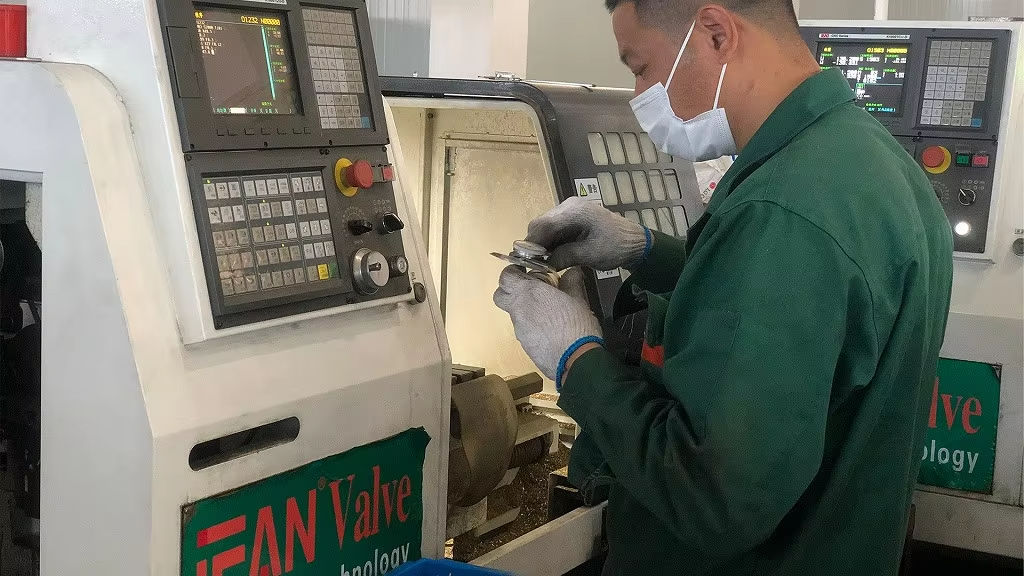
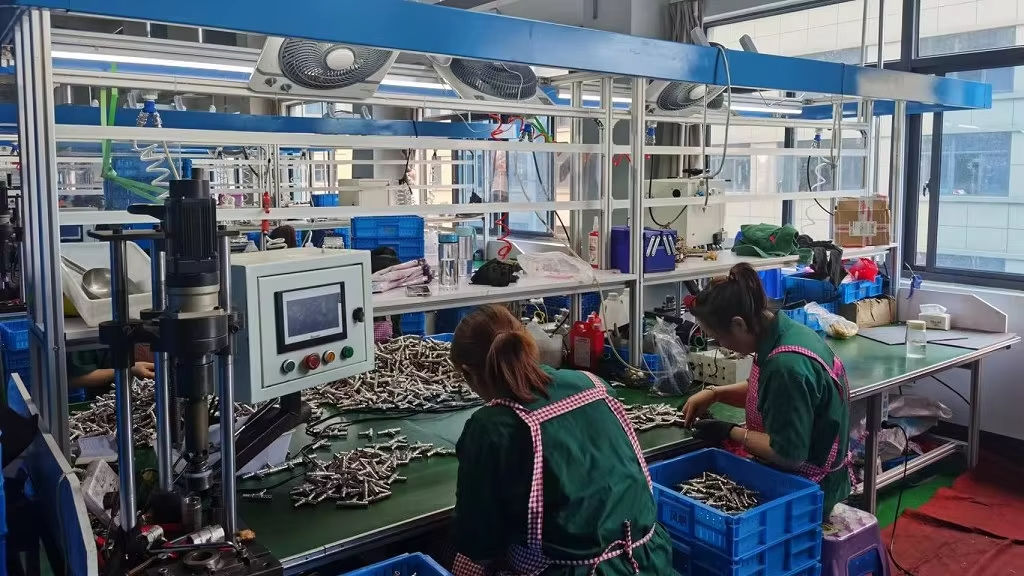
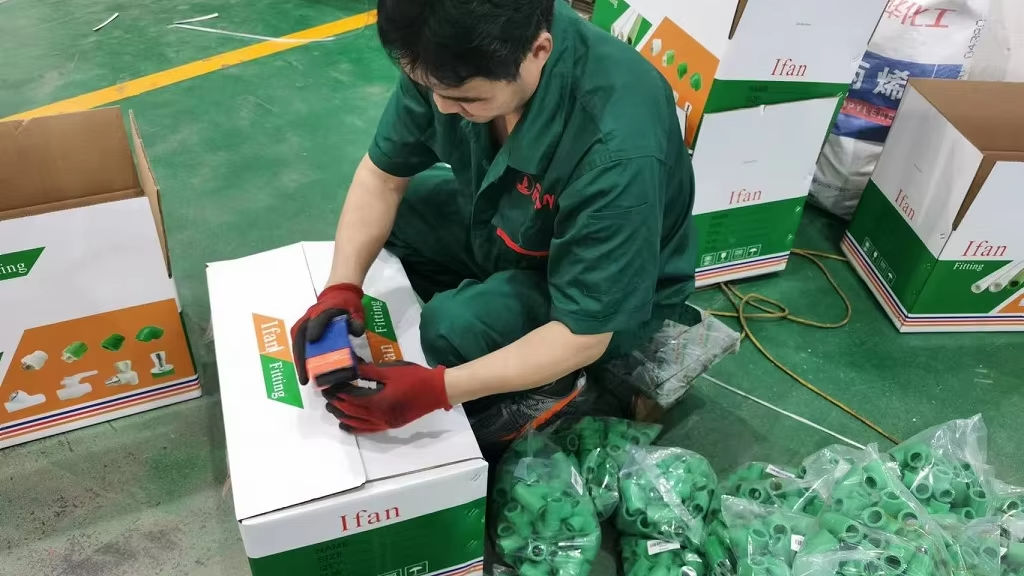
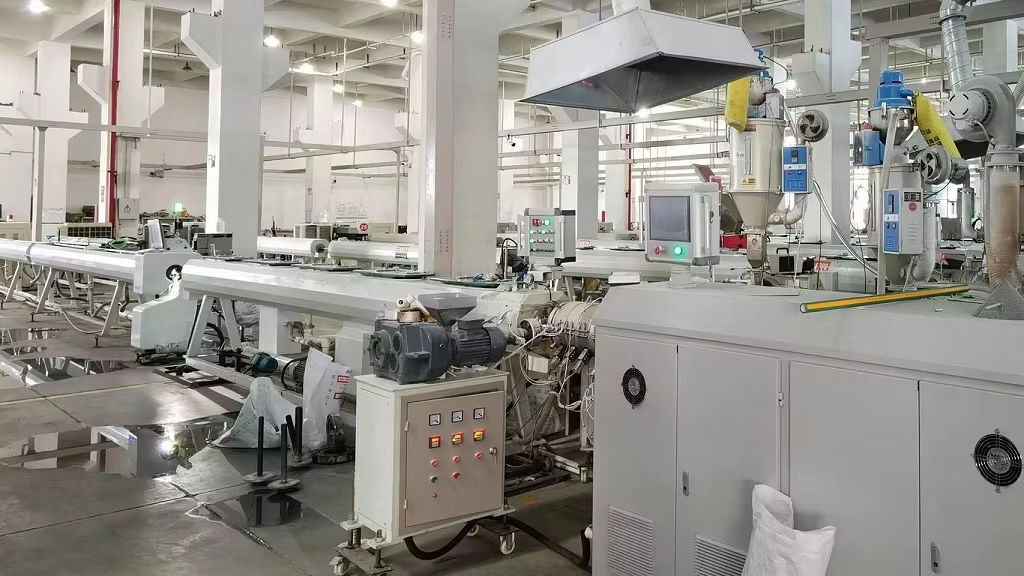
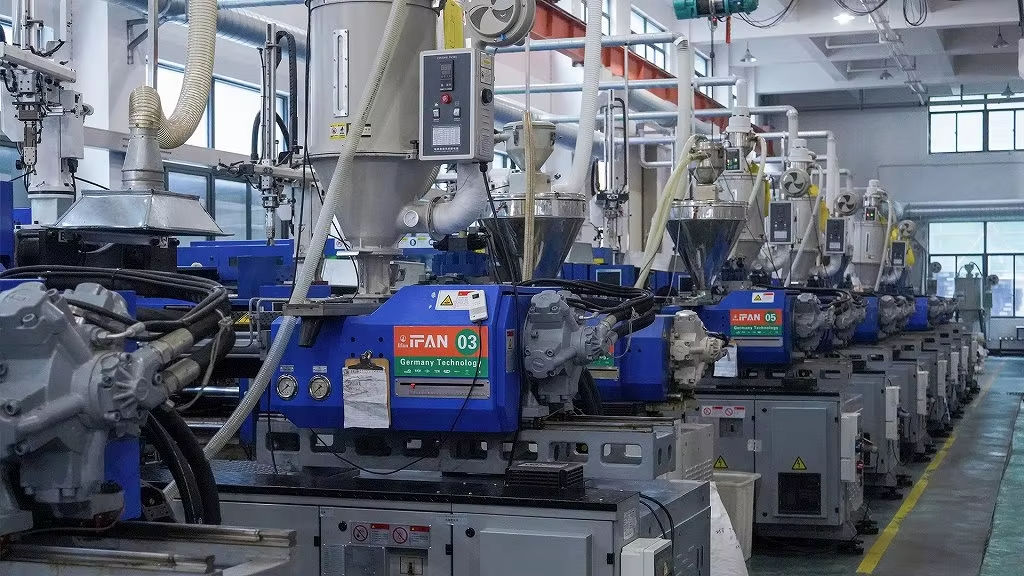
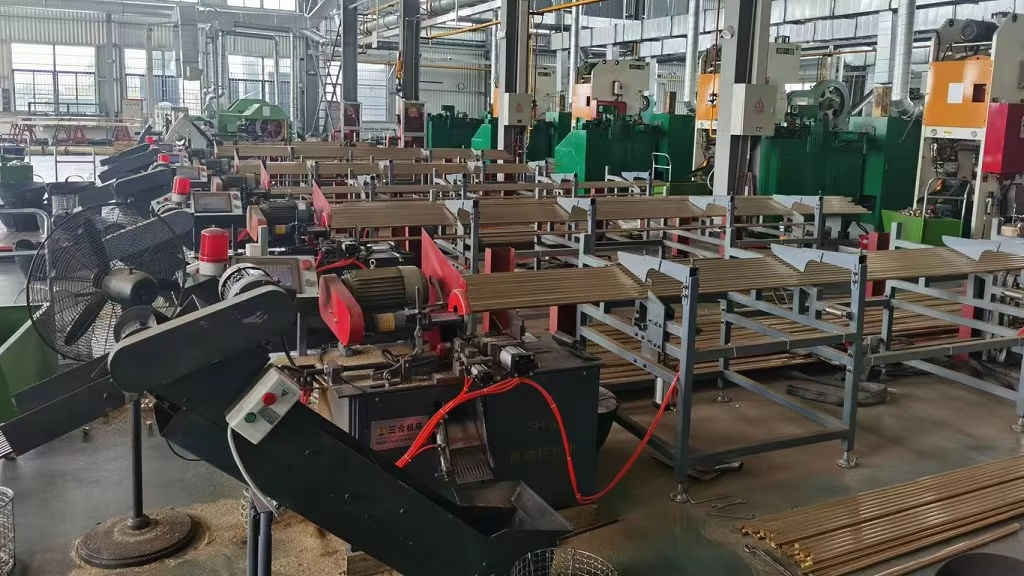
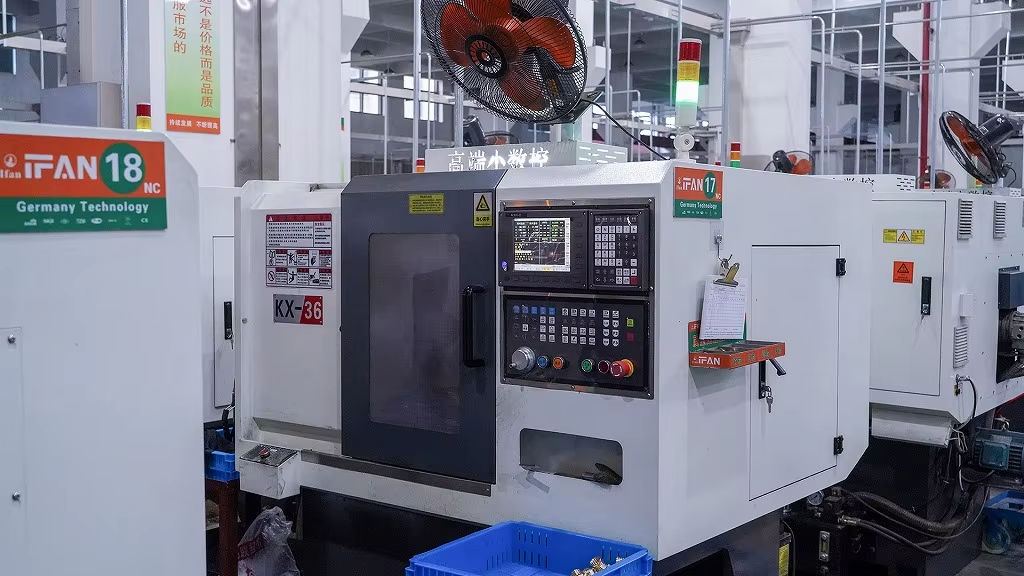
From raw material pipe extrusions to precision CNC machining and hydrostatic shell testing, our end-to-end manufacturing footprint ensures consistent structural integrity.
Decarbonization, smart actuation, fugitives control, and severe service metallurgy
The global chemical valve market is experiencing structural technological shifts driven by stringent environmental regulations, digital plant transformation, and operational safety imperatives. Modern chemical process plants no longer view valves merely as static mechanical isolation points, but as dynamic operational assets critical to digital twin integration and fugitive emissions mitigation.
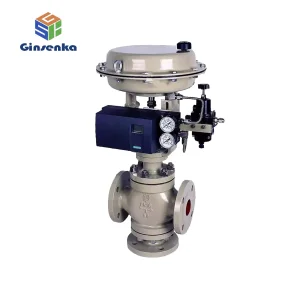
Integration of digital electro-pneumatic positioners equipped with HART, PROFIBUS, and wireless IIoT sensors allows real-time monitoring of stem friction, seal degradation, stroke speed, and partial stroke testing (PST) for enhanced plant safety.
With global decarbonization and strict EPA/EU environmental mandates, chemical valves must comply with ISO 15848-1 Class AH and TA-Luft certifications, using live-loaded PTFE or graphite stem packing systems to achieve zero volatile organic emission.
To eliminate costly Hastelloy or Titanium alloys in standard corrosive applications, high-density PFA, PTFE, and structural ceramic (Zirconia/Silicon Carbide) lined ball and butterfly valves provide total chemical immunity and abrasion resistance.
Engineered solutions deployed across critical global chemical and processing sectors
| Industrial Sector | Operating Environment | Recommended Valve Architecture | Critical Engineering Considerations |
|---|---|---|---|
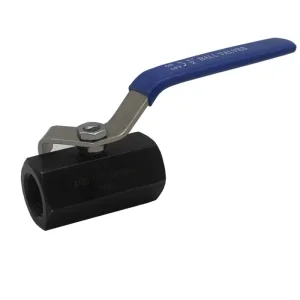
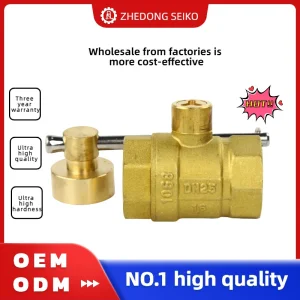
| Petrochemical & Refining | Hydrocarbon cracking, high-temp steam, high pressure (2000 WOG+) | Carbon Steel Hexagon Ball Valves, Severe Service Globe Valves | Fire-safe design (API 607), anti-static grounding, high thermal endurance packing. |
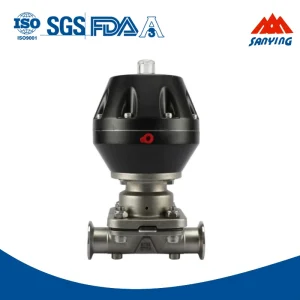
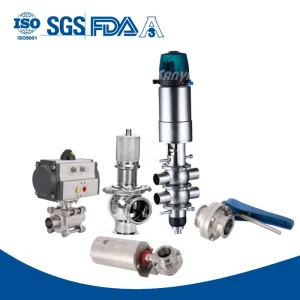
| Bio-Pharmaceuticals | Sterile bioprocessing, WFI fluid control, CIP/SIP sterilization cycles | Hygienic Pneumatic Actuator Diaphragm Valves | Ultra-low Ra surface polish (<0.4 µm), USP Class VI EPDM/PTFE diaphragms, self-draining body design. |
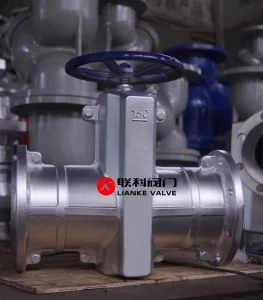
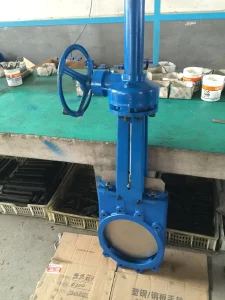
| Slurry & Wastewater Treatment | Abrasive chemical slurries, raw sewage, solids-laden effluent handling | Heavy-Duty Pneumatic Abrasion Resistant Pinch Valves, Knife Gate Valves | Full-bore unobstructed passage, replaceable heavy elastomeric sleeve, erosion mitigation. |
| Corrosive Media Handling | Concentrated nitric acid, chlor-alkali, hydrochloric acid streams | Ceramic Lined Floating Segment Ball Valves, PFA Lined Butterfly Valves | Complete metallic isolation, non-wetting ceramic trim, zero pitting risk. |
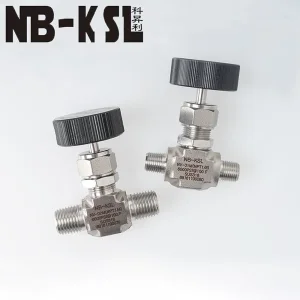
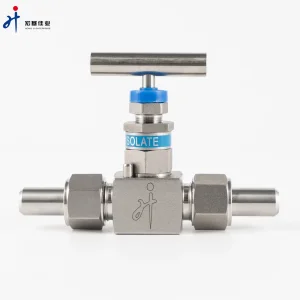
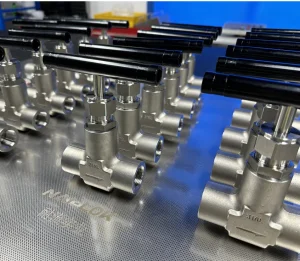
| High-Pressure Instrumentation | Sampling lines, manifold distribution, pilot control systems (up to 10,000 PSI) | 304/316 Stainless High-Pressure Instrument Needle Valves | Precision thread engagement, non-rotating tip stems, high torque-to-seal ratio. |
Pioneering the evolution toward green hydrogen compatibility, autonomous flow networks, and eco-designed fluid control
Expansion of standardized valve testing protocols for green hydrogen infrastructure (embrittlement-resistant Super Duplex metallurgy, specialized elastomer seals) and universal ISO 15848 Class AH compliance across all standard production lines.
Deployment of smart actuators equipped with self-learning neural edge chips capable of predicting packing degradation, dynamic friction variations, and seating wear months prior to failure, directly interfaced with cloud DCS systems.
Widespread adoption of 3D additive metal printing (SLM/DMLS) for custom noise-attenuating and anti-cavitation trim geometries, allowing tailor-made fluid dynamics solutions for complex chemical reaction loops.
A rigorous engineering framework for specifying optimal valve designs based on severe service parameters
Selecting the appropriate chemical valve architecture requires a systematic evaluation of fluid phase, chemical reactivity, working pressure-temperature envelope, and dynamic flow control objectives. Incorrect valve selection leads to premature packing failure, seat erosion, unexpected plant shutdown, or safety incidents.
For non-oxidizing acids, AISI 316/316L provides baseline resistance. For chloride-laden streams or wet chlorine, Hastelloy C276 or Titanium Grade 2 is required. Alternatively, fluoropolymer lining (PFA/FEP) provides complete chemical inertness at a fraction of high-alloy costs.
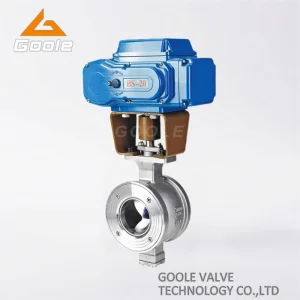
For precise modulation in liquid applications with high differential pressure, V-Port segment ball valves or linear globe valves prevent cavitation damage and flashing. Micro-metering needle valves are ideal for low-flow chemical dosing.
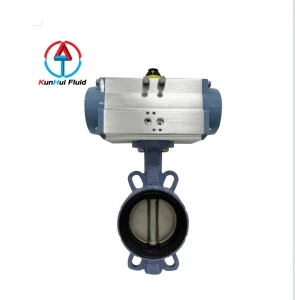
Pneumatic actuators with rack-and-pinion or scotch-yoke mechanisms offer fast response times and intrinsic safety (Fail Open / Fail Closed) via spring-return mechanisms, vital for emergency shut-off valves (ESDV).
Expert answers to common engineering, quality assurance, and global procurement queries
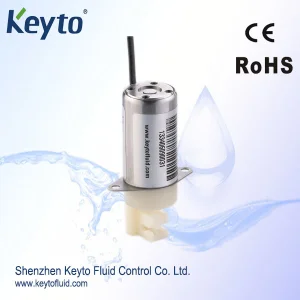
Specialized industrial control, manifold, knife gate, and micro-solenoid flow solutions
 Maria Valve