Explore our top engineered industrial pinch, gate, butterfly, and solenoid valve systems configured for precise pipeline medium automation and high-intensity filtration cycles.
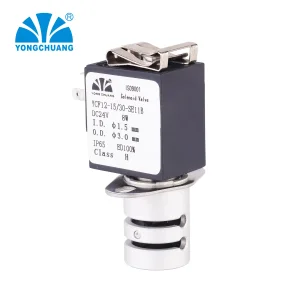
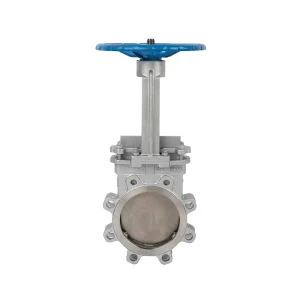
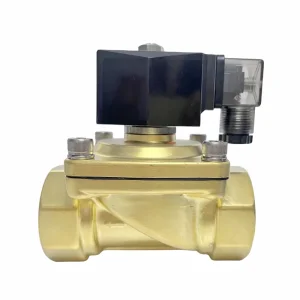
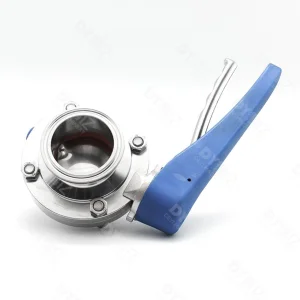
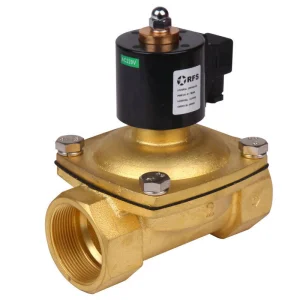
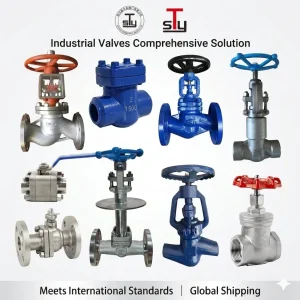
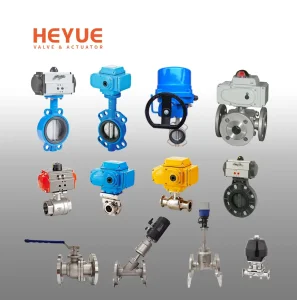
Since its establishment, Zhejiang Maria Valve Co., Ltd. has specialized in manufacturing a wide range of industrial valves, serving key sectors such as petroleum, steel, power generation, chemical, and water treatment. Leveraging years of experience and advanced engineering technology, we have consistently delivered high-quality, reliable valves to clients worldwide. Founded with a commitment to innovation and excellence, Zhejiang Maria Valve has become a trusted supplier for global process control solutions, offering products that meet rigorous international standards.
As one of the pioneers in China's valve manufacturing industry, we have contributed to advancing control valve technology and elevating product standards across the market. Zhejiang Maria Valve Co., Ltd. provides a comprehensive range of valves, including control valves, ball valves, butterfly valves, gate valves, and custom-designed specialty valves for industrial applications. Since 2003, our company has been dedicated to the development, design, and production of high-performance valves for pipeline and instrumentation control systems in process plants. We focus on combining cutting-edge technology with practical engineering solutions to ensure efficiency, safety, and long-term reliability.
Continuously developing high-specification, multi-stage control architectures to counter heavy wear, cavitation, and thermal shocks in harsh industrial systems.
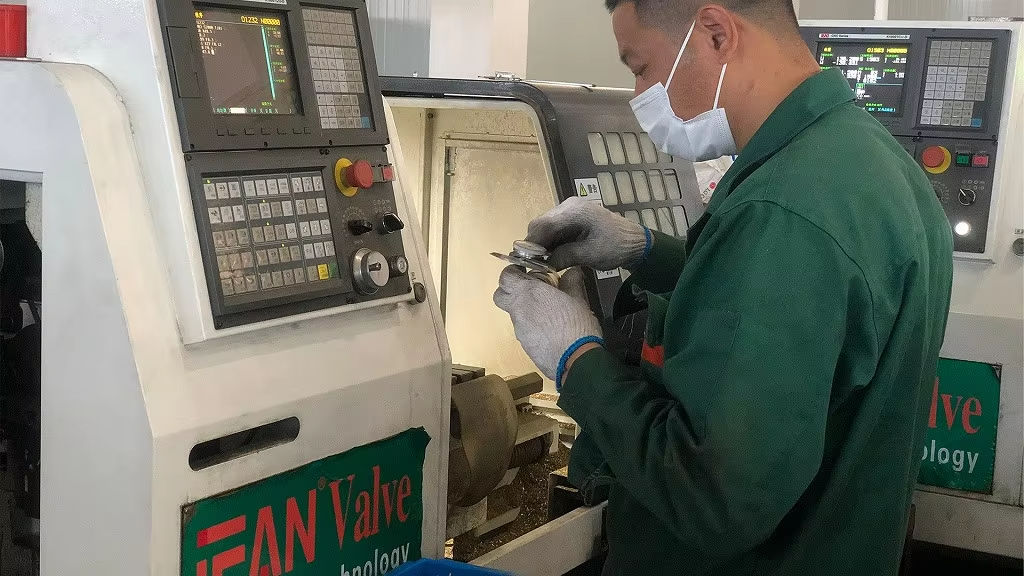
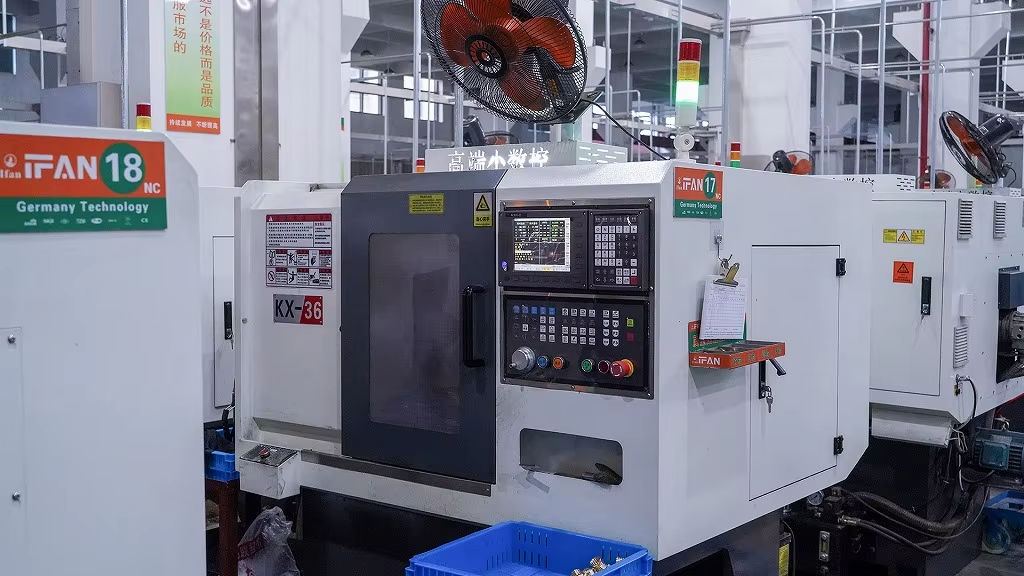
Deploying CNC machining and precision structural analysis to optimize cost metrics without sacrificing structural performance or pressure limits.
Maintaining certifications under ISO 9001 and CE PED standards, ensuring 100% factory inspection of seals, casing walls, and pressure ranges.
In high-scale industrial manufacturing, procurement departments must balance technical validation against capital efficiency. The acquisition of industrial filter valves goes beyond purchase costs; it relates directly to Total Cost of Ownership (TCO), maintenance intervals, and process safety. Modern engineers evaluate a supplier’s quality based on manufacturing capacity, technical capability, and logistics performance.
When sourcing from China, global procurement managers look for companies with deep metallurgical control and precision tolerances. Lower quality valves lead to fluid loss, high pipeline flow resistance, safety issues, and expensive downtime. By optimizing raw material sourcing and using robotic welding and automated inspection, leading Chinese valve factories provide durable solutions that reduce overall operational expenditure.
| Performance Criterion | Traditional Cast Valves | Precision Forged / Machined Valves | Maria Valve High-Spec Standard |
|---|---|---|---|
| Dimensional Tolerance | ± 0.5 mm | ± 0.1 mm | ± 0.05 mm (CNC Finished) |
| Pressure Rating Bounds | PN10 - PN40 | PN16 - PN100 | Up to PN320 / Class 2500 |
| Expected Service Life | 12,000 Cycles | 50,000 Cycles | > 100,000 Cycles (Premium Seals) |
| Chemical Suitability | General Water / Light Oils | Aggressive Hydrocarbons / Acids | Corrosion-Resistant Alloys (Duplex/Hastelloy) |
Filter valves play an essential role in municipal, energy, and process industries. Without proper flow control and filtration, process safety can be compromised, leading to equipment wear and process variations. Zhejiang Maria Valve designs tailored solutions to address these specific macro challenges:
High velocity fluid flow often causes sudden pressure drops, leading to cavitation, vapor bubbles, and eventual valve body erosion. Zhejiang Maria Valve utilizes advanced CFD (Computational Fluid Dynamics) simulations to design valve interiors that optimize pressure drops and control turbulent energy, extending the service life of down-stream filtration components.
Modern valve manufacturing relies on progress in materials science, mechanical automation, and digital intelligence. The industry is moving toward smart systems that track and adjust fluid metrics in real time.
At the core of this technical roadmap is the development of integrated smart actuators. By combining pneumatic or electric positioners with IoT monitoring, smart valves can report leakage, seal wear, and pressure variations. This diagnostic feedback helps operators perform predictive maintenance, avoiding unexpected shutdowns and system failures.
Additionally, advances in elastomer chemistry are expanding valve capabilities. New formulations of Viton, EPDM, and silicone resist degradation from extreme temperatures and aggressive chemicals, allowing elastomeric pinch and diaphragm valves to operate in harsher process environments.
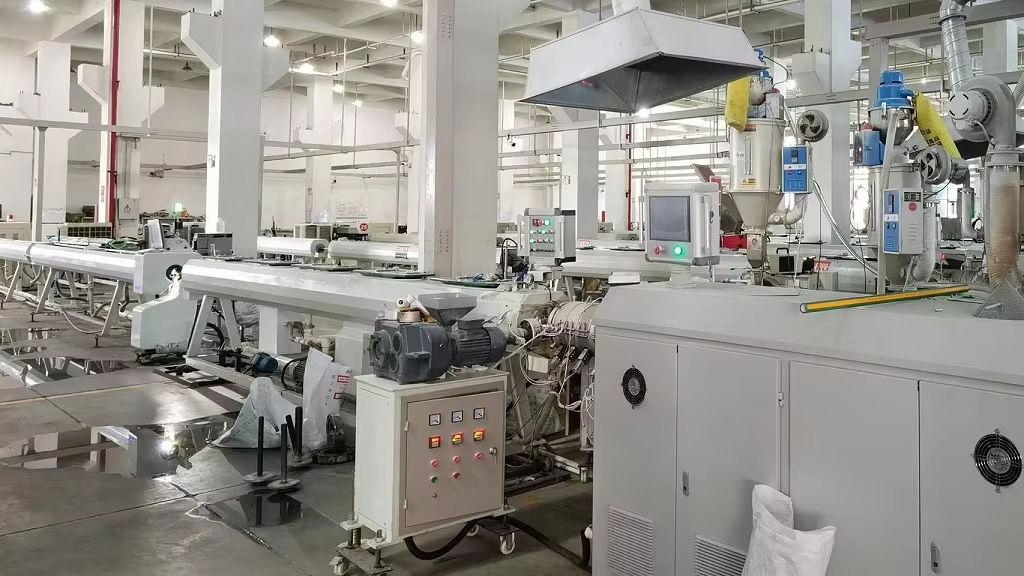
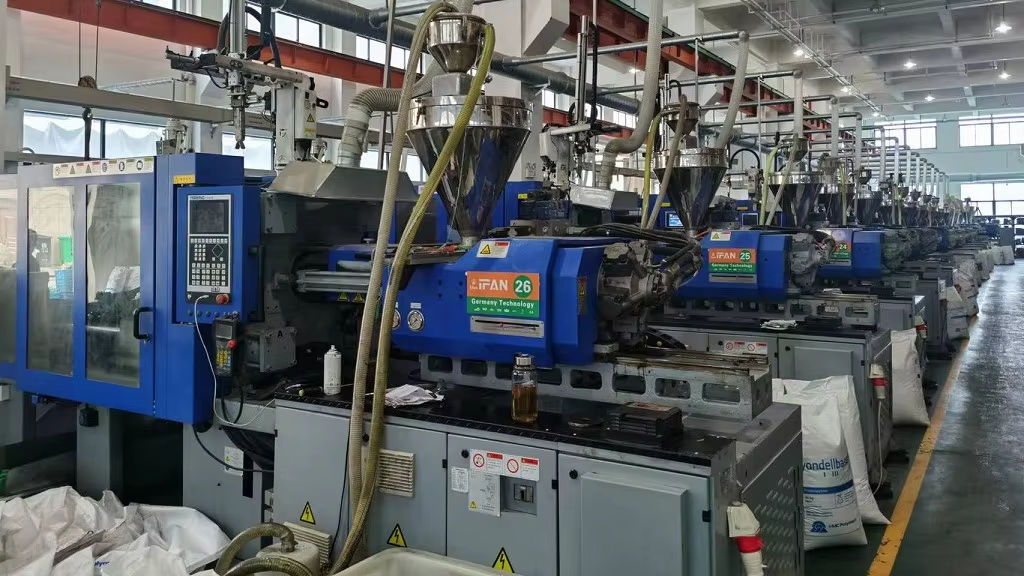
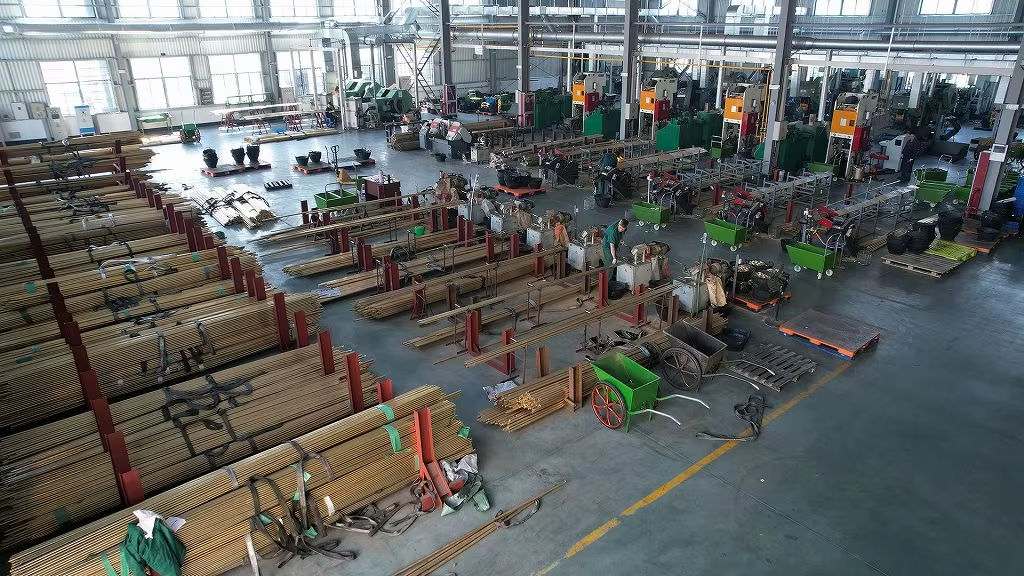
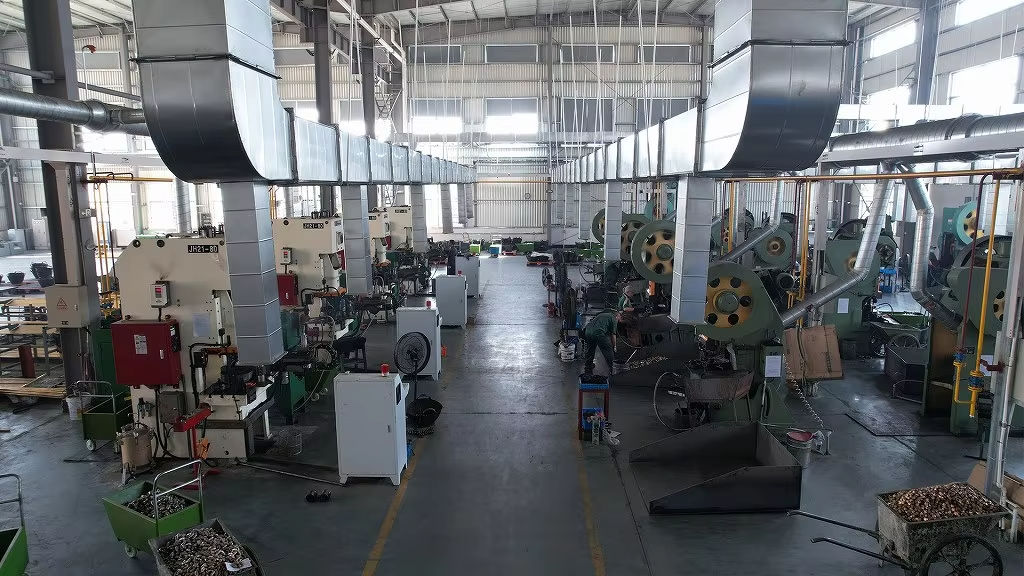
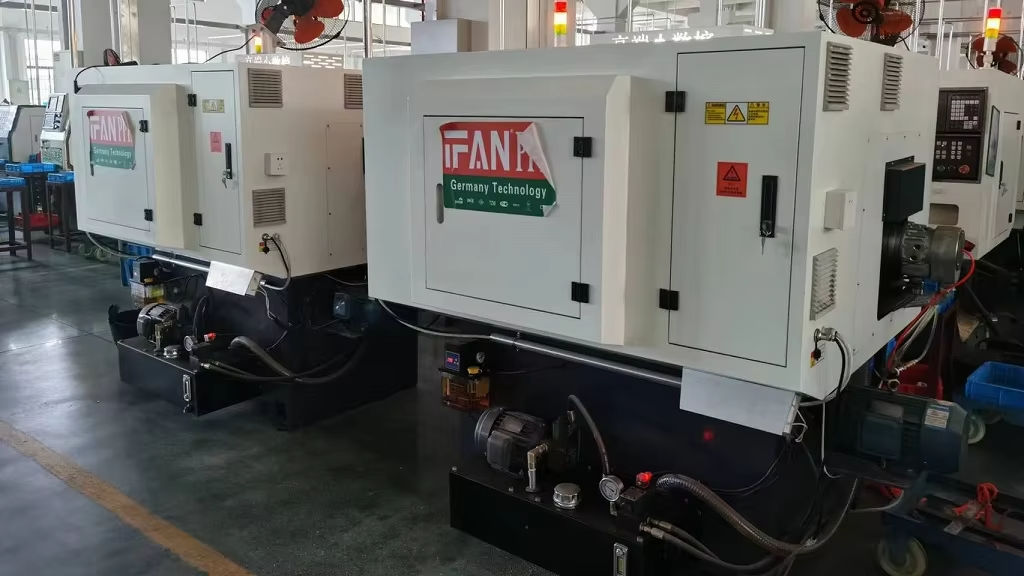
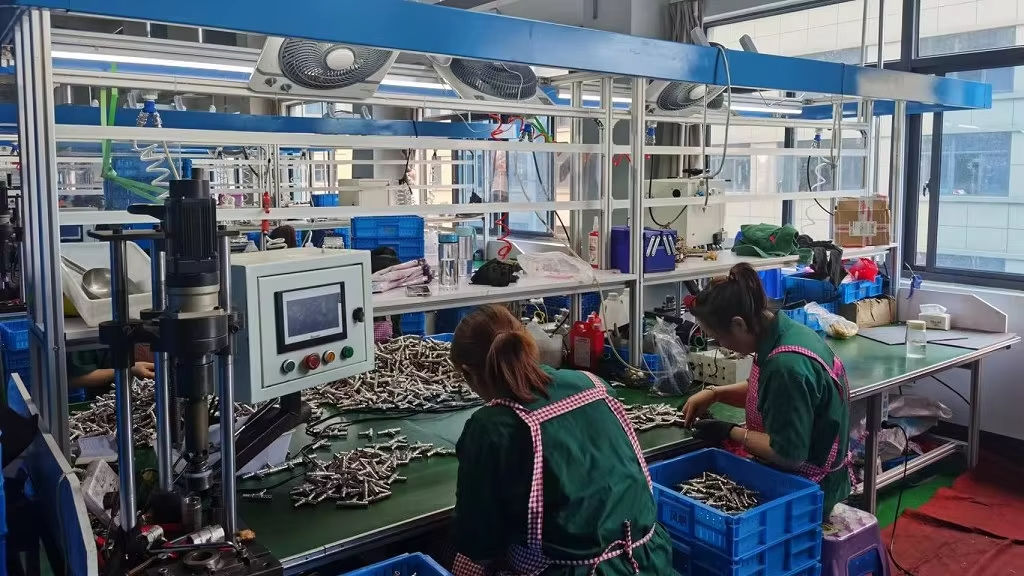
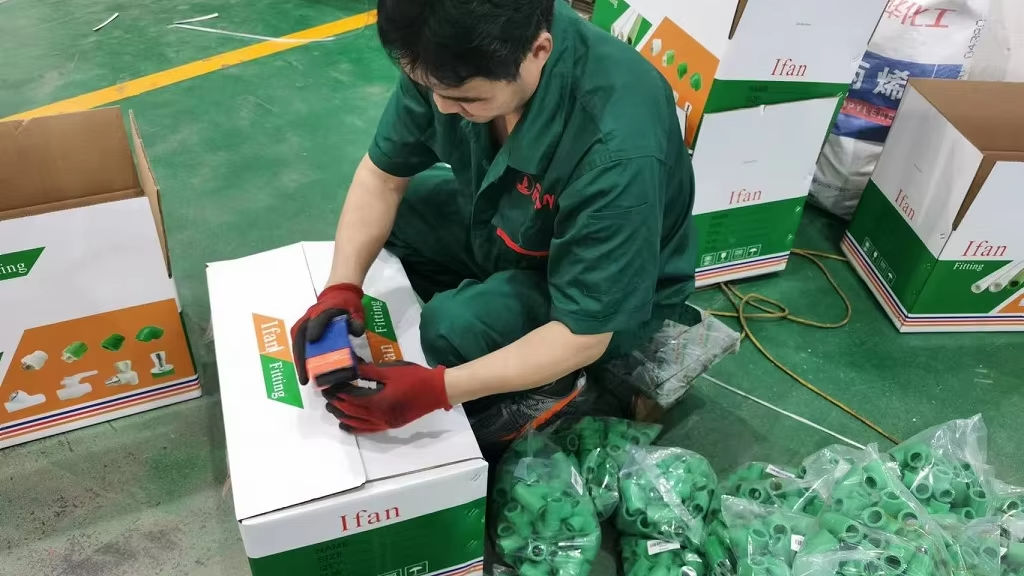
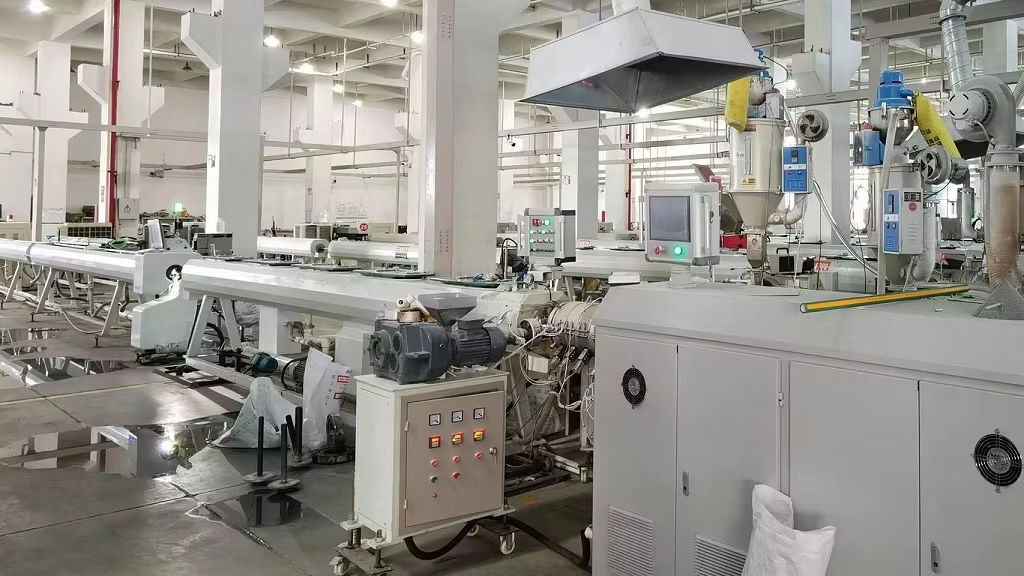
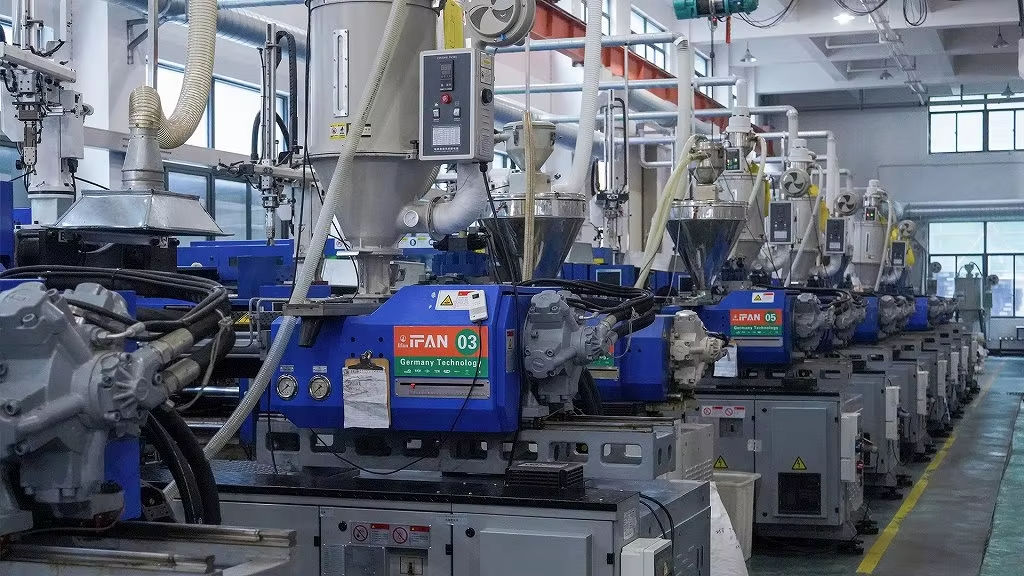
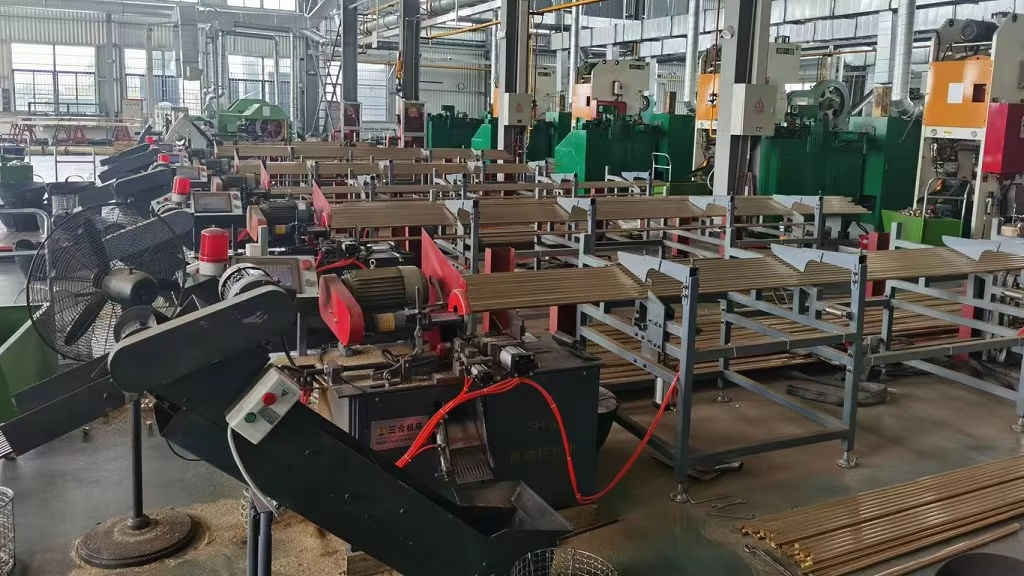
At Zhejiang Maria Valve, our modern factory integrates advanced fabrication steps—from raw material forging and plastic extrusion to precision CNC machining and automated packaging.
Operating in international markets requires strict adherence to regional regulatory frameworks. Valves used in hazardous or sanitary environments must hold certifications that verify structural strength under pressure, fire safety, and non-toxicity of contact surfaces.
Our manufacturing systems are compliant with standard global guidelines, including API 6D (Pipeline Valves), CE PED 2014/68/EU (Pressure Equipment Directive), and FDA CFR Title 21 (for food-grade silicone pinch tubes). Each valve undergoes hydrostatic testing, shell verification, and seat seal testing before shipment to verify performance.
Zhejiang Maria Valve supports international projects through localized engineering services. We work closely with client engineering teams to select appropriate materials, confirm actuator interfaces, and provide design documents. This detailed technical alignment helps avoid installation errors and ensures smooth commissioning.
Explore our specialized process valves, featuring ultra-precise pressure control instrumentation and heavy-duty designs for challenging applications.
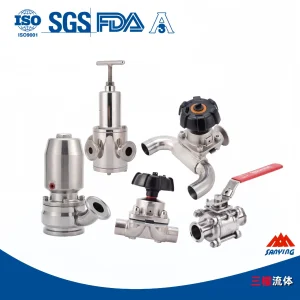
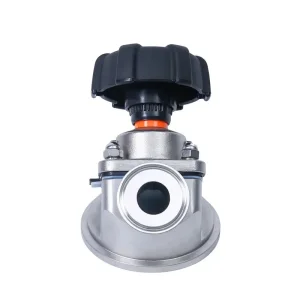
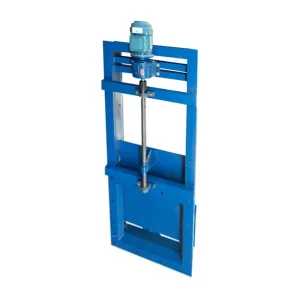
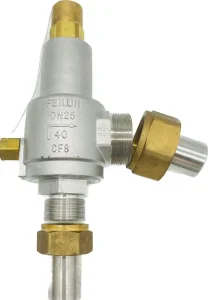
Get professional technical answers to common queries regarding design selection, materials, and operation of industrial valve installations.
Pinch valves provide a straight-through flow path without internal crevices. When closed, their flexible elastomer sleeves squeeze shut to seal tightly around suspended solids, making them ideal for handling abrasives, sludges, and particulate-heavy fluids.
High chloride concentrations require premium materials to resist pitting and crevice corrosion. We construct valve bodies and trim components using Duplex (2205) or Super Duplex (2507) stainless steel, alongside high-grade elastomer seals, to ensure long-term durability.
Sanitary valves must comply with FDA CFR 177.2600 for rubber materials and FDA 177.1550 for PTFE components. In addition, internal metal surfaces are typically polished to a surface roughness (Ra) of less than 0.8 micrometers to prevent bacterial buildup and support CIP/SIP.
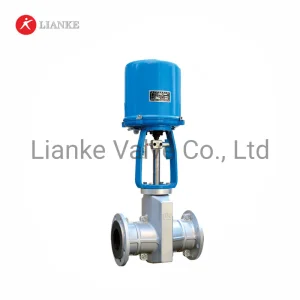
Water hammer can be mitigated by adjusting valve closing speeds. By using pneumatic actuators equipped with speed controllers or slow-closing electric actuators, the valve closes gradually to prevent sudden pressure spikes and protect the pipeline.
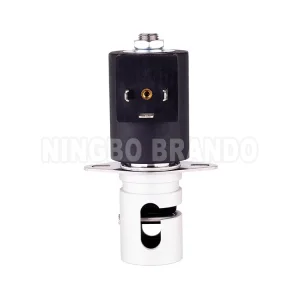
Direct-acting solenoid valves can operate without requiring a minimum pressure difference between the inlet and outlet. This makes them ideal for low-pressure, gravity-fed, or vacuum systems where pilot-operated valves would fail to open.
We perform comprehensive QA checks, including spectrometer material verification, coordinate measuring machine (CMM) dimensional checks, hydrostatic shell testing at 1.5 times the design rating, and air seat leakage testing per API 598 standards.
 Maria Valve