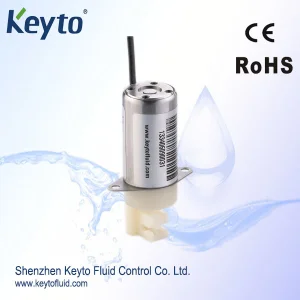
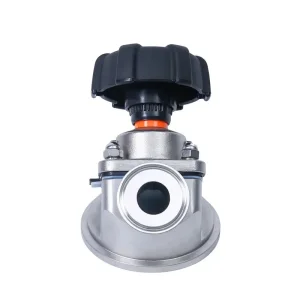
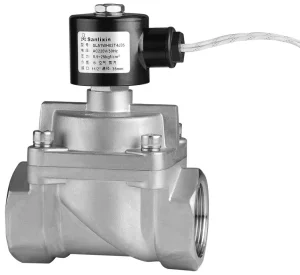
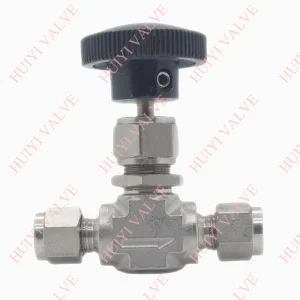
High-precision manufactured valve units engineered to sustain harsh process conditions, verified by stringent international testing parameters.
Understanding the engineering matrix, safety implications, and certification imperatives of industrial faucet valves.
In modern industrial and municipal engineering, fluid control is not merely a matter of stopping and starting liquid flow; it is a complex discipline balancing thermodynamics, metallurgy, and mechanical design. Faucet valves, along with high-pressure needles, diaphragms, and solenoids, serve as the primary execution points in pipelines. A failure in valve structural integrity can result in system down-time, significant capital loss, or catastrophic hazards. As a premier CE certified faucet valve manufacturer, Zhejiang Maria Valve Co., Ltd. addresses these challenges by engineering valves that deliver reliable flow control under diverse environmental constraints.
The European Conformity (CE) marking serves as an essential indicator of a product's compliance with EU legislation. For fluid control systems, particularly those managing high-pressure gases or high-temperature steam, CE marking signifies adherence to the Pressure Equipment Directive (PED) 2014/68/EU. This framework mandates rigid pressure rating verifications, material safety reviews, and leak-tightness testing. This whitepaper analyzes the manufacturing landscape of industrial and faucet valves, detailing the supply chain infrastructure and technical design choices required to meet global expectations.
Pioneering precision valve manufacturing for critical industrial systems and high-specification pipelines.
Since its establishment in 2003, Zhejiang Maria Valve Co., Ltd. has specialized in manufacturing a wide range of industrial valves, serving key sectors such as petroleum, steel, power generation, chemical, and water treatment. Leveraging years of experience and advanced engineering technology, we have consistently delivered high-quality, reliable valves to clients worldwide. Founded with a commitment to innovation and excellence, Zhejiang Maria Valve has become a trusted supplier for global process control solutions, offering products that meet rigorous international standards.
Zhejiang Maria Valve Co., Ltd. provides a comprehensive range of valves, including control valves, ball valves, butterfly valves, gate valves, and custom-designed specialty valves for industrial applications. As one of the pioneers in China's valve manufacturing industry, we have contributed to advancing control valve technology and elevating product standards across the market. Since 2003, our company has been dedicated to the development, design, and production of high-performance valves for pipeline and instrumentation control systems in process plants. We focus on combining cutting-edge technology with practical engineering solutions to ensure efficiency, safety, and long-term reliability.
Utilizing high-performance 3D CAD modeling and finite element analysis (FEA) to evaluate flow dynamics, stress concentration points, and thermal expansion properties.
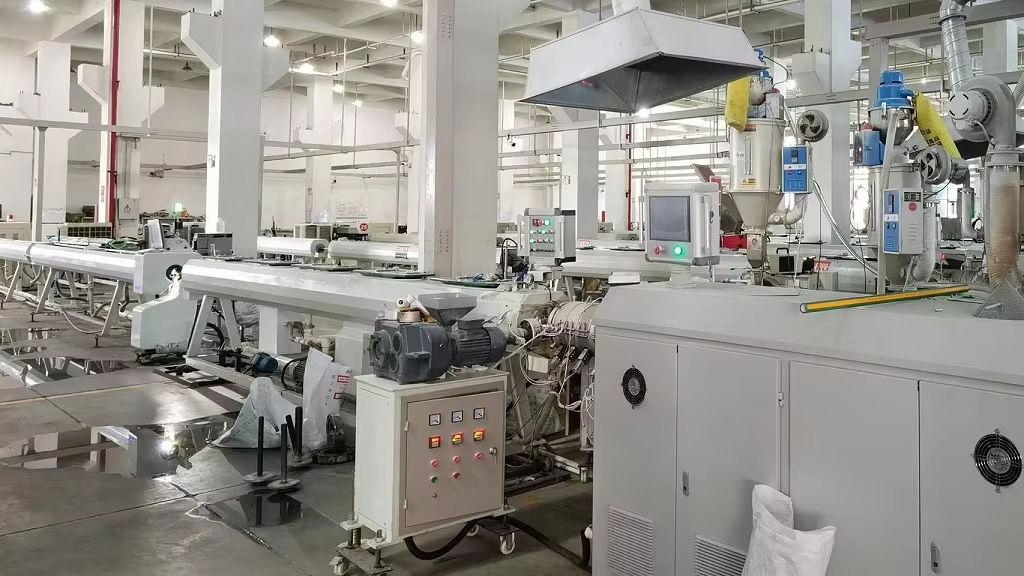
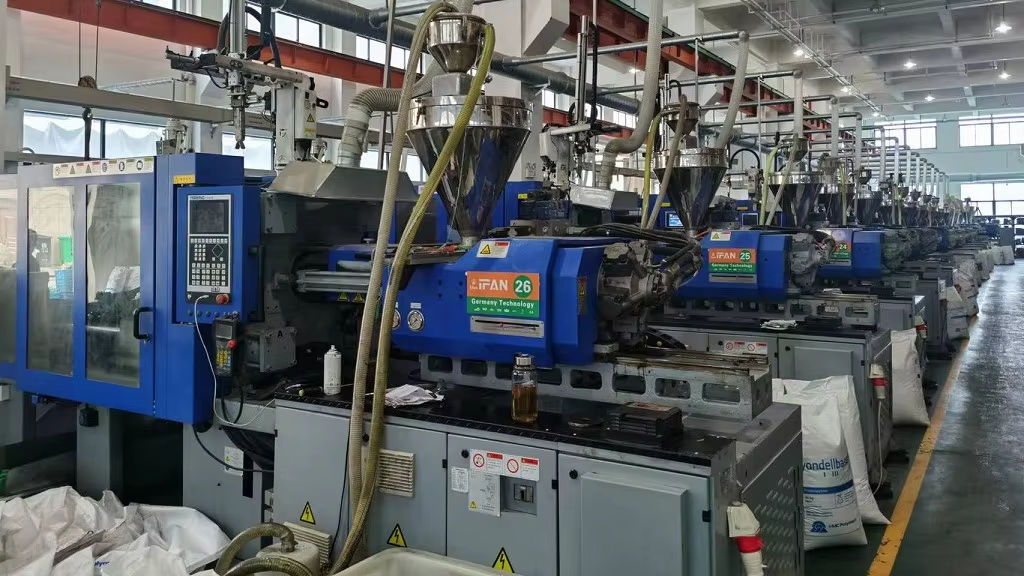
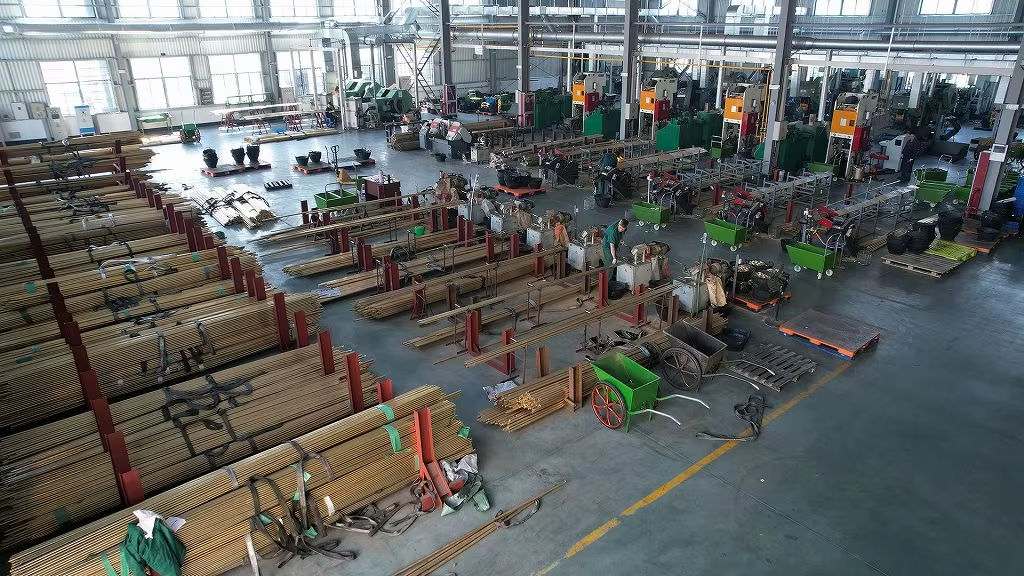
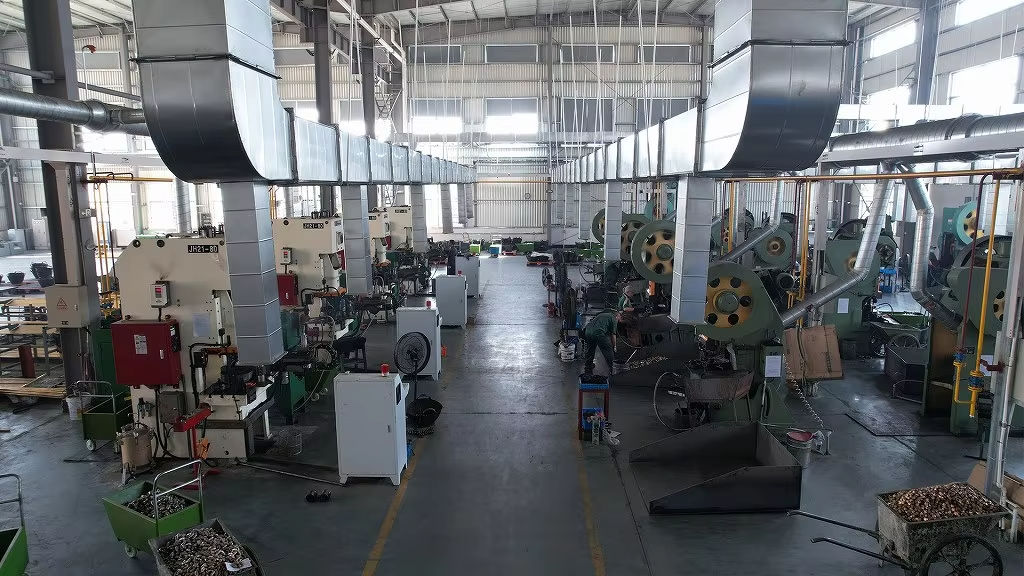
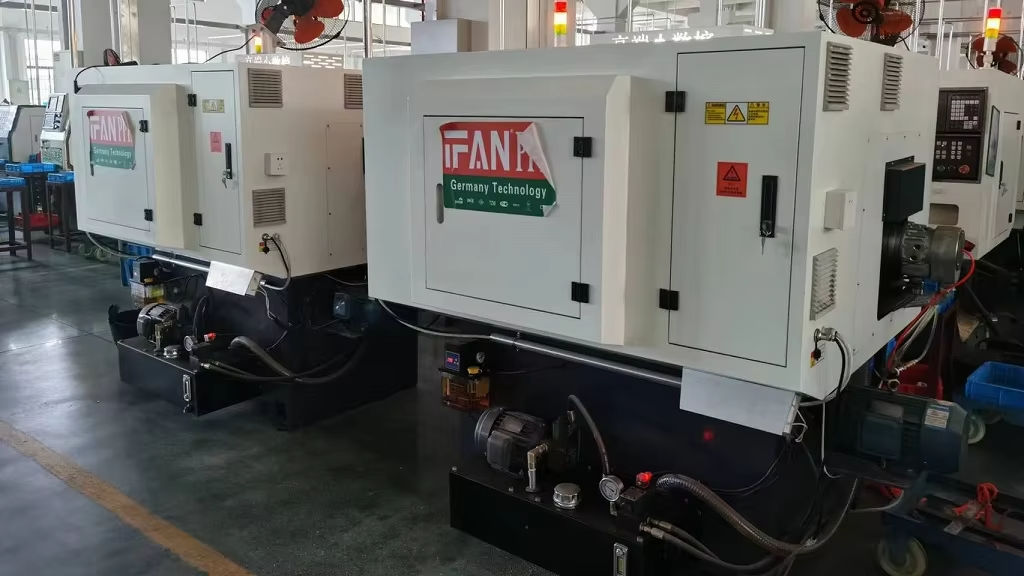
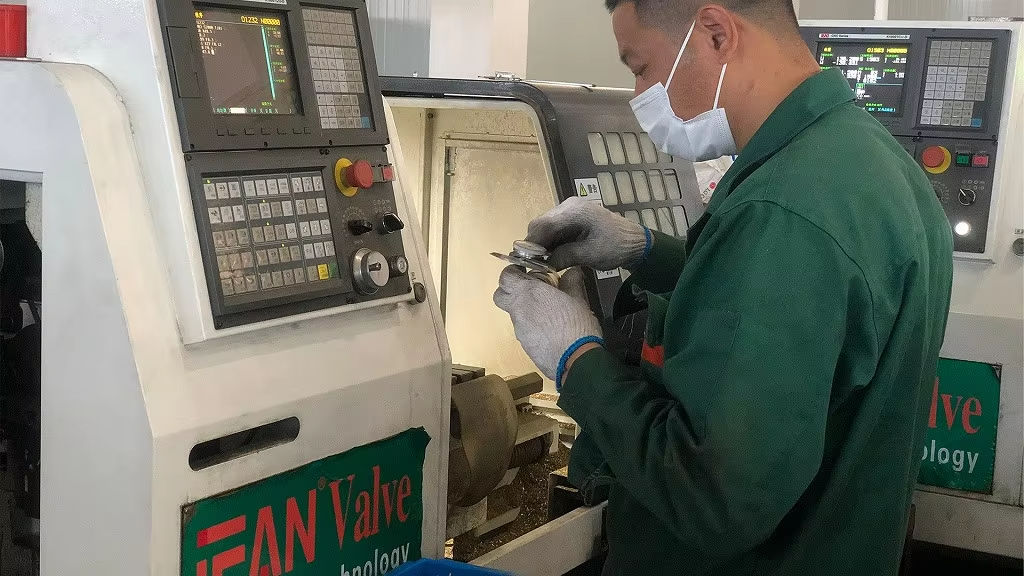
By leveraging vertically integrated production paths—from raw forging to multi-axis CNC machining—we maintain strict quality control and competitive pricing.
Our manufacturing and testing operations follow ISO 9001 guidelines, ensuring each valve undergoes shell strength and seat tightness testing before shipment.
Analyzing current global demand, market expectations, and technological integration within fluid control.
The global industrial valve market is experiencing a transition driven by modernization, infrastructure expansion, and evolving environmental regulations. Rapid urbanization in developing regions has accelerated municipal wastewater treatment and distribution network construction, requiring reliable faucet valves, check valves, and air release mechanisms. Concurrently, developed industrial regions are upgrading existing infrastructure to reduce fugitive emissions and optimize energy use, creating demand for smart valve systems.
This market environment is characterized by strict compliance requirements. Regulatory frameworks like the EU's Drinking Water Directive and lead-free legislation in North America (such as NSF/ANSI 372) have restricted the materials allowed in fluid control systems. Standard brass valves containing trace lead are being replaced by lead-free brass and high-alloy stainless steels. Procurement departments now prioritize suppliers who offer certified safety and environmental compliance rather than competing solely on unit cost. Our CE-certified factory meets these requirements, ensuring our valves are compatible with international distribution systems.
How our diverse valve inventory answers specific industrial challenges across the globe.
Fluid dynamics vary across applications; a valve designed for high-purity biopharmaceutical operations is structurally different from one used in mineral slurry pipelines. Our products are engineered for specific, high-stress applications:
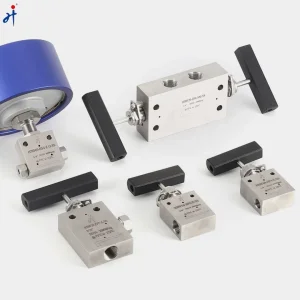
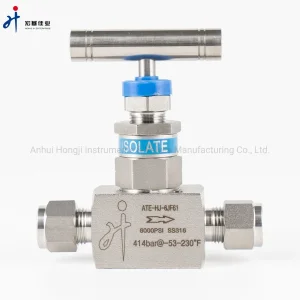
Corrosive chemicals, organic solvents, and high operating temperatures degrade standard seals and valve seats. In these environments, our Stainless Steel 316L Needle Valves (designed for pressures up to 6,000 to 30,000 PSI) and PTFE-lined butterfly valves provide secure containment. The double-ferrule mechanical grip ensures leak-proof tubing connections, preventing fugitive emissions and protecting operational personnel.
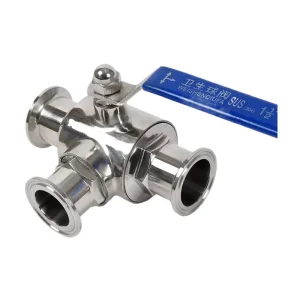
Contamination prevention is essential in bio-processing and food production. Standard valves with internal cavities can trap media, leading to bacterial growth. Our sanitary series, including the SS304/SS316 Sanitary Three-Way Quick-Install Clamp Ball Valves, features polished internal surfaces (Ra < 0.4μm) and cavity-fill PTFE seats, ensuring no fluid remains trapped. The quick-install clamp connections facilitate clean-in-place (CIP) and steam-in-place (SIP) cycles.
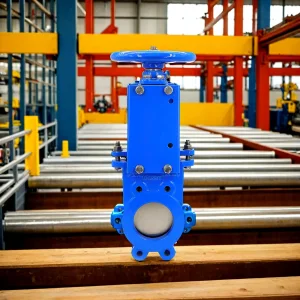
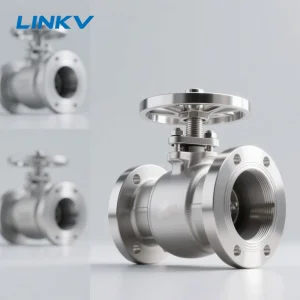
Municipal infrastructure requires long-term reliability and high flow capacities. For these installations, heavy-duty gate valves, pneumatic knife gate valves, and wafer butterfly valves manage high volume flows containing suspended solids. The knife gate valve uses a beveled stainless steel blade to cut through thick media and sludge, preventing blockage and ensuring secure isolation.
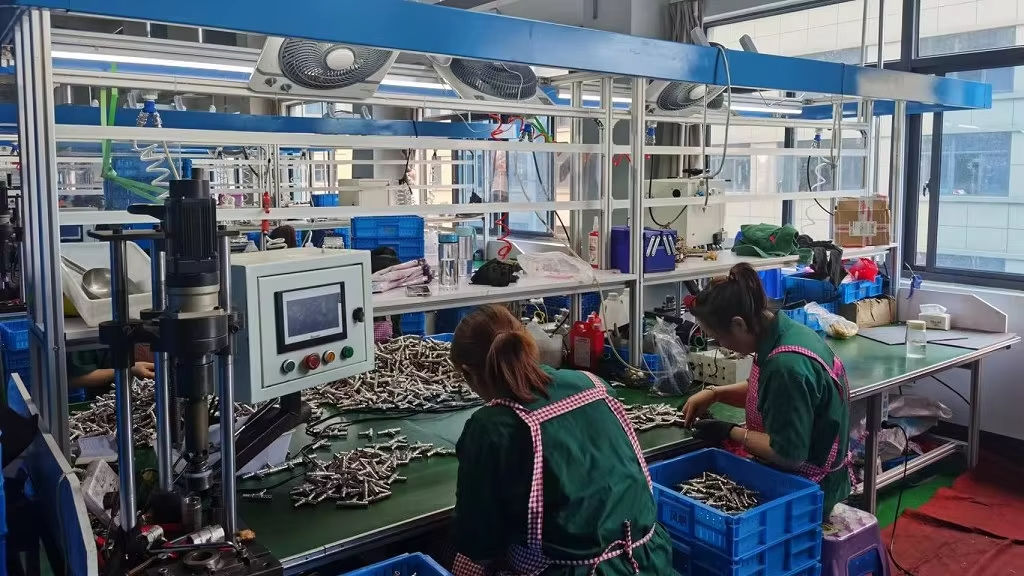
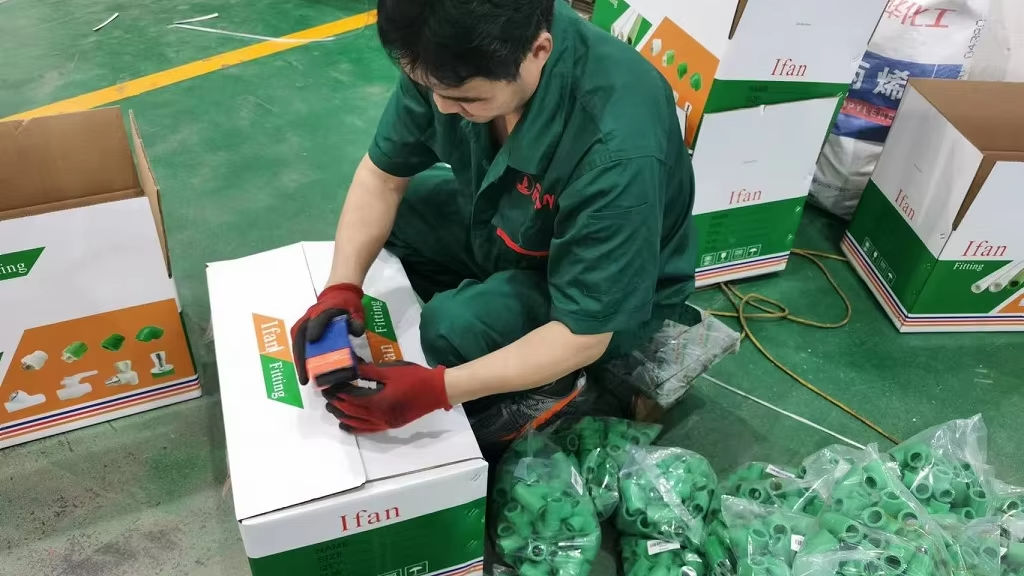
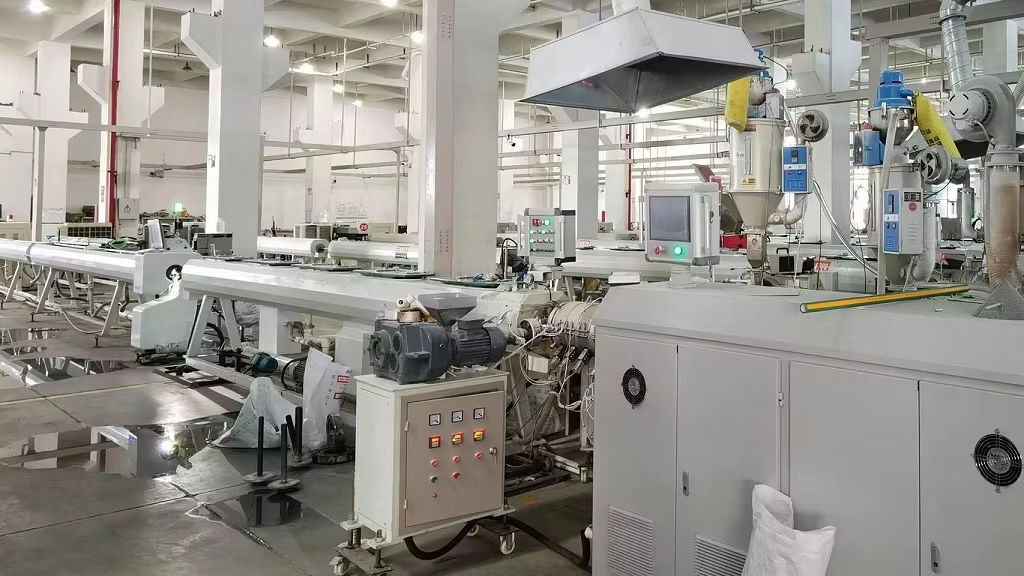
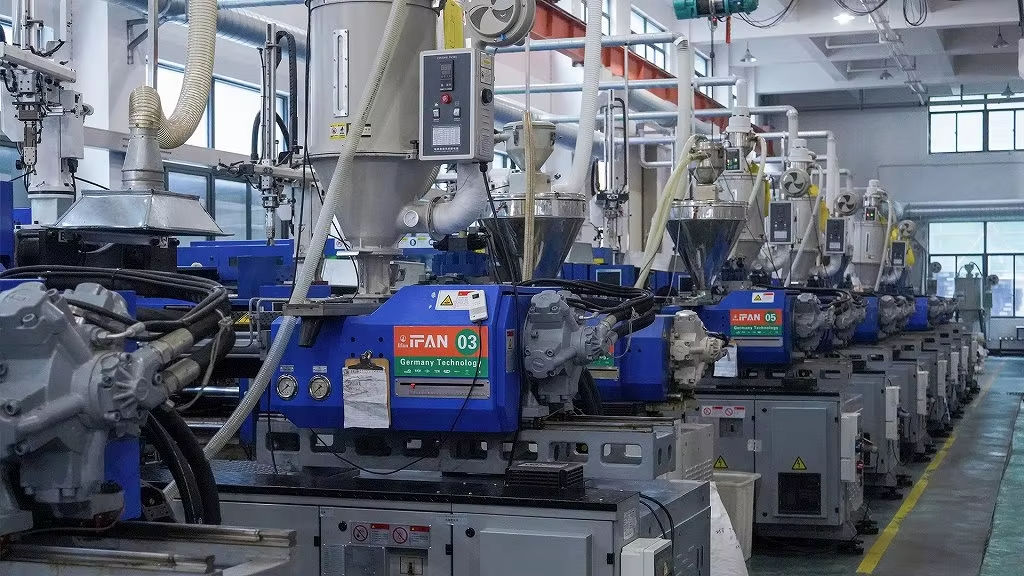
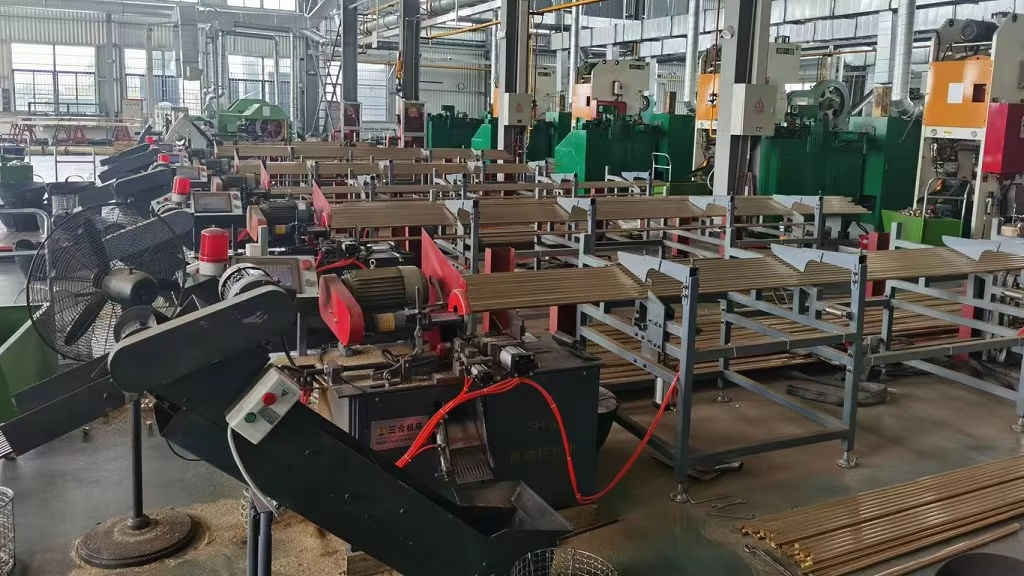
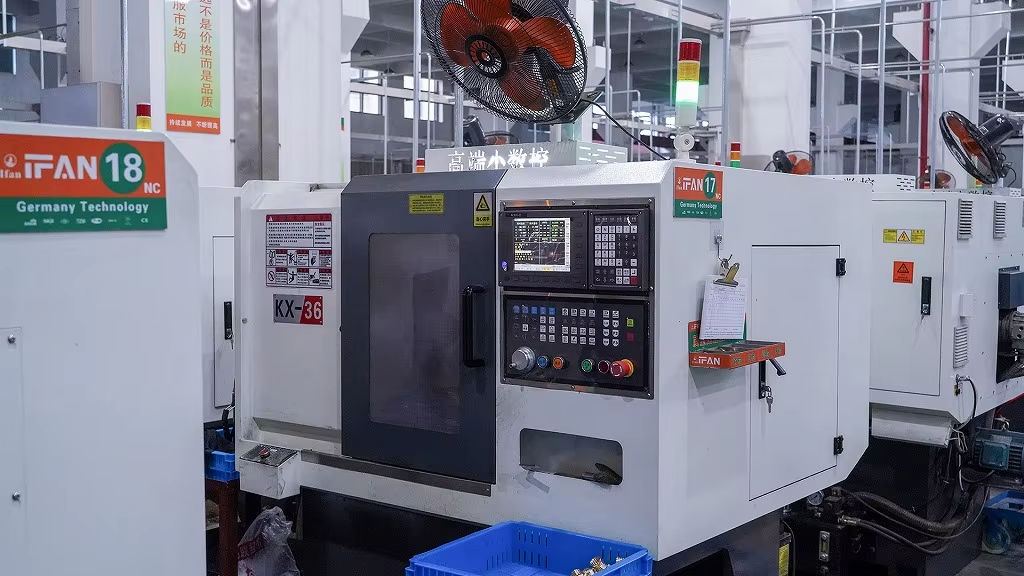
A visual and technical walk-through of our integrated production line, ensuring repeatability and dimensional accuracy.
How we are adapting to smart building initiatives, green manufacturing, and IoT automation.
The fluid control industry is adapting to digital transformation and decarbonization. Over the next decade, valve manufacturing will evolve from mechanical design to integrating digital monitoring and material sciences. Our technical roadmap focuses on three main developments:
1. IoT-Enabled Smart Actuation: By integrating micro-sensors directly within the valve bonnet, future valve designs will communicate real-time temperature, pressure drop, and seat wear metrics back to centralized SCADA systems. This converts traditional reactive maintenance into predictive maintenance cycles, reducing unexpected system downtime.
2. Advanced Lead-Free and Corrosion-Resistant Alloys: Global metal regulations continue to become more stringent. Our R&D department is investing in developing lead-free brass formulations that maintain machining properties while preventing lead leaching. We are also testing duplex and super-duplex stainless steels to extend valve lifespan in highly corrosive marine and desalination environments.
3. Decarbonization in Valve Manufacturing: Energy-efficient manufacturing is a core focus. By optimizing our forging temperatures, utilizing multi-axis CNC machines to reduce waste, and recycling metallic turnings, Zhejiang Maria Valve aims to reduce the carbon footprint of our manufacturing facility, helping our global partners meet their scope 3 emissions targets.
Why Zhejiang’s manufacturing ecosystem offers cost efficiency and reliable lead times.
Global supply chains require both flexibility and cost competitiveness. Manufacturing in Zhejiang, China, provides distinct advantages that benefit our international clients. The local valve manufacturing cluster provides direct access to raw materials, forging facilities, tooling designers, and logistics hubs, minimizing external supply risks.
This industrial proximity allows us to quickly transition from design drawings to forged prototypes. Our vertically integrated production model keeps processes like forging, machining, assembly, and testing in-house, reducing transit times and quality variations. Additionally, our proximity to the Ningbo and Shanghai ports ensures efficient global shipping routes, helping us maintain predictable delivery schedules even during market fluctuations.
Mitigating procurement risks through certification and material documentation.
Procuring valves for regulated projects requires verified compliance documentation. Zhejiang Maria Valve provides support for engineering and regulatory teams by ensuring all shipments are accompanied by complete documentation packages:
We work with international logistics providers to coordinate delivery DDP, CIF, or FOB, managing customs documentation to prevent port delays. Our engineering support team is available to assist with actuator calibration, valve sizing calculations, and material compatibility assessments during the project design phase.
Answering technical, commercial, and operational questions for fluid control procurement.
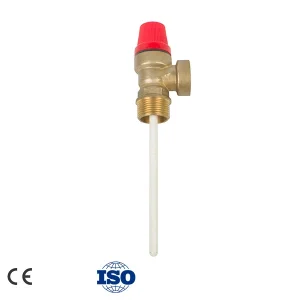
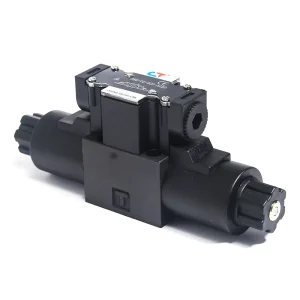
Additional products from our catalog engineered for high-pressure gas, liquid control, and thermal protection applications.
 Maria Valve