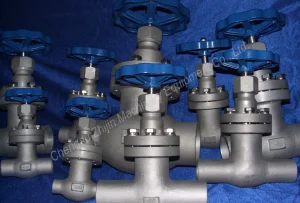
Nagoya, the heart of Japan's Chubu region, stands as a global titan of industrial manufacturing. From the aerospace clusters in Kakamigahara to the massive energy terminals at the Port of Nagoya, the demand for cryogenic valve technology has never been more critical. As Japan pivots toward a "Hydrogen Society," Nagoya's industrial landscape is undergoing a profound transformation, requiring valve solutions that can handle extreme temperatures down to -253°C (Liquid Hydrogen) and -196°C (LNG/Liquid Nitrogen).
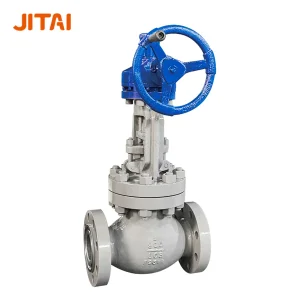
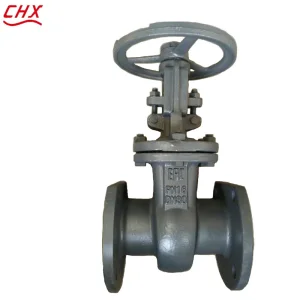
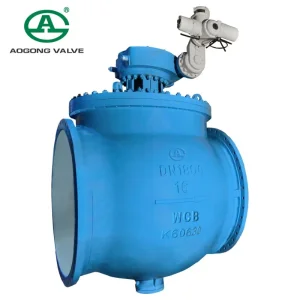
With major energy players like Chubu Electric Power and Toho Gas operating extensive LNG receiving terminals, the region requires high-integrity cryogenic globe and gate valves that ensure zero leakage. Our valves are designed to meet the rigorous JIS and ASME standards prevalent in Japanese heavy industry.
Nagoya's aerospace sector demands cryogenic control for rocket propulsion testing and environmental simulation chambers. Our stainless steel CF8M/CF3M valves provide the material stability required for these high-vacuum, low-temperature environments.
Standard Operating Limit
Certified Quality Compliance
Seat Leakage Tolerance
At Zhejiang Maria Valve Co., Ltd., we understand that cryogenic service is not just "cold"—it is a distinct engineering challenge involving thermal contraction, gas expansion, and material brittleness. Our technical roadmap focuses on three pillars of innovation:
In the extreme cold, standard metals become brittle. We utilize low-carbon stainless steels (304L, 316L) and specialized alloys. For high-cycle applications in Nagoya's chemical plants, we apply Stellite hardfacing to valve seats, ensuring wear resistance even when lubricants fail at cryogenic temperatures.
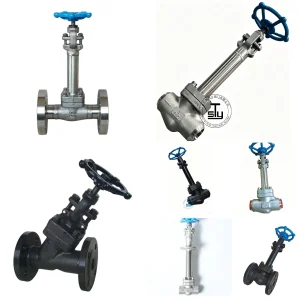
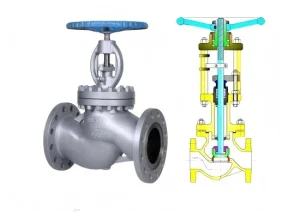
Our cryogenic valves feature an extended bonnet design. This creates a "gas column" that keeps the stem packing away from the cryogenic fluid, allowing it to operate at near-ambient temperatures. This prevents ice formation on the actuator and ensures a tight seal, crucial for the safety of LNG transport pipelines.
We leverage PCTFE (Polychlorotrifluoroethylene) inserts for bubble-tight shut-off. This material maintains its elasticity at -196°C, outperforming standard PTFE which loses its sealing properties in extreme cold.
While Nagoya represents the pinnacle of industrial application, our manufacturing base in Zhejiang represents the future of Supply Chain Resilience. By integrating Factory 4.0 principles, we provide Nagoya-based enterprises with a unique competitive advantage: High-end Japanese-standard quality at optimized production costs.
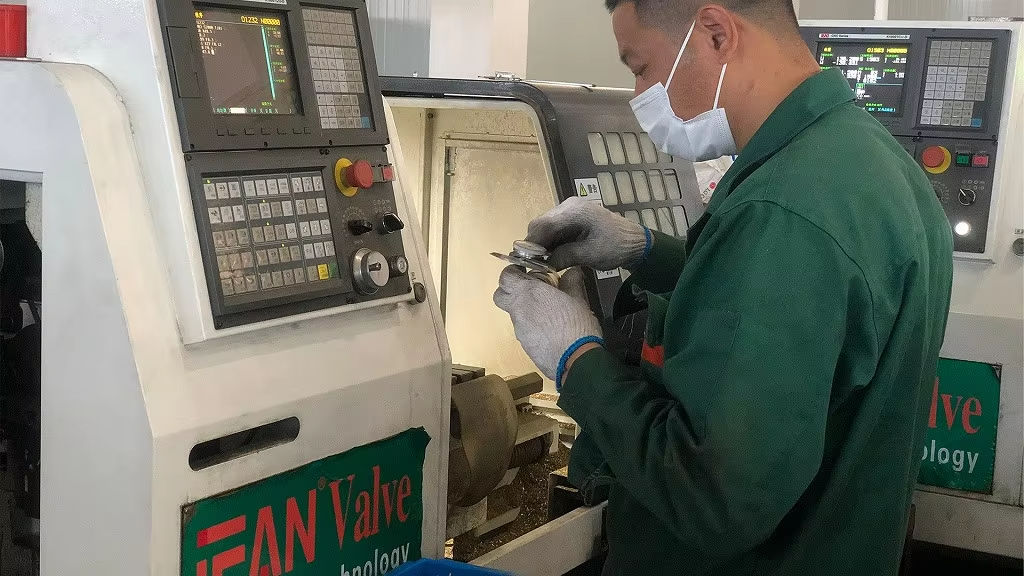
Every valve component is machined on high-precision CNC centers to ensure tolerances within microns, essential for cryogenic seal integrity.
We perform submerged liquid nitrogen testing to verify valve performance at -196°C before any shipment reaches the Port of Nagoya.
Our proximity to major shipping routes allows us to offer 2-4 week lead times for standard cryogenic components, significantly faster than traditional European suppliers.
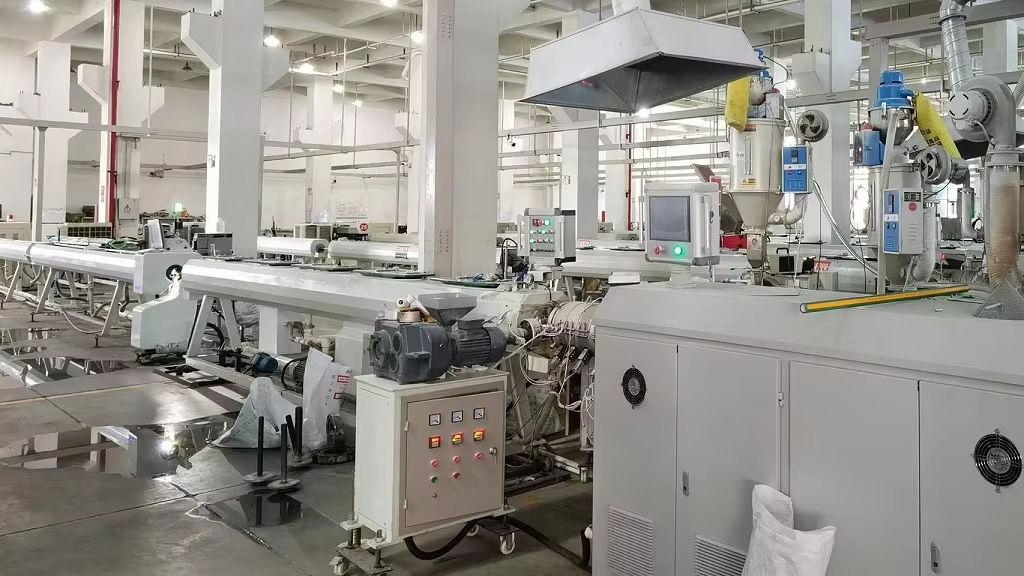
Pipe Production
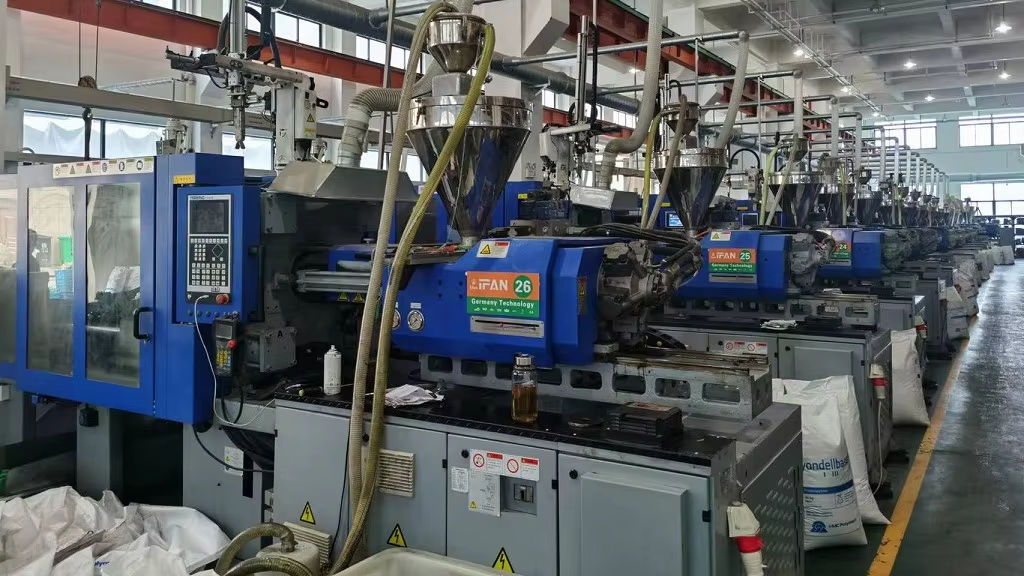
Injection Molding
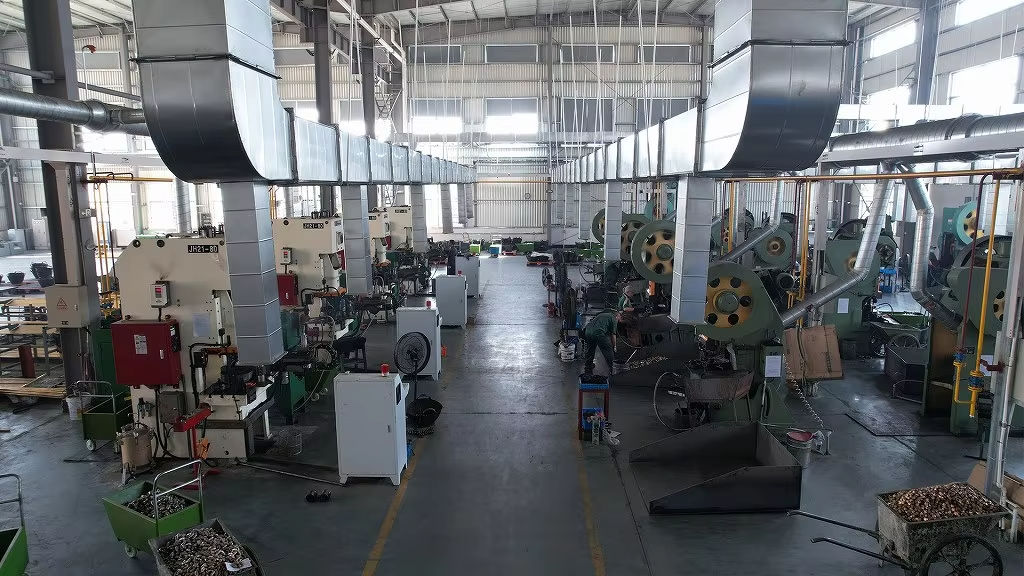
Forging Process
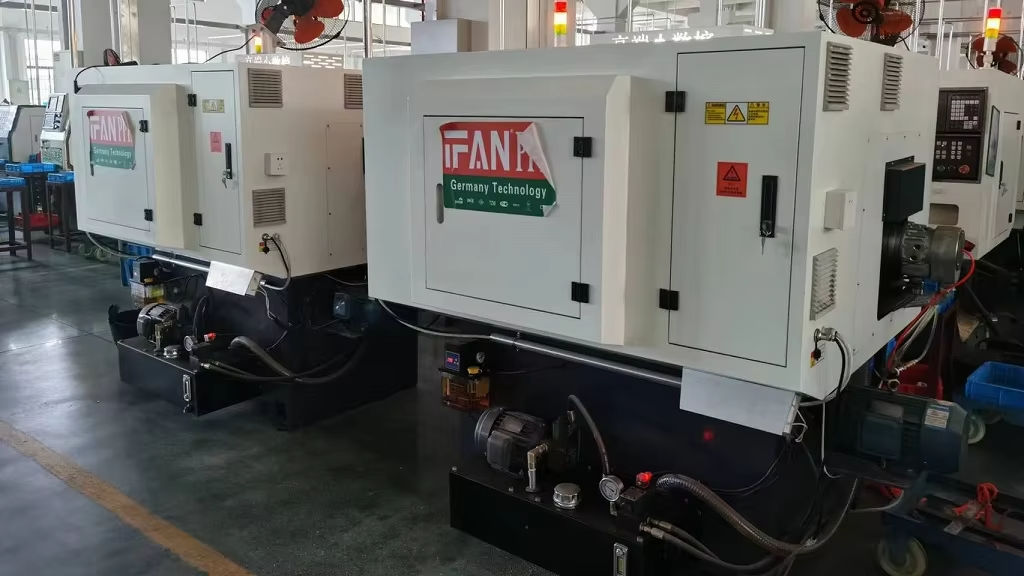
CNC Machining
Quality Control
For our clients in Nagoya, Yokkaichi, and Toyota City, we provide localized documentation and compliance support. We understand the stringent requirements of METI (Ministry of Economy, Trade and Industry) and the High Pressure Gas Safety Act of Japan.
The extended bonnet is essential to prevent the stem packing from freezing. In Nagoya's high-humidity coastal areas, moisture can quickly turn to ice on cold valve components. By moving the packing away from the cryogenic liquid, we ensure smooth operation and prevent stem seal failure.
For liquid hydrogen, we recommend 316L stainless steel due to its excellent ductility and resistance to hydrogen embrittlement. Our valves for hydrogen service undergo specialized cleaning and degreasing to ensure safety in high-purity environments.
We utilize a multi-stage Quality Assurance protocol, including ultrasonic testing (UT), radiographic testing (RT), and cryogenic gas leakage testing. Every valve is issued a unique serial number for full material and test traceability.
Yes. We specialize in engineering valves that match existing Japanese (JIS) or American (ANSI) pipeline footprints, minimizing the need for costly pipe modifications during maintenance shutdowns in Nagoya's industrial zones.
Consult with our senior SEO growth director and engineering team today to find the perfect valve solution for your Nagoya operations.
Contact Our Technical Team Maria Valve