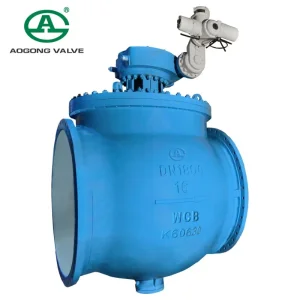
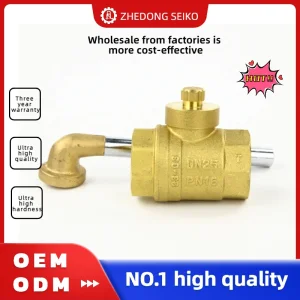
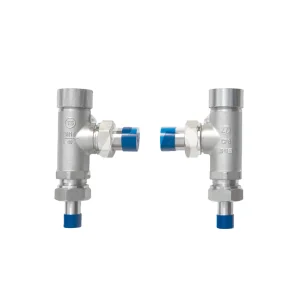
Advanced engineering and metallurgical consistency designed to mitigate thermal shrinkage and stress in high-demand operations.
Analyzing localized demands, cryogenic terminal infrastructures, and technical mandates across the Kingdom of Bahrain.
The Muharraq Governorate, situated at the historical and logistics core of Bahrain, has rapidly evolved from a maritime trading hub into a critical touchpoint for energy infrastructure, marine services, and downstream industrial applications. With immediate access to the Khalifa Bin Salman Port and close geographical ties to the industrial zones of Hidd, modern operations in Muharraq are highly integrated with Bahrain’s overarching national energy framework. The growth of specialized infrastructure, notably the offshore Bahrain LNG terminal and localized gas purification plants, requires flow control installations capable of operating reliably under thermal and mechanical extremes.
In cryogenics, performance reliability is critical. Cryogenic valves installed in these regions must process media at temperatures falling below -162°C (for Liquefied Natural Gas) and down to -196°C (for Liquid Nitrogen). These media are essential for inerting gas lines, marine fuel delivery, and specialized storage. High relative humidity and saline environments characteristic of Muharraq's coastal geography accelerate structural corrosion. As a result, valve configurations must utilize exterior materials resistant to marine corrosion, alongside internals capable of enduring rapid temperature transitions without compromising pressure boundaries or seat integrity.
To operate reliably in the extreme environmental conditions of the Arabian Gulf, metallurgical specifications cannot be compromised. The standard structural choice remains low-carbon austenitic stainless steels (such as ASTM A351 CF8M and CF3M), which maintain their impact strength and notch toughness at sub-zero temperatures. Typical carbon steels experience ductile-to-brittle transition when exposed to cryogenic temperatures, making them highly susceptible to stress-induced catastrophic cracking. Valve engineering for the Muharraq industrial corridor mandates extended bonnets. This design creates a stable insulating gas column that isolates the stem packing from critical cold temperatures, ensuring the valve remains functional and free from ice formation that could seize mechanical components.
Engineered Precision for Global Industrial Flow Control Systems.
Since its establishment, Zhejiang Maria Valve Co., Ltd. has specialized in manufacturing a wide range of industrial valves, serving key sectors such as petroleum, steel, power generation, chemical, and water treatment. Leveraging years of experience and advanced engineering technology, we have consistently delivered high-quality, reliable valves to clients worldwide. Founded with a commitment to innovation and excellence, Zhejiang Maria Valve has become a trusted supplier for global process control solutions, offering products that meet rigorous international standards.
Zhejiang Maria Valve Co., Ltd. provides a comprehensive range of valves, including control valves, ball valves, butterfly valves, gate valves, and custom-designed specialty valves for industrial applications. As one of the pioneers in China’s valve manufacturing industry, we have contributed to advancing control valve technology and elevating product standards across the market.
Since 2003, our company has been dedicated to the development, design, and production of high-performance valves for pipeline and instrumentation control systems in process plants. We focus on combining cutting-edge technology with practical engineering solutions to ensure efficiency, safety, and long-term reliability.
At Zhejiang Maria Valve, we continuously strive to:
With a strong foundation in technology, engineering expertise, and global market experience, Zhejiang Maria Valve is a dynamic, innovative, and customer-focused company. We are committed to helping our clients maintain operational excellence and a competitive edge in global markets.
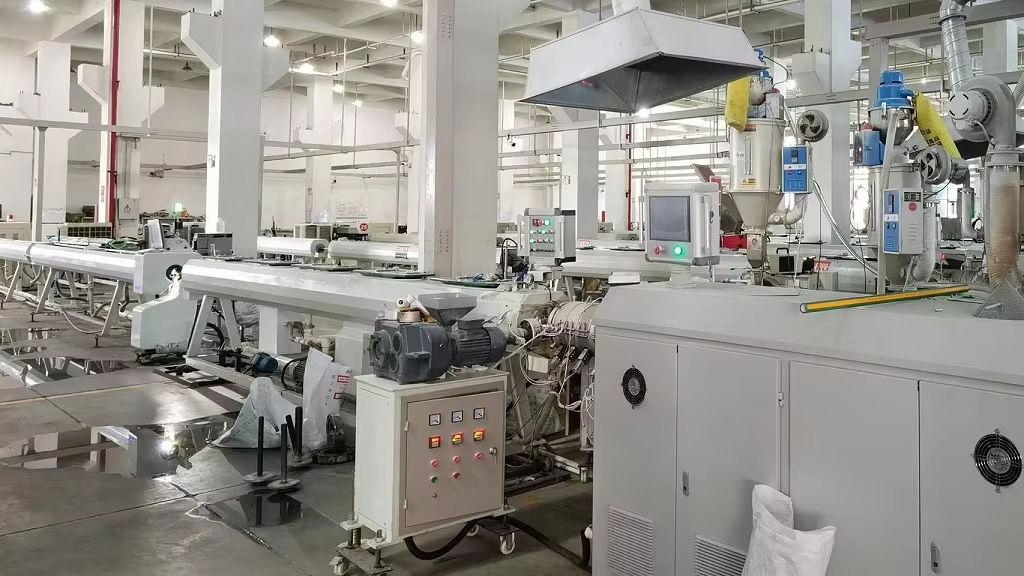
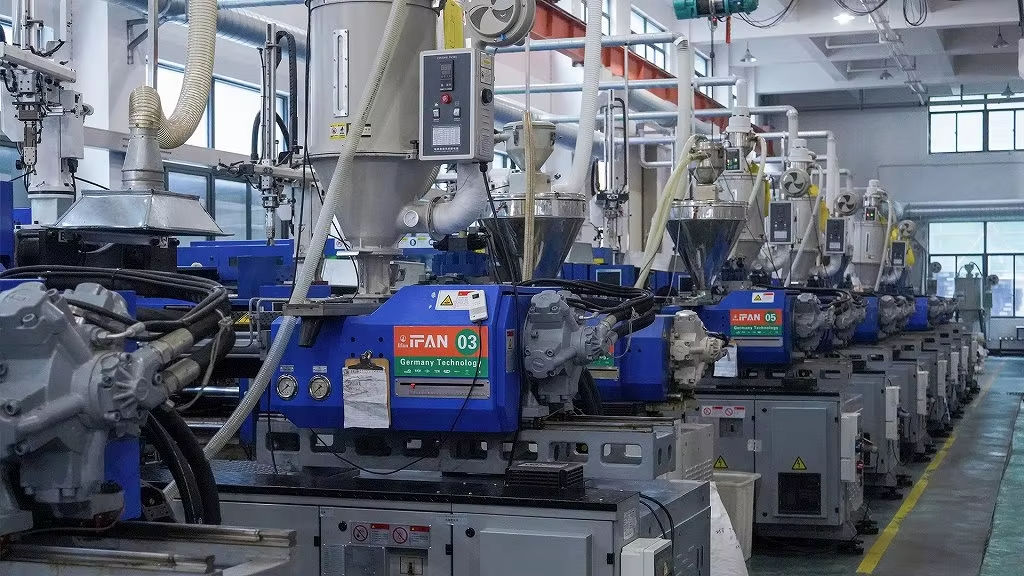
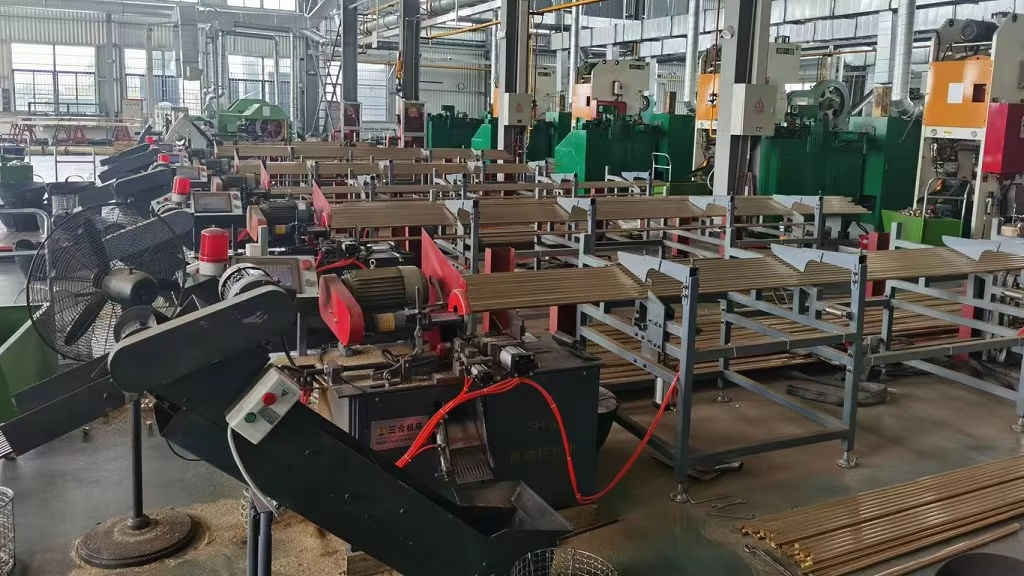
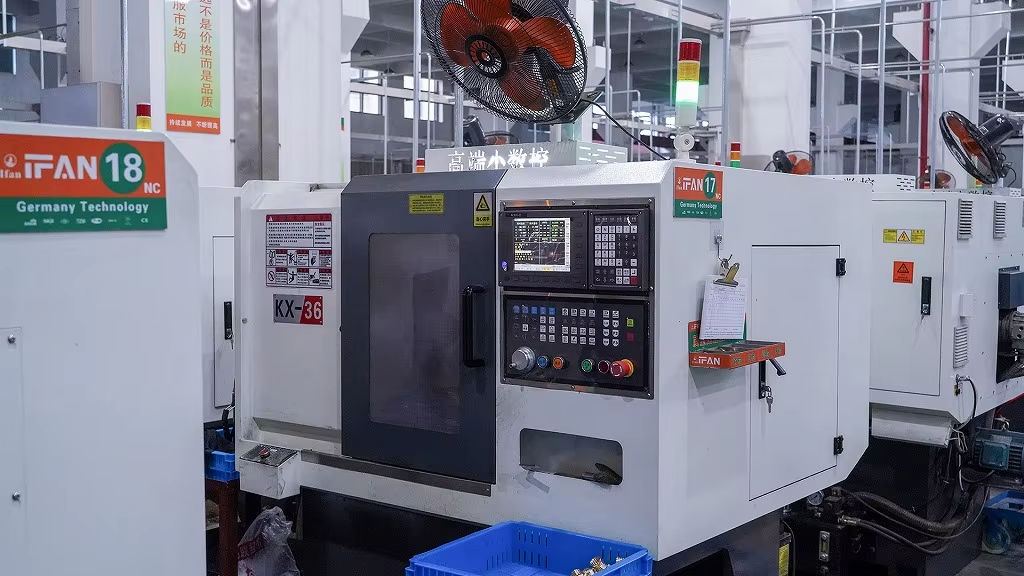
Our strictly monitored, step-by-step manufacturing and quality control phases ensure zero-leakage performance under extreme industrial conditions.
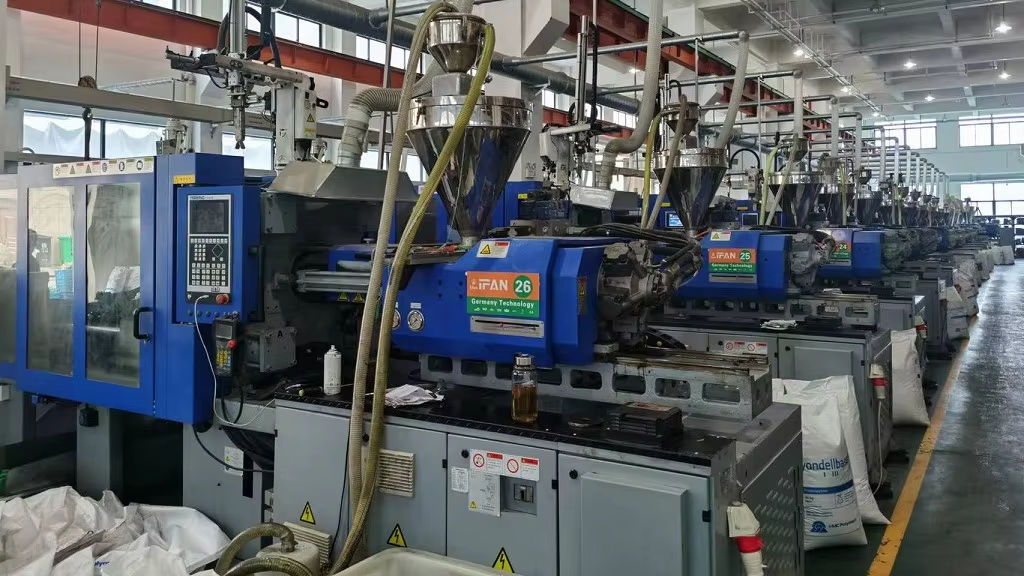
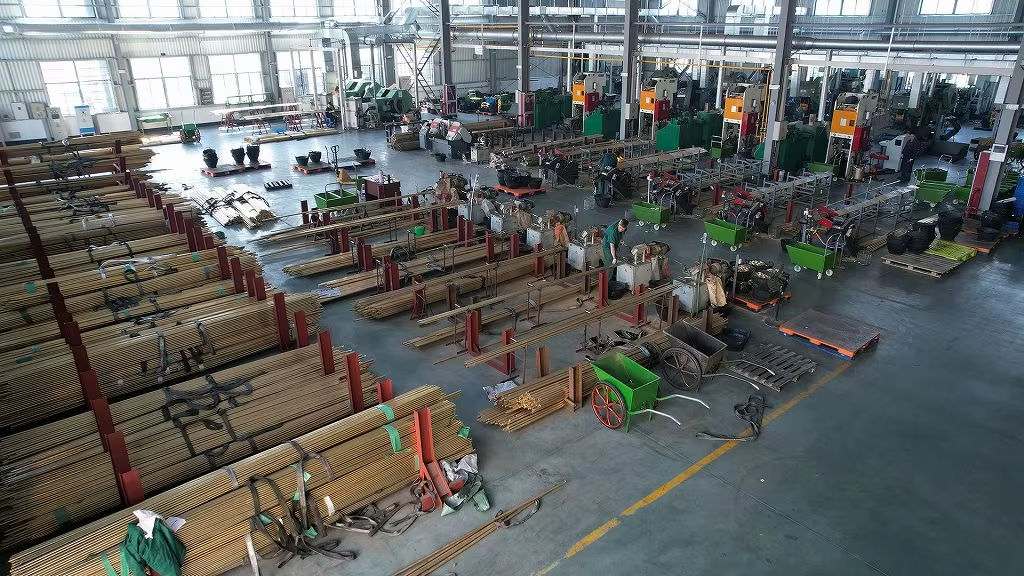
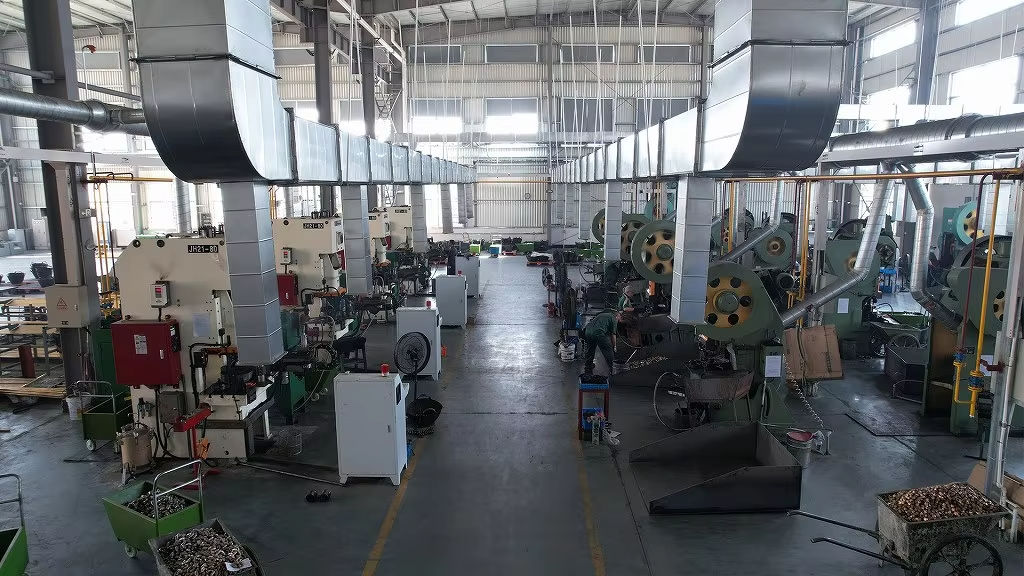
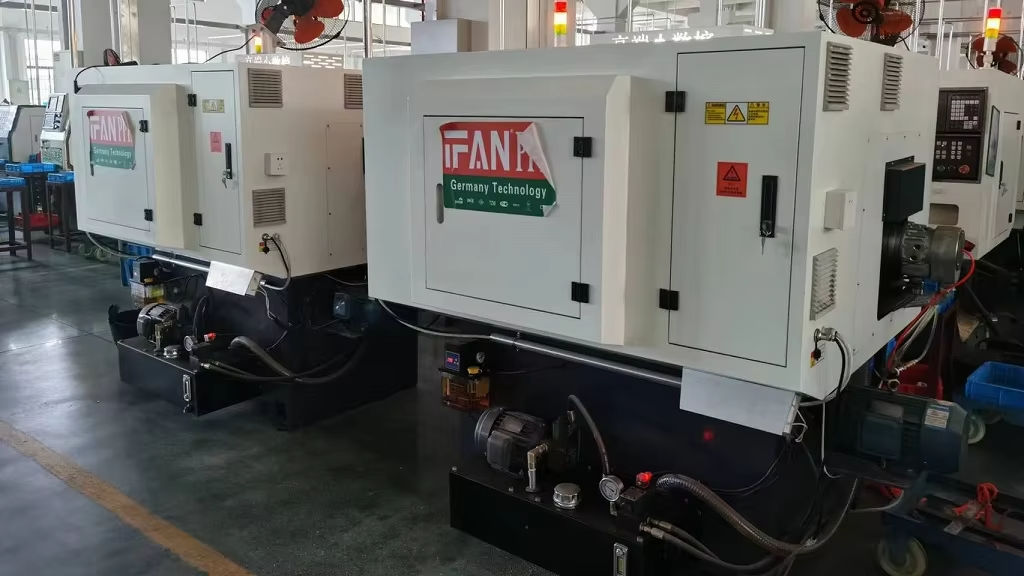
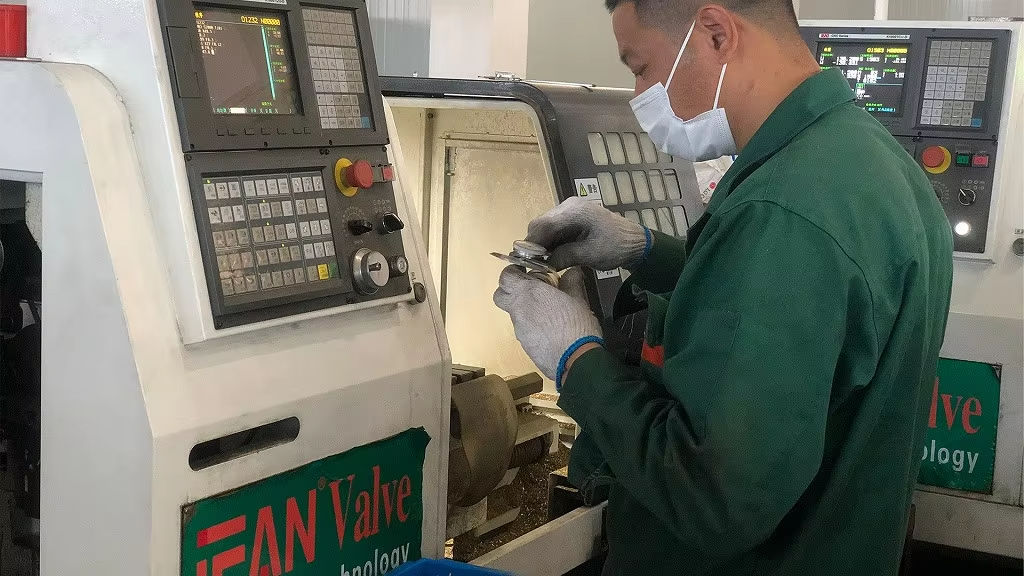
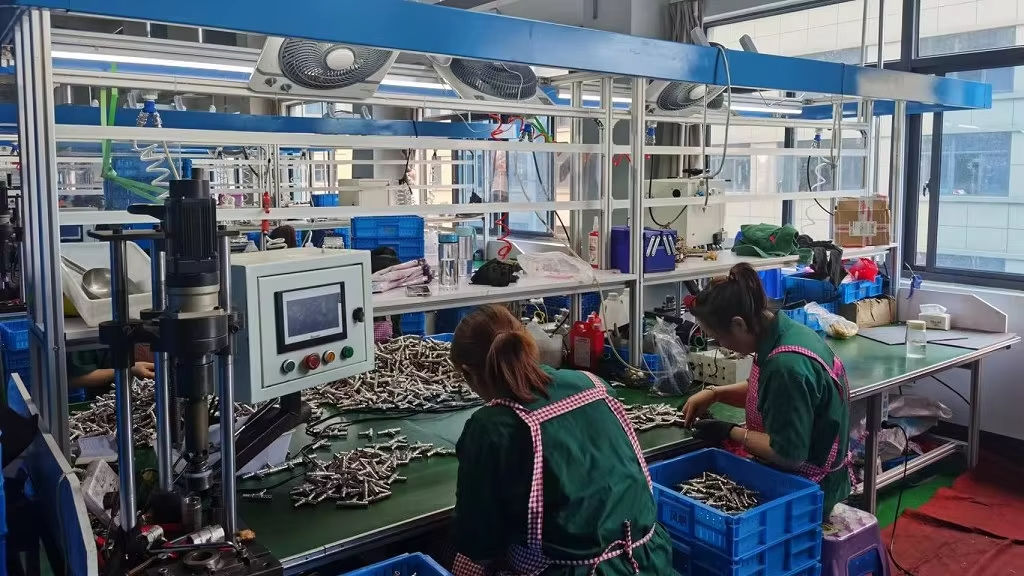
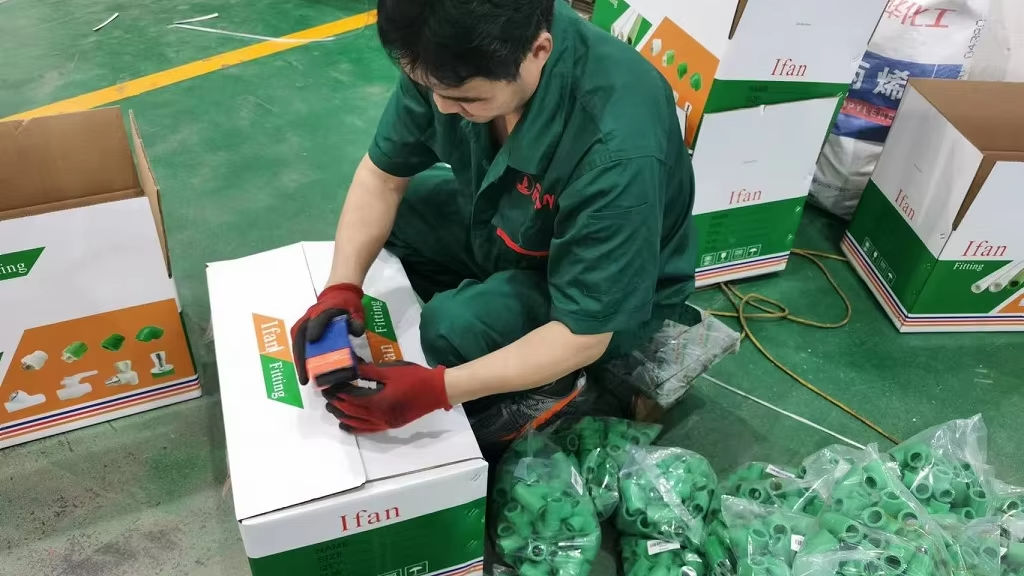
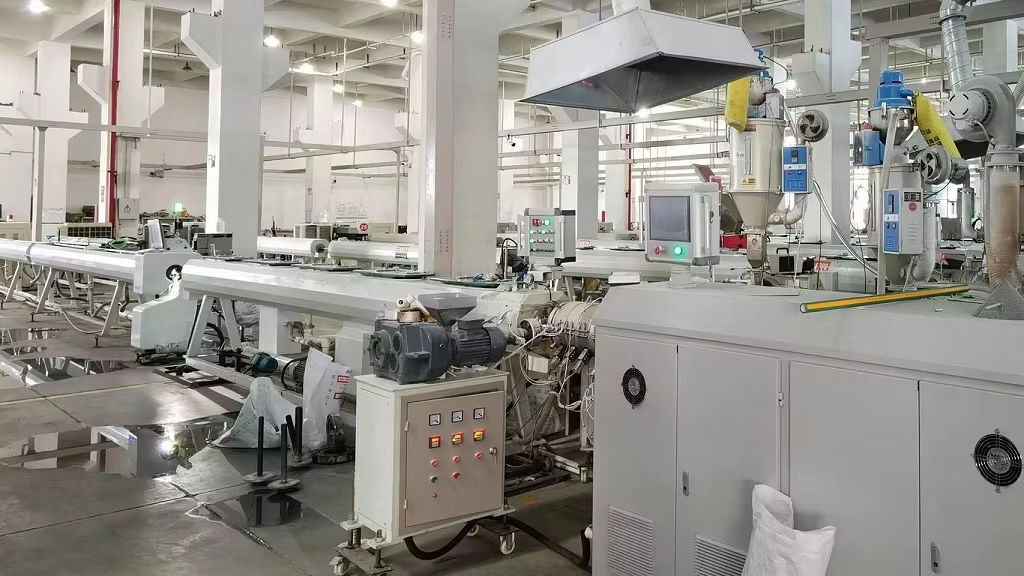
Providing custom industrial control architectures across global LNG, aerospace, and chemical supply chains.
On a global scale, the requirement for cryogenic valve technology is accelerating, driven by the clean energy transition. Natural gas liquefaction reduces volume by a factor of approximately 600, making intercontinental marine transport via specialized LNG carriers viable. This process relies on cryogenic control, gate, globe, and safety relief valves to regulate fluid flow safely. Systems must operate under extreme thermal conditions and withstand thermal stress-induced fatigue during startup and cooldown cycles.
Beyond LNG, the emerging global hydrogen economy presents additional technical challenges. Liquid hydrogen must be maintained at -253°C, just 20 Kelvin above absolute zero. At these temperatures, conventional sealing materials lose elasticity, and hydrogen atoms can permeate metal crystal lattices, causing hydrogen embrittlement. Developing leak-free valve architectures for liquid hydrogen applications requires precise material selection, strict surface finishing standards, and advanced seal geometries, including bellows-sealed stems and vacuum jacket insulation. Zhejiang Maria Valve aligns its engineering processes with these international technical developments to support complex global energy infrastructure.
Reliable flow regulation across liquefaction terminals, floating storage and regasification units (FSRUs), and distribution systems at -162°C.
Safe processing, distribution, and storage of liquid nitrogen (LN2), liquid oxygen (LOX), argon, and helium for manufacturing plants.
Specialized containment solutions engineered for liquid hydrogen (LH2) storage and transport at extreme temperatures down to -253°C.
Our systems are manufactured, inspected, and verified in compliance with global standards, ensuring safety in extreme environments.
To ensure high reliability under extreme conditions, every valve batch undergoes strict testing. The BS 6364 standard specifies testing parameters for cryogenic valves, requiring verification of seat leakage rates at temperatures down to -196°C using helium gas as the test medium. Helium's small molecular size and behavior at low temperatures make it ideal for detecting micro-leakage pathways that other media might miss.
Additionally, our valves are certified to API 607 and ISO 10497 standards, verifying their ability to maintain secondary metal-to-metal seals during and after exposure to high-temperature fire scenarios. Fugitive emission compliance under ISO 15848-1 ensures stem packing arrangements restrict VOC emissions, helping plants meet international environmental regulations and greenhouse gas reduction goals.
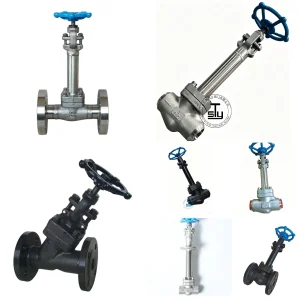
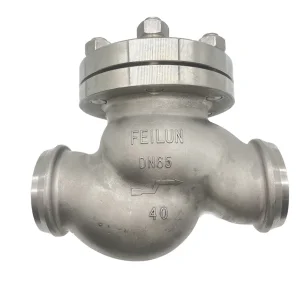
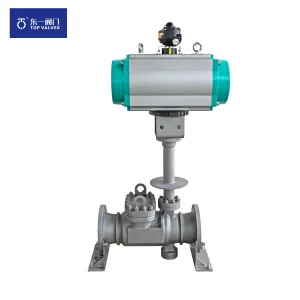
Browse our complete selection of cryogenic globe, ball, check, and control valves engineered for deep sub-zero service.
Innovating low-emission sealing and smart positioner diagnostics for complex industrial environments.
Zhejiang Maria Valve’s R&D roadmap focuses on two main engineering challenges: minimizing fugitive emissions and integrating digital control diagnostics. Reducing stem leakage is critical for environmental compliance. Standard packing sets are being updated to live-loaded chevron ring systems. These configurations maintain constant gland pressure even during thermal cycles, reducing seal degradation at low temperatures.
Additionally, integrating digital positioners allows for real-time monitoring of valve health. In modern industrial operations, unexpected downtime can be costly. By tracking parameters such as stem friction, stroke profile deviations, and actuator pressure drop, our smart control valves can identify wear before a failure occurs. This predictive monitoring capability improves operational safety and helps plants optimize maintenance schedules.
Expert insights on choosing, installing, and maintaining cryogenic valves in high-demand environments.
 Maria Valve