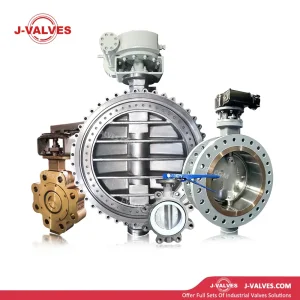
High-performance instrumentation and directional check, safety, and solenoid valves engineered for severe service environments.
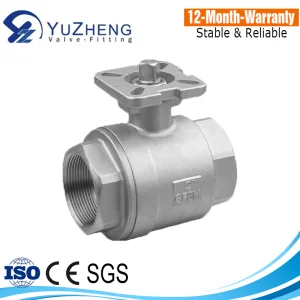
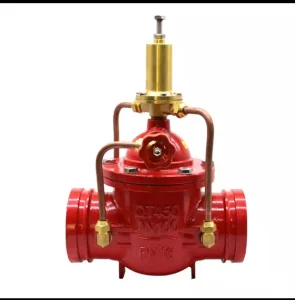
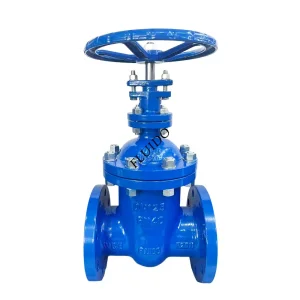
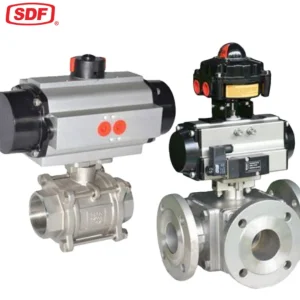
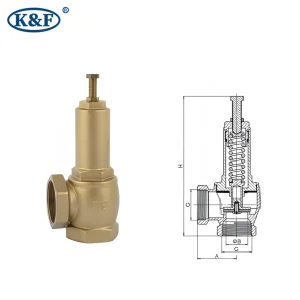
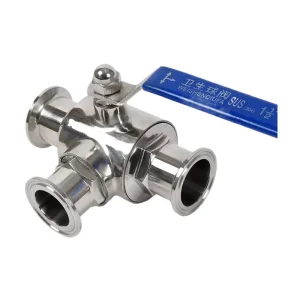
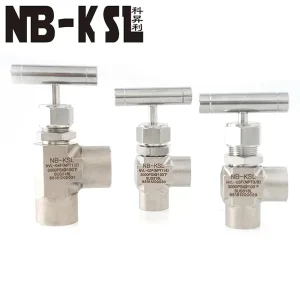
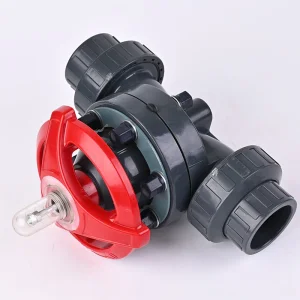
Founded on a commitment to precision and innovation, Zhejiang Maria Valve Co., Ltd. has established itself as an engineering partner for critical industrial sectors. We specialize in developing, manufacturing, and supplying industrial valves that support systems in petroleum refinement, steel production, thermal power generation, chemical processing, and municipal water treatment plants.
Since 2003, our team has dedicated its R&D resources to design and build high-performance valves for pipeline and instrumentation control systems in process plants. We bridge the gap between high-level metallurgical research and practical hydraulic application, producing directional control valves, ball valves, butterfly valves, gate valves, and bespoke specialty control assemblies that perform consistently in severe operational conditions.
We configure our systems to align with international safety and quality standards, maintaining strict verification protocols across every phase of production. By integrating advanced production tools and keeping a focus on long-term equipment reliability, we supply solutions that optimize operations for clients globally.
Why processing plants and distribution networks trust Maria Valve for high-integrity directional flow control.
Each directional control valve is tested through physical pressure, shell integrity, and seal tightness procedures. Quality assurance tracks raw metallurgy through to the final system check, ensuring performance matches specifications.
From cryogenic temperatures to corrosive slurry environments, our design engineers customize flow paths, body alloys, seat elastomers, and actuation logic to fit your process requirements.
We coordinate shipping and distribution across several continents. Our team manages customs clearances and logistics, keeping delivery schedules predictable.
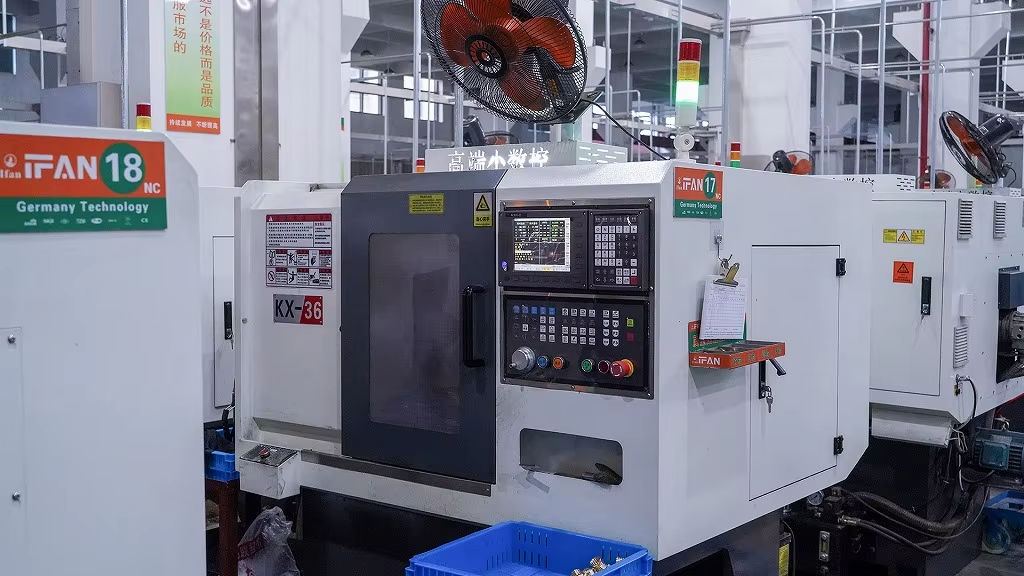
We trace materials from casting and hot forging through to multi-axis CNC finishing, building reliability into each component.
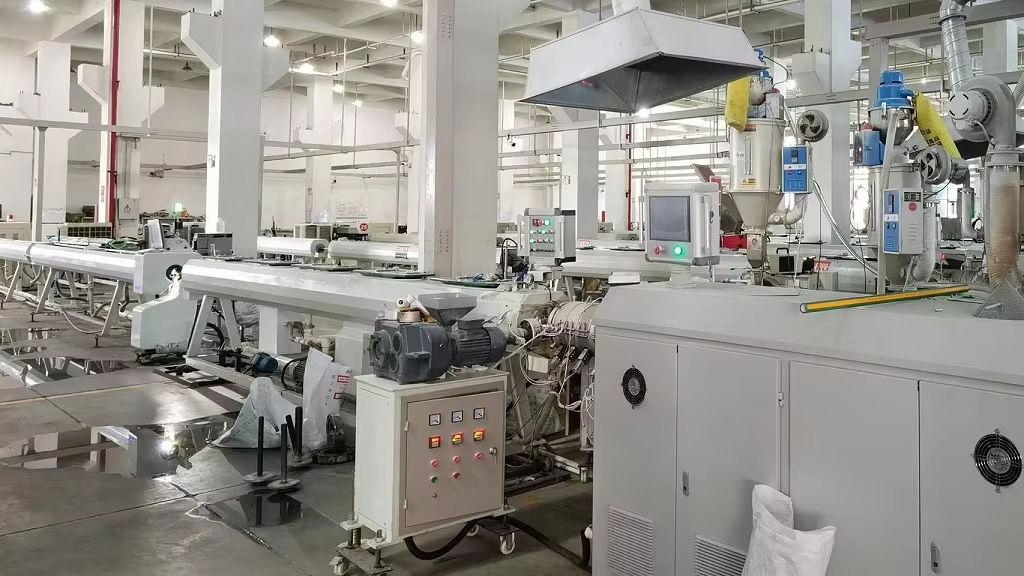
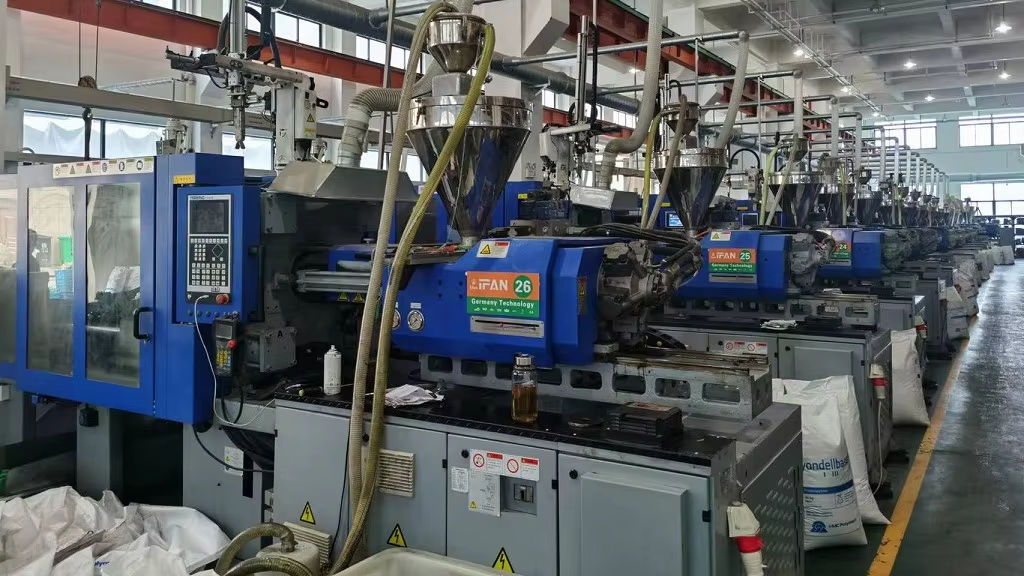
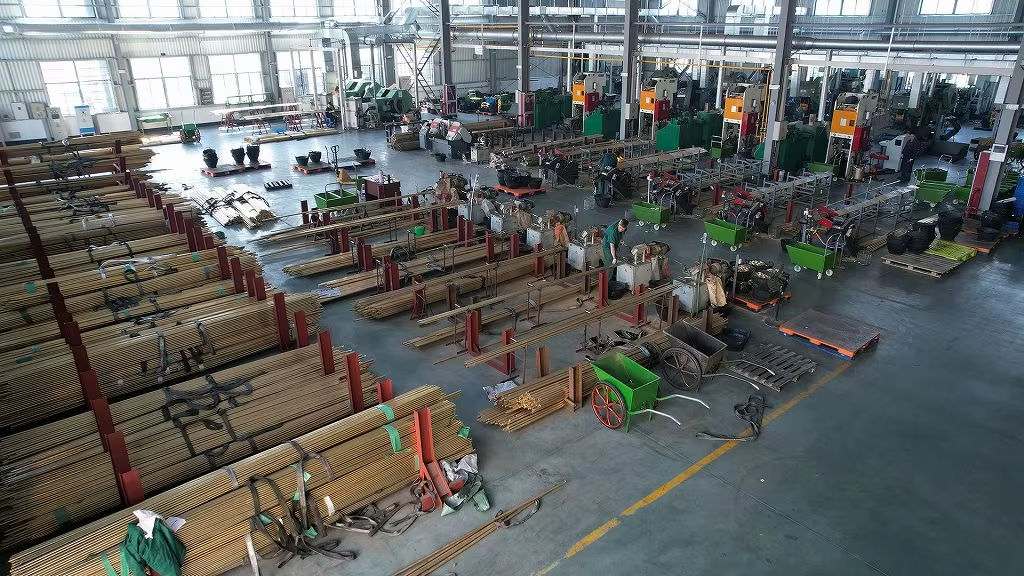
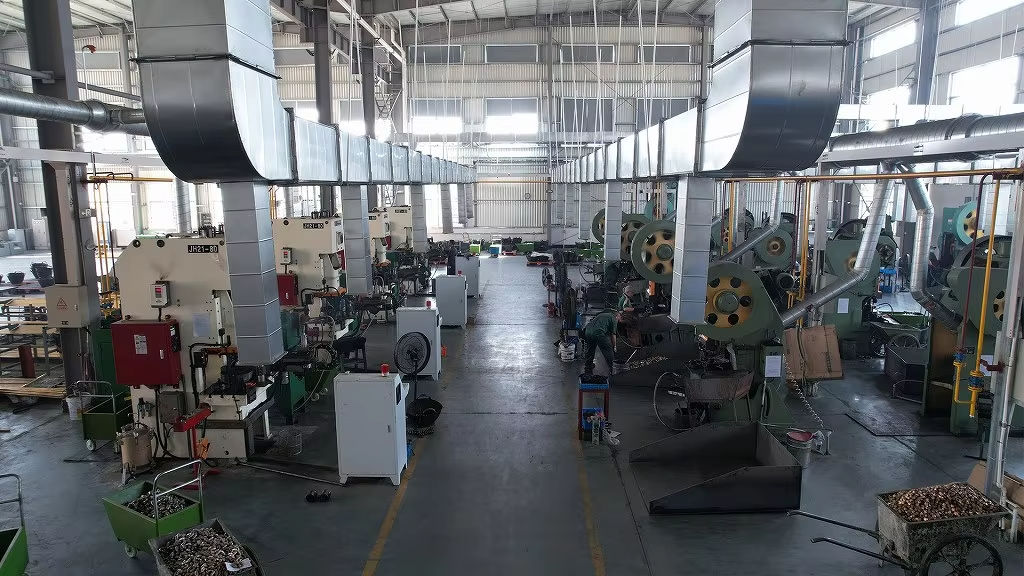
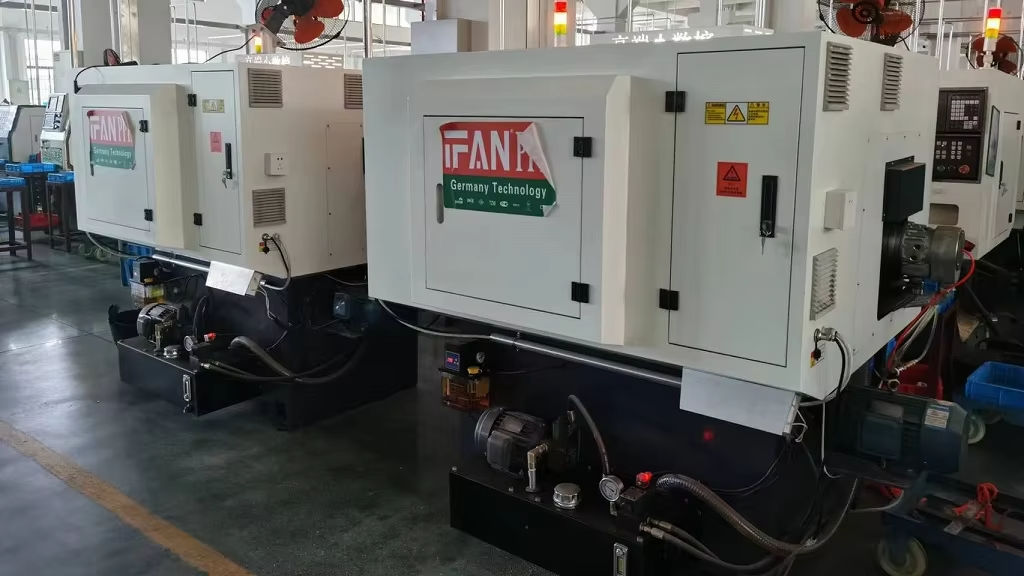
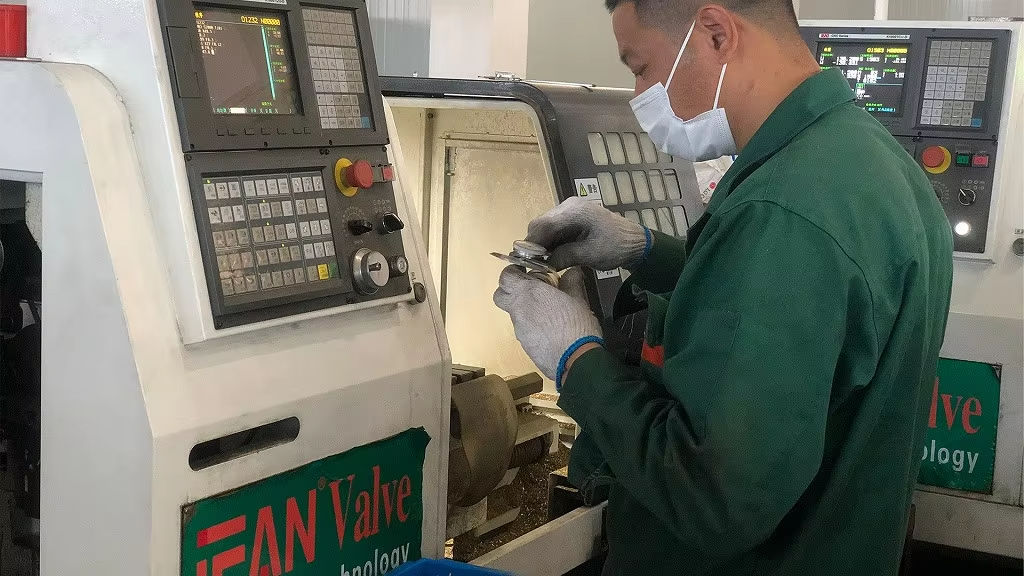
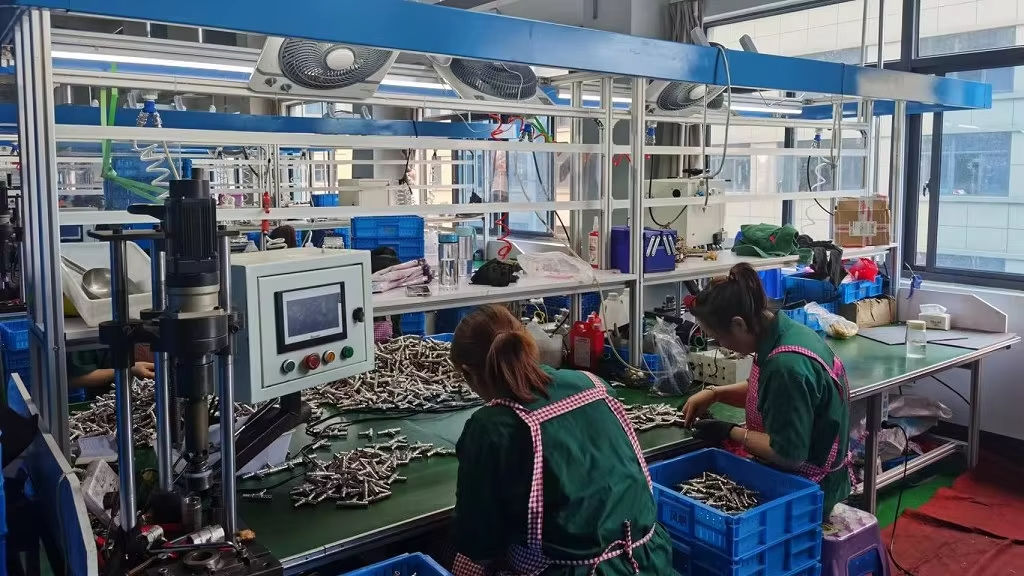
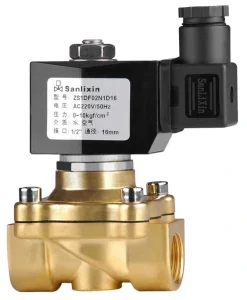
Directional control valves (DCVs) manage fluid flow routing, pressure relief, and shutoff dynamics in modern fluid systems. The design has evolved from basic mechanical spools to digital electro-hydraulic systems. Systems increasingly demand low power consumption, faster actuation response, and precise feedback control.
Our focus: Transitioning from manual flow redirection to pilot-operated solenoid valves and smart electro-hydraulic positioners that integrate with industrial automation systems.
Conventional direction switch valves operate on binary open/close cycles, which can cause fluid hammer. Proportional solenoids control spool displacement by adjusting current input. This allows for smooth ramped velocity profiles, reducing wear on pipes, cylinders, and structural supports.
Modern process plants use IoT sensors to detect changes in internal pressure, spool position, coil temperature, and dynamic seal wear. Monitoring these values allows operators to predict valve failure before it causes system downtime, lowering maintenance costs.
Environmental standards restrict VOC and hazardous vapor leaks. Our valves use multi-layered PTFE chevron packing and bellows seal designs. This provides dual containment, preventing fluid leaks along the stem.
Sourcing directional control valves from Chinese factories requires balancing initial cost, long-term performance, and regulatory compliance. Buyers should evaluate key technical parameters to ensure project compatibility.
| Sourcing Challenge | Technical Specification Need | Zhejiang Maria Valve Solution |
|---|---|---|
| Fluid Hammer Risks | Controlled closing speeds & relief mechanisms | Dual safety-relief and automatic damping designs |
| Corrosion & Material Fatigue | Traceable metallurgy (SS304/SS316, Duplex steel) | Full spectrochemical testing and mill cert trace |
| Actuation Failures | High coil insulation and duty cycle ratings | Class H IP67/68 direct-acting & pilot solenoids |
| Installation Mismatch | Flange tolerances to ANSI, DIN, and JIS | Precision CNC machining matching international standards |
Undersized valves can cause cavitation and high pressure drop, while oversized valves can lead to unstable control loop oscillation. We provide calculated flow coefficient data (Cv for imperial, Kv for metric) for each design, enabling correct sizing for your system's fluid density and line velocity.
Fluid dynamics vary across different sectors. Our valves are tailored to the physical requirements of their specific applications.
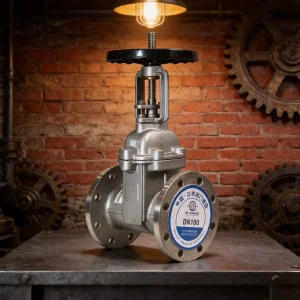
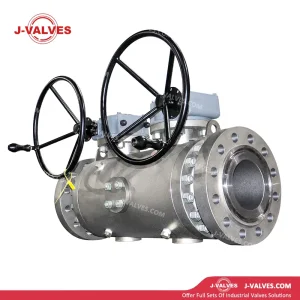
Hydrocarbon processes require valves that withstand high pressures and thermal shifts. Our forged Double Block and Bleed (DBB) valves, cryogenic needle valves, and flanged ANSI gate valves maintain seal integrity under thermal changes and mechanical stress.
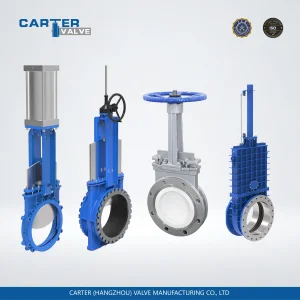
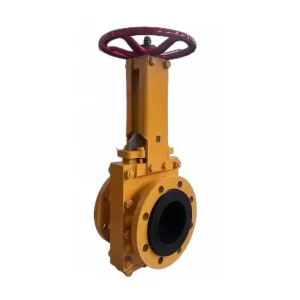
Wastewater systems process slurries, abrasive sand, and organic waste. Standard gate valves can trap solids, preventing tight shutoff. Our bidirectional knife gate valves use beveled, cast iron and stainless steel plates to shear through particulates and clean the seat during closure.
Fire pumps generate rapid pressure shifts. Our automatic drain and safety-relief valves vent excess pressure, protecting pump casings and piping networks from water hammer and structural failure.
Reliability requires strict testing standards. Zhejiang Maria Valve aligns manufacturing and testing with international standards:
Operating temperature, chemical compatibility, and line pressure dictate the material choice. Below is our standard engineering reference:
| Material Class | Common Standard | Temperature Range | Suitable Applications |
|---|---|---|---|
| Austenitic Stainless Steel | ASTM A351 CF8M / SS316 | -196°C to +538°C | Corrosive chemicals, cryogenic fluids, sanitary processing |
| Carbon Steel | ASTM A216 WCB | -29°C to +425°C | High-pressure oil and gas pipelines, steam distribution |
| Nickel Aluminum Bronze | ASTM B148 C95800 | -20°C to +260°C | Marine systems, seawater cooling, offshore platforms |
| Thermoplastics | UPVC / CPVC / PVDF | 0°C to +60°C (UPVC) | Water filtration, acid piping, electroplating processes |
Technical answers to design, sourcing, and implementation questions regarding directional control valves.
Select from our range of process control valves, including slurry knife gates, safety reliefs, and high-pressure double-block and bleed systems.
 Maria Valve