Advanced engineering components certified to international safety and pressure regulations, specifically configured for harsh working conditions.
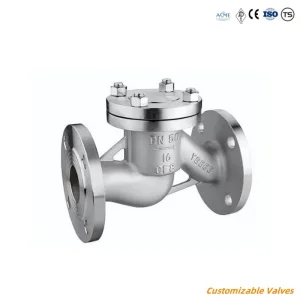
Pioneering High-Precision Control & Flow Control Engineering Since 2003
Since its establishment, Zhejiang Maria Valve Co., Ltd. has specialized in manufacturing a wide range of industrial valves, serving key sectors such as petroleum, steel, power generation, chemical, and water treatment. Leveraging years of experience and advanced engineering technology, we have consistently delivered high-quality, reliable valves to clients worldwide.
Founded with a commitment to innovation and excellence, Zhejiang Maria Valve has become a trusted supplier for global process control solutions, offering products that meet rigorous international standards. Our strategic focus is on delivering extreme wear resistance and bubble-tight isolation in pneumatic conveying pipelines handling harsh abrasive media, fly ash, dry powders, and granular products.
Years of Engineering Expertise
Exporting Countries & Regions
Pressure Leak & Shell Testing
9001:2015 & CE Certified
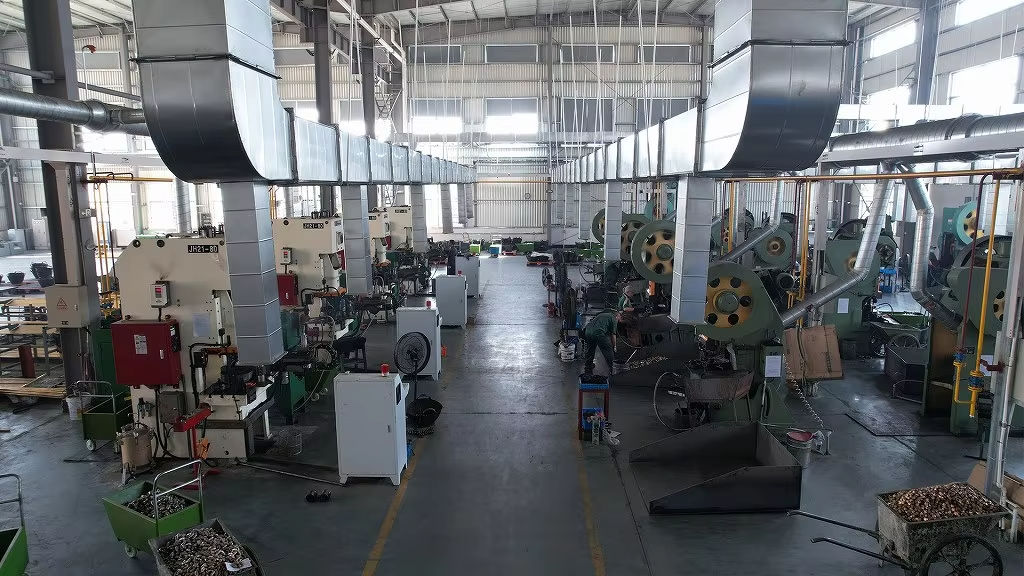
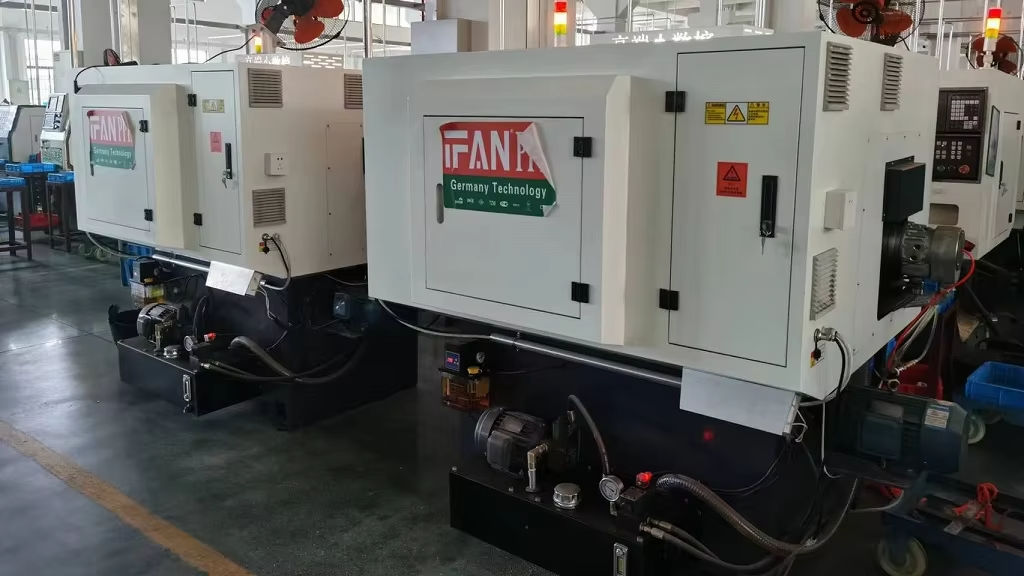
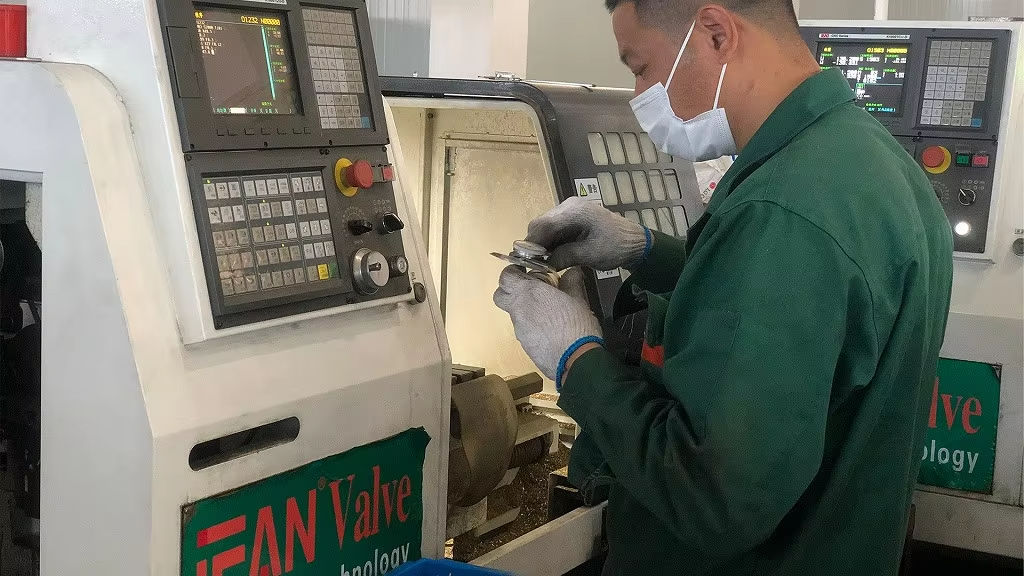
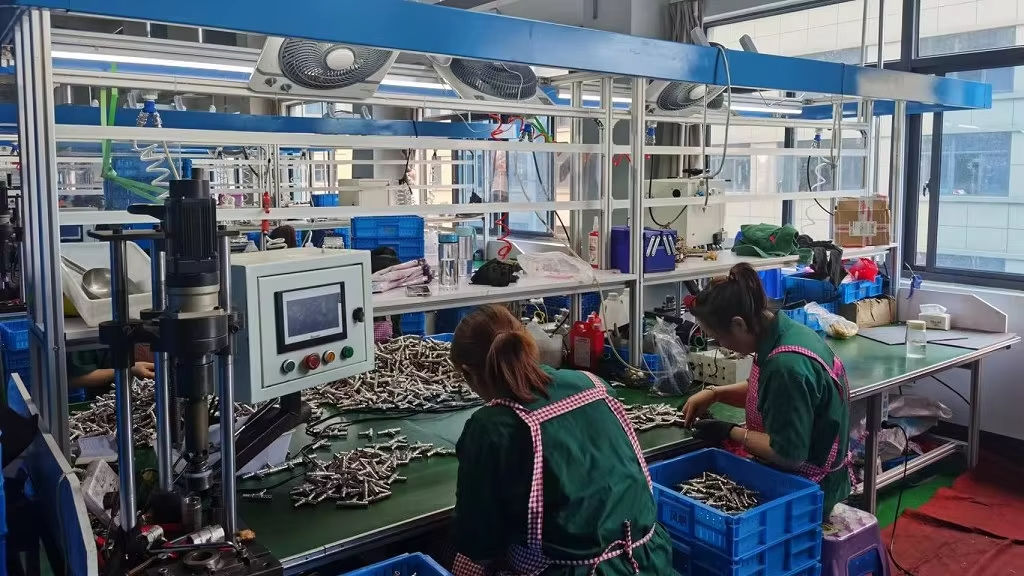
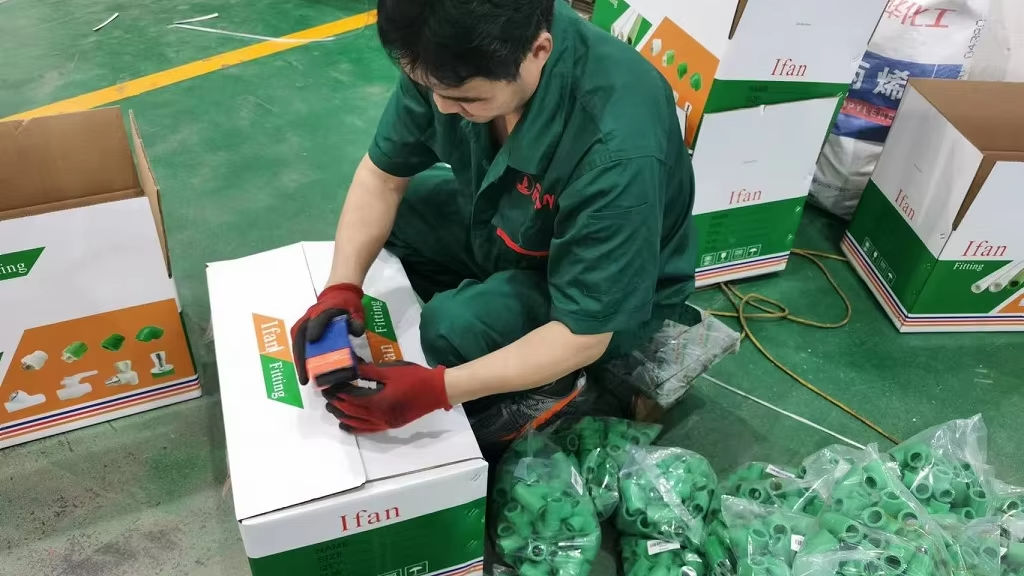
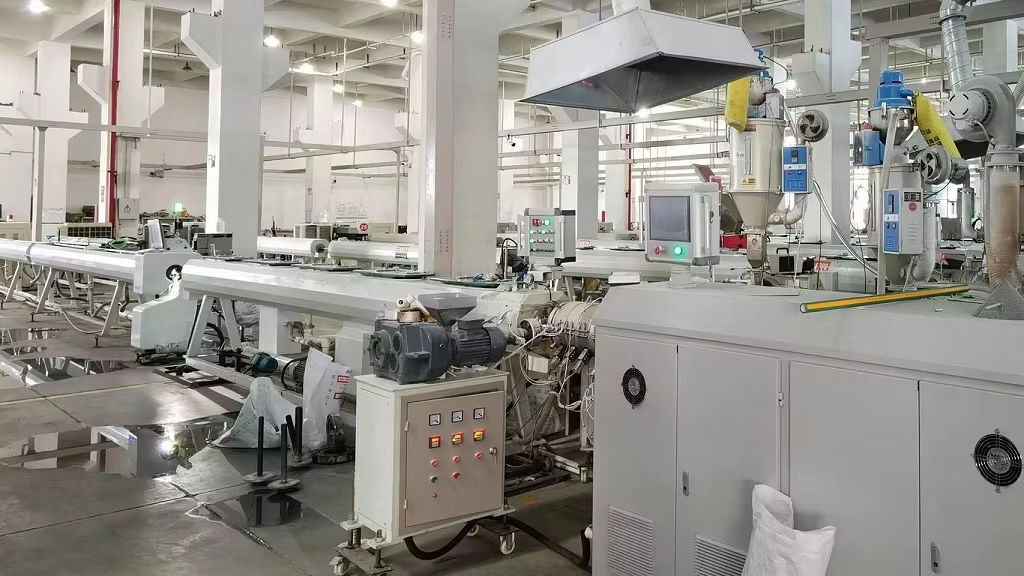
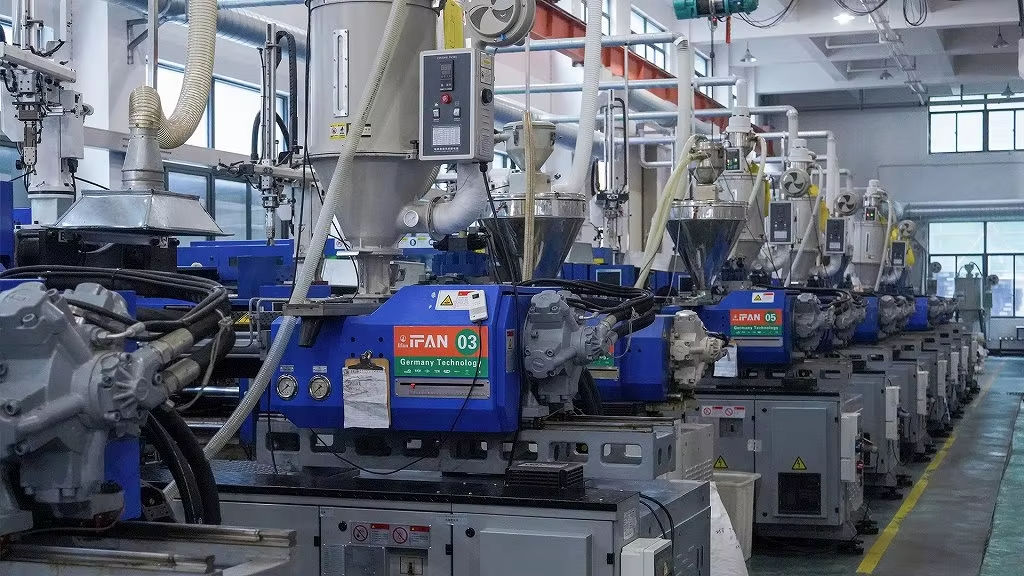
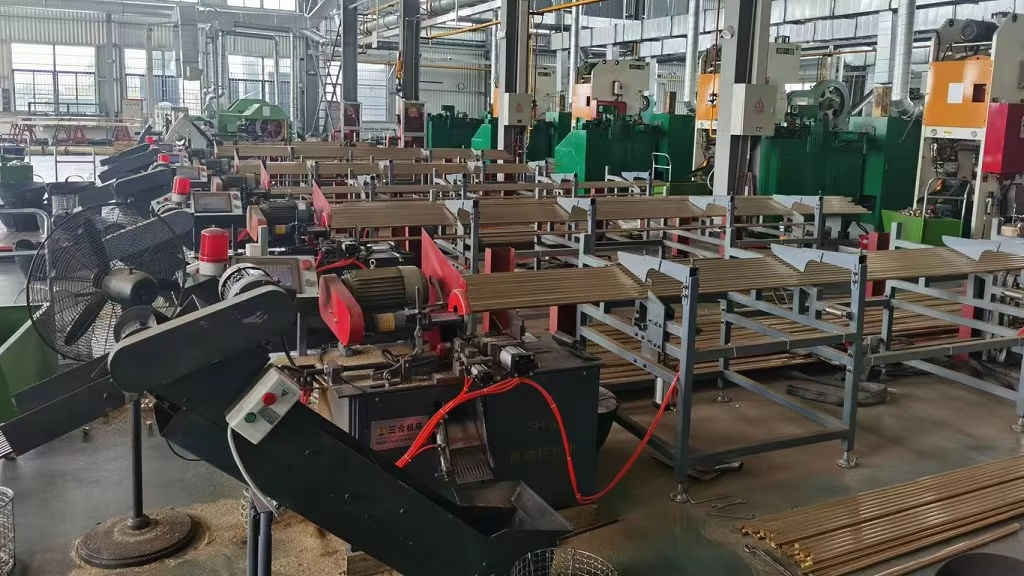
From metallurgical sourcing to precision machining, our absolute control over the production workflow guarantees elite structural reliability.
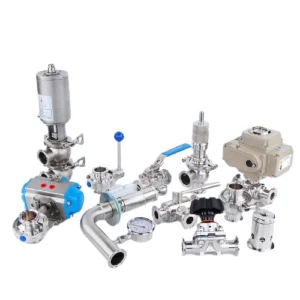
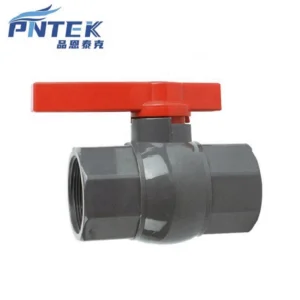
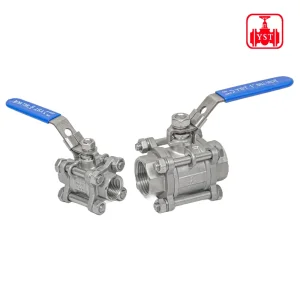
Zhejiang Maria Valve Co., Ltd. provides a comprehensive range of valves, including control valves, ball valves, butterfly valves, gate valves, and custom-designed specialty valves for industrial applications. As one of the pioneers in China’s valve manufacturing industry, we have contributed to advancing control valve technology and elevating product standards across the market. Since 2003, our company has been dedicated to the development, design, and production of high-performance valves for pipeline and instrumentation control systems in process plants. We focus on combining cutting-edge technology with practical engineering solutions to ensure efficiency, safety, and long-term reliability.
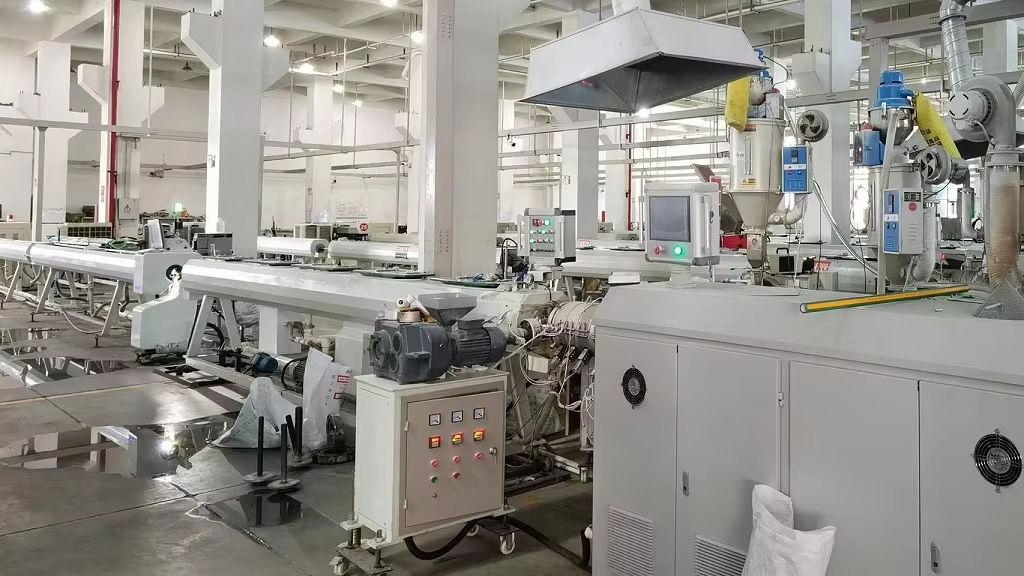
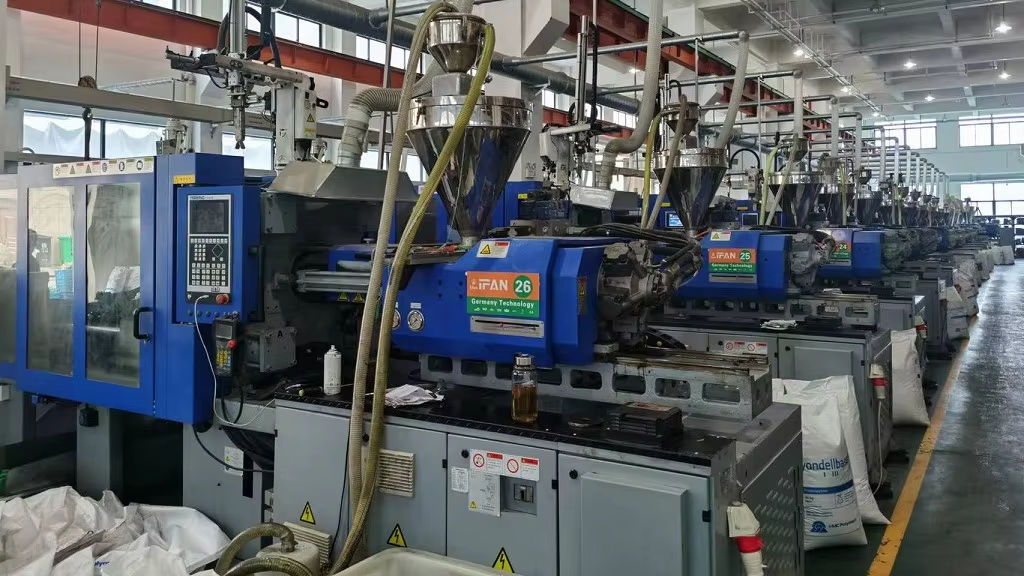
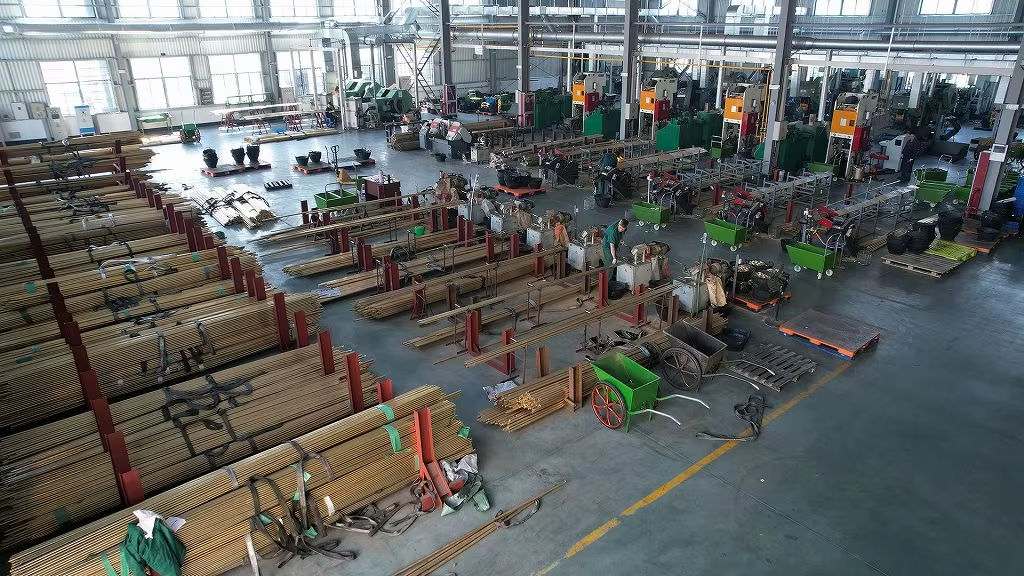
Discover how modern dome valves resolve the mechanical limitations of traditional sliding gate and butterfly valves in dry bulk handling.
In modern industrial process systems, pneumatic conveying of dry bulk materials—such as fly ash, cement, metal powders, and abrasive chemicals—imposes severe physical stress on pipeline isolation points. Traditional butterfly, gate, and standard ball valves suffer from rapid seat degradation when particles lodge between the sealing elements. The result is chronic pressure loss, system downtime, and expensive replacement cycles.
The Dome Valve solves these issues through a unique operating principle. Featuring a hemispherical dome that rotates 90 degrees, it clears the material flow path completely when open. During closing, the dome rotates to block the flow of material without touching the seal. Once fully closed, a specialized elastomer seal inflates against the dome using compressed air. This creates a bubble-tight pressure barrier capable of sealing against differential pressures up to 7 bar (or more, depending on configuration), even when particles are caught in the sealing zone.
Unlike mechanical contact seals, the inflatable elastomer seat expands to engulf particles under pressure, virtually eliminating wear during the opening and closing cycles.
Equipped with hard-faced domes (such as Tungsten Carbide or Chrome Carbide overlays), these valves withstand continuous abrasion from fly ash, silica sand, and abrasive minerals.
When open, the dome retracts fully out of the flow path. This prevents material accumulation, optimizes throughput, and reduces systemic pressure drops across the pipeline.
A Professional Engineering Framework for Procurement Managers
Procuring industrial control valves and dome valves for heavy-duty process environments requires a meticulous analysis of chemical, physical, and environmental parameters. Engineers must specify materials that match their bulk materials' abrasion indices, processing temperatures, and corrosive elements.
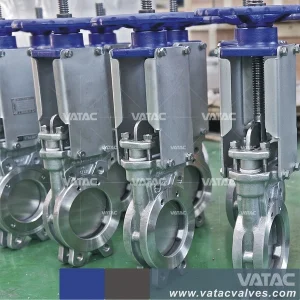
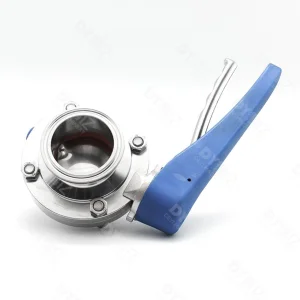
At Zhejiang Maria Valve Co., Ltd., we support global procurement managers by providing comprehensive data compliance reports, material trace sheets (MTRs), and pressure testing logs. Whether you are sourcing corrosion-resistant Tri-Clamp ball valves, slurry knife gate valves, or high-pressure cryogenic valves, we guarantee compatibility with modern industrial frameworks.
Maximizing operational uptime while minimizing maintenance overhead across critical process pipelines.
We continuously upgrade valve geometries, CFD flow dynamics, and material science to meet evolving, complex industry demands.
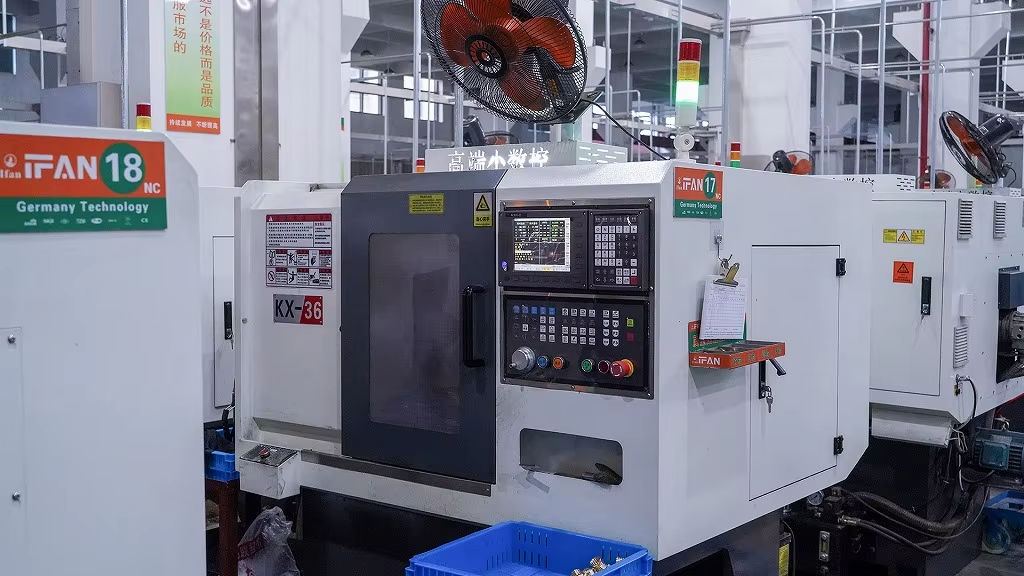
Through CNC machining automation and lean operations, we optimize production costs while improving physical valve dimensional tolerances.
Every single valve undergoes testing for dimensional accuracy, chemical material analysis, and pressure decay prior to leaving our assembly lines.
A combination of industrial capability, material compliance, and comprehensive customer integration.
We serve customers in multiple countries with an agile, reliable, and compliant supply chain that streamlines international logistics.
Our engineering team performs continuous R&D, evaluating finite element analysis (FEA) and physical wear modeling to build elite flow structures.
We mandate strict, verifiable manufacturing controls and non-destructive testing (NDT) to prevent failure points under critical loads.
We provide comprehensive engineering support, from calculating valve sizing and actuator torques to managing post-delivery installation.
Smart Valve Instrumentation, IoT Integration & Wear Prediction
The transition toward Industry 4.0 demands that flow control hardware evolves beyond mechanical function. In high-frequency bulk materials conveying, a failing seal or worn-out dome can disrupt entire processing chains. To combat this, Zhejiang Maria Valve is integrating smart sensors directly into inflatable seals and valve actuators.
By capturing real-time inflation pressure profiles, dynamic solenoid response rates, and rotational torque feedback, our upcoming smart valves will communicate directly with centralized SCADA systems. This lets maintenance departments schedule interventions before an actual structural leak occurs.
Our commitment extends to green hydrogen, cryogenic applications, and carbon capture infrastructure. As new chemical formulations emerge globally, our R&D keeps pace, ensuring our sealing materials maintain structural integrity in corrosive gas environments and extreme temperatures.
In-depth technical answers addressing common engineering queries regarding valve applications, selection, and maintenance.
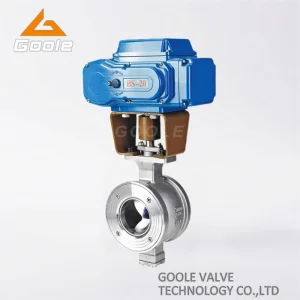
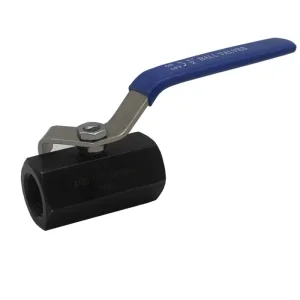
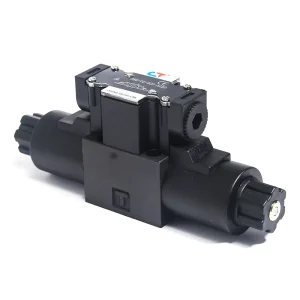
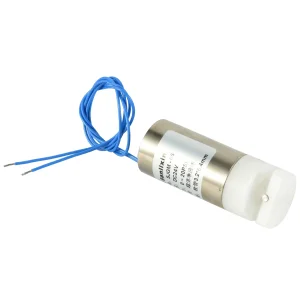
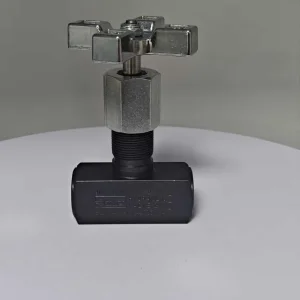
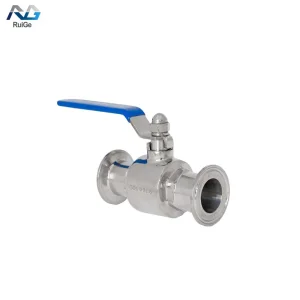
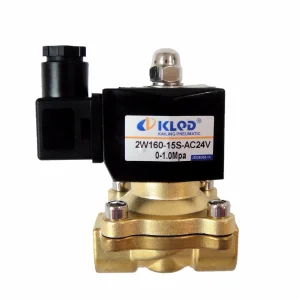
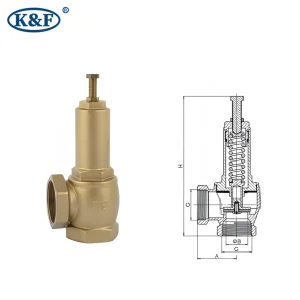
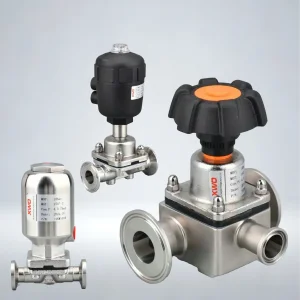
A diverse catalog of control valves, solenoid units, and sanitary line elements engineered for process precision.
 Maria Valve