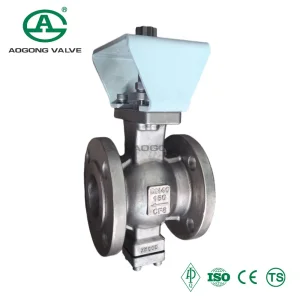
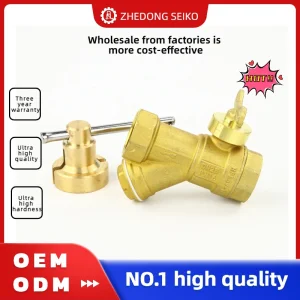
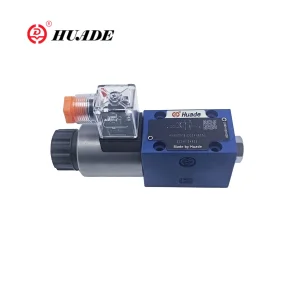
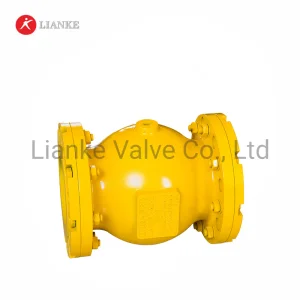
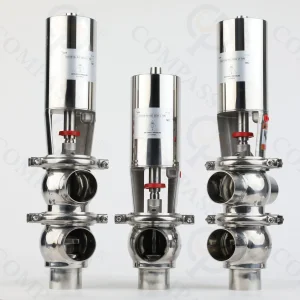
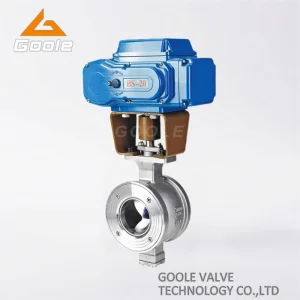
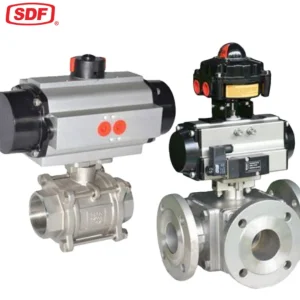
The global industrial valve market is undergoing a seismic shift, with 3-way ball valves emerging as the cornerstone of complex flow management. Unlike standard on/off isolation valves, 3-way ball valves provide critical diversion, mixing, and bypass capabilities in petrochemical, pharmaceutical, and water treatment plants. As a top-tier Chinese supplier, Zhejiang Maria Valve Co., Ltd. recognizes that "Information Gain" is vital for our partners. It is no longer just about buying a valve; it is about sourcing an engineering solution that integrates into automated process control architectures.
Today, the industry is moving away from generic hardware towards high-specification, application-specific valves. Whether it's L-port configurations for simple diversion or T-port designs for complex mixing, modern industrial requirements demand materials that resist aggressive chemicals and extreme temperatures—such as 316L Stainless Steel or duplex alloys.
Zhejiang Maria Valve Co., Ltd. has pivoted towards "Intelligent Valve Technology." Our technical roadmap focuses on three key pillars:
Since its establishment, Zhejiang Maria Valve Co., Ltd. has specialized in manufacturing a wide range of industrial valves, serving key sectors such as petroleum, steel, power generation, chemical, and water treatment. Leveraging years of experience and advanced engineering technology, we have consistently delivered high-quality, reliable valves to clients worldwide.
Founded with a commitment to innovation and excellence, our company has become a trusted supplier for global process control solutions. Since 2003, we have been dedicated to the development, design, and production of high-performance valves for pipeline and instrumentation control systems. We focus on combining cutting-edge technology with practical engineering solutions to ensure efficiency, safety, and long-term reliability.
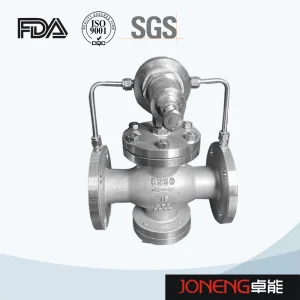
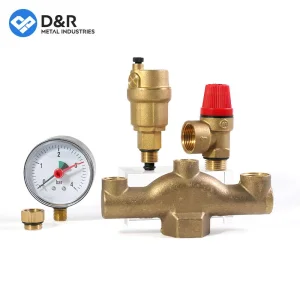
Our valves are not merely components; they are critical system nodes. In the Mining Industry, our corrosion-resistant pinch valves handle slurry with minimal wear. In Chemical Plants, our 3-way ball valves ensure precise dosing and mixing. In HVAC/Boiler systems, our safety and pressure relief valves guarantee operational continuity and safety. By optimizing production processes, we reduce costs for our global partners while maintaining the rigorous standards of ISO and API certifications.
A: L-port valves are primarily used for diverting flow between two separate outlets (90-degree turn). T-port valves are more versatile, allowing for mixing or combining flows from two inlets to one outlet, or vice versa. The choice depends entirely on your process flow schematic.
A: Chinese manufacturing, particularly at Zhejiang Maria Valve, has evolved. We integrate advanced CNC machining, rigorous quality assurance (QA), and rapid R&D iteration. We offer the best value-to-performance ratio in the global market, backed by international certifications.
A: Our quality assurance process is multi-tiered: incoming material testing (spectrographic analysis), precision CNC machining, hydrostatic/pneumatic testing, and final packaging inspection. Every valve undergoes pressure testing to ensure zero-leakage performance before shipment.
 Maria Valve