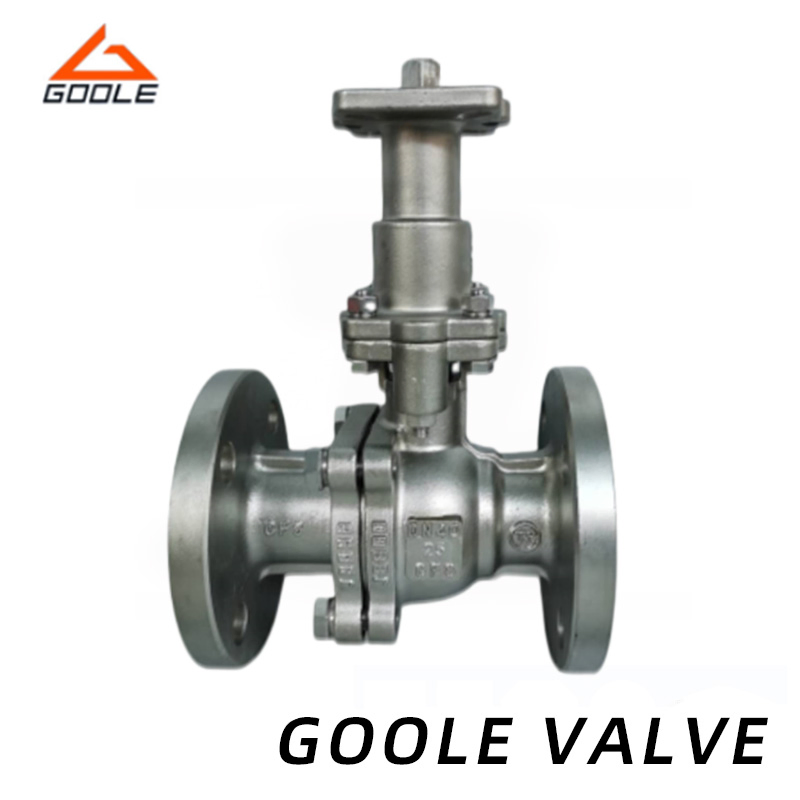
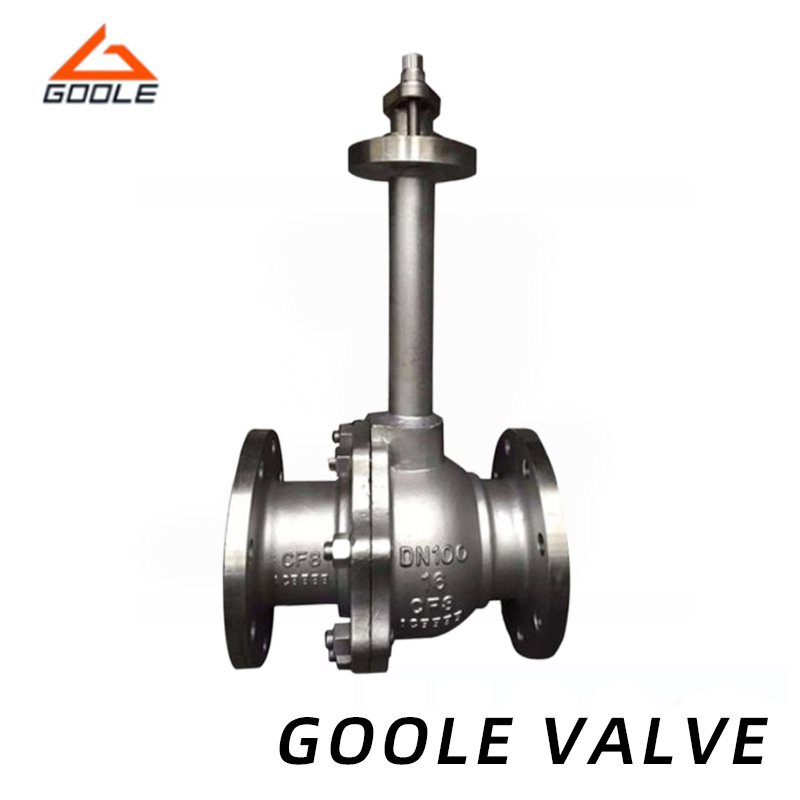
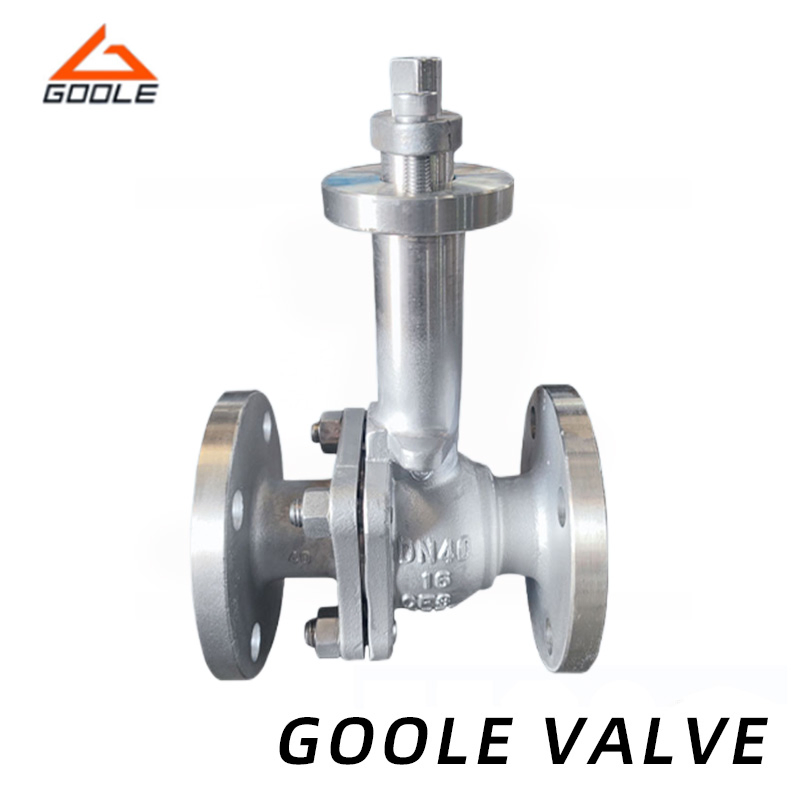
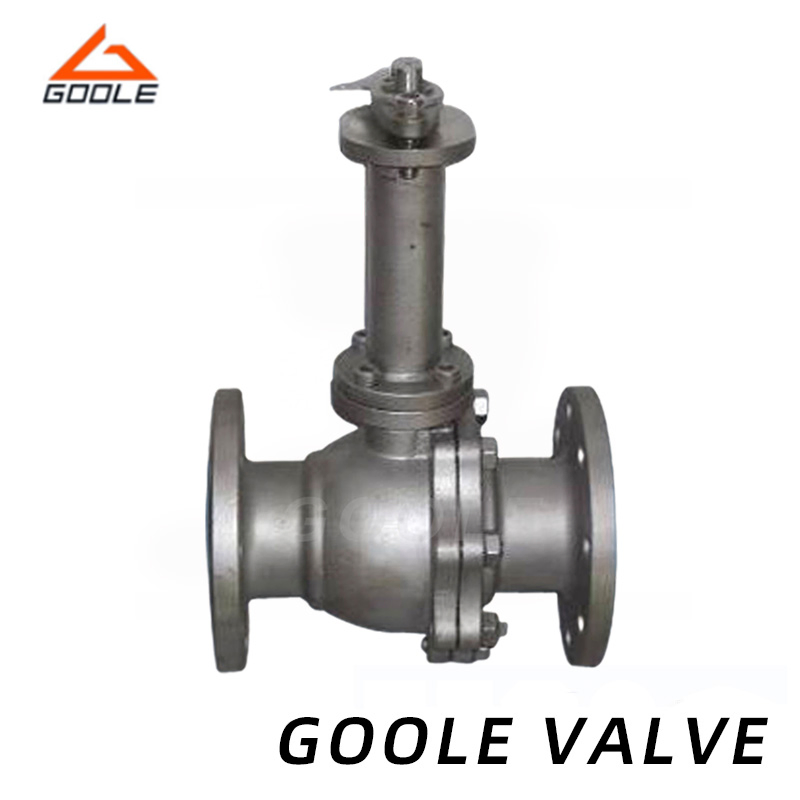
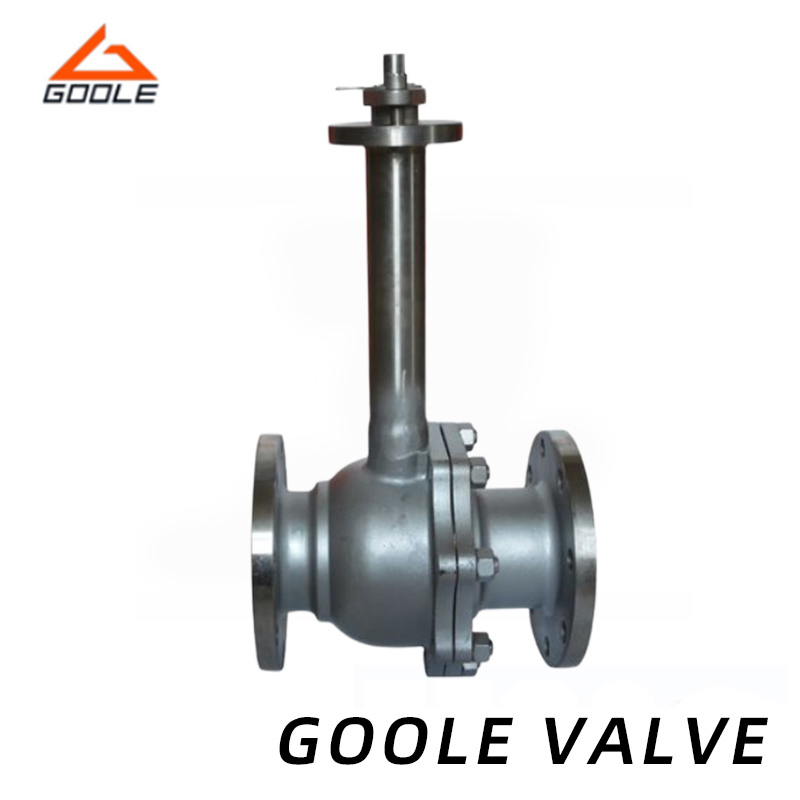
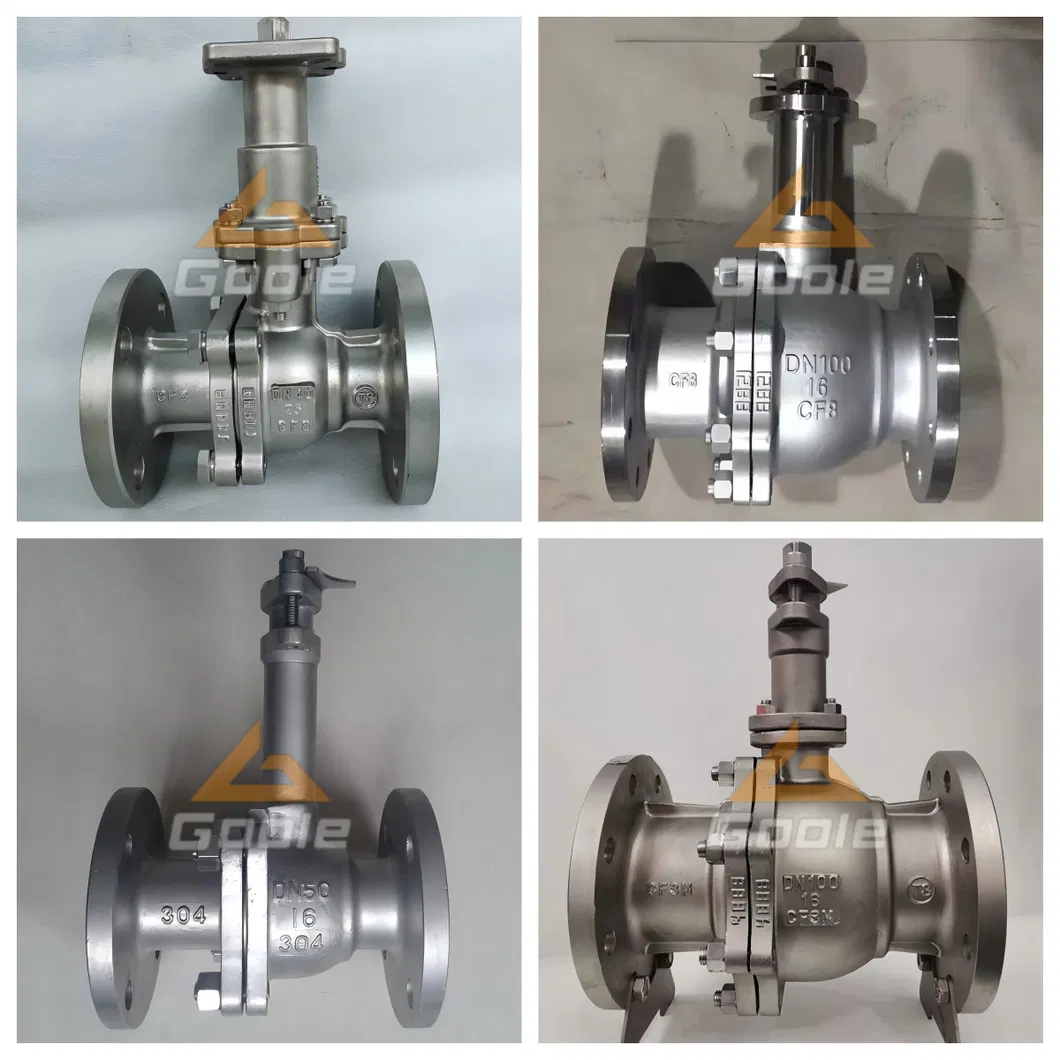
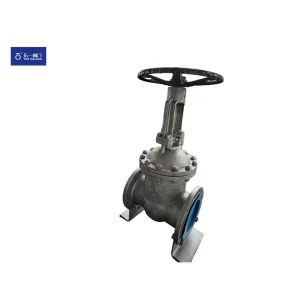
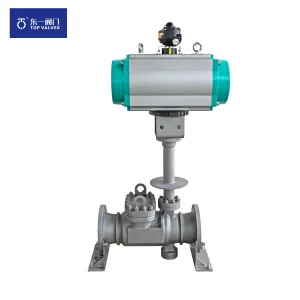
Cast Steel Flanged Extended Stem Cryogenic Ball Valve (GADQ41F)
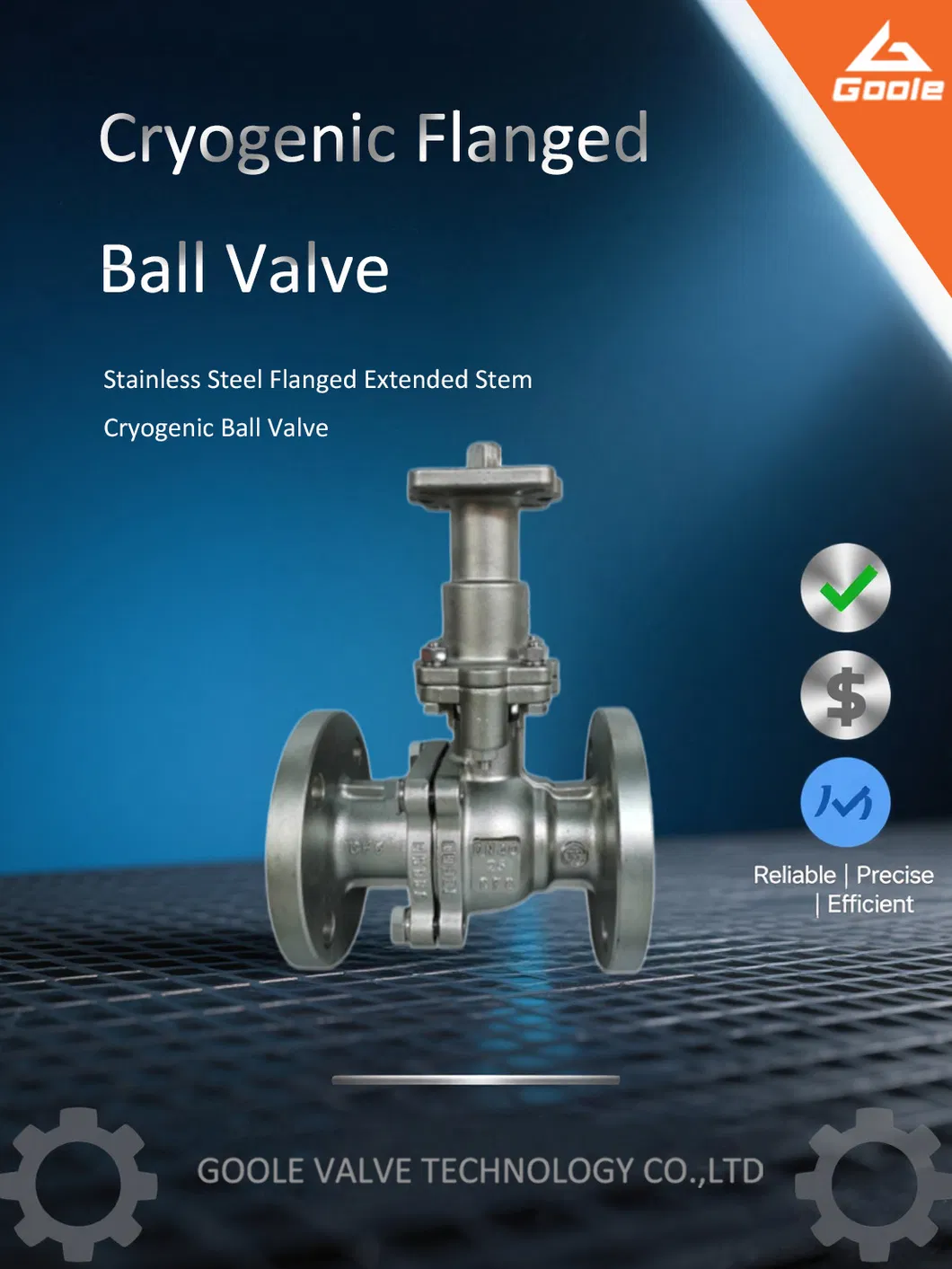
Customization: Available
Material: Carbon Steel, Stainless Steel
Connection Form: RF

Product Description

📊 Basic Information
Model NO.
GADQ41F
Driving Mode
Manual
Nominal Pressure
ANSI CLASS 150-900
Channel
Straight Through Type
Structure
Floating Ball Valve
Type
Floating Ball Valve
Function
Blow-Down Valve
Temperature
Low Temperature
Application
Industrial Usage
Body Design
2 PCS Side Entry Design
Design Pressure
Class 150lb-900lb
Bore Type
Reduced Bore/ Full Bore
Sealing Material
Rtfe/Nylon/Peek
Bonnet Design
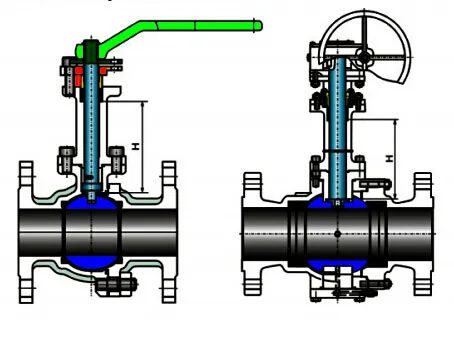
Extended Bonnet/Stem
Transport Package
Plywood Case
HS Code
8481804090
📝 Product Description

Cast Steel Flanged Extended Stem Cryogenic Ball Valve (GADQ41F)

Cryogenic Ball Valve

Flange connection Cryogenic ball valve is used for low temperature working condition, especially for hazard media, such as liquidized natural gas. Applied to LNG plant, LNG receiving station, LNG gasification station and LNG carrier and ship.

⚙️ Specification

Cryogenic ball valve technology standard

  • Design standard: 6D , ASME B16.34
  • Structural length: 6D, ASME B16.10
  • Test & inspection : 6D, 598
  • Pressure and temperature: ASME B16.34
  • Flange ends: ASME B 16.5 , JB/T 79
  • The size of valve connecting flange can be designed according to customer's requirement.
Product Features
  • An extended bonnet to the valve can make the packing gland in the valve and the actuator further away from the cold process so the valve can open and close properly, protect it from freeze-damage caused by low temperature fluid.
  • Low operating torque for smoother operations.
  • Excellent seat and seal design minimizes leakage.
  • Fire-safe design.
  • Rigid body construction minimizes thermal shrinkage.
  • By adopting different materials, the cryogenic ball valve is applicable to different working temperature and medium. The minimum temperature for the ball valve is -196ºC.
🚀 Our Advantages
  • The fluid resistance is small, its resistance coefficient with section of equal length.
  • Simple structure, small volume, light weight.
  • Compact and reliable, widespread use of plastic ball valve sealing surface materials, good sealing, widely used in vacuum systems.
  • Easy to operate, open and close quickly.
  • Easy maintenance, sealing ring replacement is more convenient.
  • In fully open or closed state, ball and seat sealing surfaces are isolated from medium, preventing erosion.
  • Applicable scope is wide, from small to large sizes, and from high vacuum to high pressure.
🔍 Product Details

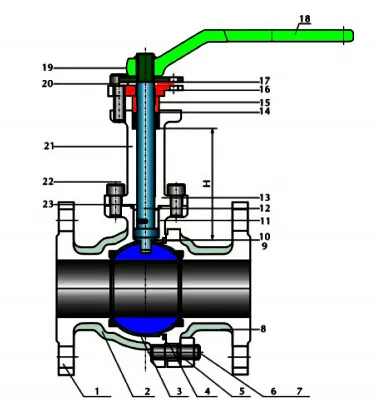
Main Parts and Materials

Valve Details
No Part Name Materials (-46°C~-101°C~-196°C)
1Left BodyA352-LCB,LCC,LC3,A351-CF8,A351-CF8M
2SeatPTFE,RPTFE,PEEK,PPL,POM,KARBATE,NYLON
3BallA182-F304,F316
4O-ringPTFE
5GasketFlexible graphite+304/316, PTFE
12StemFlexible graphite,PTFE
21Extended bonnetA352-LCB,LCC,LC3,A351-CF8,CF8M
📏 External Dimensions
Dimensions

Class 150 Dimensions (mm)

Size (inch)1/23/4123468
L-RF108117127178203229394457
WT (Kg)34512264380155
📋 Main Parameters
Nominal diameterDN15 - DN250
Nominal pressure150LB - 300LB
Working temperature-196 to +29ºC
Driving meansHandle, Electric actuator
MaterialStainless steel, Forged Steel, LCC/LCB, CF8/CFM8
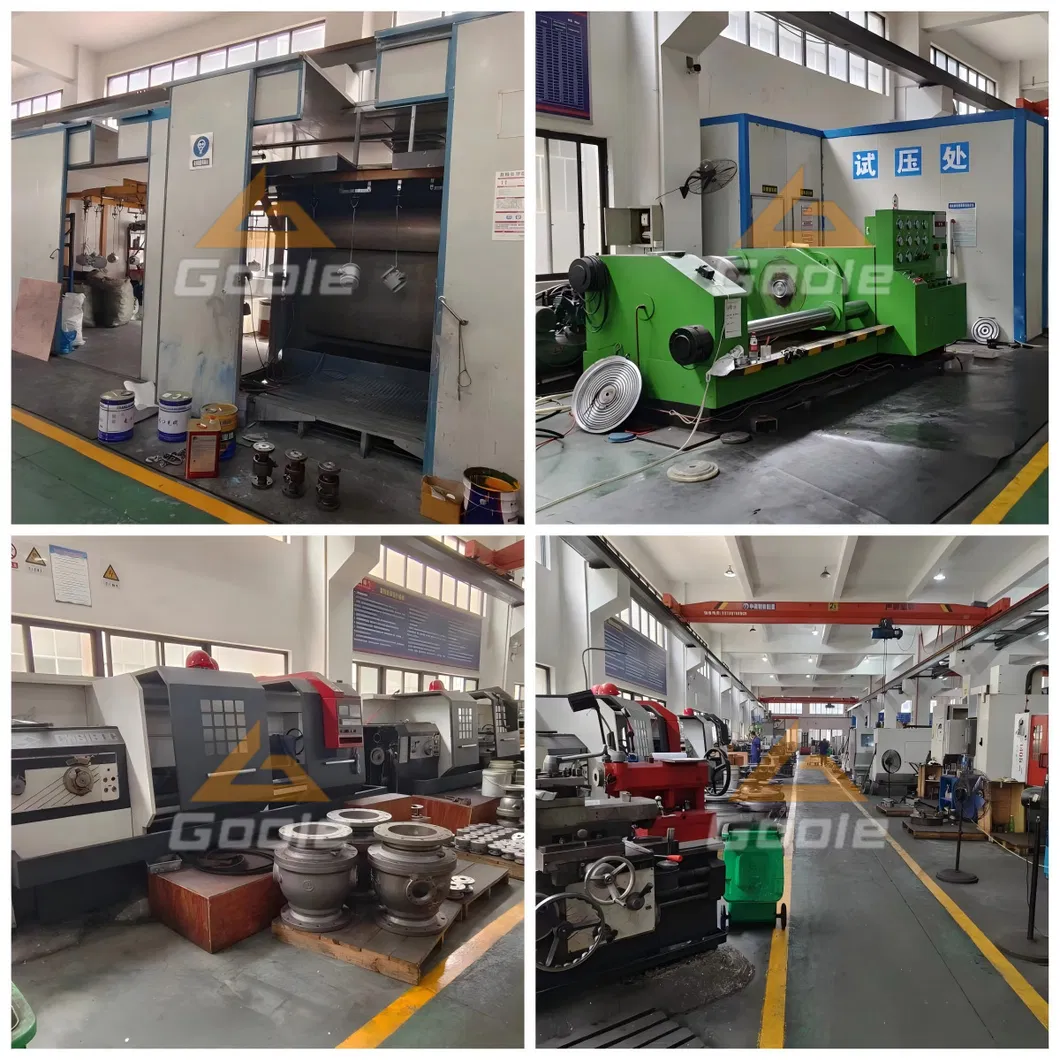
🏭 Factory & Product Gallery
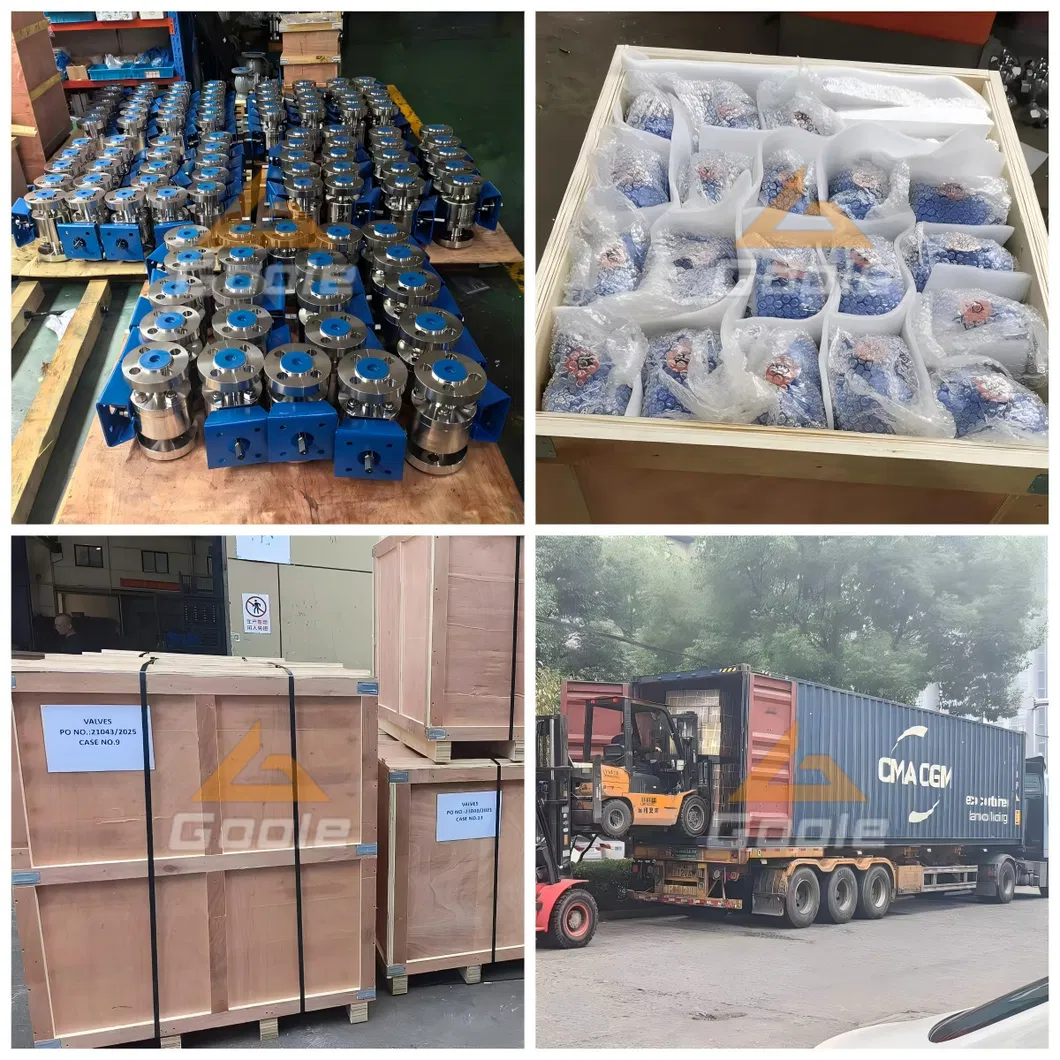
View of the factory Product Photo Packaging & Shipping
Frequently Asked Questions
1. What are the primary applications for cryogenic ball valves? They are primarily used in low-temperature environments, specifically for handling hazardous media like Liquefied Natural Gas (LNG) in plants, receiving stations, and carriers.
2. Why is an extended bonnet/stem necessary for these valves? The extended stem keeps the packing gland and actuator away from the extreme cold, preventing freeze-damage and ensuring the valve can operate smoothly.
3. What is the minimum operating temperature? By using specialized materials, these valves can operate at temperatures as low as -196ºC.
4. Are these valves fire-safe? Yes, our cryogenic ball valves are designed with fire-safe features to ensure safety in critical industrial applications.
5. Which standards do these valves comply with? They are designed and tested according to standards such as API 6D, ASME B16.34, and ASME B16.10.
6. What materials are used for the valve body and seals? Body materials include LCB, LCC, and Stainless Steel (CF8/CF8M), while seals are typically made of PTFE, RPTFE, PEEK, or Nylon depending on the temperature requirements.

Related Products