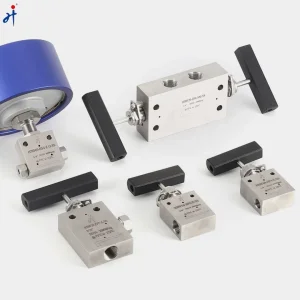
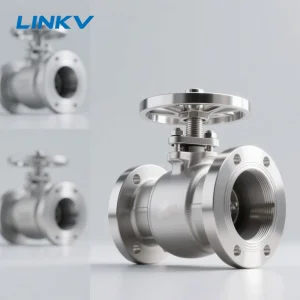
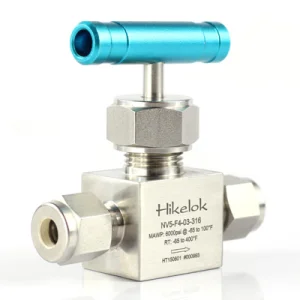
Explore our top-performing pipeline safety components engineered to support hazardous media flow controls, high-pressure needle seals, and cryo-fluids.
Engineered process safety and fluid dynamics optimization since 2003.
Since its establishment, Zhejiang Maria Valve Co., Ltd. has specialized in manufacturing a wide range of industrial valves, serving key sectors such as petroleum, steel, power generation, chemical, and water treatment. Leveraging years of experience and advanced engineering technology, we have consistently delivered high-quality, reliable valves to clients worldwide. Founded with a commitment to innovation and excellence, Zhejiang Maria Valve has become a trusted supplier for global process control solutions, offering products that meet rigorous international standards.
Zhejiang Maria Valve Co., Ltd. provides a comprehensive range of valves, including control valves, ball valves, butterfly valves, gate valves, and custom-designed specialty valves for industrial applications. As one of the pioneers in China’s valve manufacturing industry, we have contributed to advancing control valve technology and elevating product standards across the market.
Since 2003, our company has been dedicated to the development, design, and production of high-performance valves for pipeline and instrumentation control systems in process plants. We focus on combining cutting-edge technology with practical engineering solutions to ensure efficiency, safety, and long-term reliability.
At Zhejiang Maria Valve, we continuously strive to:
With a strong foundation in technology, engineering expertise, and global market experience, Zhejiang Maria Valve is a dynamic, innovative, and customer-focused company. We are committed to helping our clients maintain operational excellence and a competitive edge in global markets.
Global Reach: Serving customers in multiple countries with a reliable supply chain.
Innovation Leadership: Continuous R&D to develop advanced valve solutions.
Quality Assurance: Stringent manufacturing and testing processes to ensure performance.
Customer Success: Dedicated support to meet the unique needs of each client.
Why material compatibility, strict cleaning validation, and adiabatic compression prevention dictate oxygen design rules.
Oxygen is not flammable itself, but it actively and violently supports combustion. Materials that are virtually fireproof in normal atmosphere can burn aggressively when exposed to pressurized, high-concentration gaseous oxygen (GOX) or liquid oxygen (LOX). This chemical reality makes oxygen valve engineering one of the most demanding sub-disciplines in industrial fluid flow control.
An oxygen valve failure is rarely a simple leak; it often results in a rapid ignition event, sometimes leading to violent explosions due to localized heat generation. Three primary ignition mechanics govern safety design here:
Even a tiny fingerprint oil residue, thread sealant smear, or microscopic hydrocarbon deposit can trigger a catastrophic ignition event. At Zhejiang Maria Valve, all valves intended for oxygen services undergo specialized degreasing. This process aligns with ASTM G93 (Standard Practice for Cleaning Methods and Cleanliness Levels for Material and Equipment Used in Oxygen-Enriched Environments) and ISO 15001 standards.
Our validation protocol involves solvent-based degreasing, ultrasonic bath treatments, and inspection using high-intensity ultraviolet (UV) blacklight detection. We verify that remaining total organic carbon (TOC) levels do not exceed 100 mg/m², ensuring the system remains clean and safe for deployment.
Selecting suitable metallurgy and soft seal compounds is vital. Below are the core materials engineered to resist combustion under thermal stress:
Nickel-copper alloys that exhibit outstanding resistance to oxygen ignition. Monel does not promote combustion easily, making it the preferred standard for valve stems, trims, and critical velocity zones.
Known for their high thermal conductivity, copper-based alloys dissipate localized heat quickly, preventing ignition points from developing during adiabatic pressure surges.
High nickel-chromium alloys used in severe-service high-temperature and high-pressure oxygen control loops.
Unlike standard hydrocarbons, these fully fluorinated polymers have high auto-ignition temperatures, making them suitable for valve seats, packaging, and soft inserts.
Scaling high-purity industrial oxygen control systems across metallurgy, chemical processing, and clean energy.
Modern air separation plants liquefy atmospheric air to distill oxygen, nitrogen, and argon at ultra-low cryogenic temperatures. Our PCTFE-lined low-temperature ball valves and high-pressure cryogenic stop valves are specifically engineered to perform at temperatures down to -196°C.
In these environments, thermal contraction can lead to structural binding or joint leaks. Our cryogenic extension bonnets keep the stem packing at ambient temperature, preventing freeze-up and ensuring tight bubble shutoff.
In metallurgy, steel production requires high-velocity oxygen lances to burn off impurities in molten iron. Standard valves cannot survive the high cycle rates, pressure drops, and heat radiated by BOF operations.
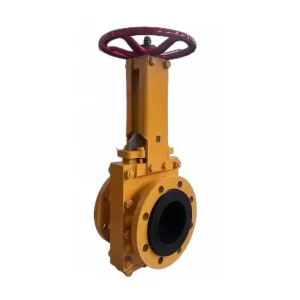
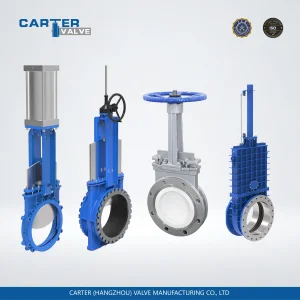
Our rugged pneumatic-actuated knife gate valves and multi-manifold pressure valves are designed for fast cycle speeds, utilizing abrasion-resistant hard facing to withstand system particulate carrying.
Healthcare settings require high reliability and purity. In clinical environments, medical oxygen must be free of trace organic impurities and volatile compounds. Our stainless steel sanitary needle, pinch, and diaphragm valves prevent contamination.
Every sanitary valve is cleaned, heat-sealed in double-polyethylene bags, and labeled with chemical traceability markers to ensure it arrives at the installation site ready for medical or laboratory gas lines.
Integrated Gasification Combined Cycle (IGCC) power plants, biomass gasifiers, and hydrogen production systems rely on oxygen control loops. Here, temperature and pressure profiles are extreme. We offer metal-to-metal seated ball and control valves with stellite overlays, designed for high-stress service.
Aligning engineering, testing, and production methods with recognized global gas regulatory groups.
Regulates non-volatile residue validation limit thresholds (< 100 mg/m²). This standard ensures no hydrocarbon contamination is left behind that could act as fuel for an oxygen-enriched flash fire.
Defines design parameters for industrial oxygen installations. The European Industrial Gases Association details maximum flow velocity limits, bypass valve guidelines, and material thickness specifications to prevent particle impact ignition.
The Federal Institute for Materials Research and Testing (Germany) validates seal materials (PTFE, PCTFE, elastomers) under thermal and high-pressure oxygen conditions to ensure resistance to combustion.
Beyond material selection, our facility ensures full compliance with international standards, providing EN 10204 3.1 Mill Test Certificates for pressure-containing metallic parts. This certificate tracks each component back to its original heat batch, confirming material integrity.
Additionally, every valve undergoes shell hydrostatic pressure testing and seating pneumatic leakage testing. Clean-room assembly helps eliminate airborne contaminants, ensuring a safe product for high-purity oxygen distribution systems.
Developing the next generation of materials and valve diagnostics for gas processes.
Integrating IoT sensors into critical oxygen pipelines helps monitor parameters like body temperature, seal pressure, and acoustic emissions. By monitoring these metrics in real time, system operators can identify wear patterns or friction increases before an issue occurs.
At Zhejiang Maria Valve, we are actively developing smart positioners and pneumatic modules that interface with industrial control networks. These systems allow operators to safely manage high-pressure oxygen loops remotely.
Traditional polymer seats (PTFE, PCTFE) can experience cold flow deformation over time, particularly under fluctuating temperatures.
Our research focus includes modifying polymer chains with ceramic nanoparticles and micro-glass fibers. This helps increase mechanical stability, reduce wear rates, and maintain the low ignition susceptibility required for severe oxygen-handling processes.
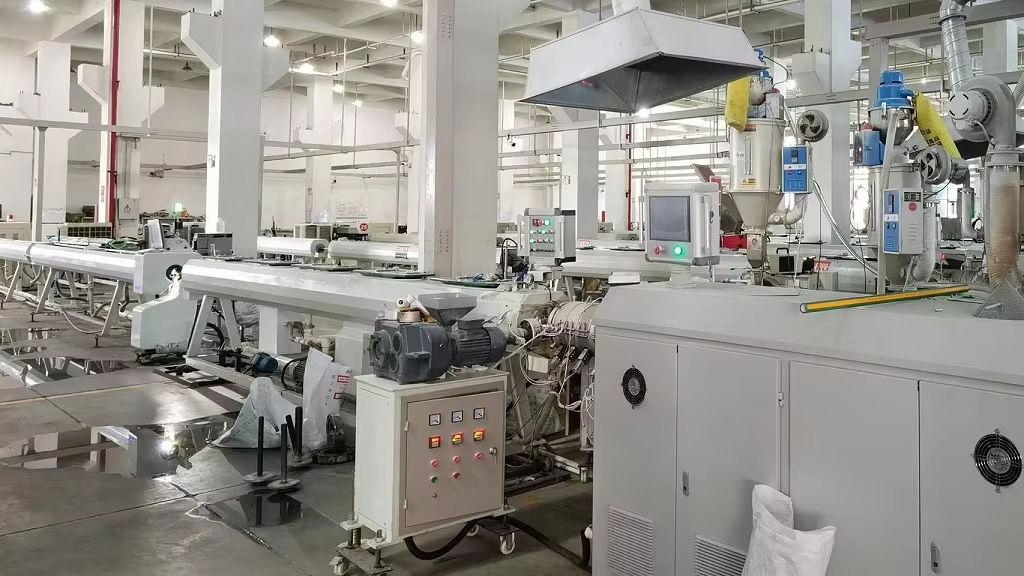
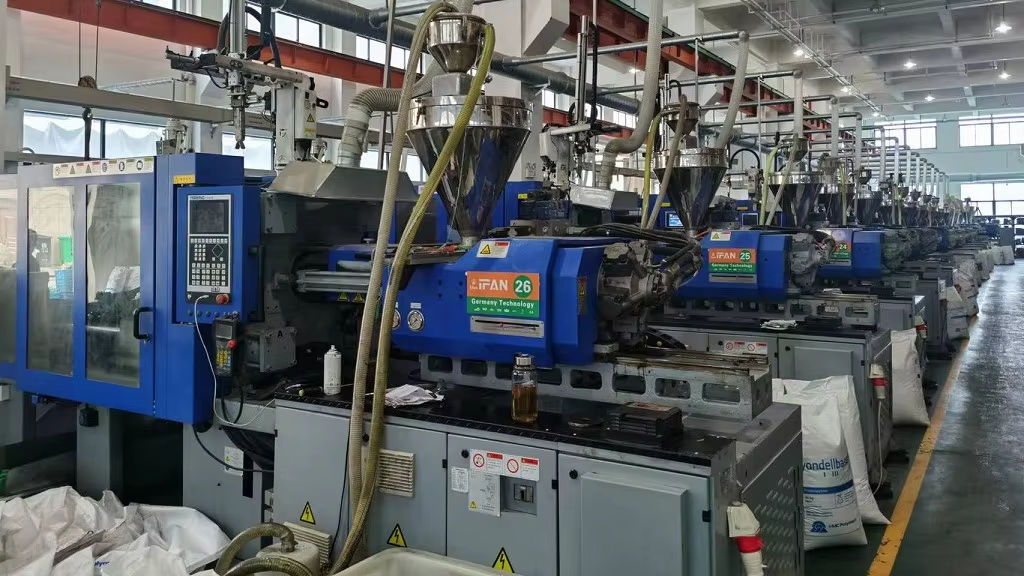
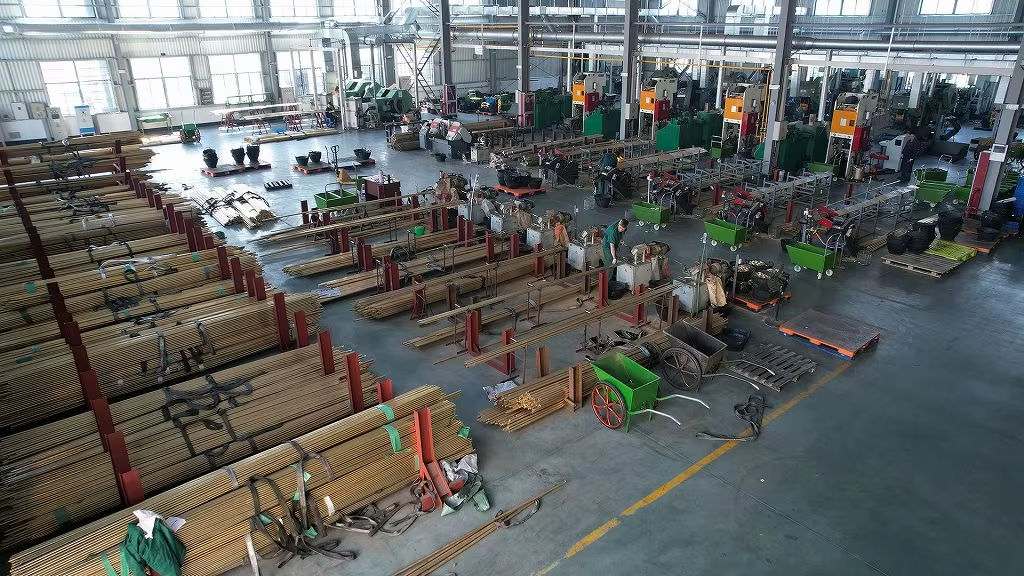
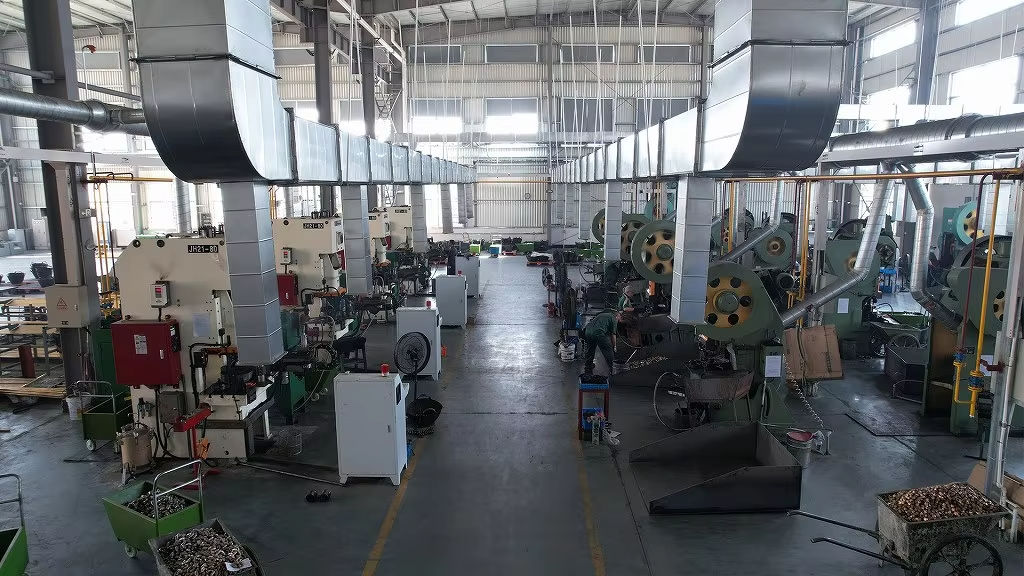
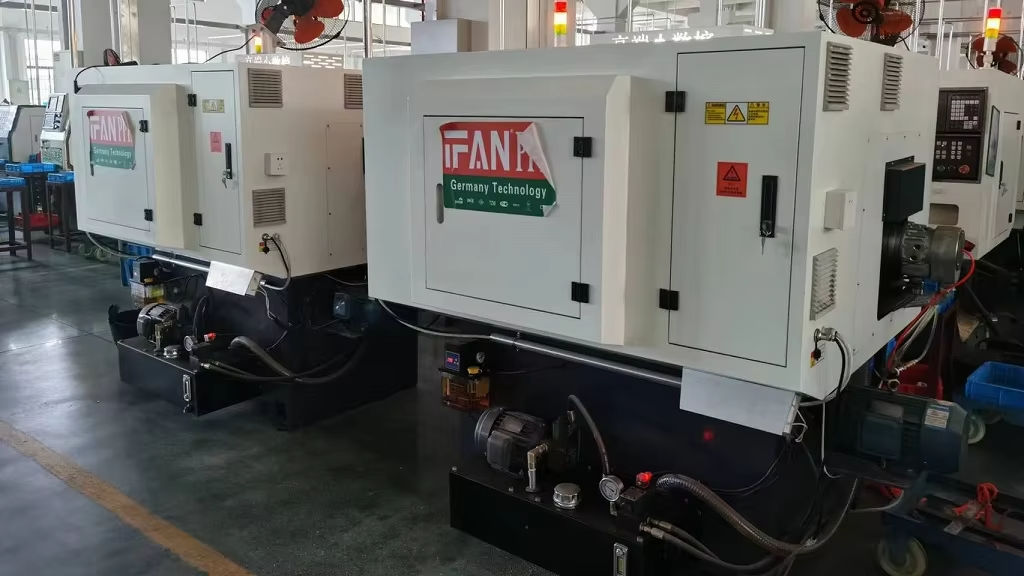
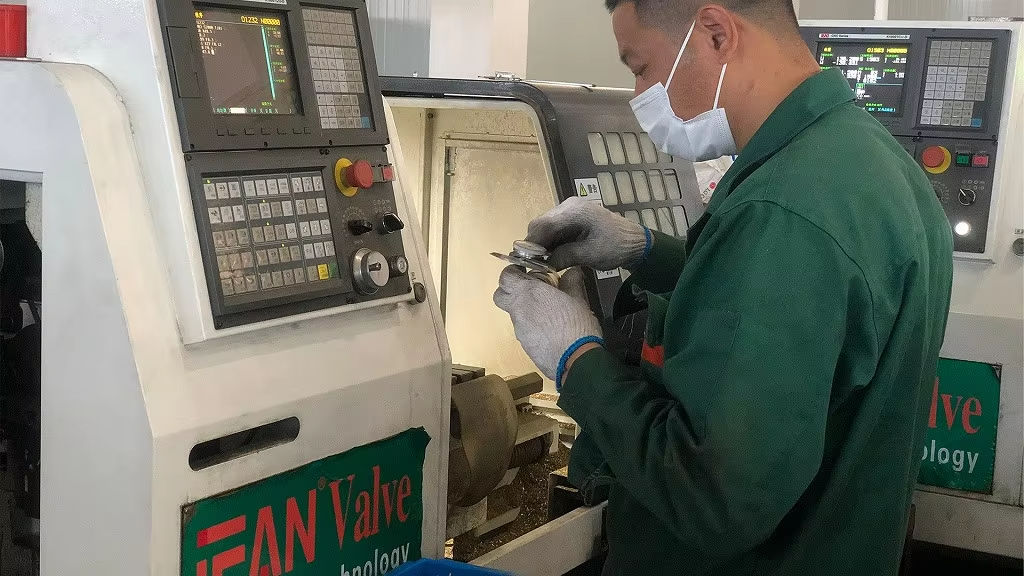
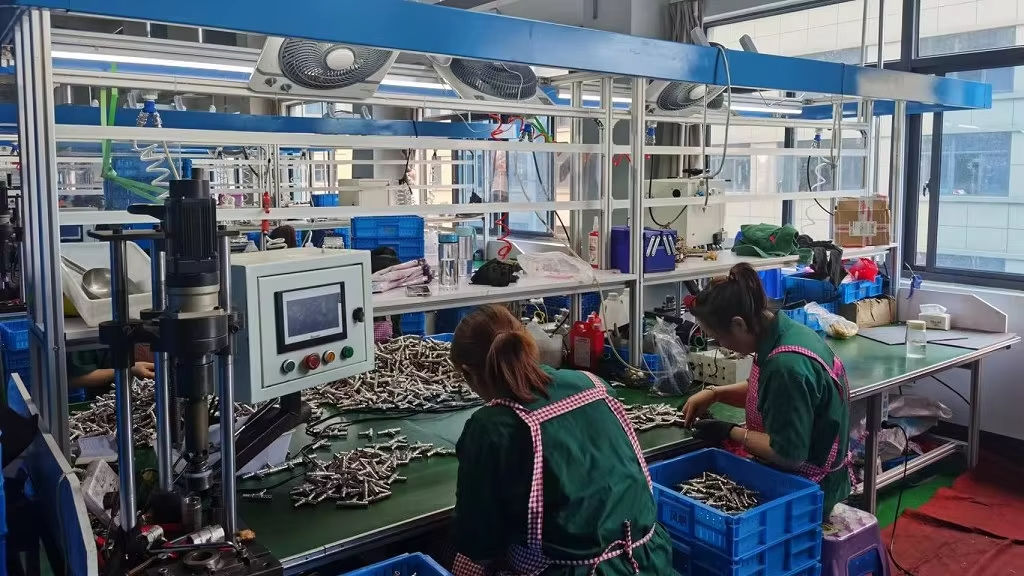
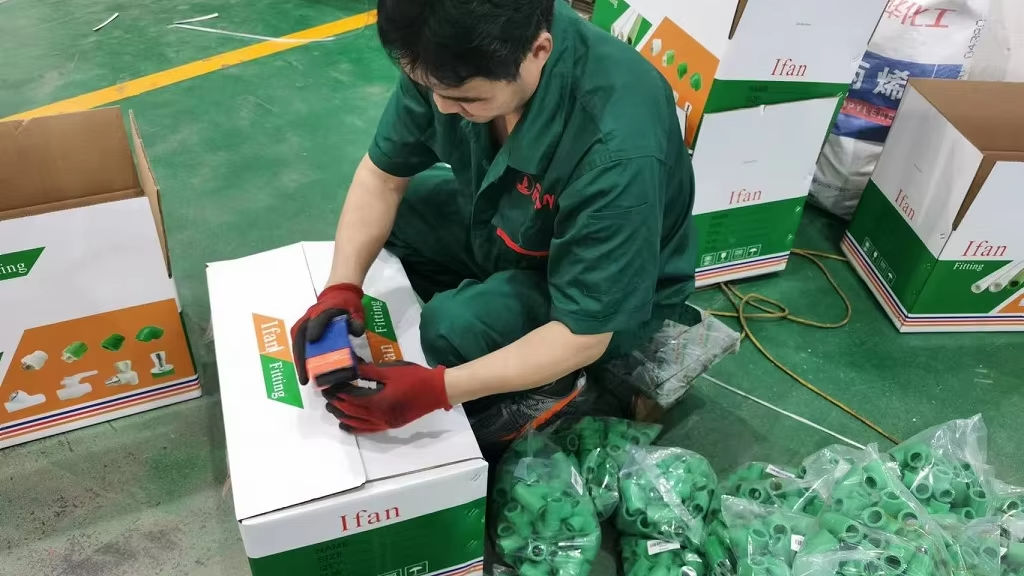
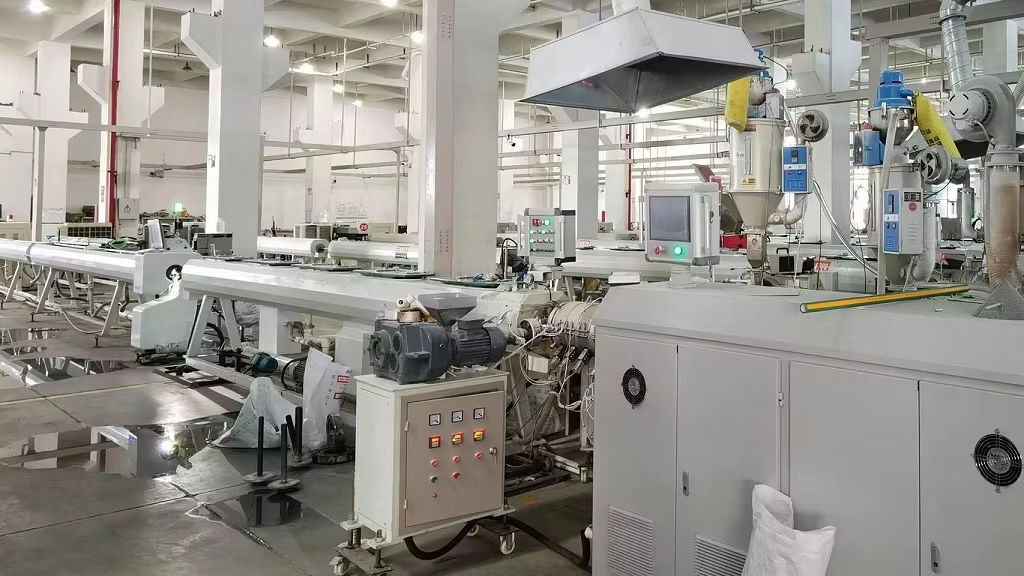
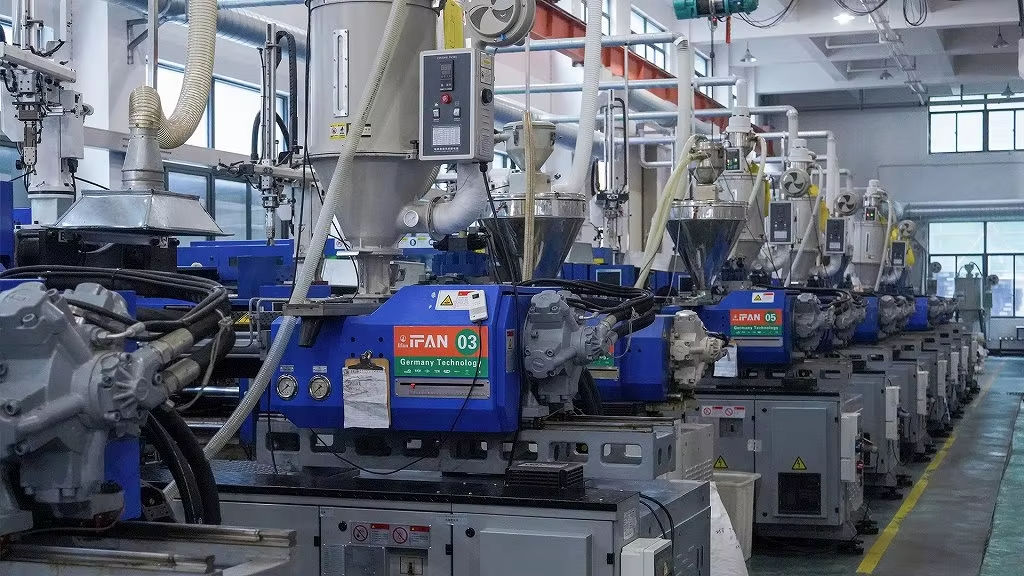
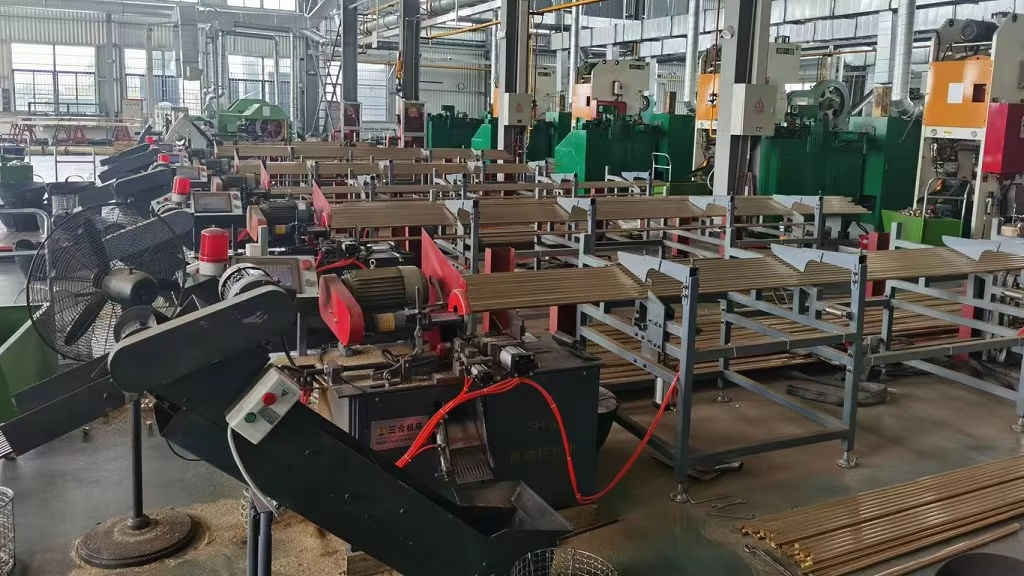
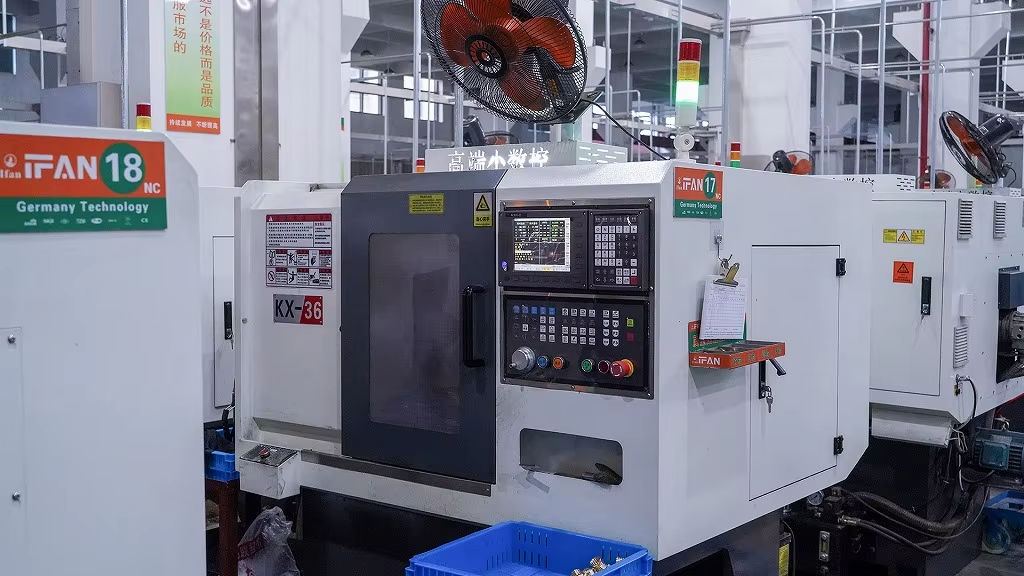
Take a look inside our manufacturing processes, showing how raw materials are transformed into certified industrial control systems.
Answers to safety, compliance, and material selection questions for high-pressure oxygen loops.
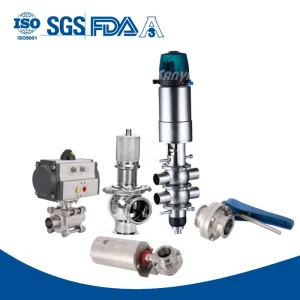
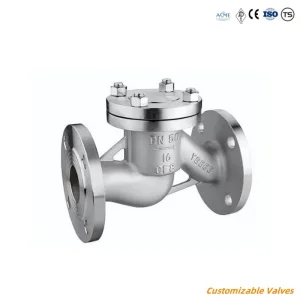
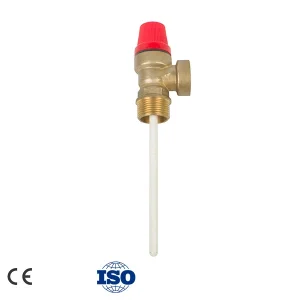
Browse our wider catalog of valves, designed for municipal water treatment, heavy chemical processing, and low-temperature fluid handling.
 Maria Valve