Explore our top-tier CE-certified valve configurations engineered to guarantee process safety under critical fluid pressure, temperature, and environmental constraints.
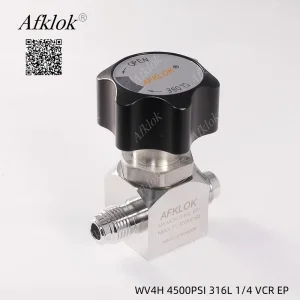
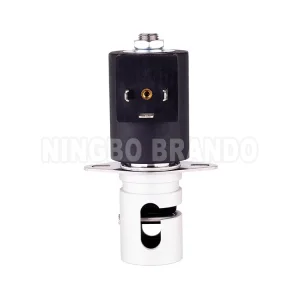
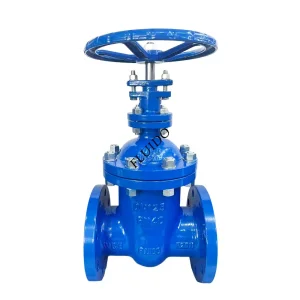
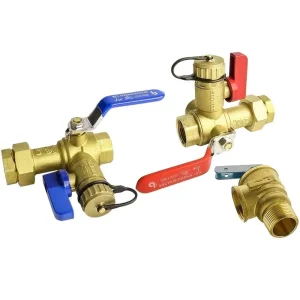
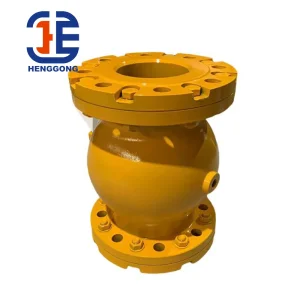
Modern industrial infrastructure is shifting rapidly towards high-temperature, high-pressure, and highly automated fluid networks. Valves act as the primary safety mechanism and flow regulators across processing plants. Globally, the industrial valve market is projected to grow significantly, driven by modernization of thermal and chemical plants, deepwater oil exploration, and rigorous environmental compliance guidelines like the CE PED (Pressure Equipment Directive 2014/68/EU). European and North American projects require strict adherence to international safety metrics. CE certification ensures that a manufacturer's valves have been thoroughly tested for body integrity, seating closure tightness, and mechanical endurance.
1. Fugitive Emissions Control: Global environmental standards demand zero-leakage valves (such as bellows-sealed or double-block-and-bleed systems) to eliminate dangerous volatile organic compound (VOC) emissions.
2. Automation integration: Modern pipelines require pneumatic, electric, and electro-hydraulic actuators with smart positioners to communicate with DCS (Distributed Control Systems) via HART or Profibus protocols.
3. Extreme Environment Resistance: Cryogenic LNG, superheated steam, and abrasive mining slurries require customized alloy selections (Monel, Hastelloy, Duplex SS) and ceramic lining technologies.
B2B procurement executives are no longer looking for commodity suppliers; they seek engineering partners capable of delivering specialized, certified flow control valves that prevent plant downtime and mitigate catastrophic accidents. Safety assurance, structural integrity, and documented material traceability are crucial components of modern valve procurement.
Since its establishment, Zhejiang Maria Valve Co., Ltd. has specialized in manufacturing a wide range of industrial valves, serving key sectors such as petroleum, steel, power generation, chemical, and water treatment. Leveraging years of experience and advanced engineering technology, we have consistently delivered high-quality, reliable valves to clients worldwide.
Founded with a commitment to innovation and excellence, Zhejiang Maria Valve has become a trusted supplier for global process control solutions, offering products that meet rigorous international standards.
Zhejiang Maria Valve Co., Ltd. provides a comprehensive range of valves, including control valves, ball valves, butterfly valves, gate valves, and custom-designed specialty valves for industrial applications. As one of the pioneers in China's valve manufacturing industry, we have contributed to advancing control valve technology and elevating product standards across the market.
Since 2003, our company has been dedicated to the development, design, and production of high-performance valves for pipeline and instrumentation control systems in process plants. We focus on combining cutting-edge technology with practical engineering solutions to ensure efficiency, safety, and long-term reliability.
Our factory utilizes sophisticated CNC tooling, rigorous forging processes, and strict quality control measures to secure precise tolerances and structural reliability.
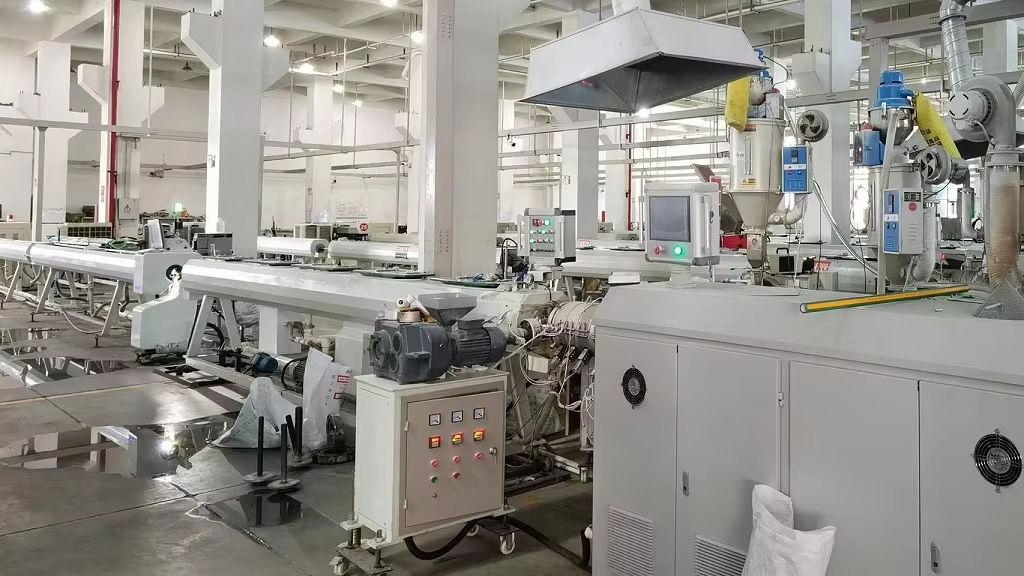
Pipe Is Made
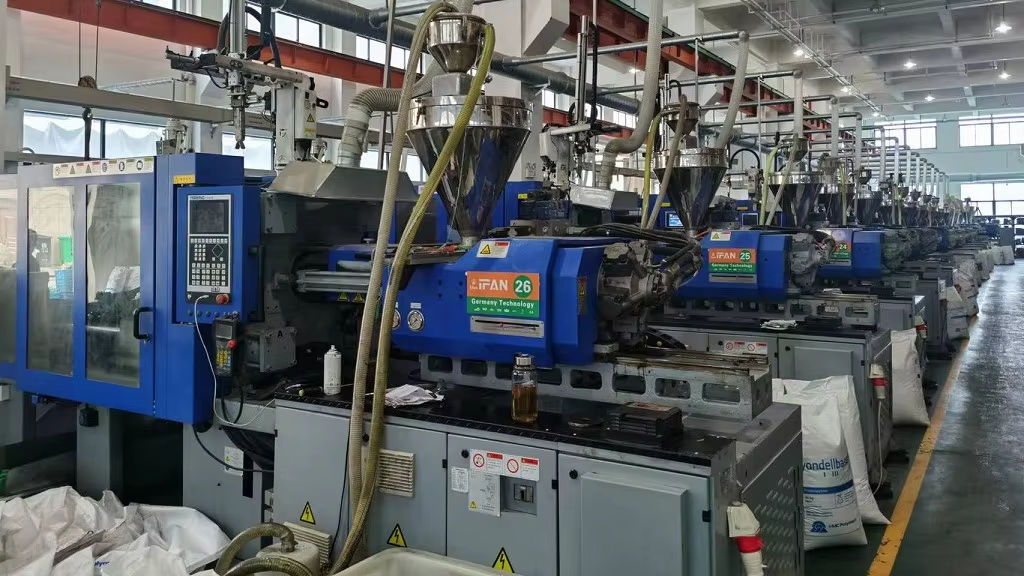
Injection Molding
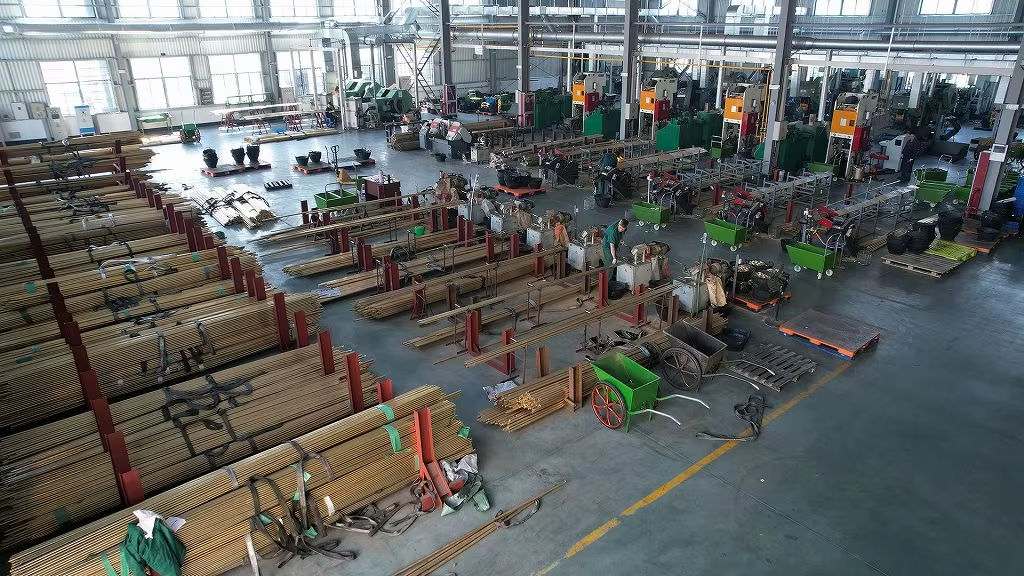
Cutting
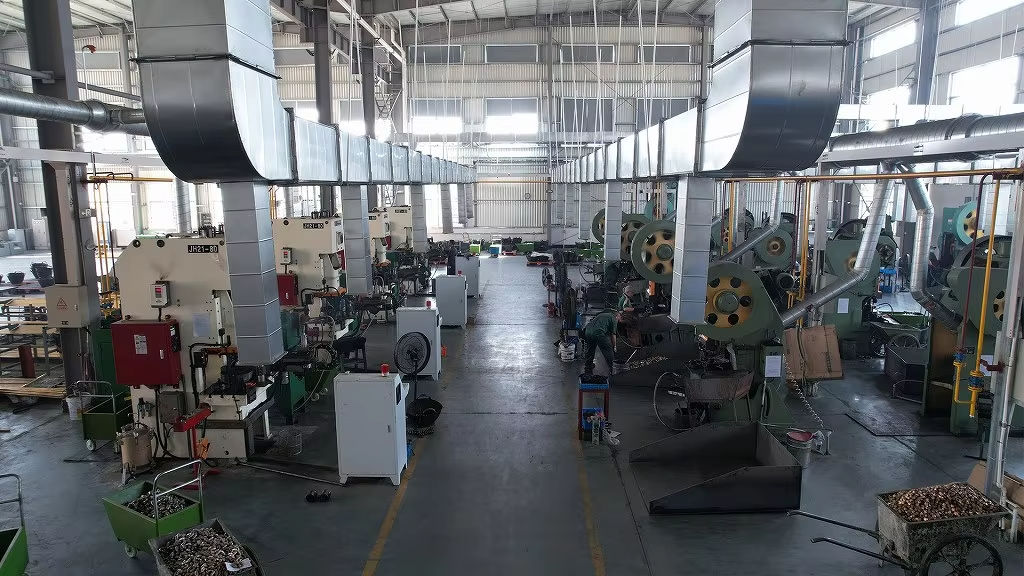
Forging
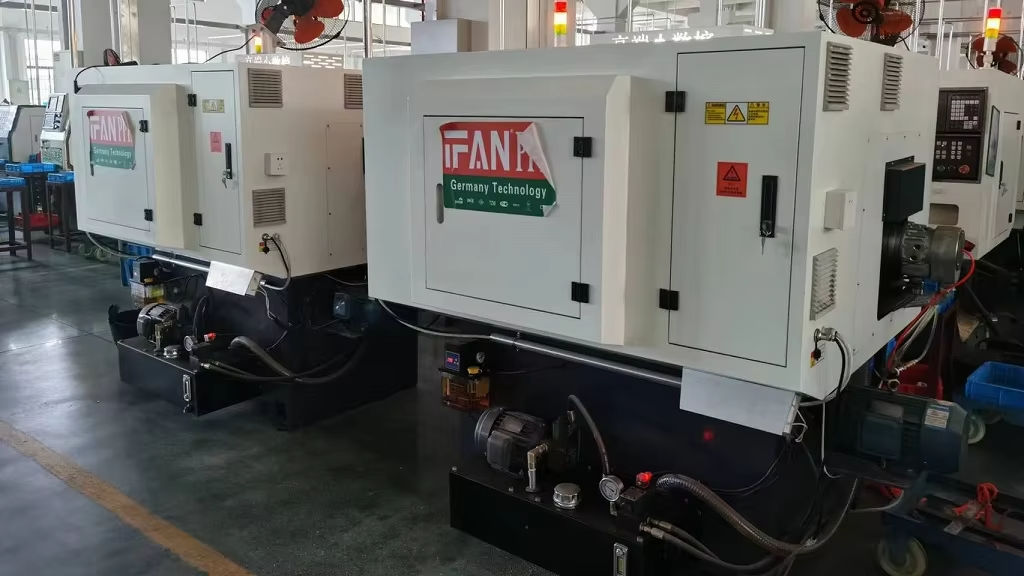
CNC Machining
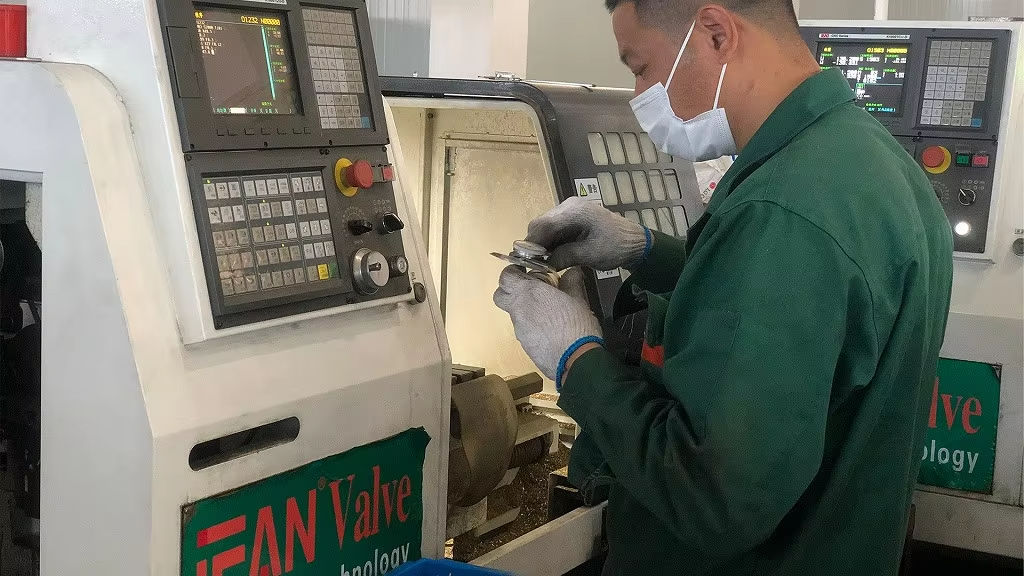
Quality Control & Inspection
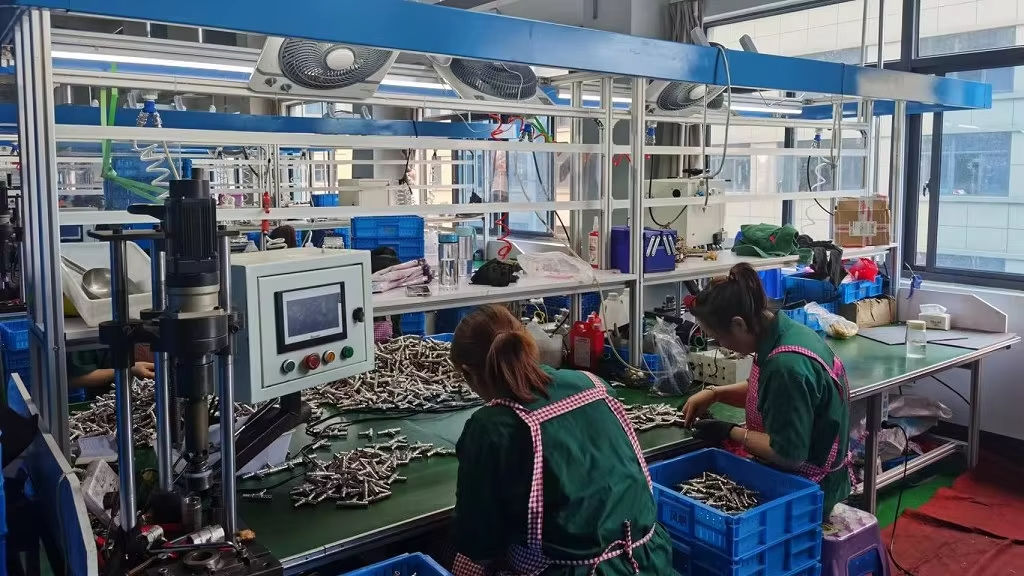
Precision Assembly
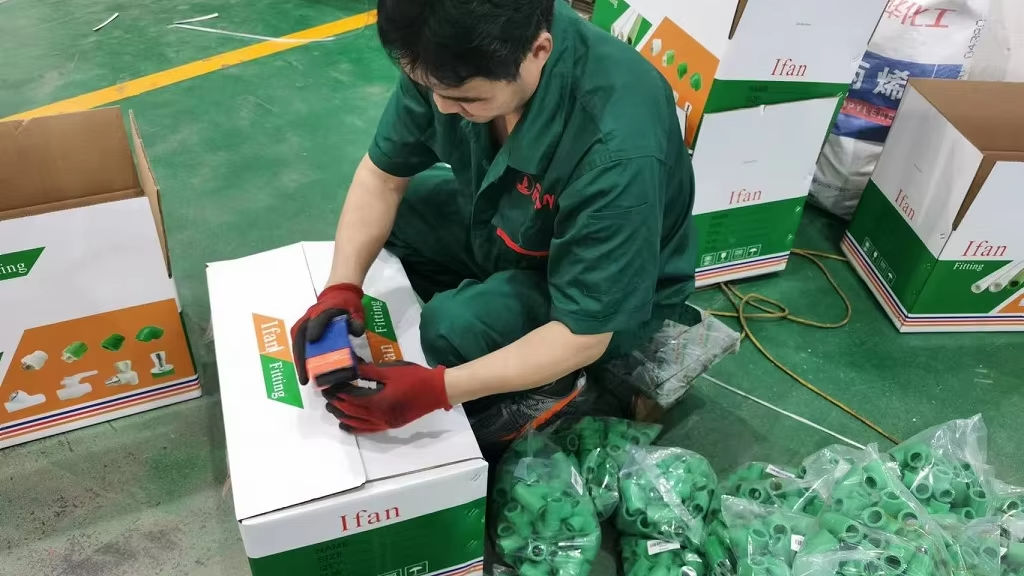
Safe Technical Packaging
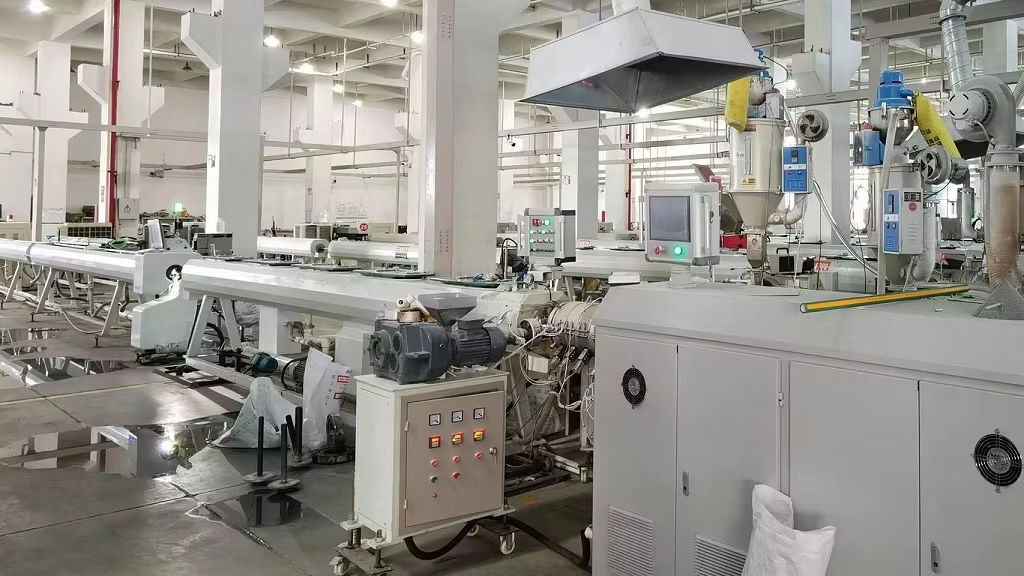
PPR Production Line
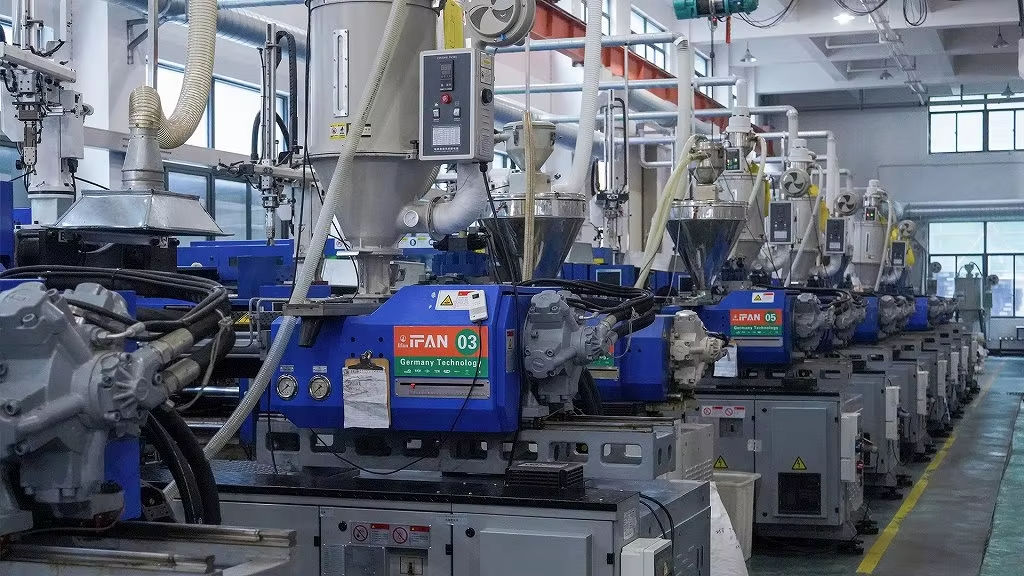
Injection Molding Machine
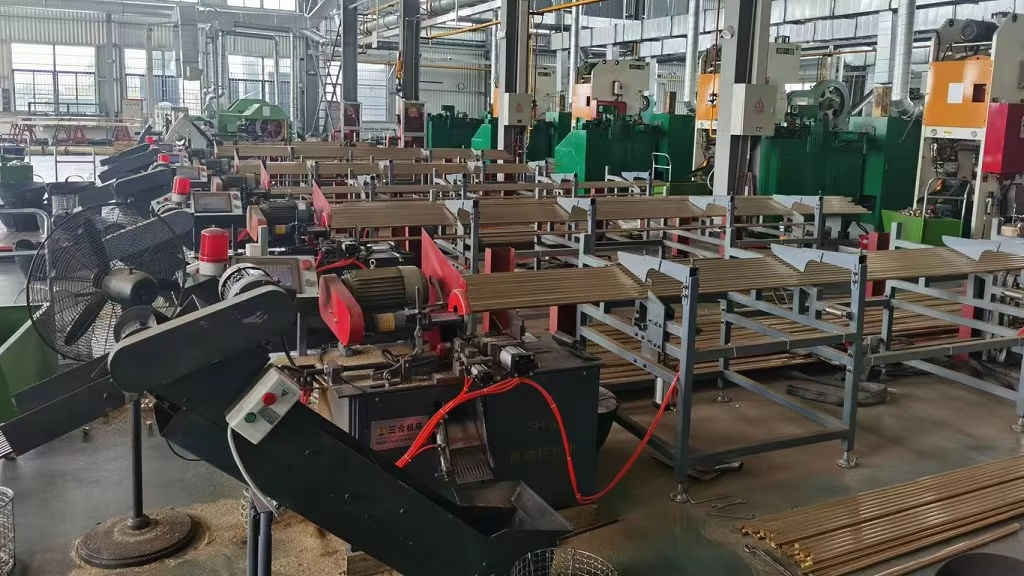
Cutting Machine
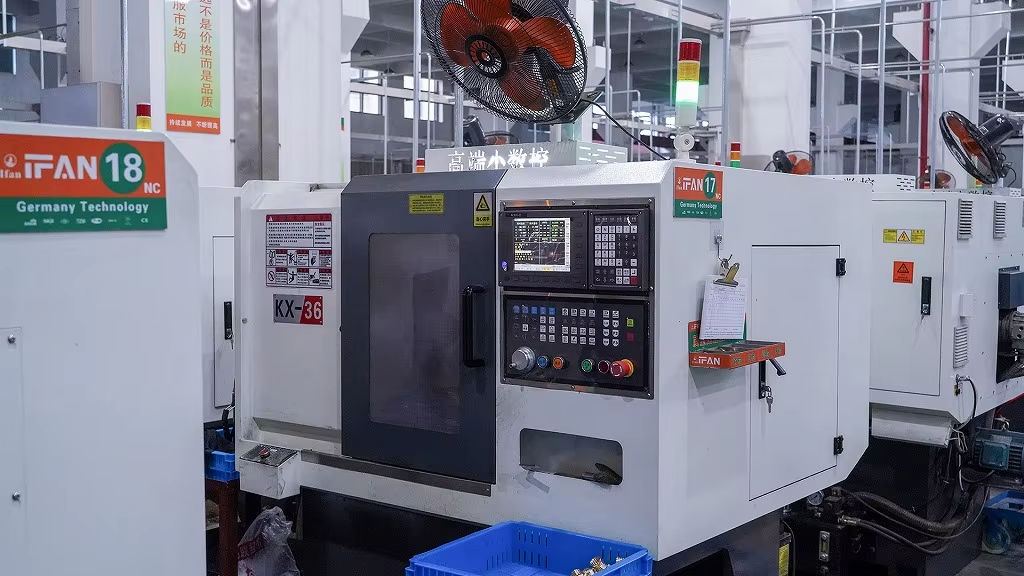
CNC Machine Tooling
The industrial landscape for valve supply chains has matured significantly in China, shifting from high-volume basic castings to high-precision engineering hubs. Factories located in industrial clusters like Zhejiang benefit from highly integrated supply ecosystems. This localized integration ensures that raw material extraction, casting, forging, multi-axis CNC machining, heat treatment, and hydrostatic testing are conducted within an efficient radial distance.
By leveraging high-speed machining centers (as depicted in our CNC Machine processes) and automated injection molding lines, Zhejiang Maria Valve achieves high dimensional reproducibility while keeping operational waste to a minimum. This enables us to maintain aggressive pricing without sacrificing mechanical compliance or material quality. Our facility runs continuous, state-of-the-art non-destructive testing (NDT), including ultrasonic testing (UT), magnetic particle testing (MT), and positive material identification (PMI) to guarantee that all metal alloys match our client specifications perfectly before the assembly phase.
Industrial valves operate under heavily differentiated conditions depending on the system media. Below are critical localized application environments where our valves excel:
The future of valve manufacturing focuses on digital integration and environmental compliance. Smart valves, equipped with diagnostics sensors, track real-time flow rate, downstream pressure, and packing stem leakage. This data feeds directly into predictive maintenance software, warning technicians about necessary seal replacements before an unscheduled shutdown happens.
Additionally, the global push toward Net-Zero carbon emissions forces chemical plants to purchase certified low-emission valves that conform to API 622 or ISO 15848-1 standards. Our design team focuses on reducing friction on packing components, ensuring low fugitive emission performance throughout the valve life cycle.
Serving customers in multiple countries with an agile, reliable global supply chain network.
Continuous R&D investments to engineer custom flow configurations for specialized industrial applications.
Rigorous pressure tests, physical and chemical analysis to ensure maximum performance before shipment.
Dedicated technical support, documentation verification, and fast responses to match custom client requirements.
Answers to common engineering questions concerning selection criteria, certifications, and structural specifications.
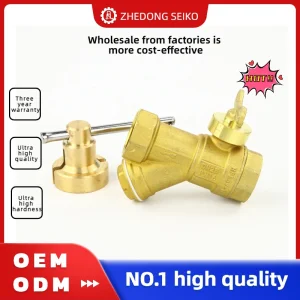
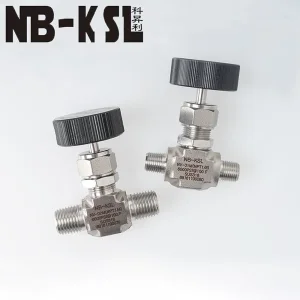
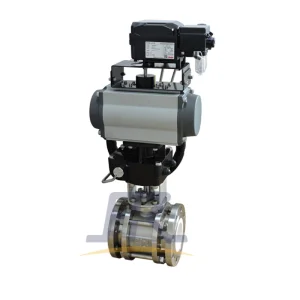
Our engineering team recommends the following technical configurations for sanitary operations, extreme chemical lines, and laboratory systems.
 Maria Valve