Top 10 Cryogenic Valves for Liquid Nitrogen Temperatures?

Time:2026-09-26 Author:Sienna
0%

Liquid nitrogen operates near –196°C, where ordinary valve assumptions quickly fail. Materials contract, lubricants stiffen, and trapped moisture can freeze inside small passages. This guide examines the Top 10 Cryogenic Valves for Liquid Nitrogen Temperatures, focusing on practical selection rather than attractive specifications alone. It considers globe, ball, gate, check, and pressure-control designs used in storage tanks, transfer lines, laboratories, and industrial gas systems.

So, how do cryogenic valves handle liquid nitrogen temperatures? They combine low-temperature materials, extended bonnets, controlled sealing, and carefully tested metal components. Austenitic stainless steel is common because it retains useful toughness in cryogenic service. PTFE and specialized polymer seats may perform well, but their contraction and recovery require close engineering attention. Extended stems keep the actuator and packing warmer than the valve body. That small distance matters.

Cryogenic engineering specialist Dr. Klaus D. Timmerhaus stated, “Cryogenic engineering is the art and science of handling materials at very low temperatures.” His observation remains practical today. A valve can appear robust and still leak after repeated thermal cycles. That is the uncomfortable detail. No ranking is perfect. Installation quality, cooldown speed, pressure rating, cleaning, and maintenance can change real performance. The following selection therefore compares design behavior, material suitability, sealing reliability, testing practices, and application fit. Readers should verify each manufacturer’s data, especially oxygen-cleaning status, pressure limits, and documented temperature ratings, before specifying equipment for liquid nitrogen service.
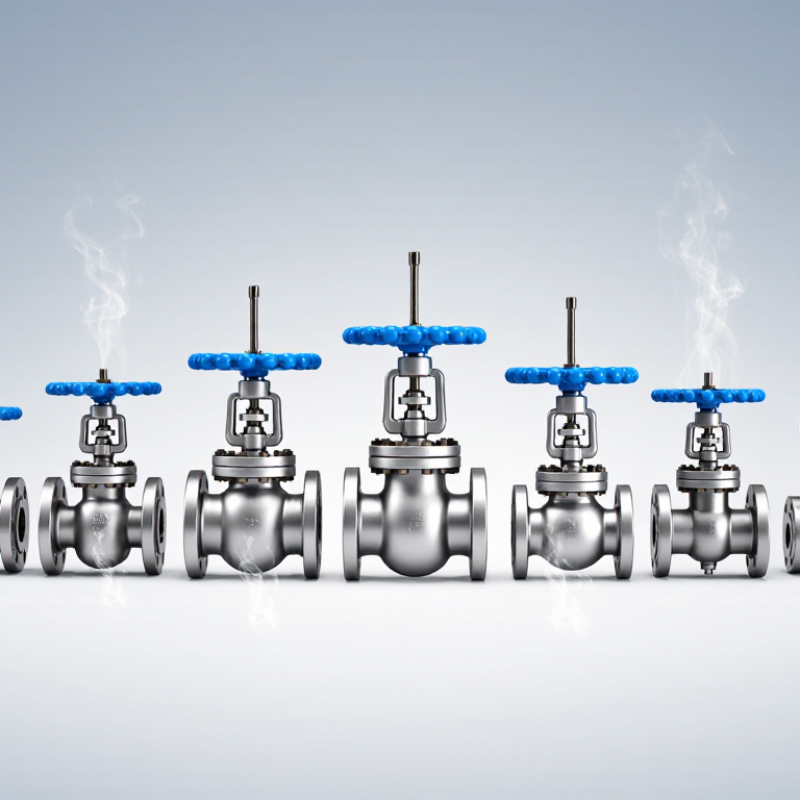
Top 10 Cryogenic Valves for Liquid Nitrogen Temperatures?

Cryogenic Valve Basics for Liquid Nitrogen Service

Cryogenic valve basics begin with temperature. Liquid nitrogen boils at about -196°C, so ordinary service assumptions do not apply. Valve bodies, trim, seals, and packing must tolerate severe cooling without losing reliable shutoff. Thermal contraction can open small leak paths. It can also make a familiar handle feel unexpectedly stiff. A qualified valve design often uses an extended bonnet to keep the stem packing farther from the cold fluid. Details matter.

Selection depends on pressure, flow, connection type, and how the valve will be installed. Check that the pressure rating applies at cryogenic temperatures, not only at room temperature. Consider whether the process needs isolation, throttling, or frequent cycling; these duties can call for different valve designs. Trapped liquid nitrogen can warm, expand, and create dangerous pressure in a closed section, so assess pressure relief provisions. Installation direction and cooldown procedures should follow the manufacturer’s instructions. In practice, the right choice is sometimes less obvious than a catalog table suggests.

Tips: Inspect seats, stem seals, and connections for leakage during commissioning. Cool the system gradually when the procedure allows, and use suitable protective equipment. Never assume a valve is safe to touch because its handle is warm. Keep maintenance records; small changes in operating feel may be worth investigating.

Top 10 Cryogenic Valve Types for Liquid Nitrogen Service

Liquid nitrogen boils at approximately −196°C (77 K) at atmospheric pressure. The chart shows this rounded temperature as a design target for commonly used valve families—not a universal rating for every valve of that type.

Valve types shown: ball, globe, gate, butterfly, check, needle, control, pressure-relief, plug, and diaphragm valves. For actual service, confirm the valve’s documented minimum design temperature, materials, seals, pressure rating, and cryogenic test requirements. Extended bonnets are commonly used to help keep the stem packing away from the cold fluid.

Key Performance Criteria at Liquid Nitrogen Temperatures

At liquid-nitrogen temperatures, a valve must do more than remain operable: it must control leakage as materials contract and seals stiffen. NIST Chemistry WebBook data place nitrogen’s normal boiling point at 77.36 K, or −195.79°C. That temperature makes material selection critical. Austenitic stainless steels are commonly used for cryogenic service, while ordinary elastomers may lose flexibility. The exact limits depend on the material grade and valve design.

Key performance checks include shell integrity, seat leakage, operating torque, and stem-seal performance after thermal cycling. ISO 28921-1 addresses design, testing, and production requirements for isolation valves used at low temperatures. Ask for test results at the specified temperature, not just ambient-temperature pressure ratings. A cold-soaked valve can behave differently. Small details matter, such as whether the stem extension keeps packing away from the cold zone.

Liquid nitrogen also expands greatly when warmed. The Compressed Gas Association’s guidance on cryogenic liquids describes the associated pressure and venting hazards; trapped liquid in a closed valve cavity therefore needs specific attention. Check whether the design relieves cavity pressure in the intended direction. I would also verify torque after repeated cycles. That test is easy to overlook, and one cycle is not convincing.

Top 10 Cryogenic Valves for Liquid Nitrogen Temperatures? — Key Performance Criteria at Liquid Nitrogen Temperatures

Liquid nitrogen boils at approximately −196 °C (−320.8 °F) at atmospheric pressure. The entries below compare common valve designs, not specific products or brands. Size and pressure-class ranges are indicative; confirm the complete valve assembly’s temperature rating, pressure-temperature limits, materials, leakage requirements, and applicable standards with the supplier.

Rank Valve Type Typical Size Range Common Pressure Classes or Ratings Cryogenic Design Considerations Main Strength Important Limitation Typical Liquid Nitrogen Service
1 Extended-bonnet ball valve DN 15–300 (½–12 in) Commonly ASME Class 150–600; higher ratings are design-specific Extended bonnet keeps the stem packing away from the cold zone. Seat materials, stem sealing, and trapped-cavity pressure relief require review. Quick quarter-turn operation and low flow resistance when fully open. Some closed designs can trap liquid and develop pressure as it warms; cavity relief or an appropriate flow direction may be needed. Tank isolation, transfer lines, and process shutoff.
2 Extended-bonnet gate valve DN 15–600 (½–24 in) Commonly ASME Class 150–600; selection depends on material and size Stem extension, low-temperature-qualified body and trim, and suitable packing are important. Installation orientation may affect drainage. Low pressure drop when fully open; suitable for larger line sizes. Not intended for routine throttling; operation is slower than quarter-turn valves. Mainline isolation and equipment isolation.
3 Extended-bonnet globe valve DN 15–300 (½–12 in) Commonly ASME Class 150–600; confirm pressure-temperature ratings Bonnet extension and packing arrangement help manage cold exposure. Flow direction and trim design should follow the valve specification. Good shutoff capability and more controllable flow than a gate valve. Higher pressure drop than full-bore gate or ball designs. Isolation and moderate flow regulation.
4 Cryogenic control globe valve Typically DN 15–200 (½–8 in) Often offered in ASME Class 150–600; actuator and trim affect selection Requires a control-valve assembly qualified for the minimum temperature, including actuator interfaces, packing, and trim. Designed for modulating flow and process control. More complex than an on/off valve; sizing must account for flow conditions, flashing, and cavitation where applicable. Level, pressure, or flow control in cryogenic systems.
5 Trunnion-mounted ball valve Typically DN 50–600 (2–24 in) Commonly ASME Class 150–600; larger or higher-pressure designs are application-specific Evaluate seat design, stem extension, body cavity relief, and low-temperature sealing materials as a complete assembly. Useful for larger lines and higher operating torque loads; quarter-turn operation. More components and potentially greater weight and cost than smaller floating-ball designs. Large-diameter isolation and pipeline service.
6 Cryogenic check valve (swing or lift type) Typically DN 15–300 (½–12 in) Commonly ASME Class 150–600; design-dependent Specify the minimum temperature, orientation, cracking pressure where relevant, and a configuration that avoids unwanted liquid trapping. Prevents reverse flow without an external actuator. Can chatter or fail to close properly if flow conditions or installation orientation are unsuitable. Pump discharge protection and prevention of reverse flow.
7 Cryogenic butterfly valve Typically DN 50–1,200 (2–48 in) Often specified by pressure class or differential-pressure rating; confirm the exact design Seat, stem, disc, and shaft-seal materials must be suitable for the specified minimum temperature. Check allowable differential pressure. Compact and relatively lightweight for large-diameter lines. Disc remains in the flow path; shutoff performance and pressure capability vary substantially by design. Large, lower-pressure-drop applications where the design is specifically cryogenic-rated.
8 Angle-pattern globe valve Typically DN 15–200 (½–8 in) Commonly ASME Class 150–600; verify the pressure-temperature rating Use a cryogenic-qualified extended bonnet and confirm the intended flow direction and piping arrangement. Can combine a change of flow direction with isolation or regulation. Pressure drop and installation requirements may be greater than for straight-pattern designs. Compact piping layouts, vessel connections, and control or isolation duties.
9 Cryogenic needle valve Typically DN 6–25 (¼–1 in) Often available for high-pressure small-bore service; rating is design-specific Check the specified minimum temperature, stem packing, connection type, and whether the valve is intended for throttling or isolation. Fine adjustment of small flows in compact instrumentation lines. Small flow capacity; not a substitute for a main-line isolation valve. Instrument lines, sampling points, and small flow-control duties.
10 Top-entry cryogenic ball valve Typically DN 50–600 (2–24 in) Commonly ASME Class 150–600; size and pressure limits depend on design Top-entry construction can aid in-line maintenance, but the body, seats, stem seals, and cavity-relief arrangement still require cryogenic qualification. Potentially simplifies access to internal components without removing the valve body from the line. Maintenance advantages do not remove the need for isolation, depressurization, and safe warm-up procedures. Isolation duties where maintainability is a priority.

Top 10 Cryogenic Valve Types and Their Applications

At liquid-nitrogen temperatures, valve choice depends on flow, shutoff needs, and cycling frequency.

Cold can shrink metal parts and stiffen seals. Cryogenic designs often use extended bonnets, keeping stem packing farther from the cold zone. That helps, but does not replace suitable materials, pressure ratings, or leak testing.

Fit matters.

Globe valves support throttling, while gate valves provide low-restriction isolation when fully open.

Ball valves offer quick shutoff on transfer lines.

Butterfly valves suit larger pipes where compact weight matters.

Check valves help prevent reverse flow near pumps.

Control valves regulate feed to vaporizers and process equipment.

Each serves a different job.

Pressure-relief valves protect vessels from excess pressure. Needle valves allow fine adjustment in small instrument lines. Plug valves provide isolation in compatible piping systems.

Diaphragm valves may suit clean service, but require designs rated for cryogenic temperatures.

Details matter.

A tidy catalog choice can still be wrong.

Sealing performance may change after repeated cold cycles, so selection should reflect actual operating conditions and verified service data.

Materials, Sealing Systems, and Safety Features

For liquid-nitrogen service, material selection starts with the temperature, not the valve’s nameplate alone. Nitrogen boils at 77.355 K (−195.795°C) at standard pressure, according to the NIST Chemistry WebBook. Austenitic stainless-steel bodies are commonly considered because they retain useful toughness at cryogenic temperatures; the exact grade and pressure rating still need verification. ISO 28921-1:2017 covers design and production testing for industrial valves intended for low-temperature applications. It is a useful reference, not a substitute for checking the valve’s stated operating limits.

Seals need equal scrutiny. PTFE or other qualified low-temperature polymers may be used, but contraction can change contact pressure and raise leakage risk. An extended bonnet helps keep the stem packing farther from the cold fluid. Small detail, big consequence. Look for documented cryogenic testing, suitable pressure-temperature ratings, and a clear direction of installation. Trapped liquid nitrogen can warm and expand, so enclosed cavities may require an appropriate pressure-relief path. A safety feature only helps when it matches the piping layout. No single material is perfect; actual performance depends on assembly, cycling, and maintenance, details that product tables can make easy to overlook.

How to Select the Right Valve for Your System

Choosing a cryogenic valve starts with the real operating envelope, not the catalog headline. NIST’s Chemistry WebBook lists nitrogen’s normal boiling point as 77.34 K, or about −195.8°C. That temperature can stiffen seals and shrink metal parts. Small details matter. Check minimum temperature, maximum pressure, flow rate, and how often the valve cycles. Confirm pressure-temperature limits against ASME B16.34, then verify that the body, stem, and seat materials suit repeated thermal contraction. A valve that works at room temperature may behave differently after a cold soak.

For liquid nitrogen service, compare seat leakage, required flow coefficient, end connections, and actuator torque. Extended bonnets help keep packing warmer and accessible, but their suitability depends on the installation and manufacturer’s design data. Ask for cryogenic test records, material traceability, and stated test conditions; “cryogenic rated” alone tells little.

Also check whether trapped liquid can warm and raise pressure between closed valves. That detail is easy to miss. I would still question a perfect-looking specification sheet if it omits cycling or leakage results.

For context, consult NIST’s nitrogen property data, ASME B16.34 pressure-temperature ratings, and CGA P-12 guidance on cryogenic-liquid handling.

FAQS

Why does liquid nitrogen temperature affect valve performance?

Nitrogen boils near −195.8°C. Metal parts contract, and some seals stiffen. Small changes matter.

Which materials should be checked for cryogenic service?

Review the body, stem, and seat materials for repeated cooling and warming. Austenitic stainless steels are commonly used, but the exact grade matters.

What performance tests should a valve pass?

Check shell integrity, seat leakage, operating torque, and stem-seal performance after thermal cycling. One cold cycle may not tell the whole story.

Is a room-temperature pressure rating enough?

No. Ask for results at the specified cold temperature and pressure. A valve can behave differently after a full cold soak.

What should I check when choosing a valve?

Match the valve to minimum temperature, maximum pressure, flow rate, and cycling frequency. Also compare seat leakage, flow capacity, connections, and actuator torque.

Why might an extended bonnet matter?

It can keep packing farther from the cold zone and easier to access. Check the design data; an extended bonnet is not right for every installation.

What is the risk of trapped liquid in a closed valve cavity?

Warming liquid nitrogen can expand and raise pressure. Verify how the valve relieves cavity pressure and in which direction.

What should cryogenic test records include?

Look for test temperature, pressure, leakage results, and cycle details. “Cryogenic rated” alone tells little. I would double-check any sheet that omits those details.

Conclusion

This article explains the essentials of cryogenic valves designed for liquid nitrogen service, including the operating conditions that affect reliable performance at extremely low temperatures. It explores how do cryogenic valves handle liquid nitrogen temperatures by considering factors such as thermal contraction, pressure and flow requirements, leak prevention, and the need to keep operating components accessible. The guide also reviews ten common valve types and describes where each may be useful, from controlling flow to isolating equipment or preventing reverse flow.

Material selection, sealing systems, and safety features are examined with attention to maintaining dependable operation as temperatures change. The article concludes with a practical framework for choosing a valve based on the system’s pressure, flow, connection, maintenance, and safety needs. Together, these topics help readers compare options and make informed decisions for liquid nitrogen applications.

Sienna

Sienna

Sienna is a skilled marketing professional with a deep expertise in our company’s core products and services. With a passion for innovation and detail, she plays a pivotal role in crafting insightful blog posts that not only highlight the unique features of our offerings but also provide valuable......