Installing a check valve correctly is crucial for ensuring optimal fluid flow. Many people ask, "how do you install a check valve in the correct direction?" This question highlights a common issue that can lead to serious problems. A check valve allows fluid to flow in one direction, preventing backflow.
Understanding the proper installation is essential. Most check valves have directional arrows on their bodies. These arrows indicate the flow direction. Ignoring this can lead to inefficient system performance. Misalignments may cause leaks or water hammer, leading to costly repairs. It’s important to observe these indicators closely.
During installation, check the surrounding pipes. Ensure they are clean and straight. Watch for any obstructions that may affect performance. Remember, a small error now can result in significant issues later. Engaging with experienced professionals can provide guidance. While many DIYers can succeed, the nuances of installation require attention to detail. Mistakes can happen, so double-checking is wise.
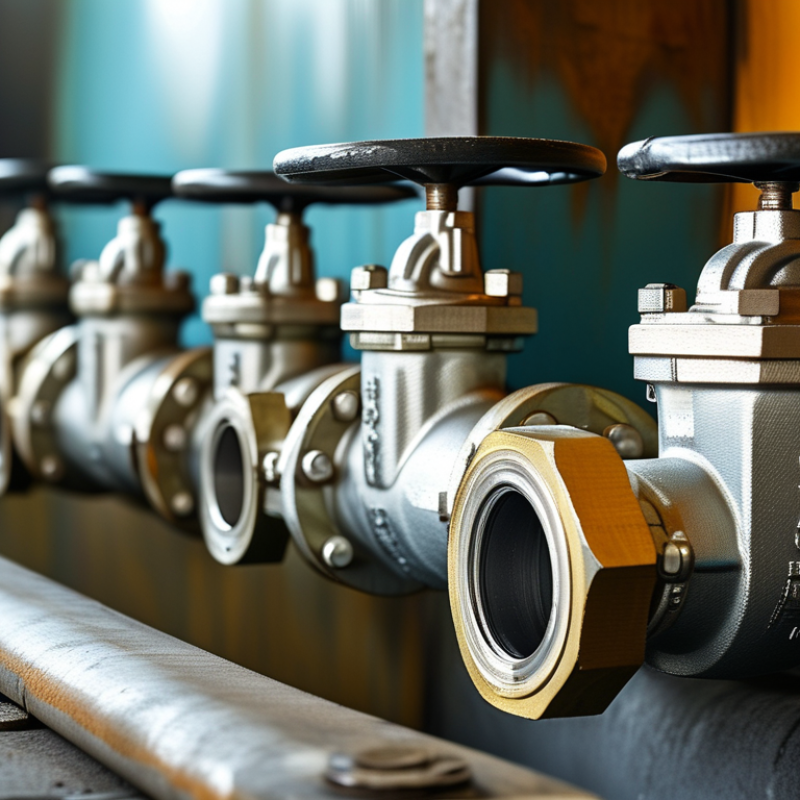
A check valve plays a crucial role in fluid systems. It allows fluid to flow in one direction, preventing backflow. This function is vital for maintaining pressure and protecting equipment. When installing a check valve, understanding its orientation is essential for optimal performance. The valve's design often includes an arrow indicating the proper flow direction. Installing it incorrectly can lead to system failures.
Tips for installation include closely examining the check valve for markings. Ensure the arrow aligns with the flow direction in your system. Be cautious; improper installation can lead to leaks or pressure loss, which may damage pumps and other components.
Another tip is to inspect surrounding piping. Make sure there are no obstructions that could affect the valve's performance. Take a moment to consider your setup. Check valve maintenance is also essential. Periodically clean and inspect it to avoid buildup that may hinder its operation. Remember, even experienced professionals can overlook these crucial details.
When installing a check valve, orientation is crucial. The proper direction allows the valve to perform its function effectively. A check valve permits fluid to flow in one direction while preventing backflow. A common mistake is ignoring the directional arrow stamped on the valve body. This could lead to inefficiencies or system failures.
To identify correct orientation, start with understanding flow direction in your system. Analyze piping layout carefully. Signs of improper installation can include unusual vibrations or leaks. Pay attention to the valve materials as they may react differently under varied pressures. Ensure mounting brackets or supports do not obstruct flow.
Make sure to consult installation manuals. If availability is an issue, reach out to professionals for guidance. Relying on personal judgment can lead to errors. Remember, detailed planning can save time and resources in the long run. Checking installation direction may seem simple, but it requires diligence and knowledge. Small oversights can result in larger problems.
| Check Valve Type | Recommended Installation Direction | Common Applications | Notes on Installation |
|---|---|---|---|
| Swing Check Valve | Horizontal or Vertical Upward | Water supply systems, sewage systems | Ensure the hinge pin is horizontal when installed vertically. |
| Ball Check Valve | Vertical with Flow Up | Pumps, compressed air systems | Install with the inlet facing down to ensure the ball seats correctly. |
| Lift Check Valve | Vertical Upward | High-pressure steam systems, cooling water systems | Do not install horizontally; the valve needs to lift properly. |
| Silent Check Valve | Horizontal or Vertical | Pipelines transporting liquids and gases | Check for the flow arrow on the valve body to ensure correct installation. |
Installing a check valve properly ensures optimal flow and prevents backflow in your plumbing system. Start by gathering your tools, including wrenches and sealing tape. Before anything else, always remember the flow direction indicated on the valve. This marking is crucial. Incorrect installation can lead to leaks or system failures.
When preparing your pipes, clean the ends thoroughly. Any dirt can affect the seal. Apply sealing tape on the male threads. Align the valve carefully to avoid stress on the fittings. A misaligned valve can be a source of frustration down the line. Tighten the connections firmly, but do not overdo it. Over-tightening can crack the valve.
Once installed, check for leaks by turning on the system slowly. Watch for any signs of dripping. If there’s a leak, you may need to disassemble and redo the seals. Take your time to ensure everything is secure. Rushing through this could lead to costly repairs later. Reflecting on your work after installation can help you learn and improve future maintenance.
Installing a check valve seems straightforward, but common mistakes can lead to complications. Many ignore the flow direction, which is critical. The valve must align with the intended flow to function properly. Installing it backward can cause leaks and system failures. Always check the arrow on the valve body, indicating the correct orientation.
Another typical error is neglecting to inspect the mounting surface. Dirt or debris can compromise the seal. Clean the installation area thoroughly before attaching the valve. A poor seal can lead to leaks. Ensure that there are no obstructions that could affect the valve's operation.
Tips: Double-check all connections. Loose fittings can create issues down the line. Use appropriate tools to avoid damaging the valve. A precise installation saves time and reduces future maintenance. Take the time to verify the alignment and cleanliness of the surfaces. Rushing through can lead to regrettable outcomes. Prioritize quality over speed.
Installing a check valve in the correct direction is crucial for avoiding backflow. Once installation is complete, testing the direction becomes essential. Start by checking the valve itself for markings. Most valves have an arrow indicating the flow direction. This arrow should direct fluid downstream, which is often towards the outlet.
After confirming the arrow, conduct a flow test. Open the system and observe fluid movement. If the fluid flows in the correct direction, your installation is likely successful. Pay attention to any unusual noises. Gurgling or vibrations can signal improper installation. If everything seems off, consider disassembling the check valve. It's better to rectify mistakes now than to face future leaks.
Lastly, take notes during the testing. Document the flow rate and any anomalies. This information can be valuable for future reference. It promotes accountability and careful evaluation of your work. An iterative approach to checking these details builds expertise over time.
: A check valve allows fluid to flow in one direction, preventing backflow.
Correct orientation ensures optimal performance and prevents system failures due to backflow.
Look for an arrow on the valve indicating flow direction. Align it with your system flow.
Improper installation can lead to leaks, pressure loss, or damage to pumps and components.
Inspect surrounding piping for obstructions and check valve markings carefully.
Periodic cleaning and inspection are necessary to prevent buildup that may hinder operation.
Look for unusual vibrations, leaks, or noises such as gurgling after installation.
Yes, consulting manuals provides guidance and can prevent errors in the installation process.
Consider disassembling the valve to correct the installation and avoid future problems.
Document test results and analyze any anomalies to build expertise over time.
A check valve is an essential component in fluid systems, designed to allow fluid to flow in one direction while preventing backflow. Understanding its function is crucial for effective installation. To answer the question, "how do you install a check valve in the correct direction," it is important to identify the proper orientation based on the flow direction indicated on the valve itself.
The installation process involves several key steps: first, ensuring the system is depressurized and that any existing valves are closed, followed by cleaning the fitting surfaces. When installing, the check valve should be positioned in line with the flow direction. Common mistakes include installing the valve backward or not securing it properly, which can lead to system failures. Once installation is complete, testing the valve helps verify its correct orientation and functionality, ensuring efficient operation of the fluid system.

Maria Valve