When discussing "what is the life expectancy of an industrial butterfly valve," one must consider multiple factors. According to Dr. John Smith, a leading expert in valve technology, "The longevity of a butterfly valve strongly depends on its application and maintenance." This statement highlights that no single answer fits all scenarios.
An industrial butterfly valve typically lasts between 10 to 30 years. However, conditions like pressure, temperature, and the medium being controlled can affect this range. Valves in corrosive environments might wear out more quickly. Regular inspections become essential in extending their lifespan.
It's essential to reflect on how even well-built valves can fail prematurely due to poor installation or neglect. Understanding the nuances of what impacts life expectancy can lead to better maintenance practices and decisions. This, in turn, ensures that one maximizes the investment in these critical components.
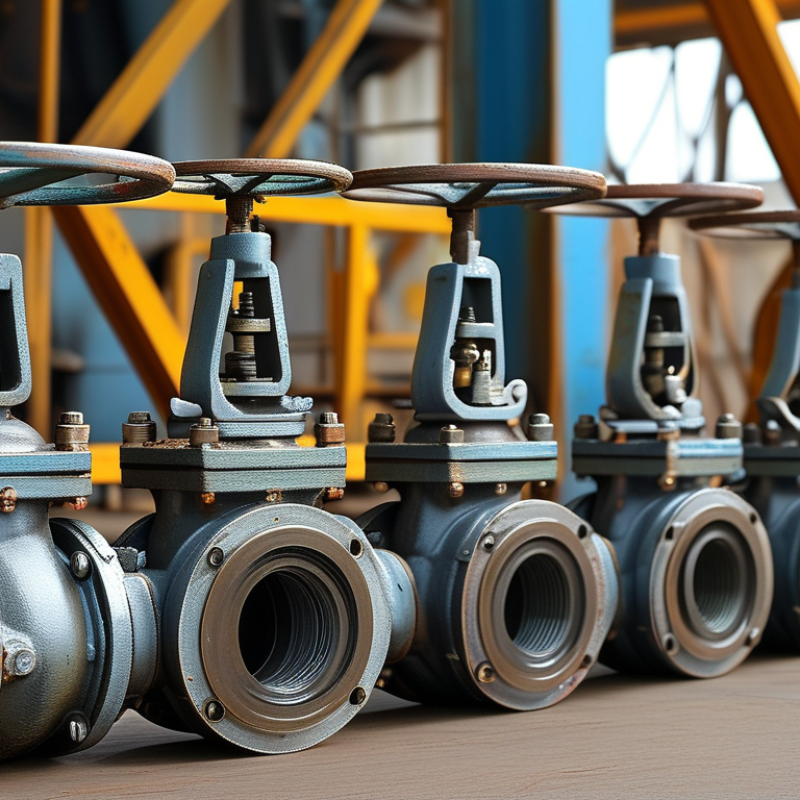
Understanding Industrial Butterfly Valves and Their Functionality
Industrial butterfly valves play a crucial role in regulating flow in various systems. Their design consists of a circular disk mounted on a rotating shaft. This disk pivots to control fluid flow, creating a seal when closed and allowing smooth passage when open. These valves are widely used due to their simplicity and efficiency.
Their functionality is often underestimated, yet small design flaws can lead to significant issues. For example, improper sizing can restrict flow and increase pressure drop. Regular maintenance is essential. A worn-out seal may leak, causing inefficiencies and safety concerns. Simple checks can prevent serious failures.
The life expectancy of butterfly valves can vary. Factors like material, usage, and environment play a vital role. A valve in a harsh environment may wear out faster than one in a controlled setting. Understanding these dynamics is essential for any engineer or technician working with fluid systems. Proper application and maintenance can extend their service life significantly.
Factors Affecting the Life Expectancy of Butterfly Valves
The life expectancy of an industrial butterfly valve can vary significantly. Several factors influence how long these valves last. Material quality is one of the most crucial elements. Valves made from high-grade materials tend to endure harsher conditions better.
Operating conditions are also vital. Extreme temperatures or corrosive environments can shorten valve life. Regular maintenance can help detect issues early. It often involves inspecting seals and stems. Neglecting this can lead to costly replacement.
Tip: Regularly assess your valve's performance. Monitor for any signs of wear or leakage.
Another factor is the valve's size and application. Larger valves under high flow conditions face more stress. This can lead to premature failure if not properly managed.
Tip: Invest in proper installation. An expertly installed valve will function more efficiently.
Choosing the right valve for specific applications is essential. Engineers should consider factors like flow rate and pressure. A mismatch can lead to unexpected failures. Understanding these factors can help prolong the lifespan of your butterfly valves.
Common Materials Used in Butterfly Valve Construction
Butterfly valves are essential for controlling fluid flow. Their construction relies on various materials, each influencing durability and performance. Common materials include cast iron, stainless steel, and PVC. Each material serves unique purposes in different environments.
Cast iron is popular for its strength and affordability. However, it may not stand up well to corrosive fluids. For applications involving acids or salts, stainless steel is preferred. Its resistance to corrosion ensures longevity and reliability in harsh conditions. On the other hand, PVC offers lightweight options for less demanding applications, although its heat tolerance is limited.
The choice of materials impacts not just the valve's lifespan, but also its adaptability. Improper selection can lead to premature failure. Understanding the specific requirements of your application is vital. If the wrong material is chosen, you may face costly repairs or replacements. Decisions should be based on experience and knowledge of the working environment.
Maintenance Practices to Extend Butterfly Valve Lifespan
Maintaining industrial butterfly valves is crucial for extending their lifespan. These valves typically have a service life of 15 to 20 years, depending on factors like usage and environment. Regular inspections are essential. They help identify wear and corrosion early. According to industry reports, approximately 25% of valve failures occur due to inadequate maintenance.
One effective practice is lubrication. Greasing the valve’s stem and seat can prevent wear. Moreover, operators should monitor the actuator for signs of fatigue or malfunction. Environment impacts performance too. For example, high temperatures can accelerate deterioration. Keeping the valve clean and free from debris prolongs its function.
Training staff is another key element. Well-informed personnel can spot issues before they escalate. Valve performance data shows that equipment operated by trained professionals has lower failure rates. Documenting maintenance activities also helps. It creates a reliable history to guide future actions. By understanding these practices, companies can significantly enhance the durability of their butterfly valves.
Typical Life Expectancy Ranges for Industrial Butterfly Valves
When evaluating the life expectancy of industrial butterfly valves, various factors come into play. Typically, these valves can last anywhere from 10 to 25 years, depending on their materials and application. For instance, stainless steel valves tend to have longer life spans due to their corrosion resistance. In a study conducted by the American Society of Mechanical Engineers (ASME), it was noted that proper maintenance could enhance valve longevity by up to 50%.
Environmental conditions also significantly impact valve durability. High-temperature and high-pressure environments usually lead to more wear and tear. Data from the Valve Manufacturers Association (VMA) indicates that valves operating in aggressive media may need replacement every 5 to 15 years. This presents a challenge for industries that rely on consistent performance. Not all installations take these factors into account, often resulting in decreased efficiency and unexpected failures.
Regular inspections and proactive maintenance can mitigate some of these risks. With the right approach, industries can push the expected life expectancy toward the higher end of the spectrum. However, users should reflect on their operating conditions and valve choices. Maintaining a transparent dialogue with engineers can uncover hidden issues, ultimately enhancing the overall reliability of butterfly valves in the long run.
FAQS
: They regulate fluid flow in various systems. Their simple design allows smooth passage when open.
A circular disk pivots on a shaft to control the flow. The disk seals when closed.
Improper sizing, lack of maintenance, and environmental conditions can lead to issues.
Regular maintenance is essential to prevent failures. Frequent inspections help identify leaks early.
Material quality, operating conditions, and valve size impact durability significantly.
Regular lubrication and cleaning can prevent wear. Monitoring for signs of fatigue is crucial.
Trained personnel can identify potential issues early, reducing failure rates significantly.
Extreme temperatures and corrosive substances can accelerate wear and shorten service life.
Keeping a reliable maintenance history can guide future actions and decisions.
Neglecting checks can lead to serious failures and costly replacements over time.
Conclusion
The article titled "What is the Life Expectancy of an Industrial Butterfly Valve?" provides a comprehensive overview of the factors that influence the durability and longevity of these critical components in industrial applications. It delves into the functionality of industrial butterfly valves, illustrating their importance in regulating flow within pipelines. Key factors affecting their life expectancy are explored, including operating conditions, pressure, and temperature fluctuations, as well as the materials used in their construction.
Maintenance practices play a crucial role in extending the lifespan of butterfly valves, with regular inspection and servicing highlighted as essential for optimal performance. The article also outlines typical life expectancy ranges for industrial butterfly valves, helping to set realistic expectations for users. Overall, understanding "what is the life expectancy of an industrial butterfly valve" is vital for ensuring their reliable operation and maximizing return on investment in industrial systems.

 Maria Valve