China Top 10 Bypass Valve Suppliers What Is Their Purpose?

Time:2026-09-21 Author:Oliver
0%

A bypass valve is a small component with a large responsibility in industrial piping. It can redirect flow around a pump, control valve, filter, or heat exchanger during maintenance or changing process conditions. For engineers, understanding what is the purpose of a bypass valve in a piping system is essential before selecting a supplier or valve design.

This guide examines China’s top 10 bypass valve suppliers through practical purchasing criteria. These criteria include manufacturing experience, pressure ratings, material traceability, testing procedures, certifications, customization ability, and after-sales support. A reliable supplier should provide clear drawings, accurate dimensions, inspection records, and technical guidance for installation. In a chemical plant, for example, a bypass line may keep essential flow moving while a control valve is removed. That decision affects production continuity and worker safety.

The article also considers how suppliers serve different industries, including water treatment, power generation, oil and gas, HVAC, and general manufacturing. Stainless steel, carbon steel, alloy steel, and lined options may suit different fluids and temperatures. However, no supplier ranking is completely universal. Project conditions change. Delivery promises may also require careful verification. Real performance depends on design compatibility, factory quality control, field installation, and maintenance discipline. This guide aims to offer a practical starting point, not a substitute for engineering review. Small details matter. A wrongly sized bypass valve can create vibration, pressure loss, or unstable control. Therefore, buyers should compare technical evidence instead of relying only on price, reputation, or attractive product photos.
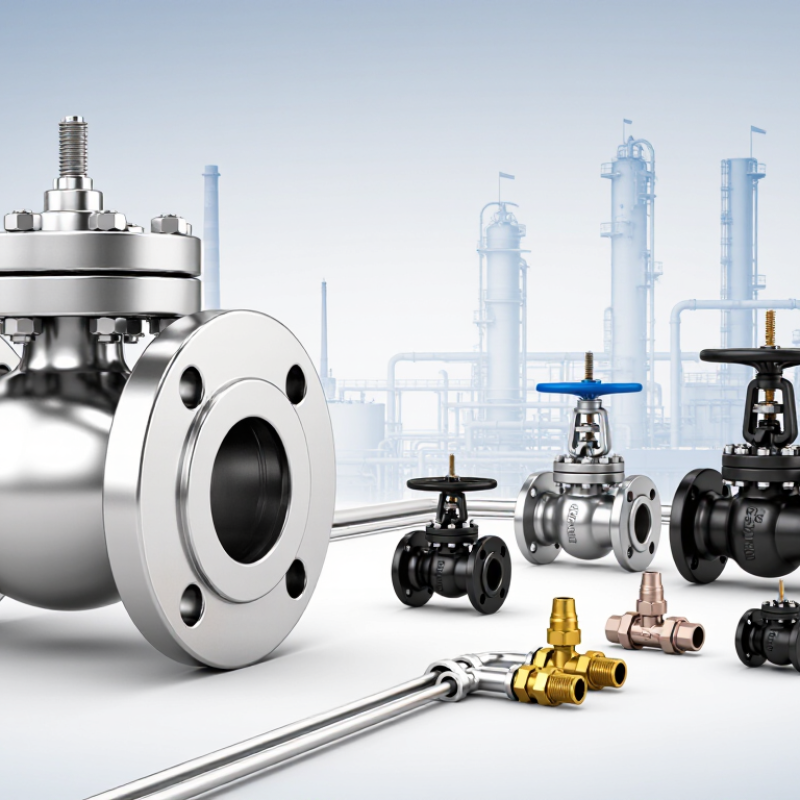
China Top 10 Bypass Valve Suppliers What Is Their Purpose?

What Is a Bypass Valve and How Does It Work?

China Top 10 Bypass Valve Suppliers: What Is Their Purpose?

What Is a Bypass Valve and How Does It Work?

A bypass valve creates an alternative flow path around a main component. It usually protects pumps, heat exchangers, filters, or control valves from excessive pressure or restricted flow. When pressure reaches a preset level, the valve opens and redirects part of the fluid. This reduces stress on the primary line and helps maintain stable operation.

Some bypass valves operate automatically through a spring-loaded mechanism. Others use a pneumatic or electric actuator for more accurate control. A sensing line measures pressure before the protected equipment, while the valve responds to pressure changes. For example, a pump may require minimum flow when downstream demand falls. The bypass valve then returns fluid to the suction tank or another safe point.

Correct sizing depends on flow rate, pressure difference, temperature, and fluid characteristics. A valve that is too small may not protect the system quickly enough. One that is too large can cause unstable cycling and energy loss. Field technicians should check the set pressure, flow direction, pipe supports, and access for maintenance. Small details matter.

The distinction is important. A bypass valve controls or redirects flow, while a safety relief valve protects against dangerous overpressure. They may work near each other, but they do not serve the same purpose. In practice, commissioning results are not always perfect. Dirty sensing lines, incorrect settings, or poor installation can change performance. Regular inspection remains necessary.

What Purposes Do Bypass Valves Serve in Industrial Systems?

In industrial systems, a bypass valve creates an alternate flow path around a pump, control valve, filter, or heat exchanger. Its purpose is practical: keep essential flow moving when the main route is restricted, isolated, or under service. During startup, operators may open the bypass gradually to reduce sudden pressure changes. This can protect seals, pipes, and sensitive instruments. It also gives technicians room to inspect equipment without shutting down an entire process. Small valve. Significant protection.

Bypass valves also manage pressure and temperature during changing operating conditions. A pump may need minimum flow to prevent overheating or internal damage. A bypass line can return excess liquid to the suction vessel or upstream section.

In steam and thermal systems, it can warm a cold line slowly, reducing thermal shock. Around filters, the valve may maintain production while a clogged element is replaced. Flow must remain controlled. An open bypass is not automatically safe.

Reliable application depends on sizing, materials, relief protection, and clear operating procedures. Engineers should check normal, startup, emergency, and maintenance scenarios before selecting the valve. Position indicators and accessible handles reduce mistakes in noisy plant areas. Periodic testing matters because a rarely used bypass can seize unnoticed.

One common weakness is treating it as a spare route without calculating its capacity. That assumption deserves review. A bypass can preserve continuity, yet it may also defeat filtration, cooling, or pressure control if left open. Records, inspections, and operator training keep its purpose aligned with the process.

Key Types and Applications of Bypass Valves in China

China Top 10 Bypass Valve Suppliers: What Is Their Purpose?

Bypass valves manage flow when the main line starts, stops, or needs maintenance. In Chinese chemical plants, power stations, and water facilities, they reduce pressure shocks and protect pumps. The main types include pressure-reducing bypass valves, pump minimum-flow valves, thermal bypass valves, and three-way diverting valves. Each design solves a different operating risk.

Pump minimum-flow valves return excess liquid to the suction tank. This prevents overheating when downstream demand suddenly falls. Pressure-reducing bypass valves maintain a safer pressure during startup or partial load. Thermal bypass valves protect blocked-in liquid from dangerous expansion. Three-way valves redirect steam, water, or process fluid around equipment during inspection. Small details matter, such as actuator response, seat leakage, and drain placement.

Grand View Research estimated the global industrial valves market at about 77 billion US dollars in 2023, with continued growth through 2030.

The report links demand to energy, water treatment, and process industries. China’s large petrochemical and power sectors therefore require valves tested for high temperature, corrosion, and repeated cycling. Field experience shows that sizing is often treated too simply. A valve may pass the design flow yet still create noise or unstable control. Engineers should verify pressure drop, cavitation risk, material compatibility, and maintenance access using operating data, not catalog values alone.

China’s Top 10 Bypass Valve Suppliers and Their Strengths

China’s top ten bypass valve suppliers serve different industrial needs, even when their products appear similar. Their valves create an alternate flow path around pumps, control valves, filters, or pressure equipment. This route helps maintain service during maintenance and limits pressure shock during startup. In a chemical plant, a bypass line can keep a cooling circuit running while the main valve is inspected. That practical function often matters more than appearance.

One major strength is manufacturing depth. Several leading suppliers combine casting, CNC machining, assembly, and pressure testing in one facility. This can improve dimensional consistency and shorten communication time. Other suppliers focus on customized designs for steam, water, oil, or corrosive media. Experienced engineering teams usually check pressure class, temperature range, sealing materials, and actuator requirements before production. Traceable material records and documented hydrostatic tests also support safer purchasing decisions. Small details matter.

Export-oriented suppliers often provide drawings, inspection reports, installation guidance, and spare-part support. Some respond quickly to nonstandard sizes, while others offer stronger process control for repeated orders. However, “top ten” lists deserve careful review. Rankings may reflect visibility rather than field performance. I would compare test records, failure feedback, delivery history, and after-sales response before selecting a supplier. A low price can hide machining limits or weak documentation. That lesson is easy to miss.

China Top 10 Bypass Valve Suppliers: What Is Their Purpose? — China’s Top 10 Bypass Valve Suppliers and Their Strengths
Rank Supplier Profile Primary Bypass Application Common Valve Configuration Typical Specification Range Commonly Specified Standards Key Strength
1 Industrial Process Valve Specialist Process-line isolation and controlled pressure equalization around pumps, filters, and control valves. Flanged or wafer butterfly valves; floating or trunnion ball valves for tighter shutoff. Nominal sizes from DN25 to DN600; pressure classes commonly PN10–PN40 or Class 150–300. EN 1092, ASME B16.5, API 6D, ISO 5211, and ISO 5208 where applicable. Broad product coverage, practical customization, and suitability for general chemical and utility systems.
2 Pump Protection Valve Specialist Automatic minimum-flow recirculation to protect centrifugal pumps from overheating, cavitation, and unstable operation. Automatic recirculation valve with a main check function, bypass opening, and optional throttling stage. Selected according to pump minimum-flow demand; commonly used in water, boiler-feed, and process-fluid systems. API 594, API 610 project requirements, ASME B16.34, and relevant pressure-test standards. Strong application knowledge for pump protection and automatic flow-control logic.
3 Thermal Bypass Valve Specialist Temperature regulation in cooling circuits, engine systems, heat exchangers, and thermal-management equipment. Three-way thermostatic valve, rotary control valve, or electrically actuated mixing valve. Temperature settings are commonly selected within the process design range; materials depend on water, oil, or glycol service. IEC 60534 for control-valve applications, ISO 5208, and applicable pressure-equipment requirements. Accurate temperature control, compact layouts, and compatibility with automated thermal systems.
4 High-Pressure Oil and Gas Valve Specialist Hydrocarbon gathering, transmission, processing, and pressure-control bypass arrangements. Forged or cast gate, globe, ball, and check-valve combinations; side-entry or top-entry ball designs. Common project ranges include Class 150–1500; sour-service designs may require corrosion-resistant materials. API 6D, API 6FA, NACE MR0175/ISO 15156, ASME B16.34, and ASME B16.5. High-pressure design capability, fire-safe options, and suitability for demanding hydrocarbon service.
5 Steam and Boiler Bypass Specialist Steam-system startup, shutdown, warm-up, pressure reduction, and turbine bypass service. Desuperheating pressure-reducing valve, globe valve, or angle-pattern steam-conditioning valve. High-temperature service with pressure and temperature selected from the boiler or turbine design conditions. ASME B16.34, ASME B16.5, IEC 60534, and applicable boiler or pressure-vessel codes. Effective control of pressure, temperature, noise, and thermal shock in steam systems.
6 Water and Wastewater Valve Specialist Water-distribution bypasses, pump stations, treatment plants, filtration skids, and sludge-handling systems. Resilient-seated butterfly valve, eccentric butterfly valve, resilient-seated gate valve, or plug valve. Commonly supplied in DN50–DN2000; pressure ratings often PN6–PN25 depending on the network. EN 1074, EN 593, ISO 5752, ISO 5211, and AWWA-related project requirements where specified. Large-diameter availability, corrosion-resistant coating options, and low-maintenance operation.
7 Cryogenic and Low-Temperature Valve Specialist Liquefied-gas storage, transfer, vaporization, and low-temperature process bypass systems. Extended-bonnet globe or ball valve, cryogenic check valve, and insulated or vacuum-jacketed options. Low-temperature service may extend below −100°C; material selection must address toughness and thermal contraction. BS 6364, ISO 28921, API 6D, ASME B16.34, and applicable leakage-test requirements. Low-temperature material control, extended-bonnet design, and improved protection of stem seals.
8 Corrosion-Resistant Valve Specialist Acid, alkali, seawater, chlor-alkali, chemical dosing, and highly corrosive process bypass service. PTFE-lined butterfly or ball valve, alloy valve, diaphragm valve, or fluoropolymer-lined plug valve. Pressure and temperature depend strongly on lining and media; many lined designs are used for moderate-pressure service. ISO 15761 where applicable, ASME B16.34, ISO 5208, and project-specific lining inspection procedures. Material and lining selection tailored to chemical compatibility and corrosion control.
9 Actuated and Automated Valve Specialist Remote bypass operation, emergency isolation, process sequencing, and digitally monitored flow control. Pneumatic, electric, or hydraulic actuator mounted on ball, butterfly, globe, or gate valves. Actuator sizing is based on breakaway torque, differential pressure, cycle frequency, and fail-position requirements. IEC 60534, ISO 5211, IEC 60079 for hazardous areas where required, and SIL-related specifications when applicable. Integration with PLC, DCS, SCADA, position feedback, solenoid valves, and emergency shutdown systems.
10 Custom Fabrication and Skid-Integration Specialist Packaged systems, modular skids, compact bypass assemblies, and application-specific retrofit projects. Preassembled valve manifolds, bypass stations, multi-valve assemblies, and instrumented skid packages. Dimensions, connections, pressure rating, materials, and actuation are configured to the approved process datasheet. ASME B16.34, ASME B16.5, ISO 9001 quality procedures, and applicable project inspection plans. Fast engineering adaptation, space-efficient layouts, factory testing, and simplified field installation.

How to Compare and Select a Reliable Bypass Valve Supplier

China Top 10 Bypass Valve Suppliers: How to Compare and Select a Reliable Bypass Valve Supplier

A list of China’s top ten bypass valve suppliers is only a starting point. Your process conditions should guide the comparison. Check the valve’s pressure rating, temperature range, flow direction, and connection size. A supplier should explain these choices clearly, not simply send a price sheet. Ask for material certificates, pressure-test records, and dimensional drawings before approval. Details matter.

Review the supplier’s manufacturing experience with steam, water, oil, or corrosive media. Request project references with similar operating conditions. A reliable manufacturer can describe failure risks, maintenance intervals, and suitable sealing materials. Look for traceable serial numbers and documented inspection procedures. Factory audits can reveal practical issues, such as poor storage or inconsistent machining. Photos help, but an on-site inspection is stronger evidence.

Compare lead times carefully. Very short delivery promises may hide limited testing or unfinished components. Confirm spare-part availability, warranty terms, technical support, and communication after shipment. Ask how the supplier handles a leaking seat or incorrect actuator setting. Their response often shows more than their brochure. I would also order a sample when the application is critical. It costs time, but it exposes weaknesses early. No comparison method is perfect; even experienced buyers can overlook installation conditions or changing media chemistry. Recheck the data with your maintenance team before signing a purchase contract.

FAQS

What is a bypass valve?

A bypass valve creates an alternate flow path around pumps, filters, or heat exchangers. It redirects fluid when the main route is restricted. Small valve. Important protection.

How does a bypass valve operate?

A sensing line detects pressure near the protected equipment. The valve opens when pressure reaches a preset level. Fluid then follows the bypass line.

Why might a pump need a bypass valve?

A pump may need minimum flow when downstream demand becomes low. The bypass returns excess liquid to a tank or upstream section. This can reduce overheating and internal damage.

Can a bypass valve protect equipment during startup?

Yes. Operators can open the bypass gradually during startup. This reduces sudden pressure changes and thermal shock. Pipes and seals get gentler treatment.

How should a bypass valve be sized?

Consider flow rate, pressure difference, temperature, and fluid characteristics. An undersized valve may react too slowly. An oversized valve may cycle frequently and waste energy.

Is a bypass valve the same as a safety relief valve?

No. A bypass valve redirects or controls flow. A safety relief valve protects against dangerous overpressure. They may work nearby, but their duties differ.

What problems can occur when a bypass valve stays open?

An open bypass may defeat filtration, cooling, or pressure control. It can reduce process performance. Open does not always mean safe.

What should technicians inspect before using a bypass valve?

Check the set pressure, flow direction, pipe supports, and maintenance access. Inspect sensing lines for dirt. Confirm the valve moves freely.

How can buyers evaluate a bypass valve supplier?

Request material certificates, pressure-test records, drawings, and similar project references. Review spare parts, warranty terms, and technical support. A brochure is not enough.

Should a critical application use a sample valve?

A sample can reveal machining, sealing, or actuator problems early. It adds time and cost. Still, it may prevent a larger mistake. No method is perfect.

Conclusion

This article explains what a bypass valve is, how it operates, and why it is important in industrial piping systems. By providing an alternative flow path, a bypass valve can regulate pressure, maintain circulation, support equipment maintenance, protect pumps and other components, and help systems continue operating safely during changing process conditions. The article also introduces common bypass valve types and their applications in water treatment, chemical processing, energy, manufacturing, and other industrial fields. It answers the practical question, “what is the purpose of a bypass valve in a piping system,” by connecting valve selection with flow control, safety, reliability, and operational flexibility.

It further presents China’s top 10 bypass valve suppliers in a neutral, non-branded comparison, focusing on their manufacturing capabilities, product customization, quality management, technical support, delivery performance, and experience with industrial projects. Finally, readers receive useful criteria for comparing suppliers, including material compatibility, pressure and temperature ratings, certification, testing procedures, after-sales service, and total cost, helping them choose a dependable partner for specific piping requirements.

Oliver

Oliver

Oliver is a seasoned marketing professional with a wealth of expertise in driving brand awareness and engagement. With a deep understanding of our company's product offerings, he consistently delivers high-quality content that enriches our professional blog. His insights not only shed light on......