In recent years, the demand for automated systems in industrial processes has surged. According to a report by MarketsandMarkets, the global industrial automation market is projected to reach $295.5 billion by 2026. This trend highlights the need for efficient solutions, particularly in the realm of valve automation. When considering how to automate a manual ball valve with an actuator, it’s essential to understand the technology and its benefits.
A manual ball valve, traditionally operated by hand, can be cumbersome in larger systems. Automation offers precision, consistency, and improved safety. The introduction of actuators in valve systems has been proven to reduce operational costs by up to 30%, according to a study from ARC Advisory Group. Despite these advantages, companies face challenges in determining the right actuator type and integration methods.
Automating a manual ball valve requires careful planning. Not every application will benefit from automation. Understanding the specific needs of your system is crucial. The journey can be nuanced, requiring reflection on the unique aspects of your process. Embracing this technology can streamline operations, yet it may not be the perfect solution for all scenarios.
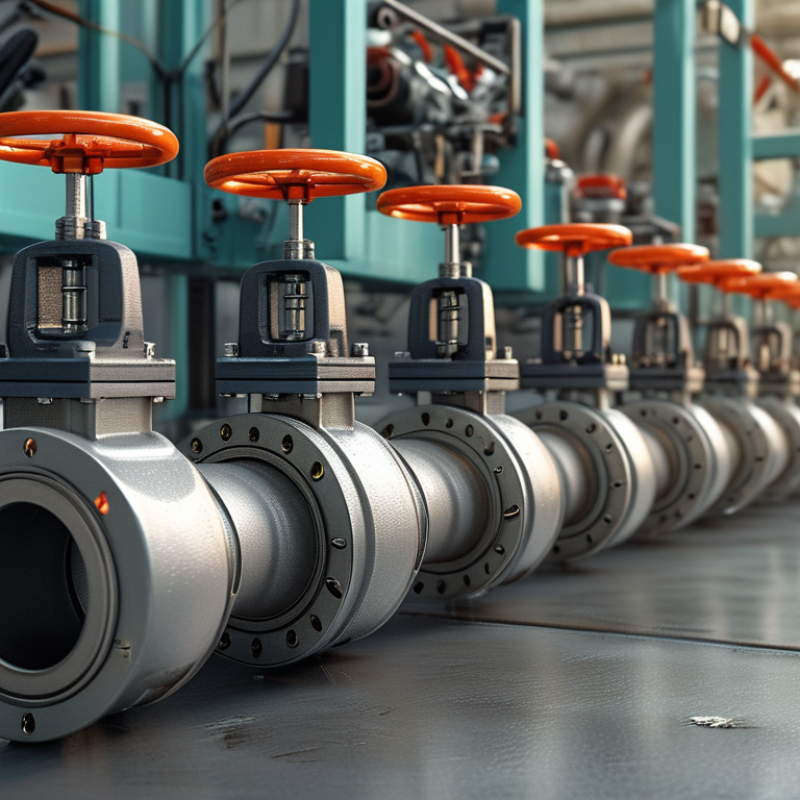
Overview of Manual Ball Valve Automation and Actuator Types
Manual ball valve automation enhances efficiency in various industrial applications. This process replaces the human effort required to operate valves with automated systems. As industries strive for greater productivity, understanding actuator types becomes critical.
There are several actuator types available for ball valves, each with unique benefits.
Pneumatic actuators use compressed air to drive the valve, allowing for quick response times.
Electric actuators provide precise control but may require significant electrical infrastructure.
Hydraulic actuators, while powerful, involve complex systems that need careful consideration.
Automation of manual ball valves requires careful planning. Consider the environment where these valves operate.
The choice of actuator should reflect the specific needs of the system. For instance, a harsh environment may complicate the use of electrical actuators.
Reflecting on the details of each actuator type helps ensure reliability and effectiveness in automation. Ultimately, understanding these nuances is vital for optimizing performance and safety in any facility.
Key Considerations for Selecting Actuators for Ball Valves
Automating ball valves with actuators can significantly improve operational efficiency. When selecting actuators for ball valves, several key considerations come into play.
The actuator's torque is a primary factor. It must match the valve size and automate its operation seamlessly. Data from the International Society of Automation highlights that improper torque can lead to premature wear or malfunction. Choose actuators with a torque rating higher than required to ensure reliability.
Another essential consideration is the actuator type. Electric and pneumatic actuators serve different applications. According to industry reports, electric actuators are preferred for precise control and are often more energy-efficient. Pneumatic actuators excel in environments with rapid cycling and high-inertia loads.
Tips: Examine your specific application requirements carefully. Assess installation space and maintenance needs. Remember that actuator performance can vary with temperature and pressure changes. Take these variables into account when making your decision. Always consider future scalability and how easily you can upgrade or replace your actuator systems.
Step-by-Step Installation Process of Actuators on Ball Valves
Installing actuators on manual ball valves can enhance efficiency. This process requires careful planning and execution. Start by gathering all necessary tools, such as wrenches, screwdrivers, and the actuator itself. Ensure the workspace is clean and accessible. Safety gear is essential—wear gloves and goggles throughout the installation.
Next, prepare the ball valve. Shut off any fluid flow to avoid accidents. Inspect the valve for any damage. Align the actuator with the valve. Use mounting brackets to secure it in place. Tighten the screws but do not overtighten. It’s easy to strip a screw if too much force is applied. Ensure the actuator moves freely without resistance.
After securing the actuator, connect the power supply. Follow the manufacturer's wiring diagram closely. Testing the actuator is crucial. Check for any leaks or unusual sounds. If there are issues, revisit the connections. Be patient during this phase; troubleshooting can be time-consuming but is necessary for reliable operation. Proper installation will ensure that your automated ball valve functions effectively.
2026 How to Automate Manual Ball Valve with Actuator Guide
| Step |
Description |
Tools Required |
Estimated Time |
| 1 |
Choose the appropriate actuator for your ball valve. |
None |
1 hour |
| 2 |
Turn off the water supply and isolate the valve. |
Wrench |
30 minutes |
| 3 |
Remove the manual handle from the ball valve. |
Screwdriver |
15 minutes |
| 4 |
Attach the actuator to the valve shaft. |
Wrench, Allen key |
20 minutes |
| 5 |
Connect the actuator to the power supply. |
Wire strippers, screwdriver |
30 minutes |
| 6 |
Test the operation of the actuator and valve. |
None |
15 minutes |
| 7 |
Finalize installation and ensure all connections are secure. |
None |
10 minutes |
Maintenance Requirements and Best Practices for Automated Ball Valves
Automating manual ball valves with actuators can greatly enhance operational efficiency. However,
proper maintenance is crucial to ensure longevity and reliable performance.
According to industry reports, regular inspections can reduce valve failures by up to
30%. Maintenance tasks include checking seals and connections, lubricating moving parts,
and identifying signs of wear.
Routine checks should occur every six months. During these inspections, focus on the actuator's air supply and
verify electrical connections. A malfunctioning actuator can lead to process disruptions.
Cleaning the actuator is equally important; contaminants can cause serious issues.
Tips for effective maintenance: Use a checklist to monitor inspections. Document findings carefully to track
performance over time. Be proactive about replacing worn components to avoid unexpected failures.
Remember, maintaining automated ball valves involves both technical know-how and attention to detail.
Disregarding minor issues can lead to larger, costly problems. Regular maintenance helps ensure the system
operates as intended, contributing to overall efficiency.
Future Trends and Innovations in Ball Valve Automation Technologies
The automation of ball valves is rapidly evolving, driven by technology advancements. Smart actuators are becoming standard. They enhance efficiency and reliability in various industries, including water treatment and petrochemicals. These innovations facilitate remote monitoring and operation over vast distances. The integration with IoT technologies enables real-time data collection. This creates opportunities for predictive maintenance.
Electric and pneumatic actuators are seeing improvements in energy efficiency. They now consume less power while providing more torque. Innovations like wireless technology in actuators help reduce installation time and costs. However, potential security risks emerge with increased connectivity. Regular updates and robust cybersecurity measures are essential to address these concerns.
As ball valve automation technology advances, user education becomes crucial. Operators must understand both benefits and limitations. The learning curve can deter some users from fully engaging with new technologies. Continuous training and support are vital to maximizing automation potential. While advancements are impressive, careful consideration of these factors is necessary for effective implementation.
2026 Ball Valve Automation Trends
This chart illustrates the importance level of various automation trends for ball valves in 2026. Key areas of focus include actuator efficiency, remote operation capabilities, cost reduction strategies, adherence to safety standards, and energy savings potential.
Conclusion
The article titled "2026 How to Automate Manual Ball Valve with Actuator Guide?" provides a comprehensive overview of the automation process for manual ball valves using actuators. It begins by discussing various types of actuators suitable for ball valve automation, highlighting key considerations to keep in mind when selecting the right actuator for specific applications.
Following this, the article outlines a step-by-step installation process to ensure effective implementation of actuators on ball valves. It also addresses the maintenance requirements and best practices for ensuring long-term reliability and performance of automated ball valves. Finally, the article concludes with insights on future trends and innovations in ball valve automation technologies, offering readers valuable information on how to automate a manual ball valve with an actuator effectively.

 Maria Valve