2026 Best Rising Stem vs Non-Rising Stem Gate Valve Differences?

Time:2026-06-22 Author:Sophia
0%

In the world of industrial valves, the choice between a rising stem and a non-rising stem gate valve is crucial. Understanding what is the difference between a rising stem and non-rising stem gate valve can greatly impact system performance. Each type offers unique features and applications, making it vital for engineers and operators alike to make informed decisions.

Rising stem gate valves have a visible stem that rises or falls with the valve operation. This design makes it easy to monitor valve position. Non-rising stem gate valves, on the other hand, keep the stem hidden, operating within the valve body. This can save space in tight installations. While both serve similar functions, their mechanisms can affect installation and maintenance.

Choosing the right valve is not always straightforward. It involves understanding specific requirements of the system, such as pressure, space, and accessibility. Not every situation is ideal for either type. Considerations like pipeline layout and environmental conditions complicate decisions. Awareness of these factors is essential for optimal performance and longevity of valves in any system.
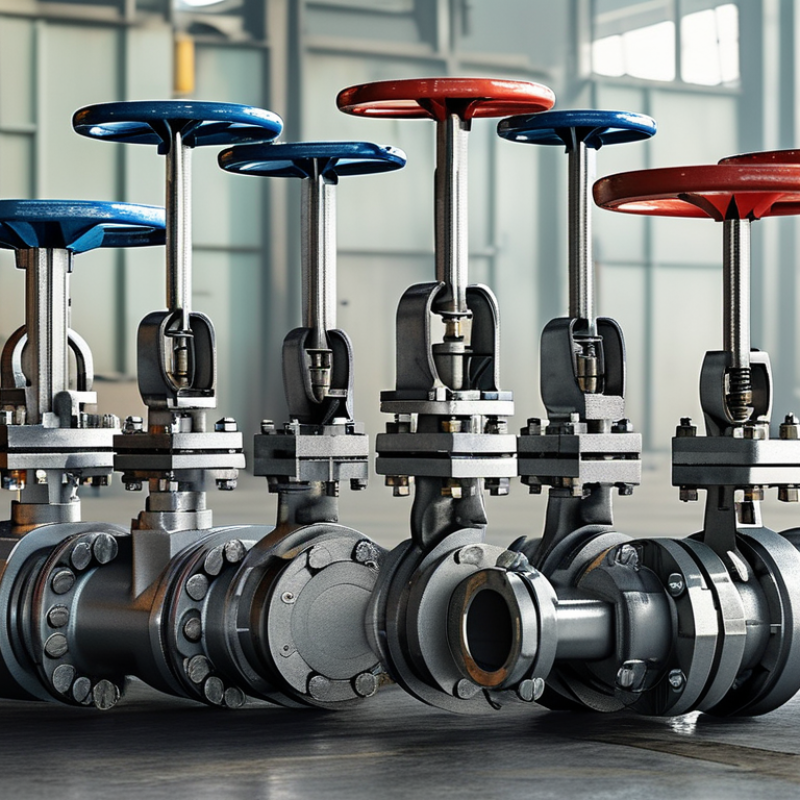
2026 Best Rising Stem vs Non-Rising Stem Gate Valve Differences?

Differences in Design: Rising Stem vs Non-Rising Stem Gate Valves

When discussing gate valves, understanding the differences between rising stem and non-rising stem designs is crucial. Rising stem gate valves have a stem that moves upward as the valve opens. This design allows for visible valve position indication. Typically, these are used in applications where monitoring valve status is important. In contrast, non-rising stem gate valves do not show the stem’s position, as it remains stationary. This makes them ideal for limited spaces where a full-stem movement is impractical.

Choosing between these two designs depends on specific needs. Rising stem valves often provide easier operation. However, they require more vertical space. Non-rising stem valves are space-efficient but can be more challenging to operate. Users must take care when installing and operating these valves. Think about long-term maintenance and accessibility during this process.

Tips: Always consider the environment where the valve will be used. For outdoor applications, rust-proof materials may be necessary. Performing regular inspections helps detect wear and extend valve life. Be cautious with installations; improper fitting can lead to leaks or failures.

Operational Mechanisms: How Each Valve Type Functions

When considering gate valves, understanding their operational mechanisms is crucial. Rising stem gate valves feature a stem that raises the disk when the valve opens. This visibility allows users to easily monitor the valve position. The open or closed status is clear, making it user-friendly. However, this design requires more space above the valve, which may not always be available.

Non-rising stem gate valves, on the other hand, operate differently. The stem does not rise with the disk. Instead, it turns and adjusts the position internally. These valves are compact and ideal for scenarios where space is limited. Despite their advantages, the closed status can be harder to determine. Users must rely on indicators or monitoring systems, which may lead to errors if not regularly checked.

Each valve type has its own strengths and weaknesses. A rising stem valve is straightforward and easy to read but may need extra clearance. In contrast, non-rising stems conserve space but introduce complexity in monitoring. Both designs have their place in various applications, making a thoughtful choice essential.

Applications and Usage: When to Choose Rising or Non-Rising Stem Valves

When selecting between rising stem and non-rising stem gate valves, understanding their applications is crucial. Rising stem valves, with their visible stem movement, are ideal for environments where space isn't a constraint. They provide clear visual cues of valve position, enhancing operational safety. Reports indicate that 30% of industrial facilities prefer rising stem valves in non-confined spaces.

Conversely, non-rising stem valves fit tighter spaces. Their compact design makes them suitable for underground or limited-access installations. According to industry data, about 40% of water treatment facilities opt for non-rising stem valves for such reasons. They also have lower installation heights, which can save expenses in specific projects.

However, one must consider the maintenance implications. Rising stem valves often require more attention due to their exposed parts. Non-rising stems, while easier to install, might face challenges in terms of visibility and manual operation. Understanding these nuances can lead to better choices in valve selection.

Maintenance Requirements: Comparing Upkeep for Both Valve Types

When comparing rising stem and non-rising stem gate valves, maintenance requirements often vary significantly. Rising stem gate valves, which move the stem upwards when opened, are generally easier to inspect. You can quickly check for leaks and alignment. This design feature allows for better visibility of the valve's status, making routine checks simpler.

On the other hand, non-rising stem gate valves are less straightforward. They require specific tools for maintenance checks, as the stem remains fixed in the body during operation. This can be a disadvantage in tight spaces. Without regular upkeep, the internal components may wear down, leading to more serious issues over time.

Every valve type has its maintenance challenges. Rising stem valves may require more frequent lubrication to avoid corrosion. Non-rising valves, however, can accumulate debris more easily, affecting their performance. Each choice comes with its learning curve and possibility for oversight. Understanding these maintenance nuances is essential for ensuring long-term reliability in your system.

Market Trends: Industry Adoption Rates and Future Projections

The adoption of rising stem and non-rising stem gate valves is influenced by market trends. Industries are gradually shifting towards rising stem designs. This shift is driven by the need for better visibility of valve position. Rising stem valves allow operators to see the valve's status easily. They are often preferred in applications where frequent adjustments are required.

On the other hand, non-rising stem gate valves remain popular in space-constrained areas. Many facilities continue to utilize them due to their compact design. The choice between the two types often relies on installation space and operational requirements. Not all industries are willing to make the move. Some manufacturers hesitate to invest in new designs, indicating cautious industry growth.

Future projections suggest that rising stem valves will capture a larger market share. More companies are considering these valves for their long-term benefits. However, the transition will not be instantaneous. Some sectors will take time to adapt to the changing trends. Challenges in training and integration may slow adoption rates further. This scenario highlights the importance of strategic planning in valve selection.

2026 Best Rising Stem vs Non-Rising Stem Gate Valve Differences

Feature Rising Stem Gate Valve Non-Rising Stem Gate Valve
Operational Mechanism Stem moves up and down Stem does not move vertically
Space Requirement Requires more vertical space Requires less vertical space
Applications Typically used in larger pipelines Common in confined spaces
Installation Easier to install in high-rise setups Easier to fit in tight spots
Cost Usually higher due to complexity Generally lower
Maintenance Requires regular checks for wear Simpler maintenance needs

FAQS

: What are rising stem valves used for?

: Rising stem valves are ideal for environments with ample space. They show visible movement of the stem, enhancing safety.

Where are non-rising stem valves most suitable?

Non-rising stem valves fit tight spaces well. They are commonly used in underground installations with limited access.

How do rising stem valves help with maintenance?

They allow for easier inspection due to their design. You can quickly check for leaks and alignment.

Are there challenges with non-rising stem valve maintenance?

Yes, they require specific tools. Their fixed stems make maintenance checks harder in confined areas.

What are some common issues with rising stem valves?

They often need more frequent lubrication to prevent corrosion. Neglecting this can lead to significant maintenance demands.

Why might non-rising valves accumulate debris?

Their design makes it easier for debris to settle. This can negatively affect the valve’s performance over time.

How can poor maintenance affect valve reliability?

Overlooking regular checks can lead to wear and serious problems. Each valve type requires careful attention to prevent failures.

What should be considered when choosing valve types?

Understand space limitations, maintenance needs, and visibility. Each type has its own advantages and potential drawbacks.

Conclusion

The article "2026 Best Rising Stem vs Non-Rising Stem Gate Valve Differences" explores the key distinctions between rising stem and non-rising stem gate valves. One of the primary differences in design is that rising stem valves have a visible stem that extends when the valve is opened, offering a clear indication of valve position, while non-rising stem valves keep the stem stationary within the valve body. The operational mechanisms also vary, where rising stem valves provide better sealing due to their design, making them preferable in specific applications.

Additionally, the article discusses the appropriate contexts for choosing each valve type, maintenance requirements, and current market trends influencing their adoption. Understanding what is the difference between a rising stem and non-rising stem gate valve is crucial for industries to select the right valve based on functionality, maintenance ease, and application needs. As industries evolve, analyzing these differences will guide future projections and decision-making processes in valve selection.

Sophia

Sophia

Sophia is a dedicated marketing professional with an exceptional depth of knowledge about her company's products and services. With a keen understanding of market trends and customer needs, she crafts insightful blog posts that not only inform but also engage readers, enriching the company’s online......